
Poland in Winter: Best Cities & Travel Tips I’ve Learned
Are you considering spending the winter in Poland? You’re in the right place! In this guide, I share all the essential Poland winter travel tips I wish I had known before my trip — from packing essentials to the most beautiful cities to visit during the colder months.
During winter, the country turns into a magical wonderland of snow-covered streets, cozy cafes, and lively Christmas markets. Its rich thousand-year history, hearty food, stunning national parks, and underrated cities make it a truly rewarding destination to explore in the off-season.
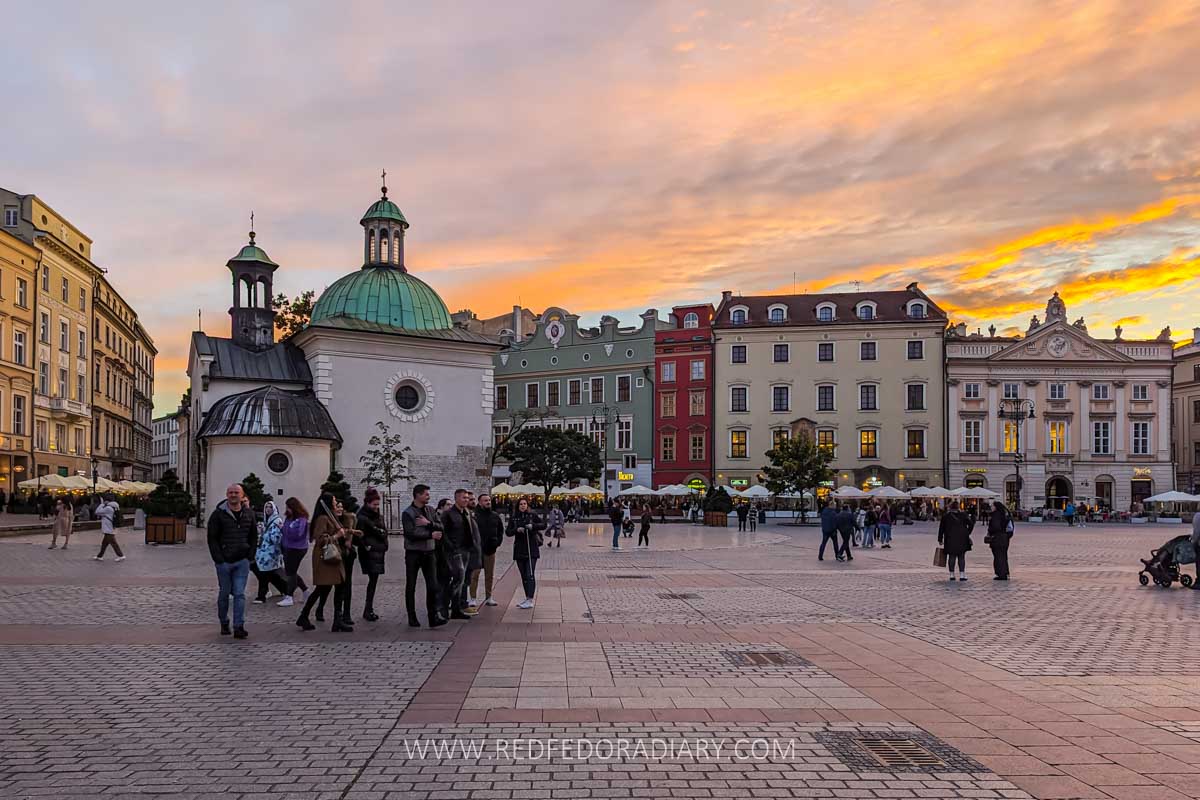
Sure, it can get cold — but if you’re after fewer crowds, budget-friendly stays, excellent ski slopes, and festive vibes, Poland in winter is a perfect choice.
We’ve traveled to Poland in different seasons — spring, autumn, and winter — so this detailed guide, updated for the 2025–2026 winter season, includes how to plan your trip, what to pack, and other valuable tips, all based on our firsthand experience.
Disclaimer: Some of the links in this post are affiliate links, which means I may earn a small commission if you buy something through them—at no extra cost to you. It helps support my blog and lets me share real, first-hand travel tips. Learn more
FAQ: Essential things to know before visiting Poland in winter
Is Poland worth visiting in winter?
Spending the winter in Poland might not be everyone’s first choice, but it’s a surprisingly great option. If you’re after a quieter trip away from crowded ski resorts or want to explore its charming cities dressed in snow, you’ll find plenty of things to do in Poland in winter for every kind of traveler.
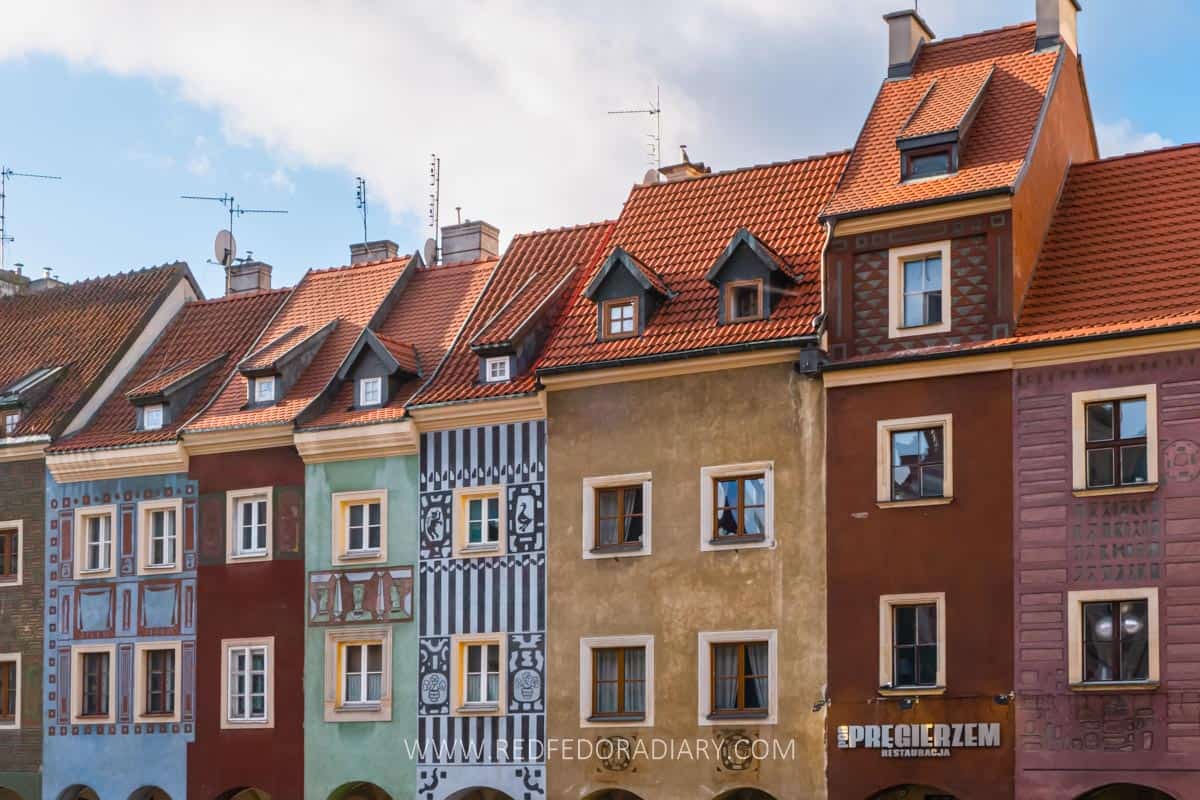
City lovers can wander through beautifully lit, historic towns and festive Christmas Markets that rival those found in Central and Western Europe. Try local winter Polish treats like Grzane Piwo (hot mulled beer), sizzling pierogi, kielbasa, and smoked osypek cheese with jam.
If snow sports are more your thing, head to Zakopane, a lively mountain town in the Tatras known for skiing, snowboarding, and relaxing in its natural thermal baths after a day on the slopes.
What is the best time to visit Poland in winter?
The best time to visit Poland in winter depends on what you’re after. If you’re visiting Poland in December, you’ll catch the country at its most festive — with Christmas Markets, sparkling lights, and cozy seasonal food everywhere you go.
For snow and ski lovers, the months of January and February are ideal. Head to Zakopane or the Tatra Mountains for excellent skiing, snowboarding, and quieter slopes once the holiday crowds are gone.
What’s the weather like in Poland in winter?
Winter brings chilly, grey days with the occasional rain or sleet, depending on where you travel. On average, winter temperatures range between 7°C (45°F) and –6°C (21°F), though mountain regions can feel much colder.

Does it snow in Poland in December? Yes, quite often — especially in the mountains and northern areas. Even cities like Gdańsk and Warsaw sometimes wake up under a light layer of snow.
During one of our trips in December, we mostly had mild weather perfect for sightseeing, though walking around on sleety days wasn’t exactly enjoyable.
Poland in January tends to be the coldest, with average lows around –3°C (27°F) and temperatures in southern ski towns occasionally dropping to –20°C (–4°F).
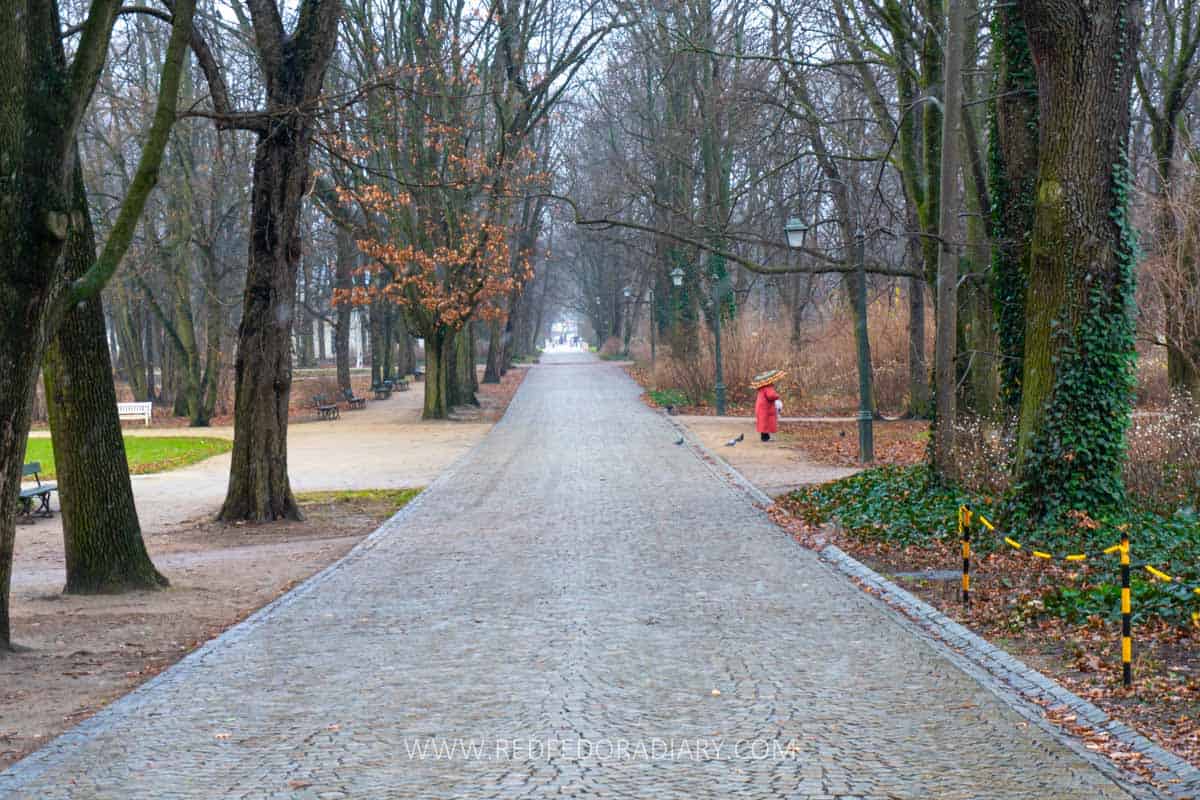
By February, winter in Poland begins to slowly ease up, especially in major cities. Temperatures stay low — averaging around –2°C to 3°C (28°F to 37°F) — but daylight hours gradually increase, making sightseeing more pleasant.
Snow remains common in the mountains, offering excellent conditions for skiing and other winter sports as spring begins to arrive.For a detailed breakdown of seasonal weather and more tips on timing your trip, check out my guide on the best time to visit Poland.
Plan Your Trip Like A Pro
Is Poland a good destination for Christmas?
Yes! Most Christmas Markets in Poland open in late November and run until the first week of January, though the exact dates vary from city to city.
Major destinations like Warsaw, Kraków, Wrocław, Gdańsk, Poznań, and Katowice all host lively markets in their central squares, each with unique decorations and a festive atmosphere.
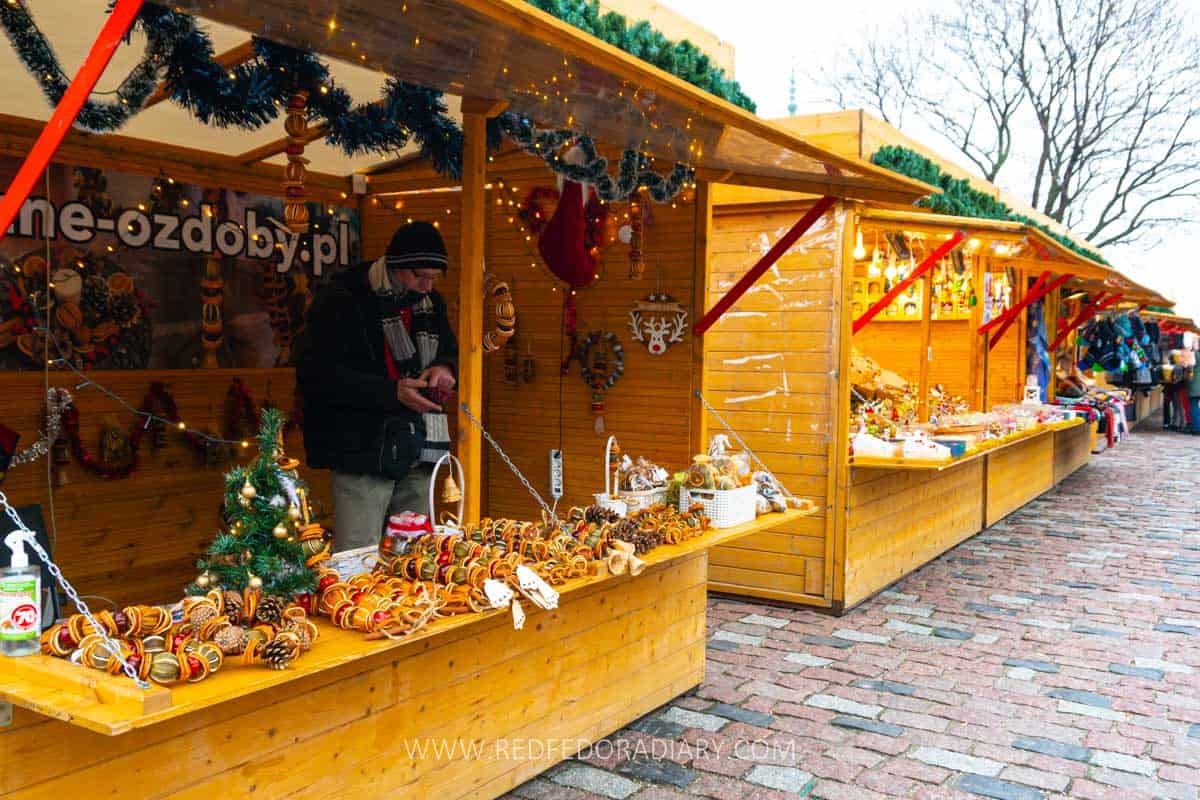
These markets are one of the best reasons to plan a winter trip here. Every city glows with lights, wooden stalls, and the smell of seasonal treats — making city-hopping a fun way to experience the season. That’s precisely what we did one winter, and it turned out to be such an enjoyable way to explore.
Obviously, Polish Christmas Markets can’t go without traditional treats. Instead of mulled wine, locals often drink Grzane Piwo — a hot, spiced beer — and snack on osypek, a smoked cheese served with cranberry jam. It might sound like an unusual mix, but it’s absolutely delicious and a must-try during Christmas in Poland.
Are museums and attractions open in December?
Yes, most museums and attractions in Poland remain open in December, although hours may vary around public holidays.
Some museums also close early during the winter season, while the majority of places close on December 24–26 and January 1, so it’s best to double-check schedules in advance.
Keep in mind that most museums are closed on Mondays year-round, and some offer free-entry days during the week — a nice bonus if you’re visiting Poland on a budget.
What to wear in Poland in winter?
Since the weather can be unpredictable in winter, I advise being well prepared, especially since you’ll be spending half of the way walking around the city in cold temperatures. Here are my general recommendations on what to pack for Poland, as well as some winter-specific items:
Backpack or suitcase? – We prefer backpacks over suitcases. For us, a backpack is much more comfortable to carry than a suitcase. I have a 55 Liter Osprey Farpoint (read my full review here), and Oto has a Cobra 60 from The North Face. Both have plenty of space but are small enough to carry on board budget airlines as purchased luggage.
Day pack for shorter trips – if we have a short city break that doesn’t require us to bring our big backpacks, we travel with smaller ones. I typically take my CITYC 2 in 1 Backpack from Driibe (read my full review here) while Oto uses his Burton backpack.
Scarf – I rarely travel without a scarf, no matter the season. Bring a warm and fluffy scarf for Poland.
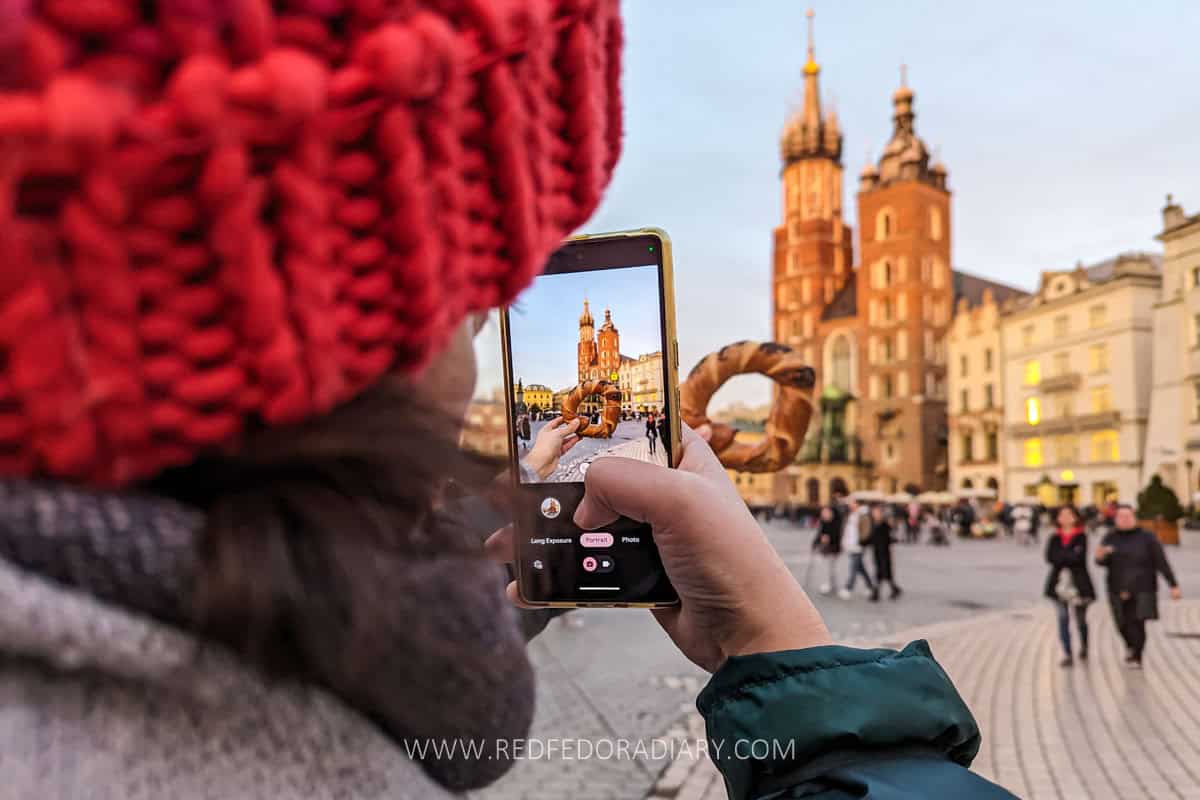
Hat – A warm winter hat is a must. I sometimes bring my red fedora or the winter hat with pom poms. Oto is inseparable from his beanies.
A winter jacket – a warm and cozy winter jacket goes without saying. It’s even better if it has a hood for sleet weather days.
Winter boots – I have traveled to Poland in my Timberland boots with warm insoles on several occasions. However, it may not be a suitable choice for colder climates and mountainous areas.
Mittens/gloves – I am not a big fan of gloves, but having them during winter in Poland is essential.
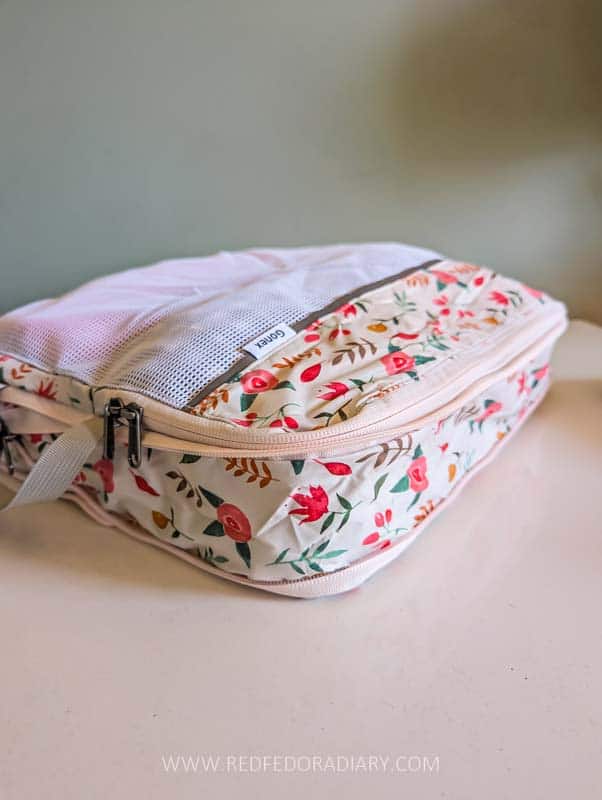
Compressing packing cubes — These are a lifesaver when traveling in winter. They come in different sizes and shapes, and some even include a laundry bag.
We use them year-round, but the compressing cubes from Gonex are especially handy for bulky winter clothes and saving space in your luggage. The smaller ones are perfect for socks, underwear, and other small items that tend to get lost in a suitcase.

Thermal clothes – these come in handy if you prefer to dress lighter. Thermal t-shirts or leggings will keep you warm during your sightseeing walks.
Umbrella – another essential item for rainy days in Poland. Alternatively, pack this packable raincoat.
Water bottle – tap water is safe to drink in Poland. However, bringing your own water bottle and refilling it will save you some money and make you a responsible traveler without adding your footprint on the fragile environment. I don’t go anywhere without my Stojo collapsible water bottle.


Reusable and collapsible coffee cup – if you are like us and love coffee or tea while wandering the streets, we always have collapsible cups from Stojo, which use a tiny space in our backpacks.
Power adapter – sockets in Poland are standard, just like in Europe, some parts of Asia, and Australia. However, having the universal adapter is handy if you come from a country that uses different sockets.
Battery charger – Poland winter is lovely, and you’ll be exhausting your smartphone battery very soon, so always bring an external charger to keep you on the go. I have this Anker MagGo power charger for its durability, quality, and fast charging.
Best places to visit in Poland in winter
If you’re wondering where to go in Poland in winter, there are plenty of incredible options — from vibrant cities full of history to cozy mountain towns blanketed in snow.
Besides exploring some of its stunning cities, try to save at least two or three days for a ski resort or spa town, even if you don’t plan to ski.
Here are some of the best cities to visit in Poland in winter and a few charming getaways worth adding to your itinerary.
Warsaw
Poland’s capital is beautiful year-round, but Warsaw in winter has a special charm with twinkling lights, snowy streets, and plenty of indoor attractions.
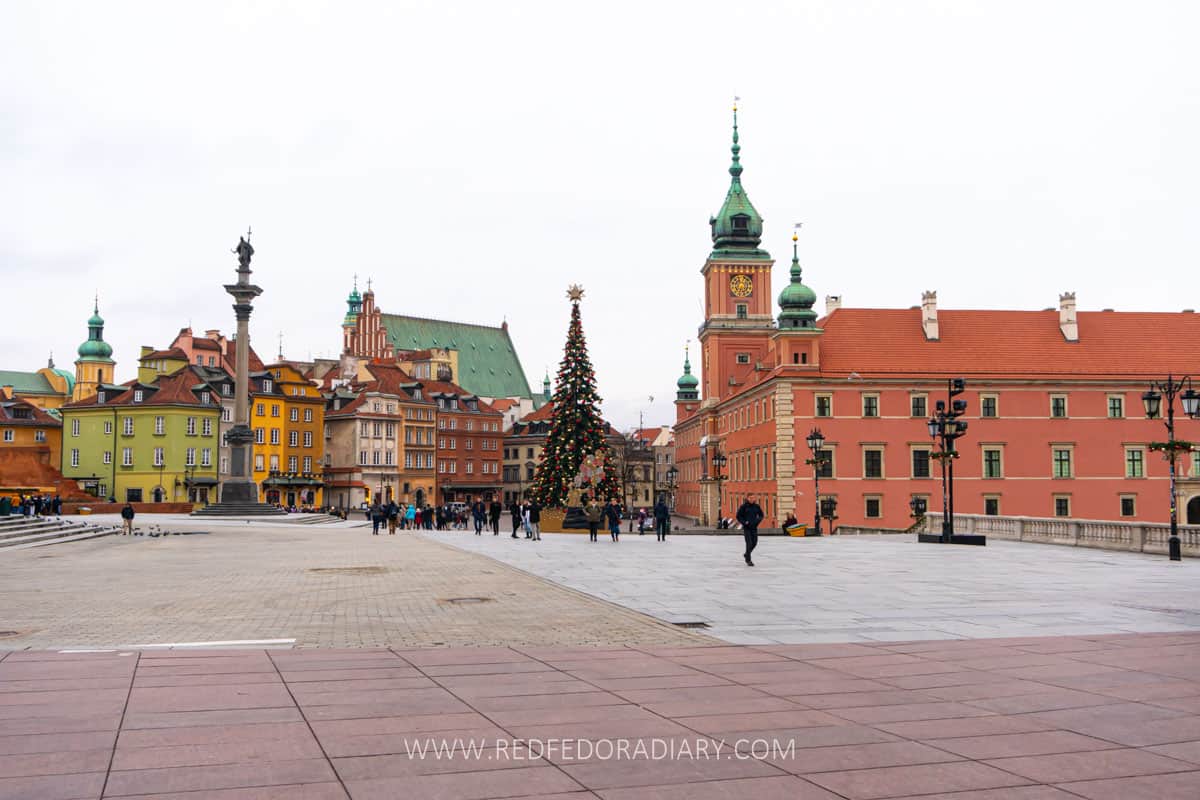
Once almost destroyed during WWII, Warsaw’s Old Town was rebuilt from scratch and is now listed as a UNESCO World Heritage Site — and it’s hard to believe it was ever in ruins.
Spend your time exploring its fascinating museums (I’ve written more about them in my Museums in Warsaw guide) and warming up in cozy cafes and restaurants serving hearty Polish food.

Don’t miss Wilanów Palace, which transforms into a glowing winter wonderland with illuminated gardens and festive installations. Located just 10 km south of the city center, it’s easy to reach by public transport.
Recommended tours in Warsaw:
Krakow
The country’s former royal capital is one of the most visited cities in Poland — and for good reason. Its UNESCO-listed Old Town is full of history, architecture, and winter charm.
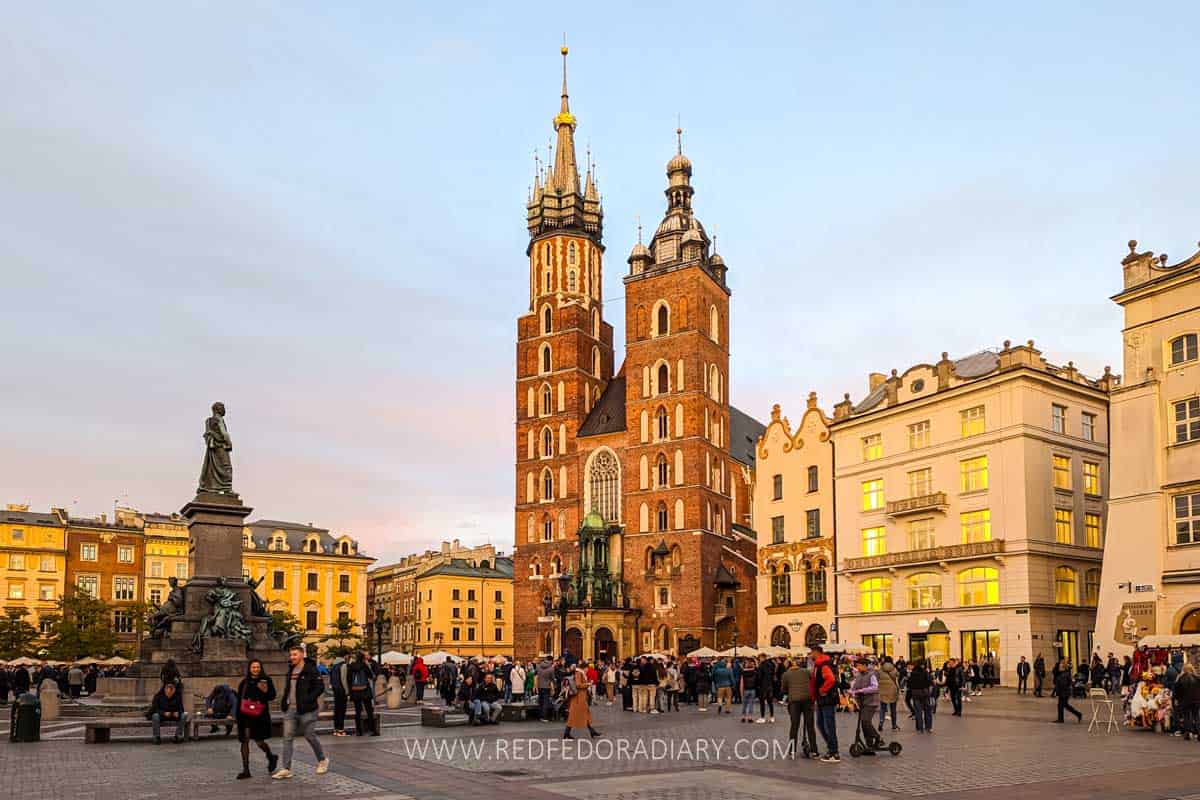
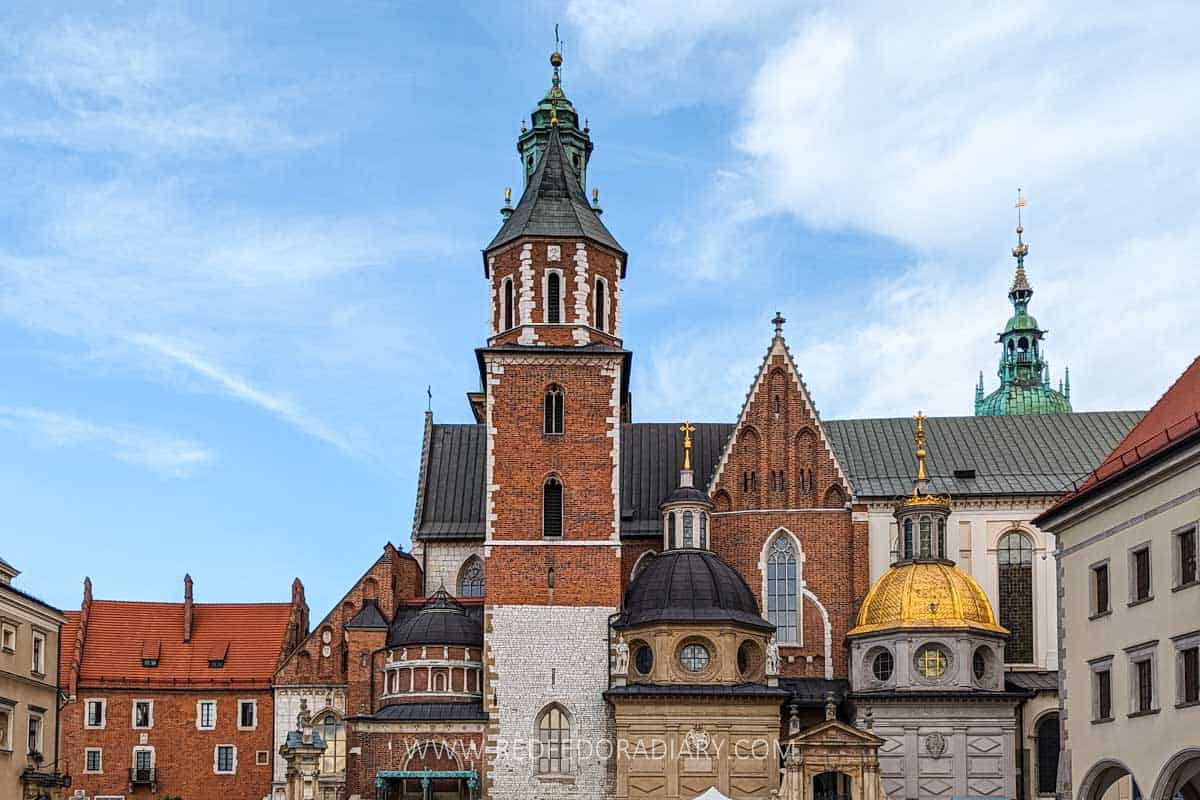
One of the things to do in Kraków is to walk through Wawel Castle, where Polish kings once resided, stroll down its streets with colorful houses, and learn its WWII history by visiting the Schindler’s Factory and Under the Eagle Pharmacy museums.
You can also take a meaningful trip to Auschwitz-Birkenau — fewer crowds visit during the winter months, making the experience quieter and more reflective.
I also absolutely loved my walk in Nowa Huta, a Soviet utopian neighborhood that transports you back to the bygone era. You can even tour the administrative building of the massive steel plant — a fascinating glimpse into communist-era urban planning.
For something truly unique, visit the Wieliczka Salt Mine, one of the world’s oldest operating mines and another UNESCO World Heritage Site.
👉 Read next: Day Trips from Kraków | Best Cafes and Restaurants in Kraków | What to wear in Kraków
Recommended tours in Krakow:
Gdansk
Gdańsk was the first stop on our Poland winter holiday itinerary, and I absolutely fell in love with its architecture and waterfront views. This coastal city on the Baltic Sea is worth visiting in any season, but it’s wonderful when decorated for Christmas.

Gdańsk is famous for its amber trade and as the city where World War II began. History lovers shouldn’t miss the Museum of the Second World War, one of the most impressive museums in Europe (find more in my Museums in Gdańsk guide).
The colorful Long Market (Długi Targ) is the heart of the city, lined with intricately decorated merchant houses and festive stalls during the Christmas season.
👉 Explore more: Day Trips from Gdańsk
Recommended tours in Gdansk:
Wroclaw
Located in southwestern Poland, Wrocław is a charming city renowned for its adorable dwarf statues, vibrant buildings, and stunning bridges that span the Oder River. Because of its islands and waterways, it’s often called the “Venice of the North.”

The Market Square is one of the most picturesque in the country and hosts one of Poland’s largest Christmas markets each year. The Old Town dazzles with pastel-colored facades, Gothic and Baroque architecture, and a festive atmosphere.
While exploring, cross the bridge to Ostrów Tumski, the oldest part of the city, to see the stunning Cathedral of St. John the Baptist.
Recommended tours in Wroclaw:
Poznan
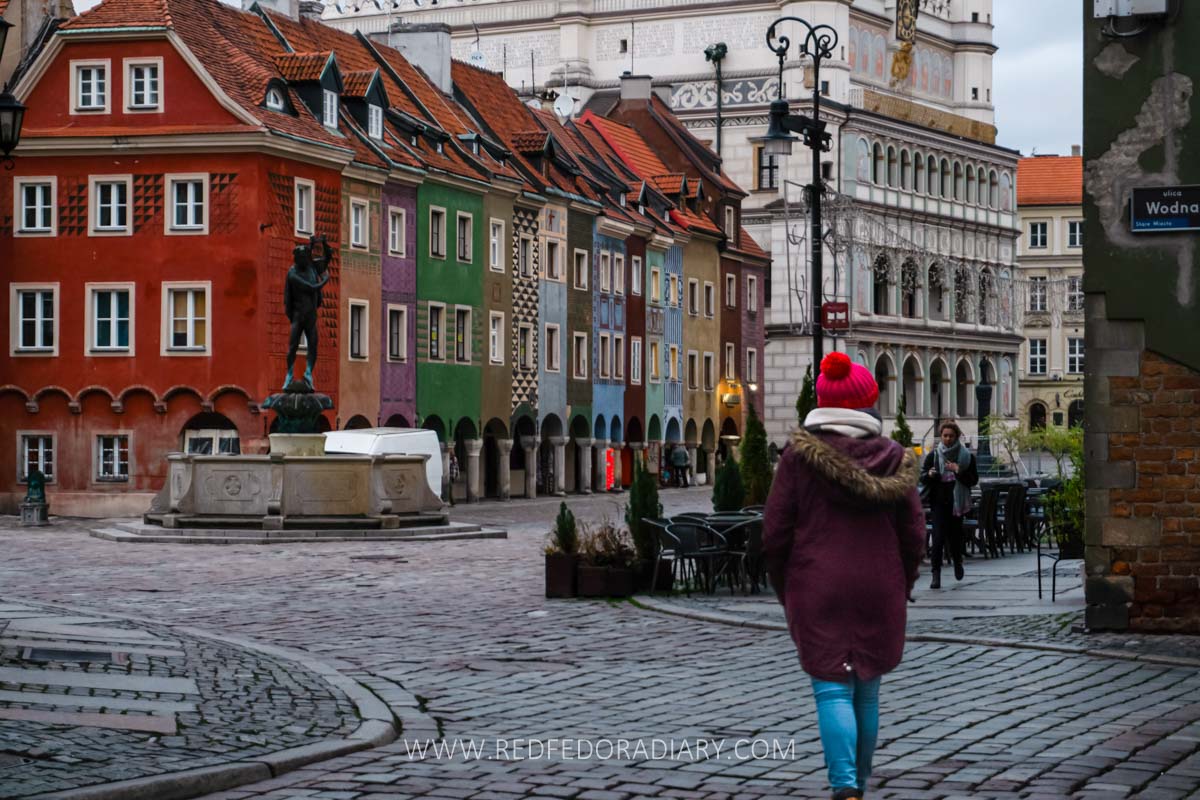
Located in western Poland, Poznań is one of my personal favorites — a vibrant, creative, and characterful city. The Central Market Square is among the most beautiful in Europe, featuring the Renaissance-style Town Hall, which is adorned with two mechanical goats that appear daily at noon.
Explore this lively city through my Poznan city guide and don’t leave without tasting St. Martin’s Croissant, a local delicacy protected by EU law — you can even learn to make it at the dedicated Croissant Museum!
When the weather turns cold, locals head to Lake Malta, which freezes over in winter, making it a popular spot for ice skating.
👉 Keep exploring: Poznań Day Trips
Recommended tours in Poznan:
Katowice
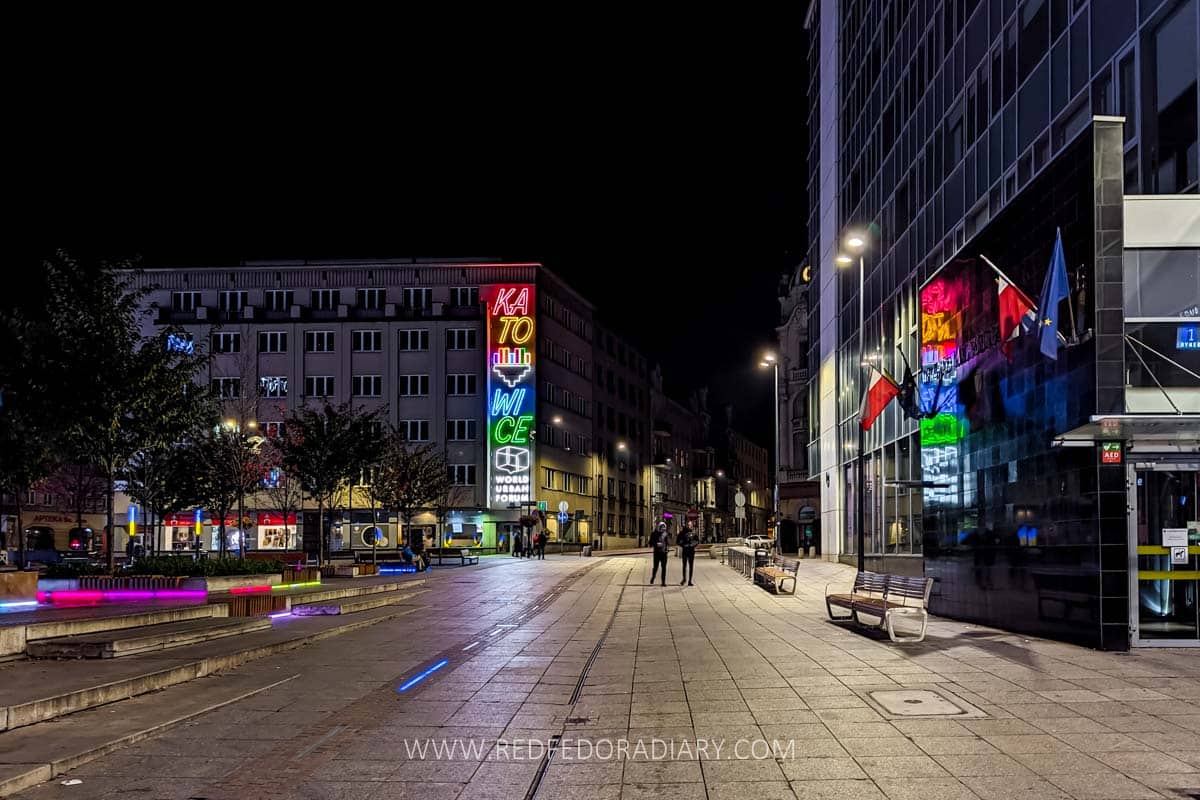
If you’re looking for a less-traveled city, consider Katowice, the capital of the Silesia region. Once known mainly for its mines and heavy industry, today it’s a fascinating mix of history, culture, and bold architecture — perfect for travelers interested in urban design and local stories.

Katowice is ideal for history and culture lovers, with engaging museums, gorgeous architecture, world-class concert venues, and impressive street art.
You’ll learn about the city’s industrial past at the Silesian Museum, then walk through Nikiszowiec, a charming mining neighborhood with red-brick residential buildings built for workers in the early 20th century.
The city also has two other miners’ districts, each offering a unique architectural contrast.

If you’re into modernist or futuristic design, don’t miss Spodek, a UFO-shaped concert hall, and the Silesian Uprising Monument, both iconic city landmarks.
Recommended tours in Katowice:
Karpacz
Nestled in the Karkonosze Mountains of southwestern Poland, Karpacz is a charming ski and spa town ideal for a relaxing winter getaway close to Wroclaw.
It’s an excellent alternative to the Alps, offering beautiful mountain views — including Poland’s highest peak, Śnieżka — at a fraction of the price.
Even if you don’t ski, there’s plenty to do: hiking, spa treatments, and cozy cafes to warm up in.
Don’t miss the Vang Stave Church, a beautiful wooden building moved here from Norway in the 19th century.
Zakopane
No list of winter destinations in Poland is complete without Zakopane — the country’s most famous mountain resort. Nestled at the foot of the Tatra Mountains, it’s ideal for skiing, snowboarding, and winter hiking.
The slopes of Kasprowy Wierch and Nosal cater to all skill levels, while non-skiers can enjoy horse-drawn sleigh rides or soak in the Chocholowskie Termy thermal baths.
Zakopane also has a lively main street, Krupówki, lined with restaurants, souvenir shops, and cozy chalets that make the perfect base for a winter stay.
Recommended tours to Zakopane:
Poland winter travel tips
After spending a week exploring Poland in winter, there were a few things I wished I had known beforehand — even though I thought I’d done thorough research.
We managed to avoid most mistakes, but some details caught me by surprise. Hopefully, these Poland winter travel tips will help you plan more smoothly.
Stay connected with an eSIM
Although this is not explicitly connected to the season, having reliable internet makes traveling in Poland much easier, from checking train schedules to finding the best routes with public transport.
Instead of relying on local SIM cards or public Wi-Fi, I have started using eSIMs. It’s quick to activate, works the moment you land, and lets you avoid hunting down mobile shops.
I recommend Saily and Holafly — both offer affordable data plans that work smoothly across Poland and other European countries.
If you’re new to eSIMs, check out my detailed guide on the best eSIMs for travel to learn how they work and which one suits your trip best.
Be prepared during Christmas festivities
If your winter trip falls during Christmas or New Year’s, keep in mind that most shops and restaurants are closed on December 25–26, December 31, January 1, and sometimes January 6.
Shopping on December 24 or December 31 can also be tricky, as many stores close early.
It’s best to stock up on essentials the day before and plan your sightseeing around these dates.
Start your days early
One of the challenges of winter vacation is the short daylight hours — it gets completely dark around 4 pm. Waking up early helps you make the most of your day, especially if you’re sightseeing outdoors or taking day trips.
Plan slightly longer stays
Since daylight is limited and some attractions close earlier in winter, allow yourself an extra day in each city if possible. When I planned two days per city, it felt rushed.
Staying longer means you can explore more at a comfortable pace and adjust plans if weather or opening hours change.
Check museum closing times
Some museums shorten their hours during the off-season. For example, in Gdańsk, several museums operate on shorter schedules and close around 4 pm. In Warsaw, the POLIN Museum of the History of Polish Jews accepts its last visitors two hours before closing time.
I originally planned to visit museums later in the afternoon when it would get dark, but had to rearrange our itinerary at some places once I realized how early they closed.
Account for winter transport delays
Public transport in Poland generally operates smoothly, but during heavy snowfall or freezing rain, buses and regional trains may experience short delays.
If you’re driving, expect icy roads, especially in mountain areas, and allow extra time for longer trips. Apps like Jakdojade (for route planning) and Bolt taxi (for rides within cities. Use YRP76 for disount on firt ride) work great even in winter conditions.
Get travel insurance for winter activities
If you plan to ski, snowboard, or visit Poland’s mountain resorts, having travel insurance is a brilliant idea. Winter conditions can be unpredictable, and even a minor accident or lost luggage can quickly ruin a trip.
I personally use and recommend Heymondo Travel Insurance — it covers winter sports and medical emergencies, and the link already includes a 5% discount automatically applied.
It’s one of those things you hope you’ll never need, but it gives peace of mind knowing you’re covered if something unexpected happens.
General Poland travel tips
After several visits, I’ve gathered some general Poland travel tips that can make your trip smoother — whether you’re visiting in winter or any other season.
Poland doesn’t use Euros
Although Poland is part of the European Union, the national currency is the Polish Zloty (PLN) — not the Euro. You generally can’t pay with Euros anywhere, so you’ll need to exchange money upon arrival.
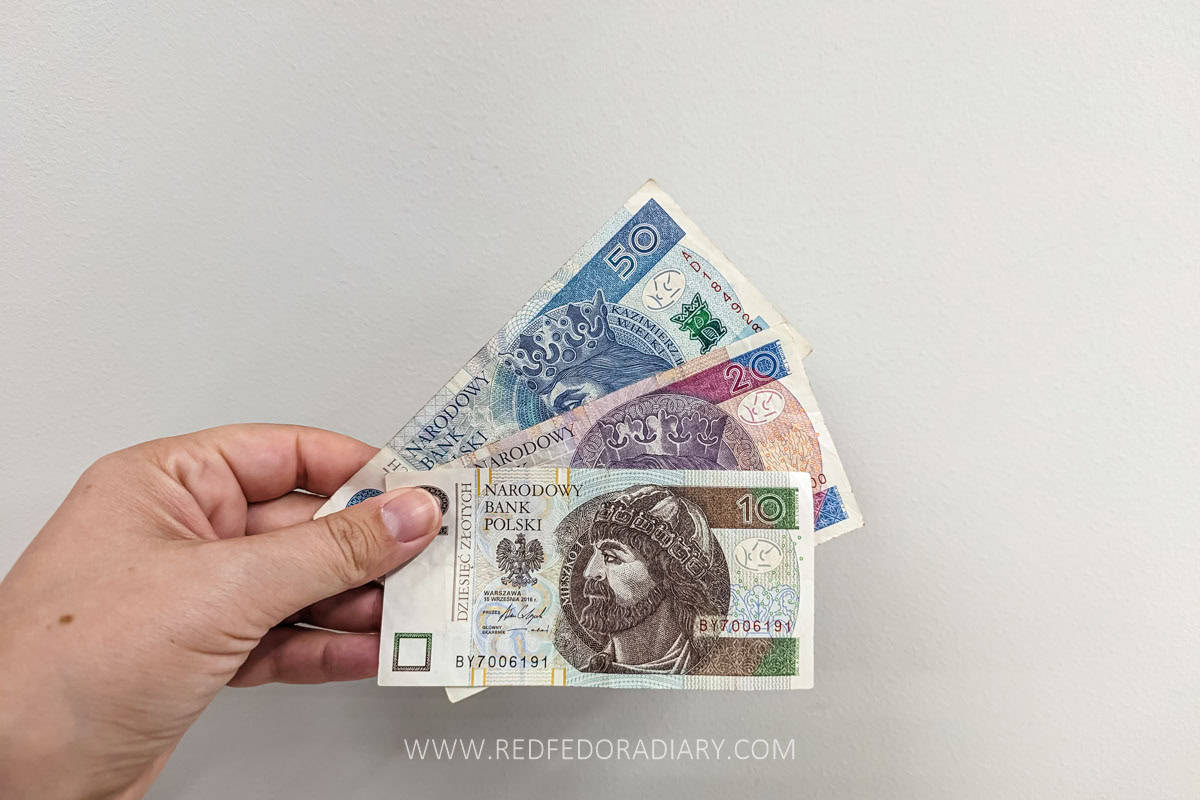
Don’t bring too much cash
You rarely need large amounts of cash. Almost everything — from cafe bills to public transport tickets — can be paid with a debit or credit card. Ticket machines at bus and tram stops usually also accept cards.
During our last visit, I only needed cash twice: once to pay for luggage storage at Kraków’s central train station (card payment wasn’t available) and once for a small local bus from Tarnów to Zalipie village.
I typically use the Wise debit card to make card payments and withdraw money in local currency without hidden fees.
Exchange all your money when you find a reasonable exchange rate
If you bring cash, look for Kantor exchange offices — they’re easy to find in every city and tourist area. Rates can vary significantly between cities, so if you find a reasonable exchange rate, consider exchanging your money there.
We once found the best rate at Sopot’s train station, but decided to wait — only to regret it later when other cities offered lower rates. Even slight differences can add up to the cost of two plates of pierogi and a couple of beers!
Expect most shops to close on Sundays
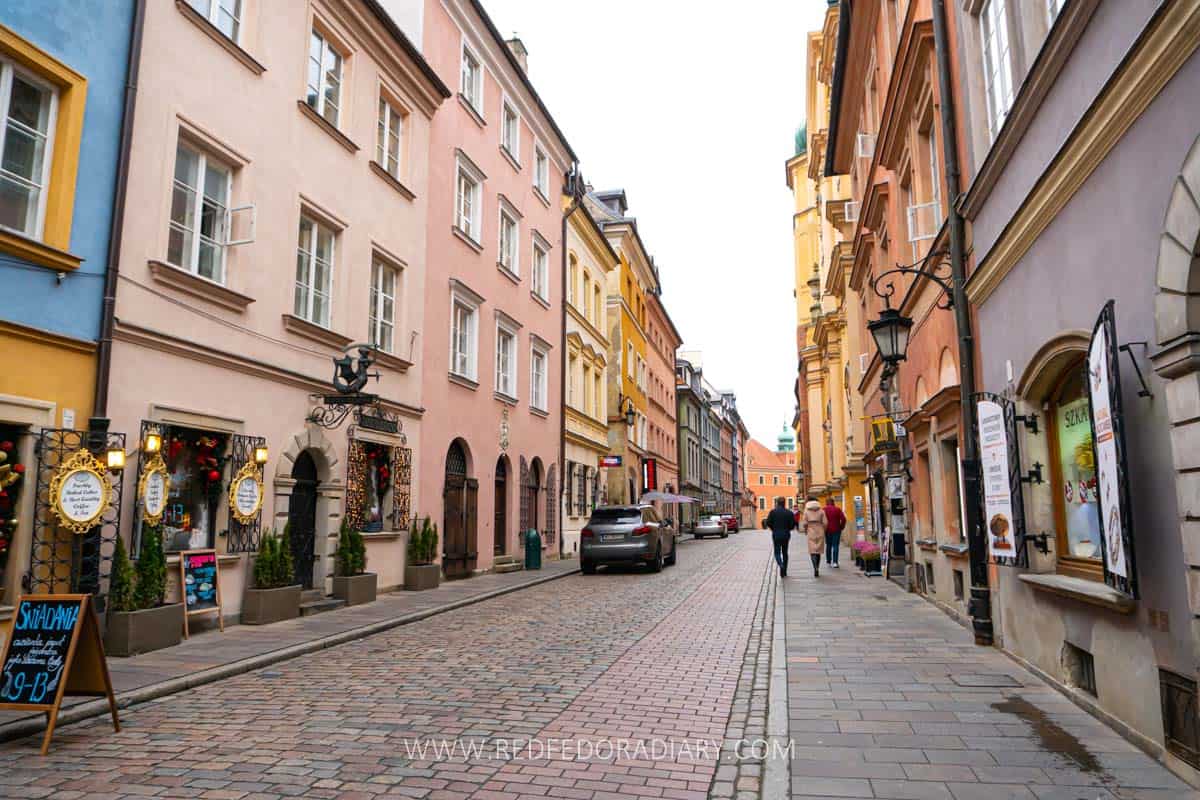
Most shops are closed on Sundays. We learned this the hard way after arriving in Gdańsk late on a Saturday without any local cash — and discovering that nearly everything was shut the next day.
The exception is Żabka, a local convenience store chain that’s open daily from early morning until late evening, including Sundays. You’ll find them everywhere — sometimes two on the same street.
Use trains for intercity travel
Poland’s train network is excellent — reliable, affordable, and comfortable. Trains run frequently from early morning until late at night and are generally faster than buses. They’re my favorite way to travel between major and small cities.
Buy public transport tickets in advance
Most cities have ticket machines at bus and tram stops, and some vehicles also have machines on board. Still, they’re not always guaranteed.
If you plan to use public transport frequently, consider buying a few tickets in advance to avoid the hassle and fines.

English is widely understood in tourist areas
While many Poles — especially younger people — understand English, not everyone speaks it confidently. In big cities and tourist areas, communication won’t be a problem, but in smaller towns or local restaurants, you might need to use gestures or Google Translate.
Learn a few words in Polish
Poles truly appreciate when visitors try to speak a few words in their language — even imperfectly. It shows respect and always earns a smile.
- Hello / Good day: Dzień dobry (Jen doh-bri)
- Thank you: Dziękuję (Jen-koo-yeh)
- Please: Proszę (Prosheh)
- Yes: Tak (Tahk)
- No: Nie (Nyeh)
Don’t drink alcohol in public
Drinking alcohol in public places is illegal in Poland. You might see locals sipping beer outdoors, but it’s technically not allowed — and fines are possible.
I absolutely loved this post! Poland looks stunning in winter, and your tips on where to go and what to do are super helpful. I’m especially intrigued by the suggestions for Zakopane and the Christmas markets. Can’t wait to plan my trip!