
Georgian Tea: History, Tea Regions & Plantation Visits
Georgia, a small country in the Caucasus, often goes unnoticed in discussions about tea production. The exquisite taste of Georgian tea remains unfamiliar to many, even though its cultivation dates back to the 19th century.
Remarkably, Georgia held the esteemed position of being the world’s fourth-largest tea producer for several decades. However, the past 30 years have witnessed significant political and social changes that have reshaped the country’s tea industry.
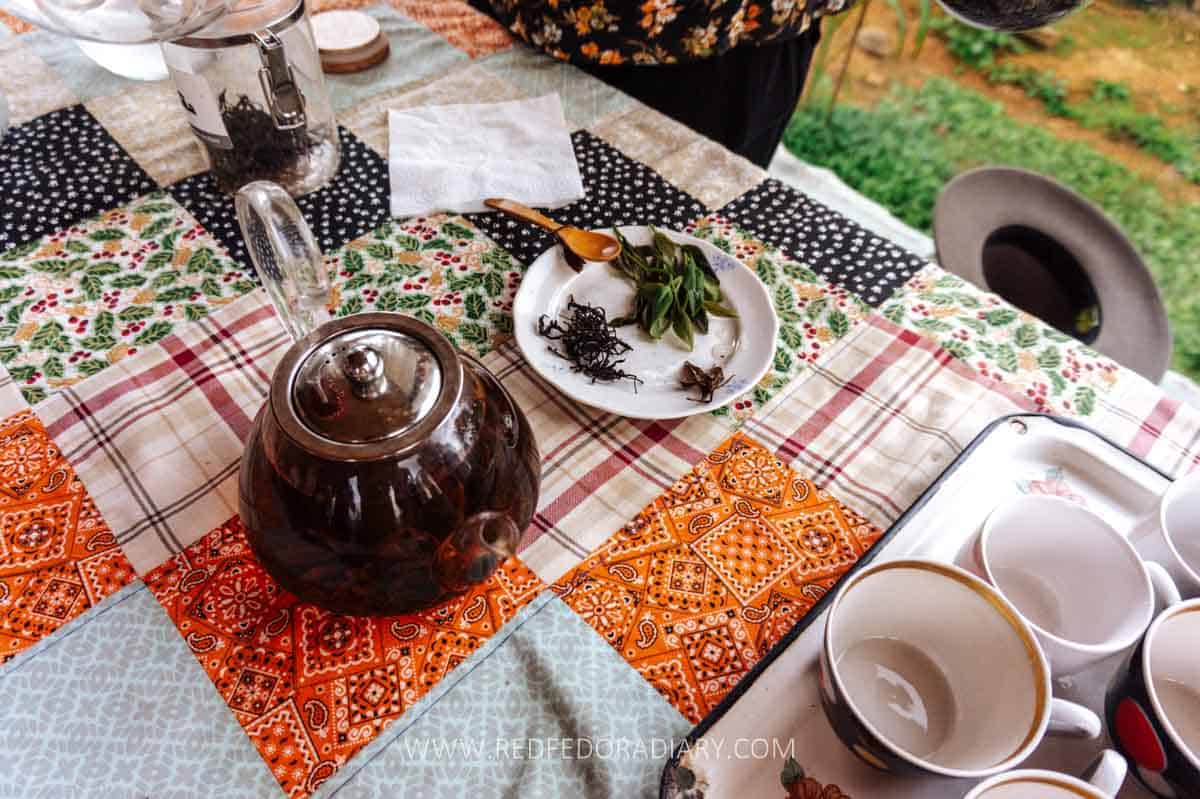
Now, a wave of determined entrepreneurs, both big and small, are tirelessly working to revive the vanishing traditions of tea culture in western Georgia.
This post dives deep into the history of Georgian tea from the start of the 19th century to the present day. I also discuss why Georgia is an ideal place to grow tea, the industry’s rise and fall moments, and its slow rebirth.
At the end of the post, you’ll find a few Georgian tea companies and where to buy them locally and abroad.
Georgian tea trip planning snapshot
- Best regions for tea travel: Guria, Adjara, Samegrelo, and parts of Imereti
- Best time to visit: Late spring through early autumn (May–September)
- What to expect: Tea plantations, tastings, abandoned Soviet-era factories, and small artisanal producers
- Getting around: Many tea-growing areas have limited public transport, so renting a car or joining a tour is recommended
- Organized tea tours: For easier access to tea plantations and lesser-known tea-growing regions, Timothy’s Tours can arrange custom experiences across Georgia. Mention Red Fedora Diary when contacting to receive 10% off.
The history of Georgian tea – the very beginnings
The tradition of Georgian tea predates the introduction of the tea plant Camellia Sinensis. Potentially drawing inspiration from the Silk Road’s tea traders, Georgians have enjoyed a diverse array of botanical teas derived from the bountiful forests and meadows.
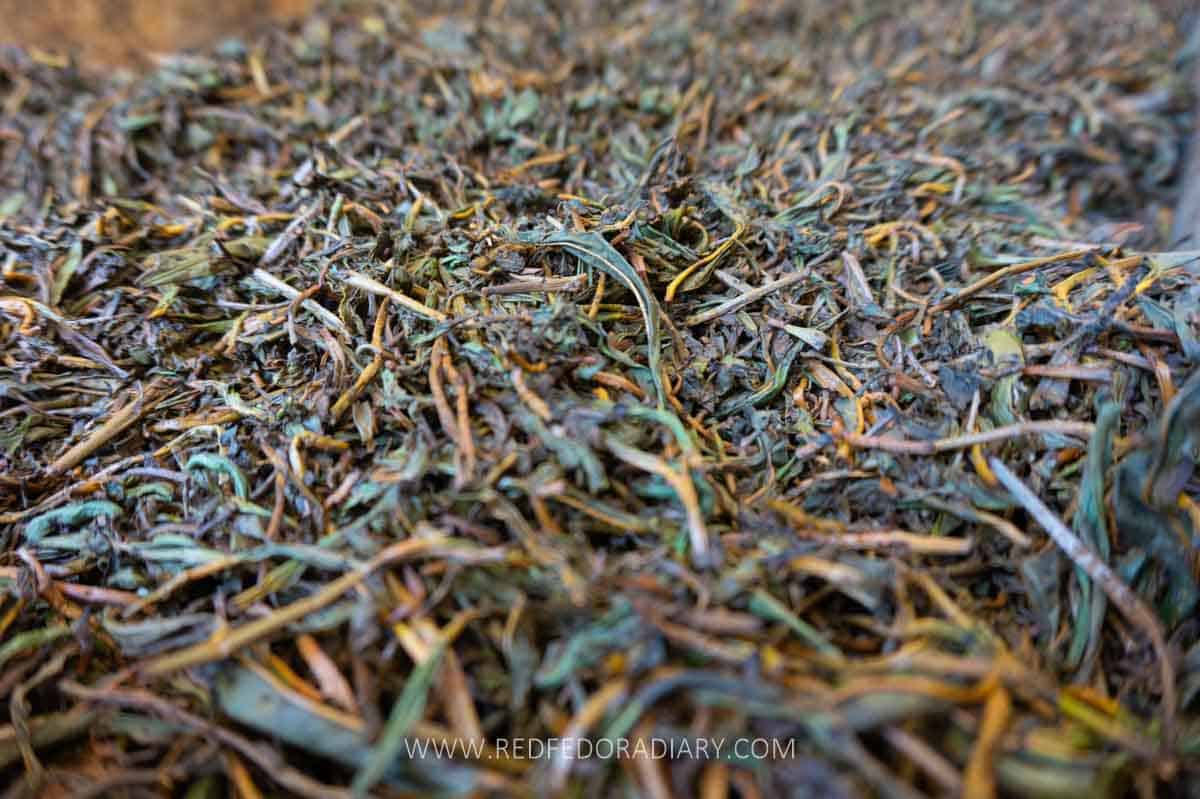
Throughout ancient times, communities have skillfully hand-rolled and fermented teas from the leaves of wild blueberry bushes, also known as European bilberry and Caucasian whortleberry, which thrive in mountainous terrain.
Additionally, a rich assortment of plants, including Rhododendron leaves, blackberry leaves, wild mountain thyme, rose hips, hawthorn berries, sea buckthorns, young mulberry leaves, various types of mint, and many other wild botanicals, were utilized in tea-making. The exact origins of Georgian mountaineers’ fermentation of these fruit leaf teas remain uncertain, but it likely predates tea cultivation in Georgia.
The arrival of the tea bush in Georgia
The story of traditional Georgian tea begins in the western region of Guria, nestled along the Black Sea coast. In 1809, Prince Mamia V Gurieli introduced the first tea bushes as decorative plants in his royal garden, marking the humble beginnings of tea in the country.
At this time, Georgia was already part of the Russian Empire based on the Giorkievsky Treaty signed in 1783.
Between 1790 and 1890, the volume of Russian tea imports surged from approximately 113,398 kg per year to an astounding 32,658,650 kg per year. Consequently, the revenue generated from duties imposed on these tea imports accounted for a quarter of Russian customs revenue.
This presented Russia with a challenging predicament. The demand for tea rapidly expanded while China aggressively grew its European tea trade.
The Russian Empire established experimental tea fields in various southern regions to secure a reliable, independent tea supply. The first attempt at tea cultivation using Chinese tea seeds was made in Crimea, Ukraine, in 1814. However, the region’s weather conditions proved unsuitable for the plant’s growth.
Sometime in the 1830s, another Georgian prince, Mikheil Eristavi, traveled across China and encountered tea there.
Enthralled by its flavor, he decided to bring back some seeds to Georgia. However, during that period, the export of tea seeds from China was prohibited.
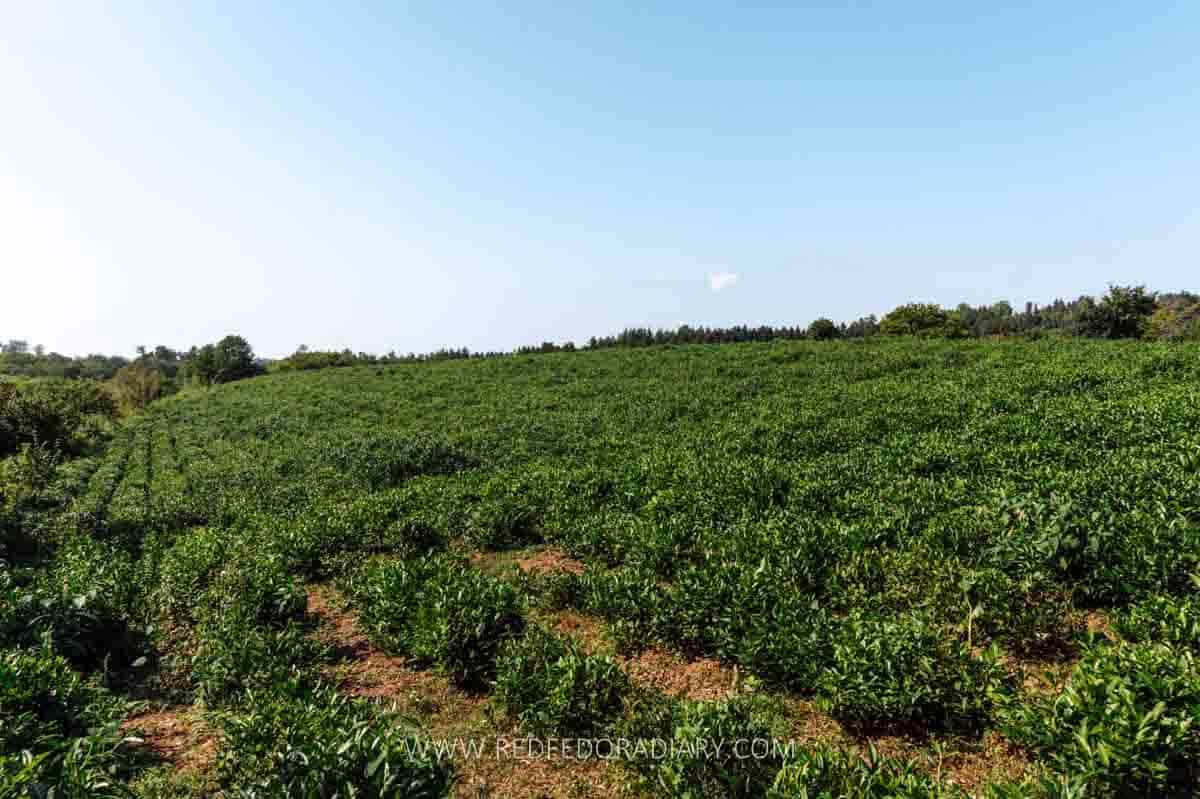
According to some sources, the Prince smuggled the seeds from China concealed within bamboo shoots and successfully established the first tea plantation in 1847 in the small village of Ozurgeti Municipality, Guria.
In 1864, he proudly presented samples of his Georgian tea at the Russian Agricultural Exhibition held in St. Petersburg.
After trying his tea samples at the expo, the Empire considered exploring the subtropical climate of the Black Sea region to solve its ‘tea problem.’ However, it didn’t provide financial support for Eristavi’s tea plantation.
Russian Imperial scientists extensively researched Georgia’s most suitable tea varieties and cultivation methods.
It wasn’t until approximately 46 years later that the industrial production of Georgian tea began to take shape.
Plan Your Trip to Georgia Like A Pro
The help of Chinese tea specialists
Russian tea merchant Alexander Popov made the first serious investment in 1892 and established tea plantations spanning approximately 300 hectares in the Adjaran village of Chakvi.
Recognizing the potential of the country’s warm climate in the hills of western Georgia for cultivating exceptional tea, he invited a 23-year-old Chinese tea specialist, Lau Dzhen Dzhau, from Zhejiang province, to assist with tea cultivation in Georgia.

A group of tea farmers led by Lau set up a base in a charming house in Chakvi on the Black Sea coast, working diligently to improve the quality and efficiency of Georgian tea production. His house still stands abandoned at the beach that you can easily visit from Kobuleti or Batumi.
“Twenty-eight Chinese men bringing 700 tea seeds arrived in Chakvi to work at Popov’s estate. Chong-Chau-Lau, a tea-grower well-known in China, came together with them to oversee the cultivation process.”
Iveria newspaper, June 20, 1897
The discovery of Georgia’s ideal climate for tea production proved invaluable, as it eliminated the costly transportation of Chinese tea through Siberia for the Russian Empire, establishing Georgia as the thriving hub of the region’s tea trade.

The quality of Georgian tea created by Lau and his team was even acknowledged with a gold medal at the Paris World Expo in 1899, solidifying its reputation on the international stage and also captivating the attention of the Russian royal family.
The tea enamored the Russian royalty so much that they offered Lau the chance to work exclusively for them. Accepting the proposal, Lau became the preferred tea expert, leading to Popov’s ousting from the Georgian market.
This transition led to the construction of new factories, the expansion of plantations, and a substantial increase in production.

Why Georgia is ideal for tea
The distinct character of Georgian tea is shaped by its geographical location, climatic conditions, and the significant temperature fluctuations experienced between summer and winter.
These natural factors eliminate the need for pesticides and herbicides, making Georgian tea environmentally pure and less exposed to pollution.
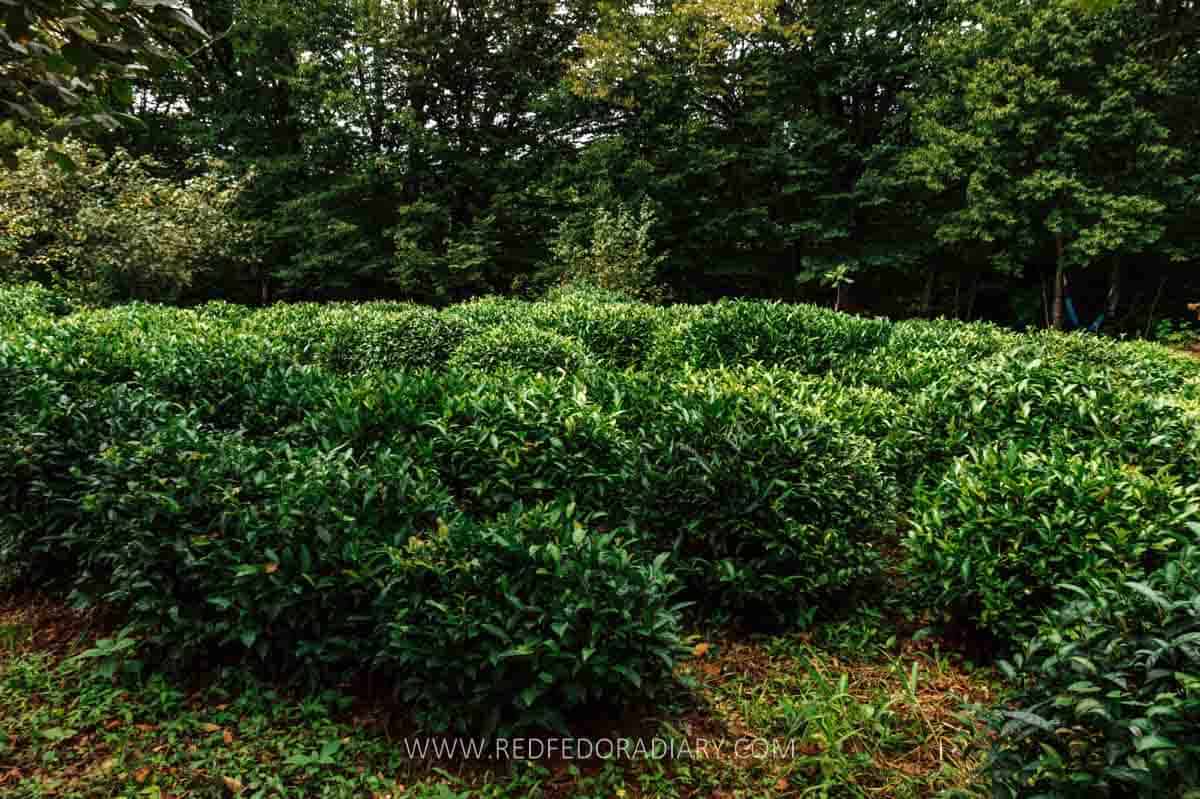
The abundance of sunny days in Georgia, coupled with an optimal average annual temperature of +12.5 to +14.7 C (54.5 to 58.46 F), creates favorable conditions for the growth of tea leaves.
The subtropical climate further enhances leaf quality. The notable contrast between daytime and nighttime temperatures during the emergence of tea shoots triggers the production of aromatic compounds in the delicate sprouts, resulting in a unique and complex aroma found only in Georgian tea.
Cool nights and long winters result in slower growth than the sun-drenched tea plants in tropical regions. Moreover, these cold winters and snow favor plants, as they kill tea pests naturally.
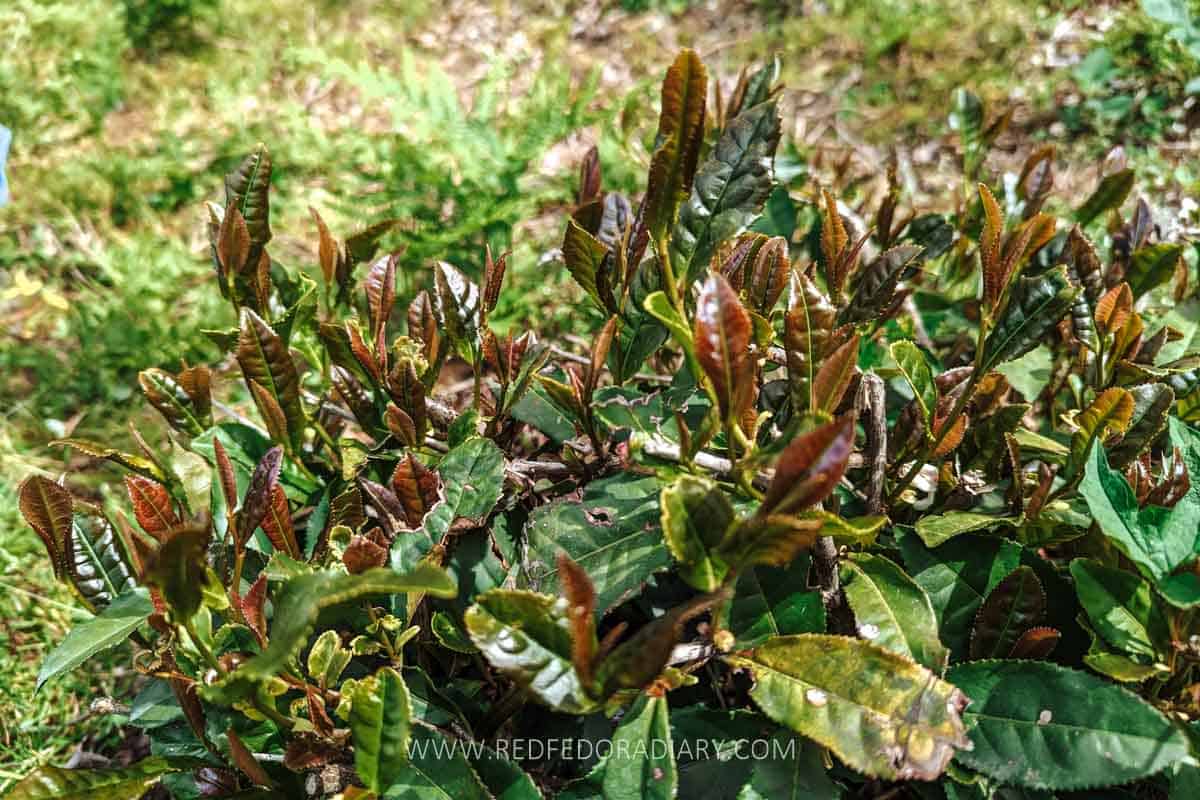
This slower growth contributes to the distinctive sweet and mellow flavor of Georgian tea.
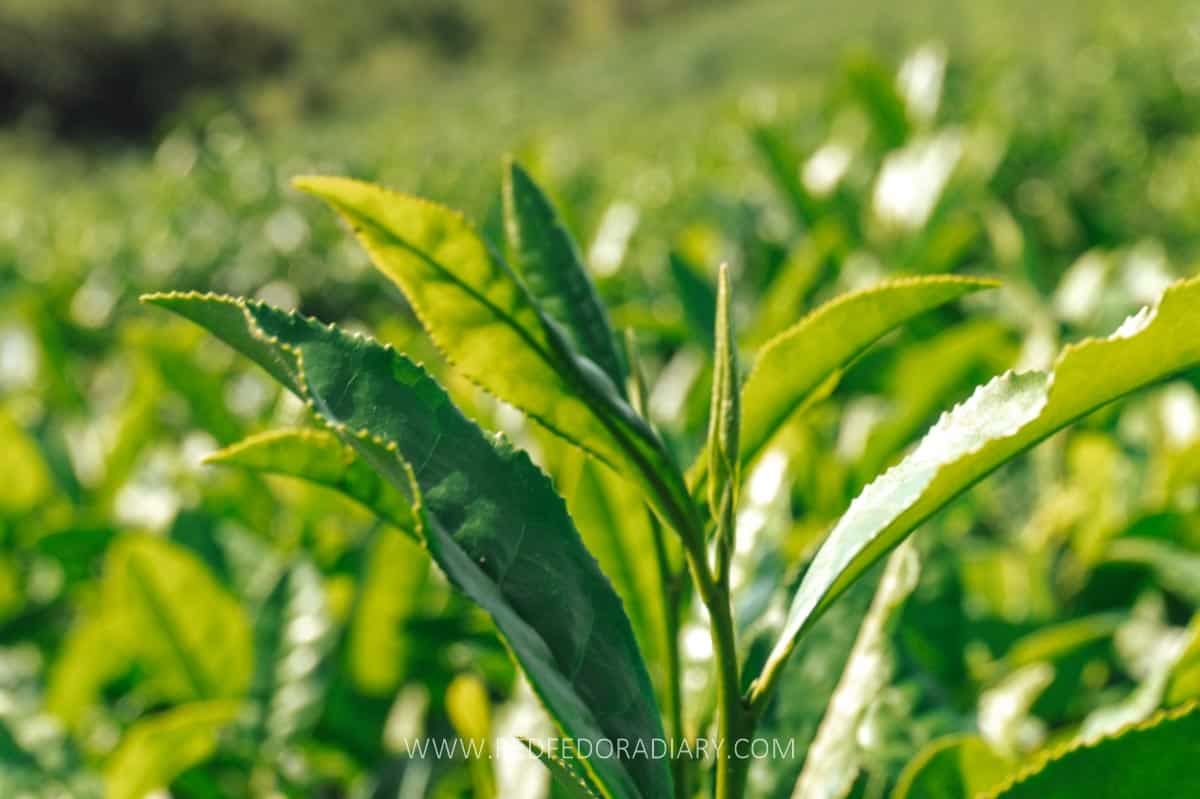
In general, high-quality tea is made from the delicate top two leaves and a bud of the tea plant, which are carefully hand-picked and then subjected to a meticulous process of slow processing and drying.
As a side note, there is no green or black tea bush. One tea plant produces green, black, and white teas based on the production process.
The history of Georgian tea during the Soviet Union
Fast forward a few decades, and following the Russian Revolution in 1917, the Soviet Union took over Russia and annexed several states, including Georgia. This marks the new era for Georgian tea.
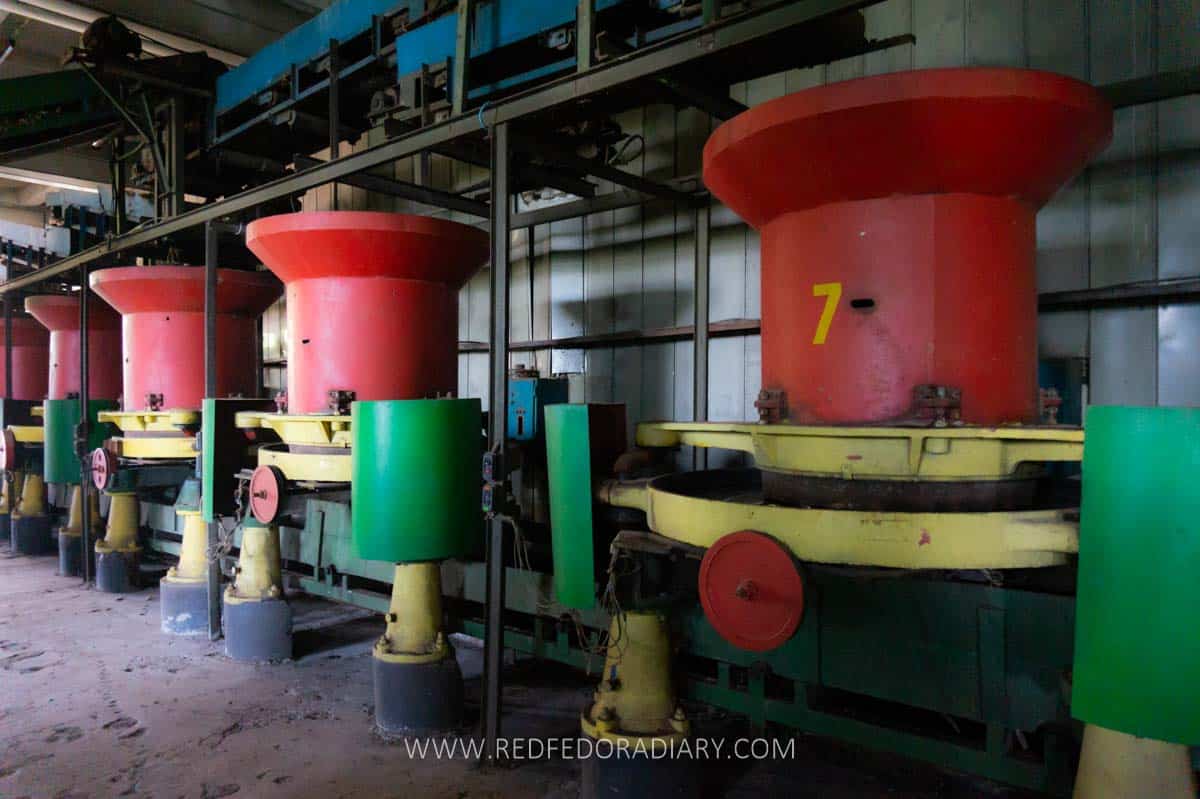
The Soviet government implemented collectivization of the plantations and prioritized mass production, focusing more on quantity than quality.
With significant investment and mechanization, the sector experienced substantial development. Large machinery replaced traditional hand-plucking methods, and tea emerged as one of the primary crops in western Georgia.
This naturally led to the establishment of numerous tea plantations and factories in additional regions of western Georgia, including Guria, Samegrelo, and Imereti.
The local population alone was insufficient to meet the demand for labor, resulting in the resettlement of families from other parts of Georgia to these regions for employment opportunities.

Throughout the 70-year Soviet Union’s dominance in Georgia, the tea industry provided full-time or part-time jobs to approximately 180,000 individuals.
As a result, Georgia became the primary tea supplier to the vast Soviet market. At its peak, tea plantations in Georgia covered around 160,000 hectares by the 1950s, solidifying Georgia’s position as the USSR’s largest tea producer.
By the 1980s, the Georgian Soviet Socialist Republic was the world’s fourth-leading tea producer. It accounted for 95 percent of the Soviet Union’s tea supply, making it the dominant contributor by weight.
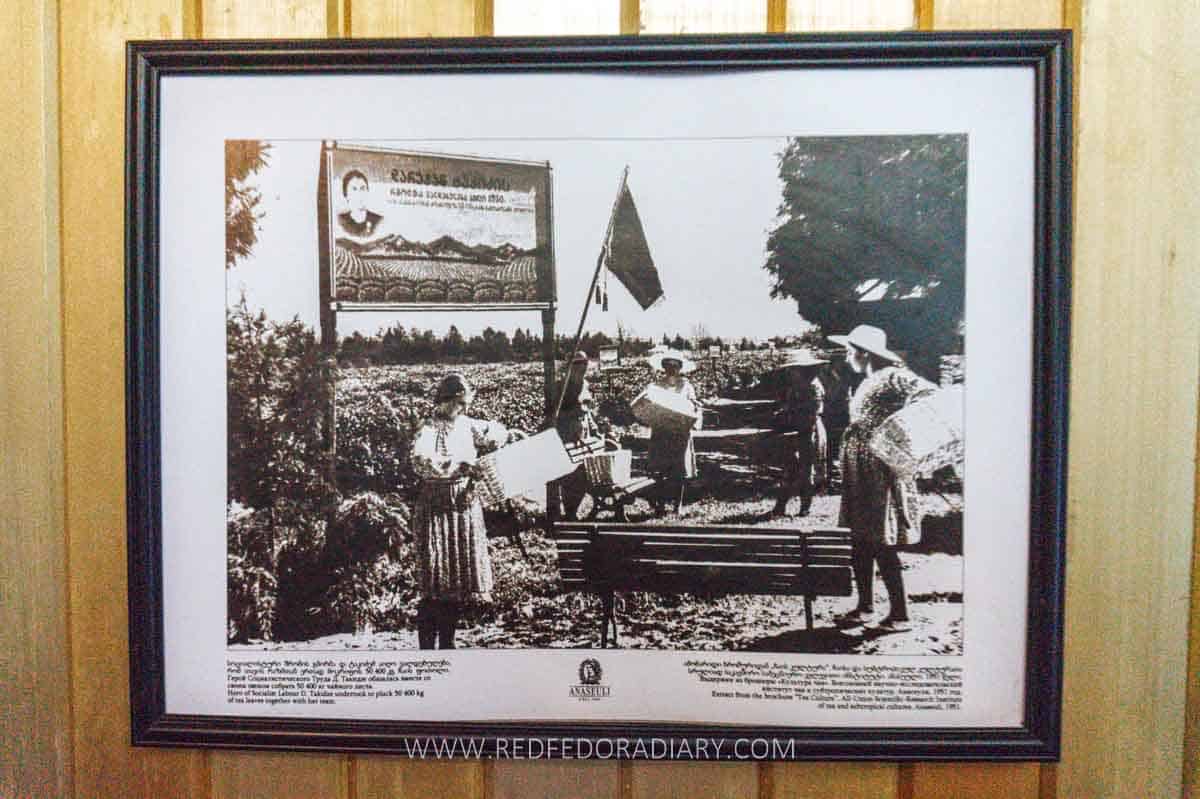
Georgian black tea gained widespread recognition as it was exported throughout the USSR from Leningrad to Vladivostok. Meanwhile, Georgian green tea was popular in Central Asian Soviet republics, such as Uzbekistan and Kyrgyzstan.
However, amid this intense industrialization and the use of pesticides to maximize yields, the exceptional flavor and quality that had characterized Georgian tea began to diminish.
Georgian tea cultivar
The Georgian tea cultivar is a hybrid of Indian and Chinese tea plants created in 1941.
The Georgian tea plant has a densely branched stem with light green, oblong-oval, short-stalked leaves. The flower is white or pink.
Tea leaves contain a large amount of caffeine, tannin, vitamins, essential oils, and extracted substances.
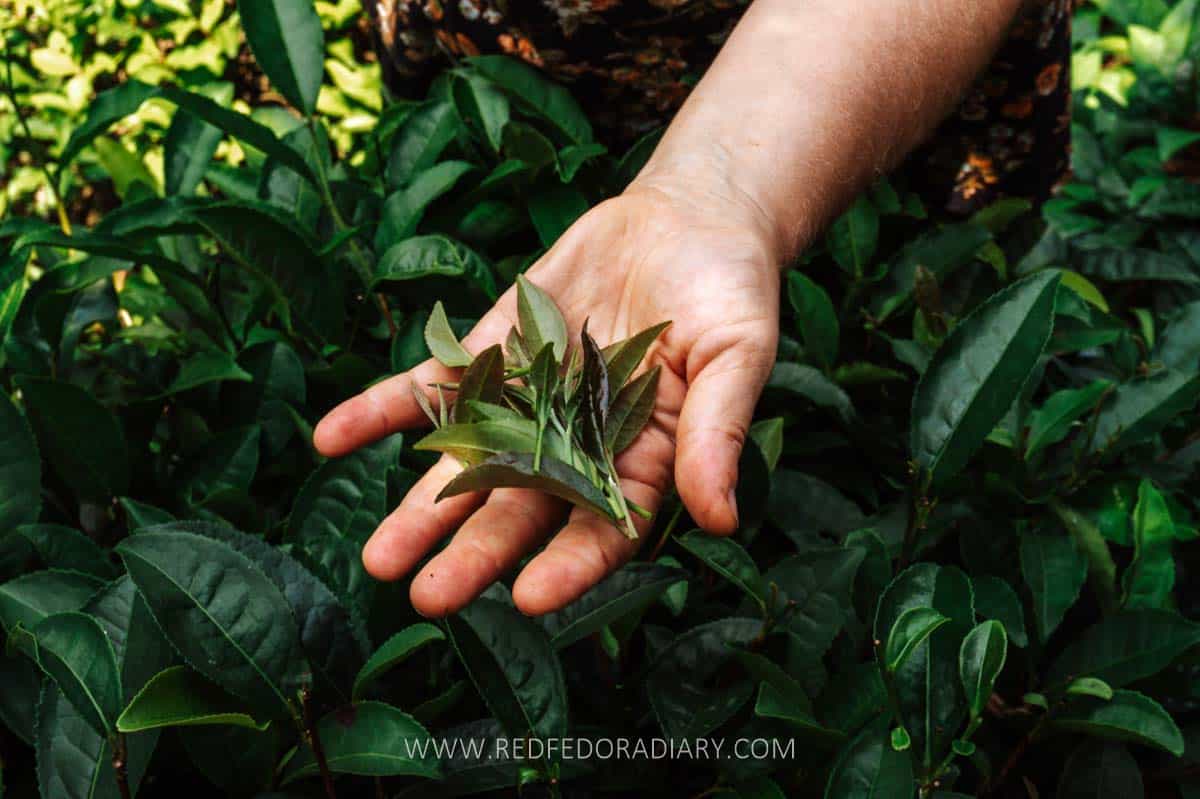
Ksenia Bakhtadze, a female scientist, created 16 Georgian tea varieties and grouped them into three groups:
- Group I tea cultivars are excellent in southern and relatively warm northern regions where temperatures don’t drop below 8 C.
- Group II comprises winter-hardy hybrids of large-leaf tea cultivars that can withstand frost down to minus 15 degrees.
- Group III includes the most robust winter-hardy hybrids with medium-sized leaves that can grow in northern, mountainous, and cold southern regions.
From these variations, Georgian N1 and Georgian N2 were the most popular tea cultivars from group I.
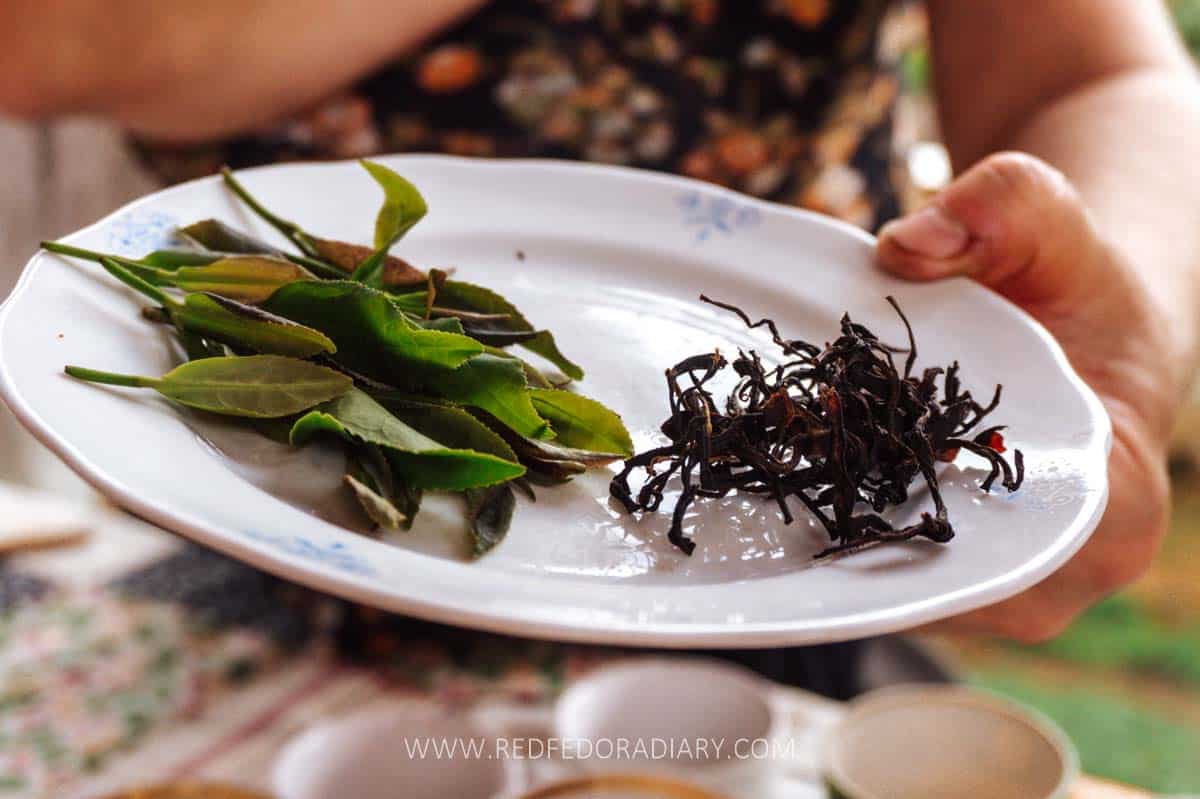
Georgian N1 is a hybrid of Indo-Chinese tea and large-leaf Chinese tea. It is a vigorous plant and yields 30% more than other cultivars.
Georgian N2 is a hybrid of Chinese tea. It is stronger than Georgian N1 and yields 15-30% more than other cultivars. Compared to Georgian N1, it is more frost-hardy and can withstand temperatures down to 10 degrees.
The decline of the Georgian tea industry
Regrettably, the advancements in tea production introduced by the Soviet Union also propagated the decline of Georgian tea. The relentless emphasis on quantity over quality within the planned economy damaged the reputation of Georgian tea, which relied solely on the domestic market.
Following the dissolution of the Soviet Union, the Georgian tea industry declined, losing its status as the USSR’s primary exporter.
The lack of understanding of how to navigate a market economy proved detrimental to most factories and cooperatives, leading to their downfall.
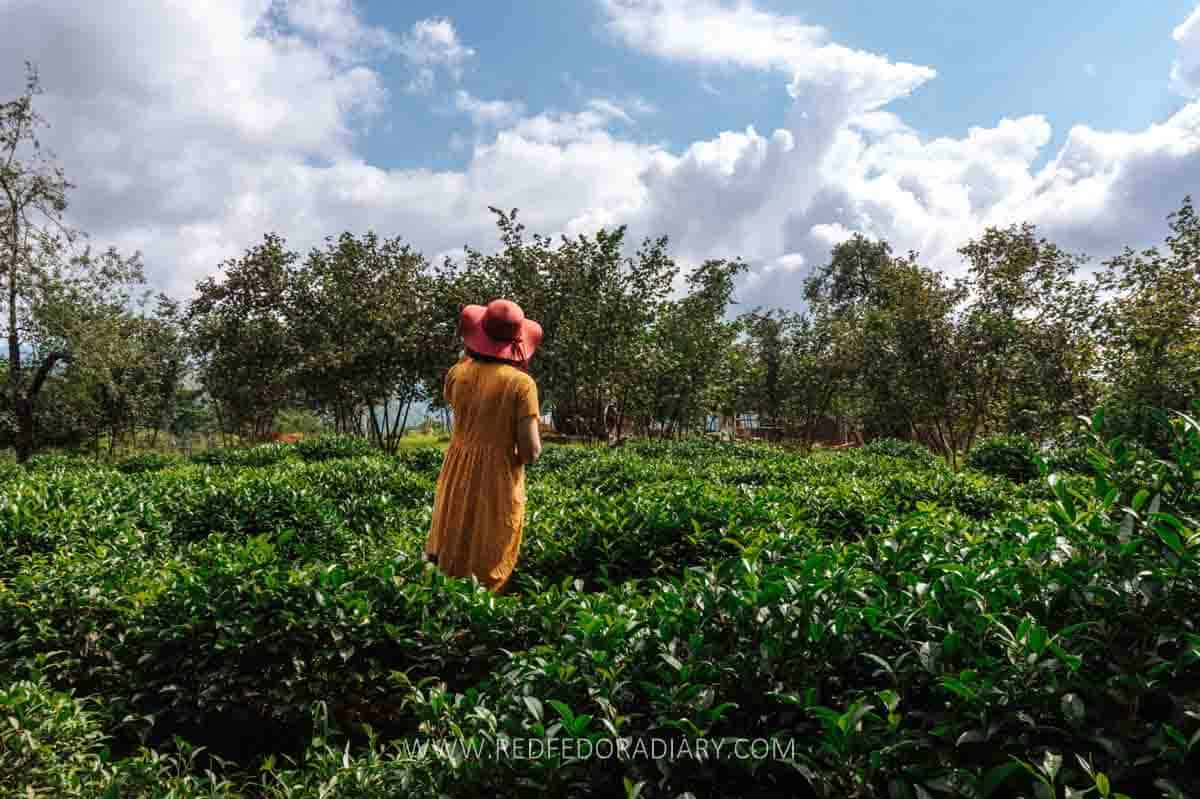
Plantations were left untouched, and factories stood abandoned for years, symbolizing a challenging period for the once-flourishing industry.
The turbulent period of Georgia’s civil war from 1991 to 1994 further exacerbated the situation. Tea factories and machinery were dismantled and sold as scrap metal due to the prevailing struggle for survival.
The Georgian tea industry never saw attention, even after the country became somewhat stable in the late 1990s and early 2000s. By 2014, tea production had significantly declined to only 1,800 tons, representing a staggering decrease of almost 99 percent from the industry’s highest point of 152,000 tons in 1985.
Dilapidated factories and vast expanses of tea bushes, entangled with ferns, still serve as haunting remnants of a bygone era when a prosperous industry flourished and provided employment opportunities for many in rural areas.
Only a handful of skilled artisanal tea makers preserved the rich heritage of producing high-quality tea.
Tour Georgia’s Tea plantations
Some former Soviet-era tea factories, overgrown plantations, and small family-run tea farms can still be visited today, especially in Guria and Imereti. If you’re interested, it’s possible to arrange bespoke tea-focused one- or multi-day trips and plantation visits across western Georgia through a friend of mine, Timothy’s Tours. When contacting Timothy, mention Red Fedora Diary and get 10% off.
Rebirth of Georgian tea
In recent years, Georgian tea production has experienced a remarkable resurgence, thanks to the efforts of artisanal tea growers, small and medium-sized enterprises (SMEs), and large-scale factories. Today, local tea proudly shares shelf space in Georgian shops alongside well-known international brands.
In 2011, Shota Bitadze established the Georgian Organic Tea Producers Association (GOTPA) to revitalize tea cultivation in Georgia by prioritizing quality in varieties, cultivation techniques, technologies, and production.
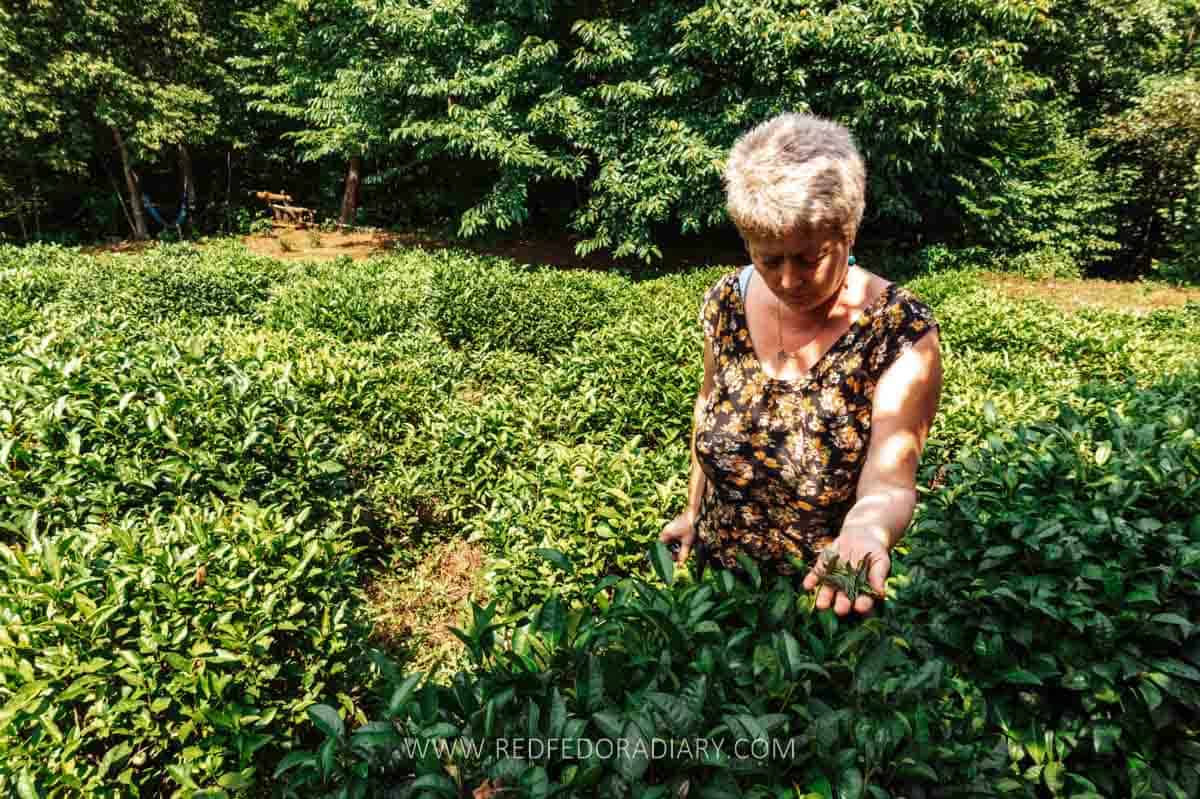
With 12 dedicated families, GOTPA has made significant strides in its mission. In 2016, their wild black tea received multiple accolades at the Tea Masters Cup International in Seoul, including recognition for its exceptional aroma, taste, and aftertaste.
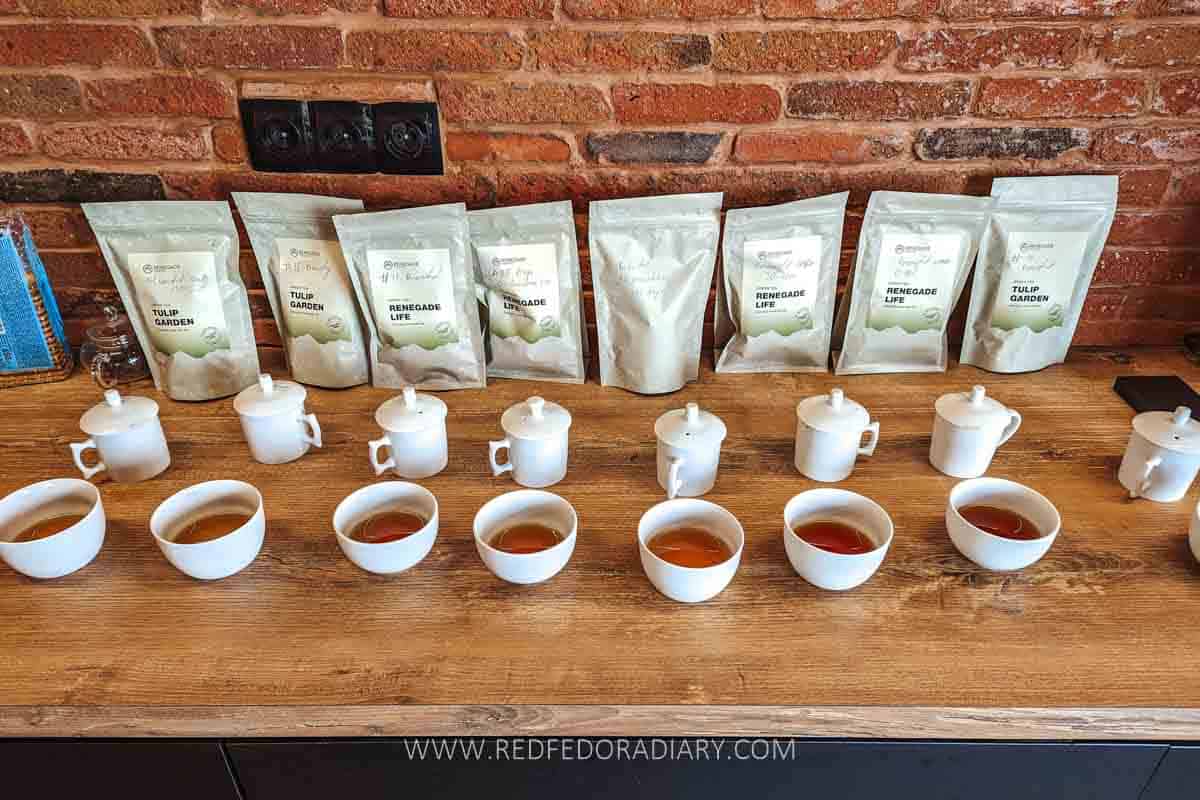
In 2017, Lithuanian and Estonian former corporate workers embarked on a mission to revive a former Soviet tea plantation near Kutaisi and established Renegade Tea Estate.
With a bold and innovative approach, the company is known for its unique, artisanal-quality teas. They prioritize sustainability, employing organic and eco-friendly practices throughout their tea production process.
In 2018, Ozurgeti City Hall launched the Tea Route program with support from international financial institutions to restore the region’s tea tradition, attract visitors to the less-explored Guria region, and generate income for local families.
The project involves individual tea farmers who open their plantations to guests. Visitors can visit the tea farms, savor authentic local cuisine, indulge in tea tastings, and learn about the fascinating history of Georgia’s tea production.
If you’d like to visit tea plantations in Georgia but don’t want to handle the logistics yourself, my friend Timothy’s Tours organizes private and small-group tea-focused tours across western Georgia, including Guria, Imereti, Adjara, and Samegrelo regions. When contacting Timothy, mention Red Fedora Diary and get 10% off.
Otherwise, DIY your visit to the farms along the Tea Route project, such as Lika Megreladze’s small tea plantation and guesthouse nestled within her ancestral house, Komli, in the village of Tsitelmta. Lika hand-rolls the tea leaves, ensuring a personalized touch.
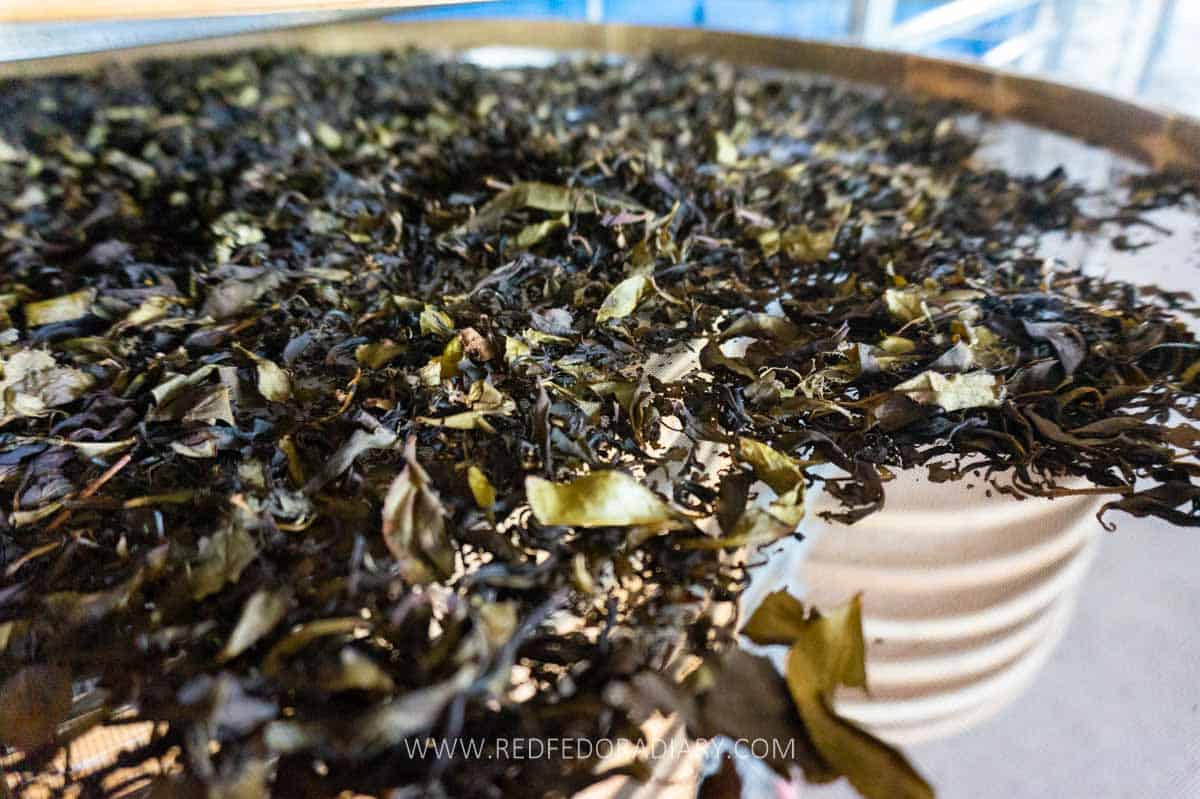
Another tea producer of the Tea Route is David Teneishvili, the founder of Bakhvi Tea Estate. David is also part of Shota Bitadze’s GOTPA, whose family-owned small enterprise in the village of Bakhvi utilizes machinery for tea production.
Natura Tea Company boasts a modern factory in the village of Gurianta, which is also part of the Tea Route. Among these companies are small, family-run artisans that produce traditional Georgian and botanical teas.
Georgian tea production now – the stats
Georgian tea is seeing a slow comeback in local and international markets. According to 2021 statistics, the country exported 2,439 tonnes of tea.
The largest export destinations for Georgian tea were Azerbaijan, Turkey, Mongolia, Belarus, Turkmenistan, Kazakhstan, Ukraine, Russia, Uzbekistan, and Estonia.
Small quantities of tea were also exported to Czechia (Czech Republic), Germany, Taiwan, Tajikistan, Canada, Israel, France, Armenia, Moldova, Poland, the USA, and other countries.
Georgian tea-making process
The processing of Georgian tea involves withering, rolling, oxidation, and drying, with variations in methods depending on the desired tea type. Georgian tea offers diverse flavors to explore, from delicate white and floral green to rich black and oolong.
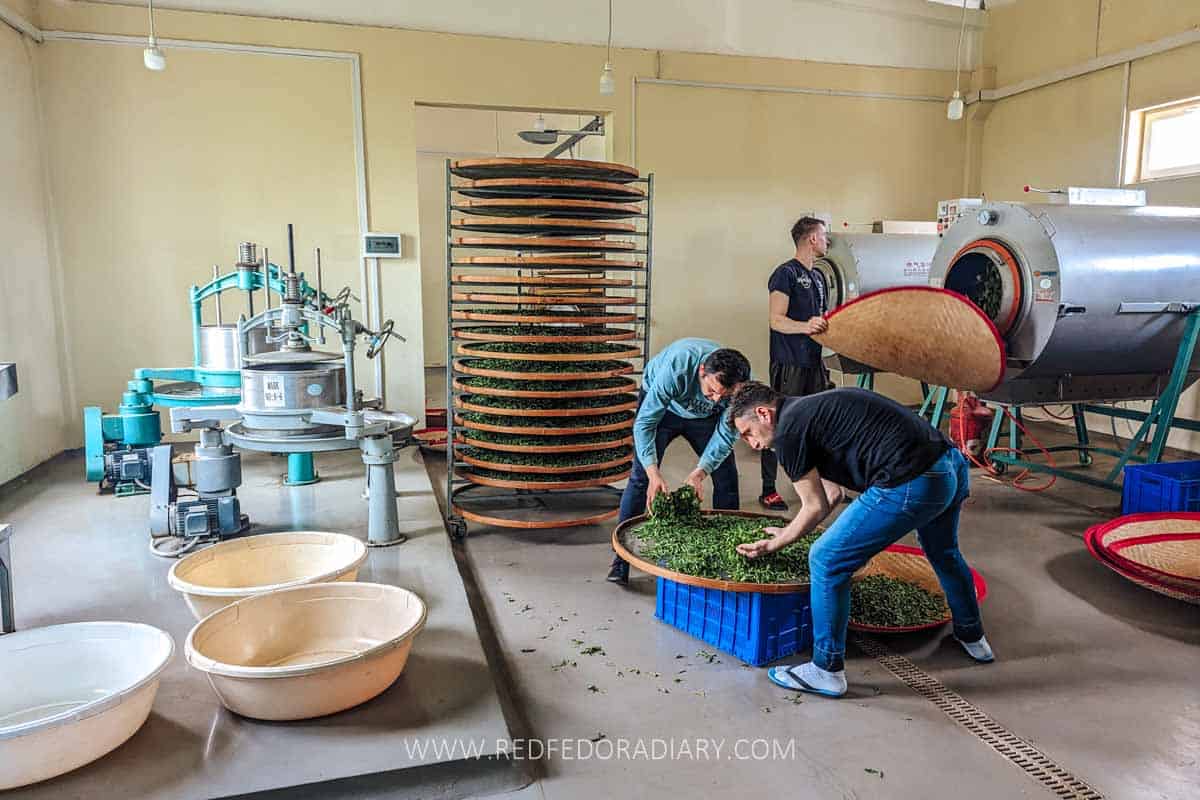
Georgian tea production is characterized by its artisan nature, with small-scale tea estates focusing on sustainable practices, preserving the natural environment, and supporting local communities.
Georgia tea company list
While there might be more than 30 big and small Georgian tea companies, I’ll list some of the best-known and most artisanal ones, as well as those I have tried or met with the farmers.
Gurieli Tea is probably the most recognizable Georgian tea company, available in many shops and supermarkets nationwide.
Founded in 2008, the company did not produce its first mass-produced loose-leaf and bagged tea packages until 2010.
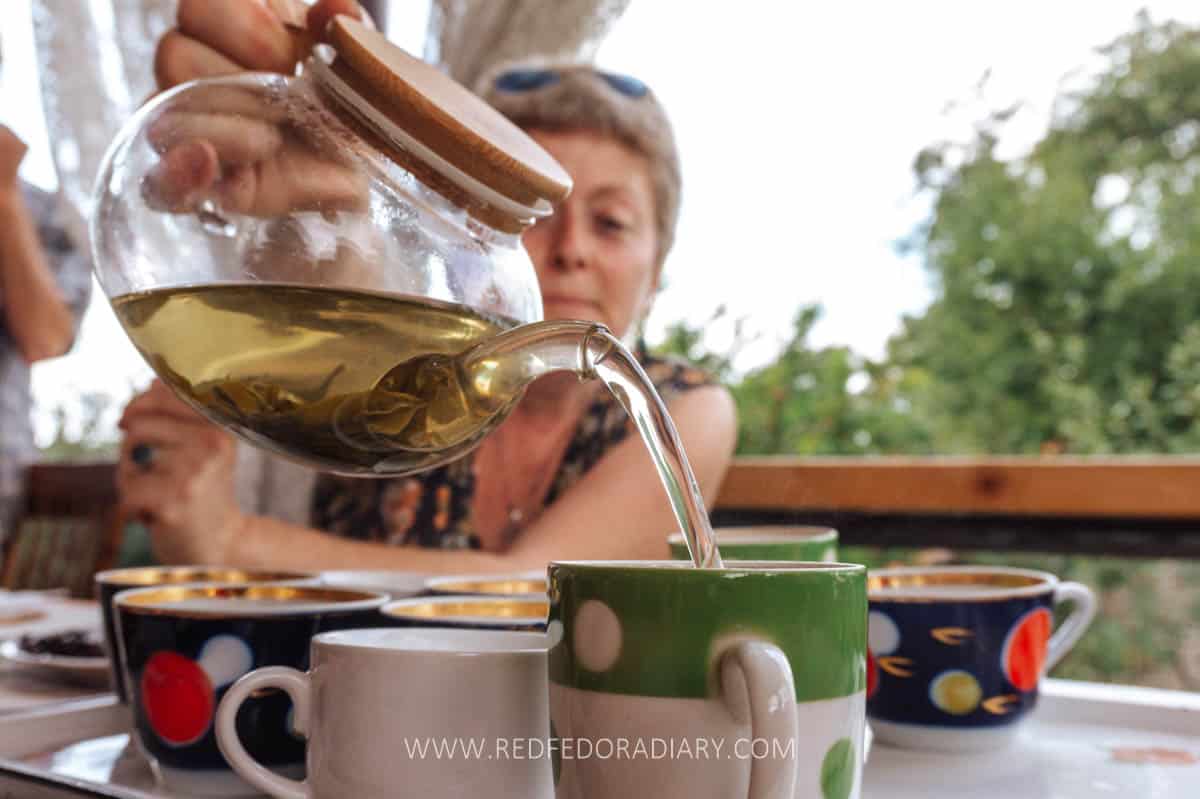
Anaseuli Tea Factory, established in 1935 when Georgia was part of the Soviet Union, is one of the oldest tea production facilities in the country that still operates and supplies local and post-Soviet markets with its teas cultivated on 62 hectares of land. Apart from modern technologies, they still use Soviet-era machinery for their mass-produced tea.
The above-mentioned Renegade Tea Estate focuses on organic teas and produces some of the finest, most flavorful tea assortments at the moment.
MANNA is another Georgian tea company that produces traditional and blended loose-leaf and bagged teas that are also sold in various grocery shops in Tbilisi.
Georgian Tea Limited is another company that produces classic green and black teas that are sold both locally and internationally.
Where to buy Georgian tea in Tbilisi and abroad
Finding Georgian tea might be easy or challenging, depending on the company and your needs. As mentioned above, mass-produced teas such as Gurieli and Anaseuli are widely available at local grocery stores.
The challenge comes if you want to get your hands on artisanal teas. The easiest in that sense is to go to the Tea Museum-Shop established by Shota Bitadze on Tabidze Street near Freedom/Liberty Square, where you can buy organic teas from the GOTPA members.
Europroduct also has a wide selection of Georgian teas that are slightly mass-produced. Renegade Tea Estate sells its teas at its factory or by ordering online. And to learn more about them, you can even visit their farm.
You can also order Georgian black and green teas at the Teamania online shop. Teas from Georgian Tea Limited are available on Amazon. GOTPA teas are also available through the Chai House online shop. And if you are in Europe, Palais Des Thes offers the most extensive selection of Georgian teas available online.
FAQ about Georgian tea
Where is tea grown in Georgia?
Can you visit tea plantations in Georgia?
Yes, several tea plantations and small tea producers across western Georgia welcome visitors. Some places offer tea tastings, plantation walks, and factory tours where you can learn about the production process.
Since many tea estates and former factory areas are spread across rural regions with limited public transport, exploring them is often much easier with an organized tour.
My friend at Timothy’s Tours organizes bespoke tea-focused trips and off-the-beaten-path experiences across Georgia, including visits to tea plantations. Mention Red Fedora Diary when contacting him to receive 10% off your tour.
When is the best time to visit tea plantations in Georgia?
Late spring through early autumn is usually the best time to visit Georgia’s tea-growing regions. The tea harvesting season generally starts in May and can continue into September, depending on the region and weather conditions.
Can you buy Georgian tea outside Georgia?
Yes, although availability varies by country. Some Georgian tea brands export internationally, and you can also find Georgian tea in specialty tea shops and online stores. I have listed some of them above.
In Georgia, tea can be purchased in local markets, specialty shops, and directly from producers.
Is Georgian tea organic?
Many smaller tea producers in Georgia use low-intervention or organic farming practices, partly because numerous plantations were abandoned for years and saw little industrial treatment. However, not all producers are officially certified organic, so it’s worth checking with the brand or farm directly.
Which Georgian tea regions are best to visit?
Guria is often considered the heart of Georgia’s tea culture and one of the most interesting regions to explore for tea-related travel. Adjara and Samegrelo also have historic plantations, while parts of Imereti — including areas around Terjola — are becoming increasingly attractive for tea tourism and small-scale production.