
Essential Spanish Phrases for Traveling
Spain is one of those destinations where everyday interactions quickly become part of the experience—and knowing a few Spanish phrases for traveling makes a noticeable difference from the moment you arrive. Whether you’re asking for directions, ordering food, or just greeting someone, even a small effort goes a long way.
You don’t need to be fluent or dive deep into learning Spanish before your trip. I’ve found that focusing on essential Spanish phrases and a few basic words goes much further than memorizing everything at once.
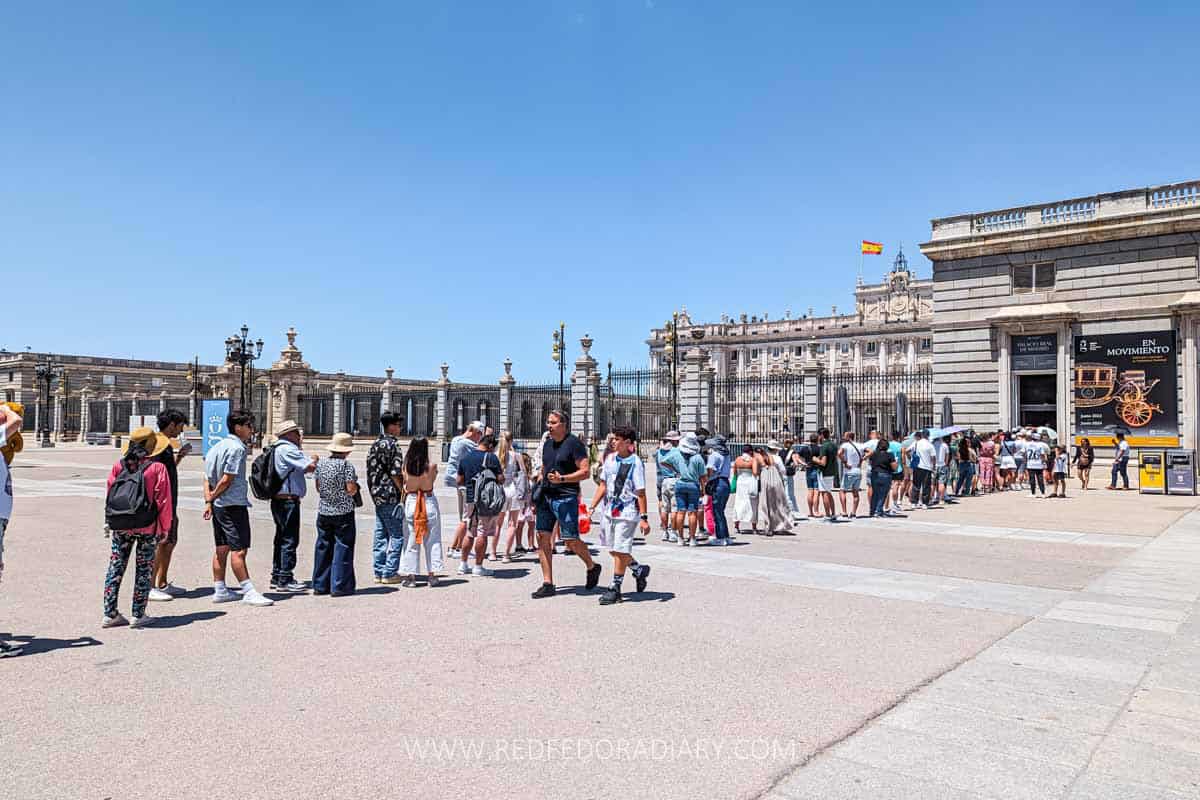
Spain itself is incredibly diverse—not just in landscapes and cities, but in how the language is spoken and used day to day. This Spanish-speaking country has regional differences, but Castilian Spanish is widely understood. You’ll also notice similarities across Latin America and even parts of South America. Once you pick up a few basic Spanish words, you can use them across multiple destinations.
It is one of the most widely spoken languages in the world, with hundreds of millions of speakers globally. In practice, knowing common Spanish phrases helps you handle everyday situations more confidently, avoid misunderstandings, and have more natural interactions—especially outside major tourist areas where not everyone will confidently speak English.
The goal here isn’t perfection. It’s to learn enough to navigate real situations and feel more comfortable. Below, you’ll find a practical list of important Spanish phrases you’ll actually use while traveling.

🇪🇸 Planning your trip to Spain?
- Barcelona: Start with my Barcelona itinerary to map out your days, then check what to wear in Barcelona so you’re prepared for the season. If you’re watching your spending, my Barcelona on a budget guide breaks down where to save without missing out. And if you’re still deciding on your base, here’s where to stay in Barcelona.
- Madrid: For the capital, use my Madrid itinerary to structure your visit, plus my what to wear in Madrid guide, so you know exactly what to pack. I’ve also written a Madrid food guide with local dishes and places to try.
- Alicante: If you’re heading to the coast, my Alicante guide cover what to do, where to go, and how to plan your time.
- And if you’re looking for more ideas—from Spanish food to seasonal travel tips—browse all my Spain articles here.
Disclaimer: Some of the links in this post are affiliate links, which means I may earn a small commission if you buy something through them—at no extra cost to you. It helps support my blog and lets me share real, first-hand travel tips. Learn more
Quick essentials: before you travel to Spain
Before you start using your newly learned phrases on the ground, it’s worth sorting out a few necessities that will make your trip smoother from the moment you arrive.
- Stay connected with an eSIM: Having mobile data makes a big difference—not just for navigation, but also for using translation apps when you don’t understand something or need quick help. I usually use Holafly, with its unlimited data, which saves me from dealing with local SIM cards and running out of data. Get one for you now with 5% off with code REDFEDORADIARY, or read my best eSIMs for travel comparison article to find other alternatives.
- Get travel insurance: Healthcare in Spain is good, but unexpected situations can still happen. I recommend checking options like Heymondo (save 5% of your plan) or SafetyWing to ensure you’re covered for medical issues, delays, or cancellations.
- Book your airport transfer in advance: If you’re arriving late or just want a smooth start, pre-booking a transfer with Welcome Pickups is one of the easiest options. You avoid queues, language barriers, and figuring things out after a long flight.
- Pre-book tours and activities: If you’re planning to join guided tours, food experiences, or skip-the-line attractions, platforms like Headout, GetYourGuide, and Viator make it easy to secure your spot in advance—especially in busy cities.

Quick guide: how to pronounce Spanish words
Spanish pronunciation is actually quite straightforward once you get the basics. Most words are pronounced exactly as they’re written, but knowing the exceptions and a few rules makes a huge difference:
- ll = “y” sound
Like in llamo → YAH-mo - j = “h” sound
Like in jamón → ha-MON - ñ = “ny” sound
Like in baño → BAN-yo - r = rolled or tapped “r”
Softer than in English, especially in the middle of words like caro - h = silent
Like in hola → OH-la - c = “k” or “th/s” sound depending on the letter
Before a, o, u → “k” (casa)
Before e, i → “th” in Spain (gracias), “s” in Latin America - g = hard or soft sound
Before a, o, u → hard “g” (gato)
Before e, i → “h” sound (gente)
Don’t worry about getting everything perfect—people will understand you even if your pronunciation isn’t spot on.
Download your Spanish travel cheat sheet
To make things easier, I recommend saving a quick reference for on-the-go use. A Spanish travel phrases PDF is incredibly helpful when you’re offline or don’t want to rely on mobile data. Therefore, I have created a FREE Spanish travel phrases cheat sheet you can use anytime you need it.
The 19-page PDF includes all the phrases I mentioned in this post, along with their pronunciations. You can either get access via the subscribe form floating through the post or click here to go to its dedicated page.
Quick tip: focus on real-life travel situations
Instead of trying to memorize everything, I always focus on useful phrases in Spanish that match real situations.
For example, knowing several sentences for restaurants and food helps a lot, especially when menus aren’t translated, or you are browsing local markets. Something as simple as asking ¿cuánto cuesta? (How much does it cost?) is one of those small things you might use pretty often.

When moving around, knowing some of the most common Spanish sentences for travel and public transport makes getting from point A to B much easier.
That said, you definitely don’t need to learn long lists of long Spanish phrases to get by. Focus on short, clear, and commonly used ones that are easy to remember and actually useful in daily interactions.
A good approach is to learn a few each day—something like aiming for a “10 Spanish words a day” habit. Over time, these small steps build your vocabulary and confidence, making learning the language effortless.
Basic Spanish phrases for everyday situations
When I first traveled to Spain, I quickly realized that knowing even a few basic expressions completely changed my travels and interactions with people. On my second visit, I was more prepared and started using them all the time from the moment I landed.
English | Spanish phrase | Pronunciation |
Hello | Hola / Buenas | OH-lah / BWEH-nahs |
How are you? | ¿Qué tal? | keh tahl |
Goodbye | AdiósAdiós | ah-DYOS |
Thank you | Gracias | GRAH-syahs |
Nice to meet you | Mucho gusto | MOO-cho GOOS-toh |
Ok | Vale | BAH-leh |
Don’t worry about it | No pasa nada | noh PAH-sah NAH-da |
Yes | Sí | see |
No | No | noh |
Good morning | Buenos días | BWEH-nohs DEE-ahs |
Good afternoon | Buenas tardes | BWEH-nahs TAR-dehs |
Good evening/night | Buenas noches | BWEH-nahs NO-chehs |
Please | Por favor | por fah-VOR |
Excuse me / sorry | Perdón | pehr-DON |
Introducing yourself & basics
English | Spanish phrase | Pronunciation |
My name is | Mi nombre es / Me llamo | mee NOM-breh es / meh YAH-moh |
I’m from… | Soy de… | soy deh |
My number is… | Mi número es… | mee NOO-meh-roh es |
Do you speak English? | ¿Habla inglés? | AH-blah een-GLEHS |
I don’t speak Spanish | No hablo español | noh AH-bloh es-pah-NYOL |
Spanish numbers & essentials
You’ll use numbers constantly while traveling—whether you’re asking for prices, ordering food, or buying tickets. Learning a few basics makes everyday situations much easier.
English | Spanish phrase | Pronunciation |
One | Uno | OO-noh |
Two | Dos | dohs |
Three | Tres | trehs |
Four | Cuatro | KWAH-troh |
Five | Cinco | SEEN-koh |
Six | Seis | says |
Seven | Siete | SYEH-teh |
Eight | Ocho | OH-choh |
Nine | Nueve | NWEH-beh |
Ten | Diez | dyehs |
Eleven | Once | ON-seh |
Twelve | Doce | DOH-seh |
Thirteen | Trece | TREH-seh |
Fourteen | Catorce | kah-TOR-seh |
Fifteen | Quince | KEEN-seh |
Sixteen | Dieciséis | dyeh-see-SAYS |
Seventeen | Diecisiete | dyeh-see-SYEH-teh |
Eighteen | Dieciocho | dyeh-see-OH-choh |
Nineteen | Diecinueve | dyeh-see-NWEH-beh |
Twenty | Veinte | BAYN-teh |
Useful number-related phrases
English | Spanish phrase | Pronunciation |
How much does it cost? | ¿Cuánto cuesta? | KWAN-toh KWEHS-tah |
How much is this? | ¿Cuánto cuesta esto? | KWAN-toh KWEHS-tah ES-toh |
A table for two | Una mesa para dos | OO-nah MEH-sah PAH-rah dohs |
Two coffees, please | Dos cafés, por favor | dohs kah-FEHS por fah-VOR |
At three o’clock | A las tres | ah lahs trehs |
Days of the week in Spanish
You’ll come across days of the week when booking accommodation, checking opening hours, or planning activities. It’s a small detail, but knowing them makes things much easier when reading signs or confirming plans.
English | Spanish phrase | Pronunciation |
Monday | Lunes | LOO-nehs |
Tuesday | Martes | MAR-tehs |
Wednesday | Miércoles | MYEHR-koh-lehs |
Thursday | Jueves | HWEH-behs |
Friday | Viernes | BYEHR-nehs |
Saturday | Sábado | SAH-bah-doh |
Sunday | Domingo | doh-MEEN-goh |
Useful phrases with days
English | Spanish phrase | Pronunciation |
Today | Hoy | oy |
Tomorrow | Mañana | mah-NYAH-nah |
Yesterday | Ayer | ah-YEHR |
On Monday | El lunes | el LOO-nehs |
What day is today? | ¿Qué día es hoy? | keh DEE-ah es oy |
Is it open today? | ¿Está abierto hoy? | es-TAH ah-BYEHR-toh oy |
Getting around & public transport
These are travel phrases in Spanish I rely on the most when navigating a new city—especially when Google Maps isn’t enough, or I just want to double-check directions.
English | Spanish phrase | Pronunciation |
Where do I find…? | ¿Dónde encuentro…? | DON-deh en-KWEN-troh |
Where is…? | ¿Dónde está…? / ¿Dónde queda…? | DON-deh es-TAH / DON-deh KEH-dah |
How far is…? | ¿Qué tan lejos es…? | keh tahn LEH-hohs es |
Can you help me please? | ¿Puede ayudarme, por favor? | PWEH-deh ah-yoo-DAR-meh por fah-VOR |
Where is the bathroom? | ¿Dónde está el baño? | DON-deh es-TAH el BAN-yo |
How do you say? | ¿Cómo se dice? | KOH-moh seh DEE-seh |
I don’t know | No sé | noh seh |
I’m lost | Estoy perdido | es-TOY pehr-DEE-doh |
Transport-related
English | Spanish phrase | Pronunciation |
Airplane | Avión | ah-BYON |
Airport | Aeropuerto | ah-eh-roh-PWEHR-toh |
Car | Carro | KAH-rroh |
Bus stop | Parada de autobús | pah-RAH-dah deh ow-toh-BOOS |
Train station | Estación de tren | es-tah-SYON deh trehn |
Entrance | Entrada | en-TRAH-dah |
Exit | Salida | sah-LEE-dah |
A ticket for… | Un boleto para… | oon boh-LEH-toh PAH-rah |
How much is a ticket? | ¿Cuánto cuesta un boleto? | KWAN-toh KWEHS-tah oon boh-LEH-toh |
We need to go to… | Tenemos que ir a… | teh-NEH-mohs keh eer ah |
Where is the bus stop? | ¿Dónde está la parada del autobús? | DON-deh es-TAH lah pah-RAH-dah del ow-toh-BOOS |
When is the next bus? | ¿Cuándo pasa el próximo autobús? | KWAN-doh PAH-sah el PROK-see-moh ow-toh-BOOS |
Directions
English | Spanish phrase | Pronunciation |
Left | Izquierda | ees-KYEHR-dah |
Right | Derecha | deh-REH-chah |
Straight / Go straight | Recto / Todo recto | REHK-toh / TOH-doh REHK-toh |
Turn left | Gire a la izquierda | HEE-reh ah lah ees-KYEHR-dah |
Turn right | Gire a la derecha | HEE-reh ah lah deh-REH-chah |
Spanish phrases for hotels & accommodation
I usually end up using these right away—at check-in, to ask about amenities, or to confirm details about my stay.
English | Spanish phrase | Pronunciation |
I have a reservation | Tengo una reserva | TEN-goh OO-nah reh-sehr-BAH |
Reservation under the name… | Reserva a nombre de… | reh-sehr-BAH ah NOM-breh deh |
What time is check-in?/check-out | ¿A qué hora es el check-in/check-out? | ah keh OH-rah es el chek-in/check-out |
Where is my room? | ¿Dónde está mi habitación? | DON-deh es-TAH mee ah-bee-tah-SYON |
The key, please | La llave, por favor | lah YAH-beh por fah-VOR |
Is there WiFi? | ¿Hay WiFi? | eye WEE-fee |
What is the WiFi password? | ¿Cuál es la contraseña del WiFi? | kwal es lah kon-trah-SEH-nyah del WEE-fee |
Is breakfast included? | ¿Incluye desayuno? | een-KLOO-yeh deh-sah-YOO-noh |
I need towels | Necesito toallas | neh-seh-SEE-toh toh-AH-yahs |
Common Spanish expressions at a restaurant or café
I probably used these the most—especially in smaller places where menus weren’t translated, and staff didn’t always speak English.
English | Spanish phrase | Pronunciation |
Food | Comida | koh-MEE-dah |
Drink | Bebida | beh-BEE-dah |
Beer | Cerveza | sehr-BEH-sah |
Wine | Vino | VEE-noh |
Water please | Agua, por favor | AH-gwah por fah-VOR |
Ordering & dining
English | Spanish phrase | Pronunciation |
A table, please | Una mesa, por favor | OO-nah MEH-sah por fah-VOR |
A table for two | Una mesa para dos, por favor | OO-nah MEH-sah PAH-rah dohs por fah-VOR |
The menu, please | El menú, por favor | sel meh-NOO por fah-VOR |
What do you recommend? | ¿Qué recomienda? | keh reh-koh-mee-EN-dah |
I would like… | Me gustaría… | meh goos-tah-REE-ah |
For me… | Para mí… | PAH-rah mee |
Do you have desserts? | ¿Tienes postres? | TYEH-nehs POS-trehs |
Paying
English | Spanish phrase | Pronunciation |
The check, please | La cuenta, por favor | lah KWEN-tah por fah-VOR |
Can I pay by card? | ¿Puedo pagar con tarjeta? | PWEH-doh pah-GAR kon tar-HEH-tah |
Cash | Efectivo | eh-fehk-TEE-voh |
Credit/Debit card | Tarjeta de crédito/débito | tar-HEH-tah deh KREH-dee-toh/DEH-bee-toh |
Cash or card? | ¿Efectivo o tarjeta? | eh-fehk-TEE-voh oh tar-HEH-tah |
How much does it cost? | ¿Cuánto cuesta? | KWAN-toh KWEHS-tah |
Dietary
English | Spanish phrase | Pronunciation |
I’m vegetarian | Soy vegetariano / vegetariana | soy veh-heh-tah-RYAH-noh / -nah |
I’m vegan | Soy vegano / vegana | soy veh-GAH-noh / -nah |
I don’t eat meat | No como carne | noh KOH-moh KAR-neh |
I don’t eat fish | No como pescado | noh KOH-moh pehs-KAH-doh |
I’m lactose intolerant | Soy intolerante a la lactosa | soy een-toh-leh-RAHN-teh ah lah lahk-TOH-sah |
I’m allergic to… | Soy alérgico / alérgica a… | soy ah-LEHR-hee-koh / -kah ah |
Does this contain gluten? | ¿Esto contiene gluten? | ES-toh kon-tyeh-NEH GLOO-ten |
Does this contain dairy? | ¿Esto contiene lácteos? | ES-toh kon-tyeh-NEH LAHK-teh-ohs |
Gluten-free | Sin gluten | seen GLOO-ten |
Lactose-free | Sin lactosa | seen lahk-TOH-sah |
Without meat | Sin carne | seen KAR-neh |
Without fish | Sin pescado | seen pehs-KAH-doh |
Shopping
These come in handy whether you’re browsing local shops, markets, or just trying to find something specific.
English | Spanish phrase | Pronunciation |
I want | Quiero | KYEH-roh |
We want | Queremos | keh-REH-mohs |
I’m looking for… | Estoy buscando… | es-TOY boos-KAN-doh |
I need… | Necesito… | neh-seh-SEE-toh |
Do you have…? | ¿Tienes…? | TYEH-nehs |
Sizes & trying things
English | Spanish phrase | Pronunciation |
Do you have a bigger size? | ¿Tienes una talla más grande? | TYEH-nehs OO-nah TAH-yah mahs GRAN-deh |
Do you have a smaller size? | ¿Tienes una talla más pequeña? | TYEH-nehs OO-nah TAH-yah mahs peh-KEH-nyah |
Can I try this on? | ¿Puedo probarme esto? | PWEH-doh proh-BAR-meh ES-toh |
Everyday words you’ll see around
These are simple but useful—you’ll recognize them on signs, maps, and menus all the time.
English | Spanish phrase | Pronunciation |
Toilet / bathroom | Baño | BAN-yo |
Bank | Banco | BAN-koh |
ATM | Cajero automático | kah-HEH-roh ow-toh-MAH-tee-koh |
Museum | Museo | moo-SEH-oh |
Square | Plaza | PLAH-sah |
Monument | Monumento | moh-noo-MEN-toh |
Bed | Cama | KAH-mah |
Clothes | Ropa | ROH-pah |
Sea | Mar | mahr |
Mountain | Montaña | mon-TAH-nyah |
Path / way | Camino | kah-MEE-noh |
Umbrella / parasol | Sombrilla | som-BREE-yah |
Headphones | Audífonos | ow-DEE-foh-nohs |
Charger | Cargador | kar-gah-DOR |
Emergency & difficult situations
Hopefully, you won’t need these, but it’s good to know them just in case.
English | Spanish phrase | Pronunciation |
Help | Ayuda | ah-YOO-dah |
Police | Policía | poh-lee-SEE-ah |
Firefighters | Bomberos | bom-BEH-rohs |
Hospital | Hospital | os-pee-TAHL |
Doctor | Doctor | dok-TOR |
Ambulance | Ambulancia | ahm-boo-LAN-syah |
Accident | Accidente | ak-see-DEN-teh |
Allergy | Alergia | ah-LEHR-hyah |
He/she fell | Se cayó | seh kah-YOH |
Headache | Dolor de cabeza | doh-LOR deh kah-BEH-sah |
Fever | Fiebre | FYEH-breh |
Medicine | Medicina | meh-dee-SEE-nah |
Pharmacy | Farmacia | far-MAH-syah |
Spanish slang to sound more natural
You don’t need slang, but knowing a few words makes conversations feel more relaxed and helps you better understand locals.
English | Spanish phrase | Pronunciation |
How cool | Qué guay | keh GWHY |
Money | Pasta | PAHS-tah |
See you later | ‘Sta luego | stah LWEH-goh |
Alright / come on | Venga | BEN-gah |
Kid / young person | Chaval | chah-VAL |
Friend / buddy | Colega | koh-LEH-gah |
Cute | Mono / Mona | MOH-noh / MOH-nah |
Damn it | Joder | ho-DEHR |
Friendly / nice | Majo | MAH-hoh |
Oh my god! | ¡Ostia tío! | OS-tyah TEE-oh |
To be amazed | Flipar / Me flipa | flee-PAR / meh FLEE-pah |
If you want to go beyond basic Spanish phrases for tourists…
Learning a few phrases is a great start, but spending a bit of time before your trip can make things much easier once you arrive. Even a light refresher helps you recognize patterns, respond more naturally, and feel more comfortable using the language in everyday situations.
For practical learning, I usually rely on apps like Mondly or Babbel. They focus on useful Spanish phrases for conversation and real-life situations rather than random terminology, making them much more relevant for travel. It’s a simple way to build on what you already know and expand your Spanish vocabulary without feeling overwhelmed.
If you prefer something more flexible, Audible is a great option. You can find beginner-friendly lessons and audiobooks to listen to while walking, commuting, or even on your flight. It’s an easy way to stay consistent without having to set aside extra time to study.
Another option I like is having a phrasebook saved offline. Whether it’s a digital version of this post I created (Easy Spanish Phrasebook) or a physical copy (Lonely Planet’s Spanish), it works as a quick reference when you don’t have internet access. A good one usually includes Spanish words to know when traveling, short dialogues, and examples of useful phrases Spanish speakers actually use day to day.
Expand your Spanish with an online course
If you want a bit more structure before your trip, taking an online course can help you move beyond memorizing phrases and actually understand how the language works.
One option to check is Whee Institute, which offers flexible lessons focused on various travel situations and everyday communication. Their courses are designed by native teachers and aim to help you build confidence quickly, especially if your goal is to handle conversations rather than study grammar in depth.
With regular practice, you can start forming simple sentences and understanding phrases in context much faster.
Helpful Spanish phrases for traveling FAQs
Is it necessary to speak Spanish to travel in Spain?
It’s not required, but knowing basic Spanish phrases greatly enhances your experience, helps you connect with locals, and makes travel smoother. Depending on your destination, locals may or may not speak English. This might happen even in bigger cities and touristy areas.
What are the most useful Spanish phrases for traveling?
Some of the most helpful ones include greetings, polite expressions, and simple questions. Start with hola (hello), gracias (thank you), and por favor (please), along with basic questions such as ¿dónde está…? (where is…?) and ¿cuánto cuesta? (How much does it cost?).
Additionally, sayings like “¿Puede ayudarme? (Can you help me?) or no entiendo (I don’t understand) are incredibly useful. These are some of the most commonly used Spanish phrases in everyday travel situations.
How can I quickly learn Spanish phrases before my trip?
Use language apps such as Mondly, printable cheat sheets, and practice with native speakers online. Focus on essential travel phrases and repeat them daily for better retention.
Are Spanish phrases the same in every country?
While most basic phrases are understood everywhere, some words and slang differ by country. It’s helpful to learn local variations if you plan to visit multiple countries and regions.
What is the best way to practice Spanish pronunciation?
Listen to native speakers, use language learning apps with audio, and repeat phrases aloud. Recording yourself can also help you improve your accent.
Which Spanish phrases are most helpful in emergencies?
Key phrases include ‘Ayuda’ (Help), ‘¿Dónde está el hospital?’ (Where is the hospital?), and ‘Llama a la policía’ (Call the police). Knowing these can be crucial in urgent situations.
What Spanish phrases should I know to make new friends and learn about people when visiting Spain?
If you want to connect with people, focus on sentences such as ¿cómo te llamas? (What’s your name?), ¿De dónde eres? (Where are you from?), and mucho gusto (nice to meet you).