
18 Best Things to Do in Alicante: Beaches, Food & More
Wondering what things to do in Alicante? This sunny Mediterranean city brings together history, beaches, delicious food, and a laid-back vibe, all without feeling too busy.
Whether you’re visiting for a weekend, staying longer, or just passing through on a Costa Blanca road trip, there’s plenty to do. You can explore old landmarks and pretty neighborhoods, relax on the beach, or take a boat to a nearby island.
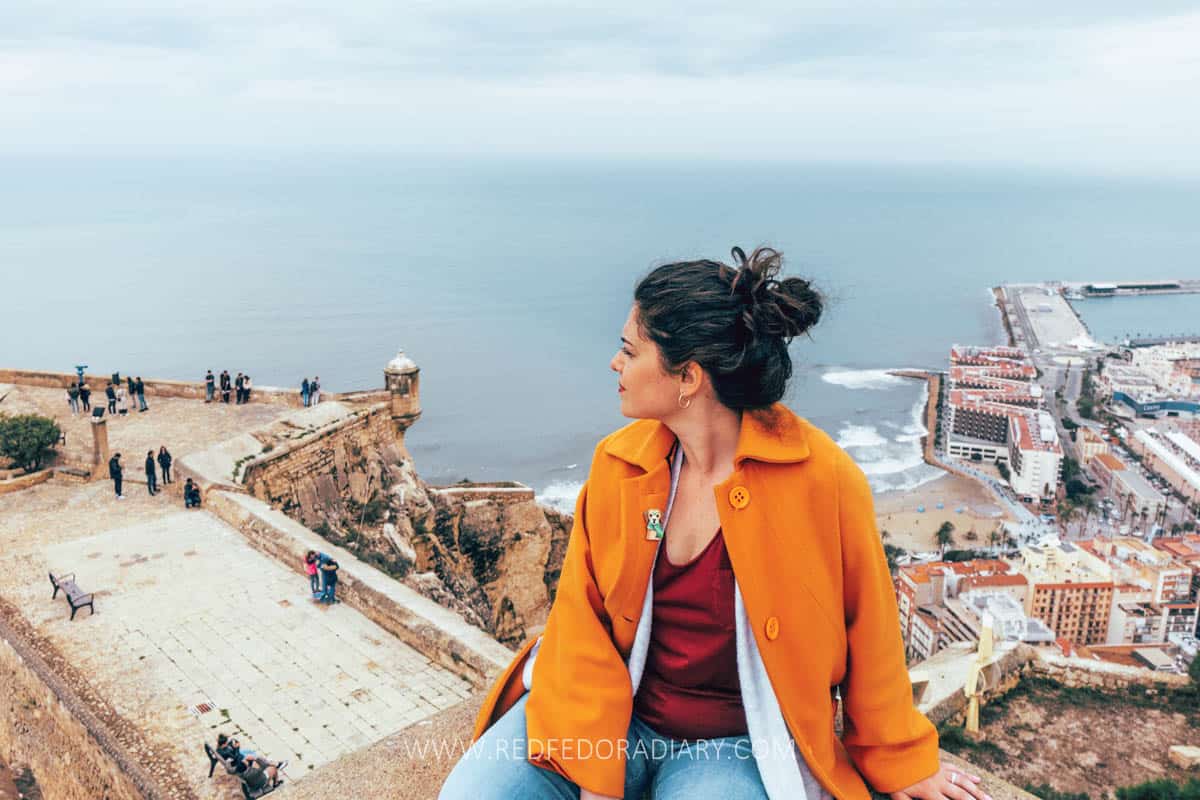
Alicante sits on Spain’s southeastern coast and is the capital of the Costa Blanca, known for its golden beaches, clear waters, and pretty seaside towns. Benidorm, Altea, Calpe, Jávea, Villajoyosa, and Torrevieja are all close by, so Alicante is a great base for exploring the area.
With an international airport, regular train connections, and mild Mediterranean weather with around 300 sunny days each year, Alicante is a year-round destination.
When I visited, I spent three days exploring and soon saw that it offers much more than just beaches. This guide shares my favorite spots and practical tips to help you plan your trip.
Disclaimer: Some of the links in this post are affiliate links, which means I may earn a small commission if you buy something through them—at no extra cost to you. It helps support my blog and lets me share real, first-hand travel tips. Learn more
Alicante at a glance
📍 Best time to visit: April to June and September to October offer warm weather, fewer crowds, and comfortable temperatures. July and August are ideal for beach lovers but can be very hot and busy.
🗓️ How many days to spend: Plan 2–3 days to experience the best things to do in Alicante. If you want to explore nearby destinations such as Benidorm, Torrevieja, Villajoyosa, or Santa Pola, consider staying for 4–5 days.
🚶 Is Alicante walkable? Yes. Alicante is a compact and highly walkable city, with most major attractions within walking distance of one another. Trams and buses make it easy to reach San Juan Beach and other areas along the coast.
❤️ Is Alicante worth visiting? Absolutely. While often overshadowed by Valencia or Barcelona, Alicante combines a historic old town, a hilltop castle, beautiful Mediterranean beaches, excellent food, and easy access to some of the Costa Blanca’s most scenic destinations. It’s an excellent choice for a city break, a beach holiday, or as a base for exploring the surrounding region.
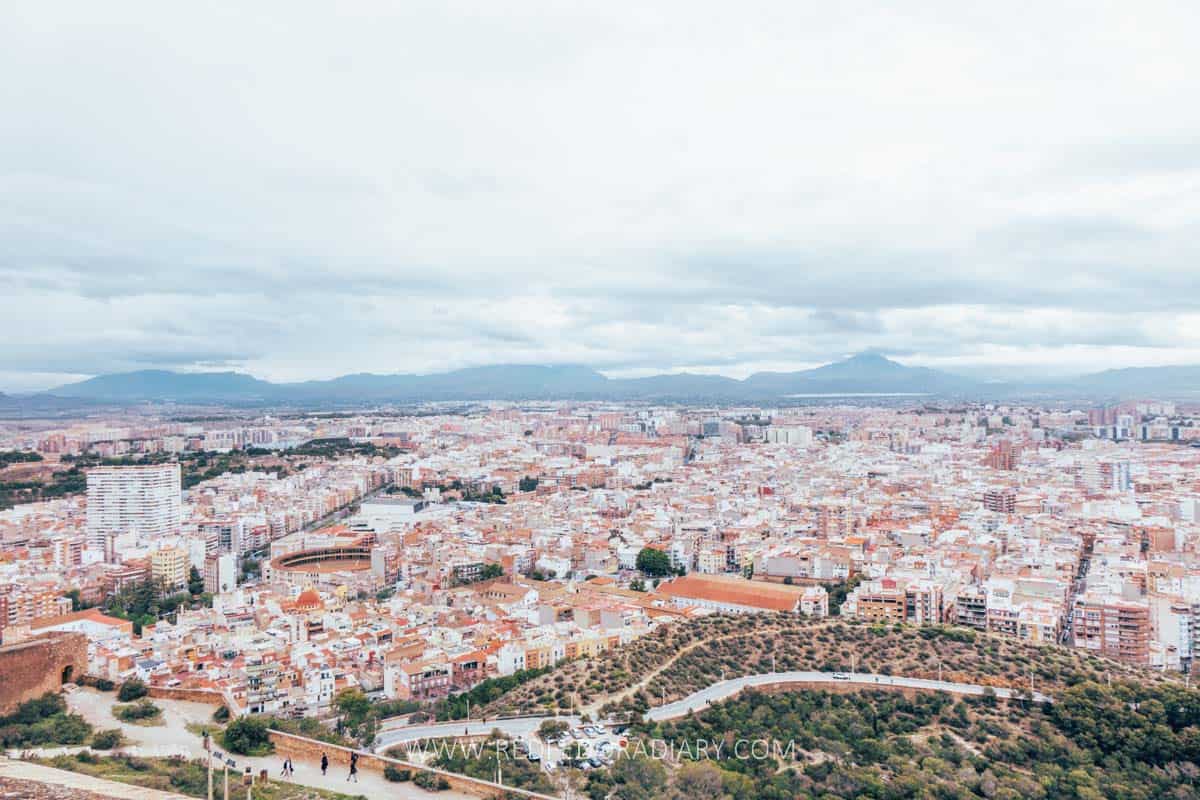
Plan Your Trip Like A Pro
Best things to do in Alicante
From iconic landmarks to hidden streets, these are the experiences I think you shouldn’t miss during your visit. I’ve organized this Alicante travel guide in a logical order so you can easily build your itinerary, whether you’re spending one day, a weekend, or several days in the city. Along the way, I’ll also share a few tips and suggestions to help you make the most of your trip.
Start your day with breakfast at a local bakery
One of my favorite ways to begin a day in Alicante is with a simple Spanish breakfast—a freshly baked pastry and a cup of coffee from a neighborhood bakery. If you’re looking for an affordable breakfast before exploring the city, El Molí Pan y Café is an excellent choice.

With several locations across the city, it’s an easy stop no matter where you’re staying. During my trip, I visited branches near Alicante Train Station, on La Rambla, and in the Benalúa neighborhood on Calle Santa María Mazzarelo.
While all served good coffee and fresh pastries, the Benalúa location stood out due to its quieter, more local atmosphere.
The menu also includes sandwiches, savory pastries, and light lunches, making it a great budget-friendly option if you need a quick bite before continuing your sightseeing around the city.
Walk along Explanada de España
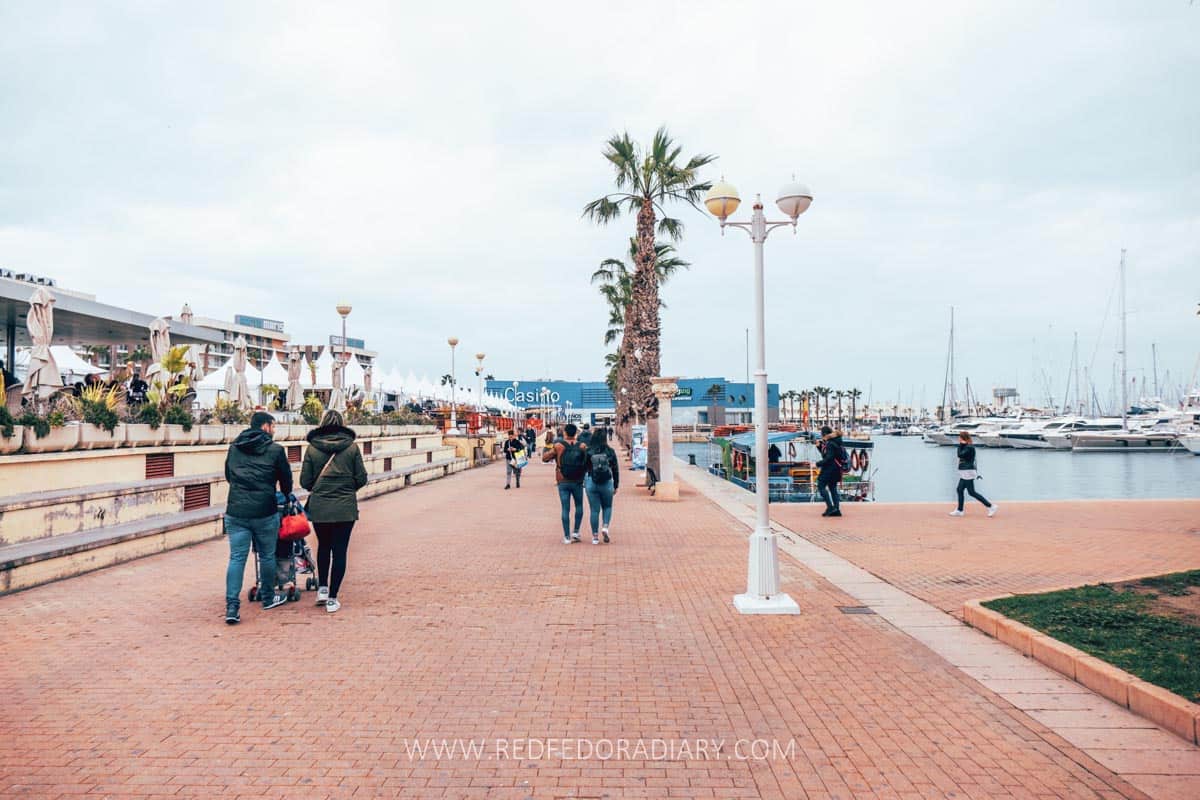
No visit to Alicante is complete without walking along Explanada de España, the city’s iconic waterfront promenade. Running parallel to the marina, it’s one of Alicante’s most recognizable landmarks and a favorite meeting place for locals and visitors alike.
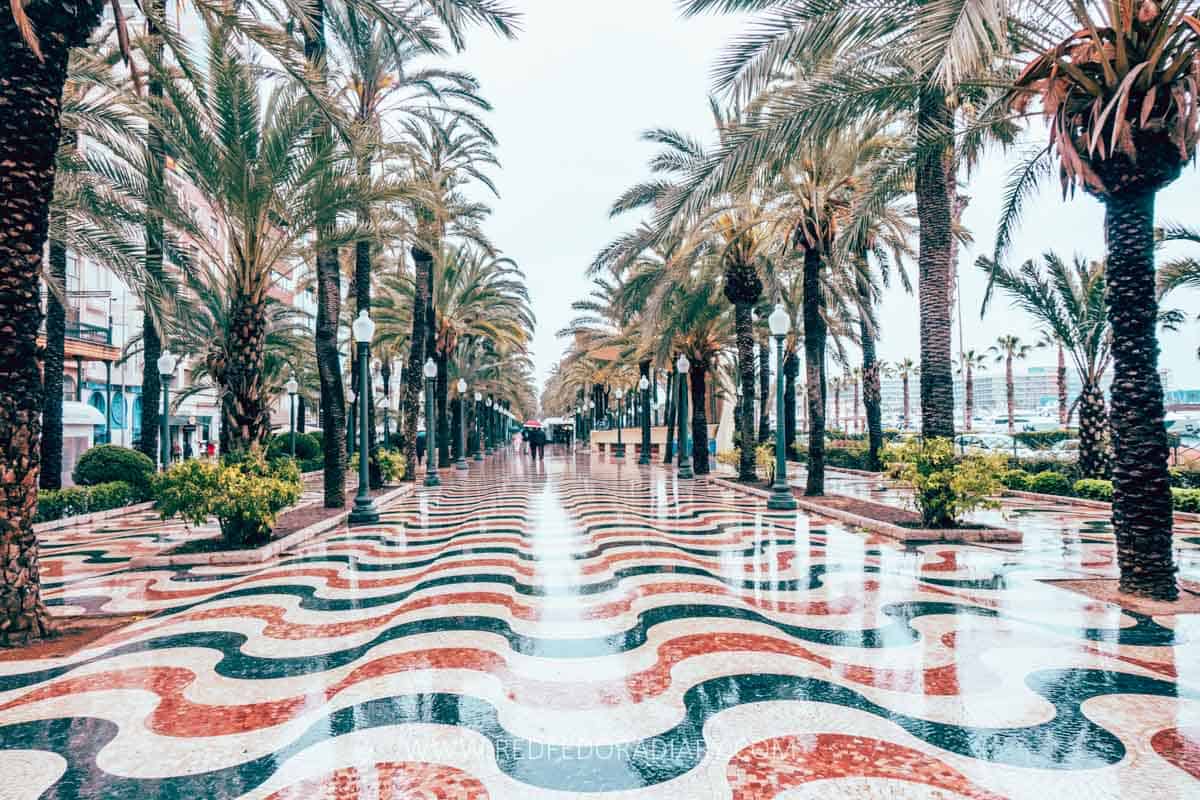
The promenade is famous for its striking wave-like mosaic, created from more than 6.5 million red, black, and cream marble tiles inspired by the movement of the Mediterranean Sea. Lined with rows of palm trees, cafés, and outdoor terraces, it stretches from the Port of Alicante toward Canalejas Park, making it the perfect place for a leisurely stroll at any time of day.
Originally developed in the first half of the 20th century as Alicante expanded beyond its old defensive walls, the promenade has become the city’s social heart. Throughout the year, you’ll often find street musicians, artisan stalls, local festivals, and open-air events taking place here, giving it a lively atmosphere both during the day and after sunset.
I recommend walking the entire length of the promenade in the evening, when it’s cooler, and locals come out for their traditional paseo. This Spanish custom is all about taking a relaxed evening walk to socialize and enjoy the fresh air.
Wander through Barrio de Santa Cruz
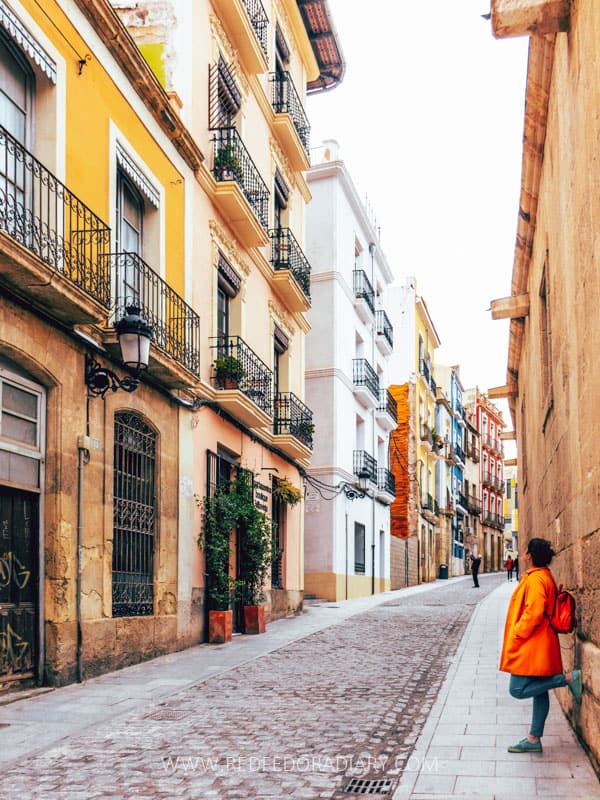
Set on the lower slopes of Mount Benacantil, Barrio de Santa Cruz is one of the most atmospheric parts of Alicante Old Town. Its narrow lanes climb toward Santa Bárbara Castle, passing whitewashed houses decorated with brightly painted doors, colorful window frames, tiled façades, balconies, and overflowing flower pots.
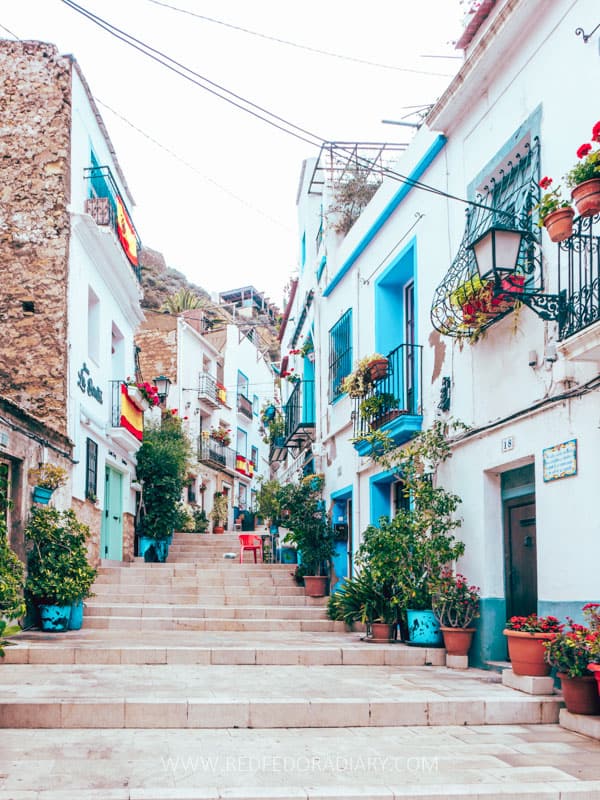
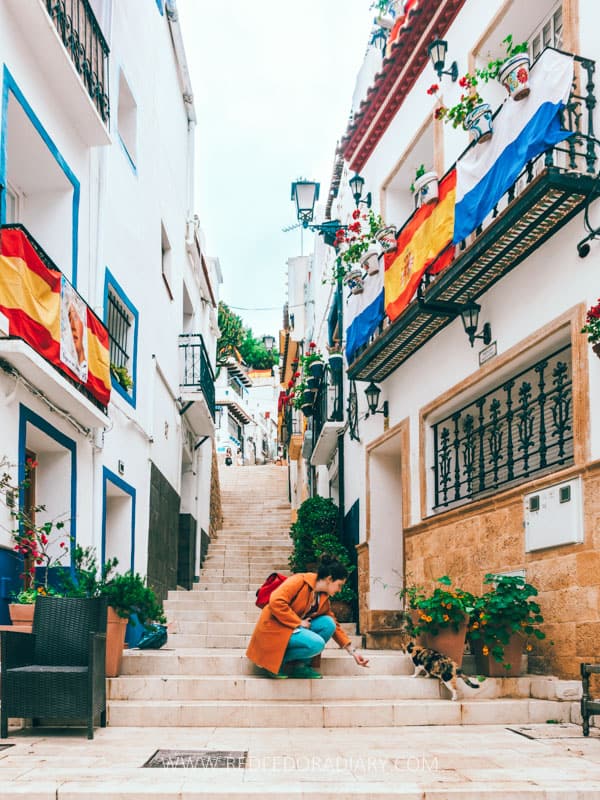
The neighborhood developed around the city’s historic core and still feels distinctly residential, despite being one of Alicante’s most photographed attractions. As you make your way uphill, small terraces and viewpoints open up between the houses, offering glimpses across the rooftops toward the sea.
Take your time here rather than following a fixed route. Part of the charm is wandering through the steep streets, discovering tiny squares and decorative details. Wear comfortable shoes, as the lanes are uneven and the climb steepens toward the castle.
My favorite Alicante tours
Enjoy the views from L’Ereta Park
Straddled on the slopes of Mount Benacantil, L’Ereta Park is one of the best places to visit in Alicante for panoramic views over the city.
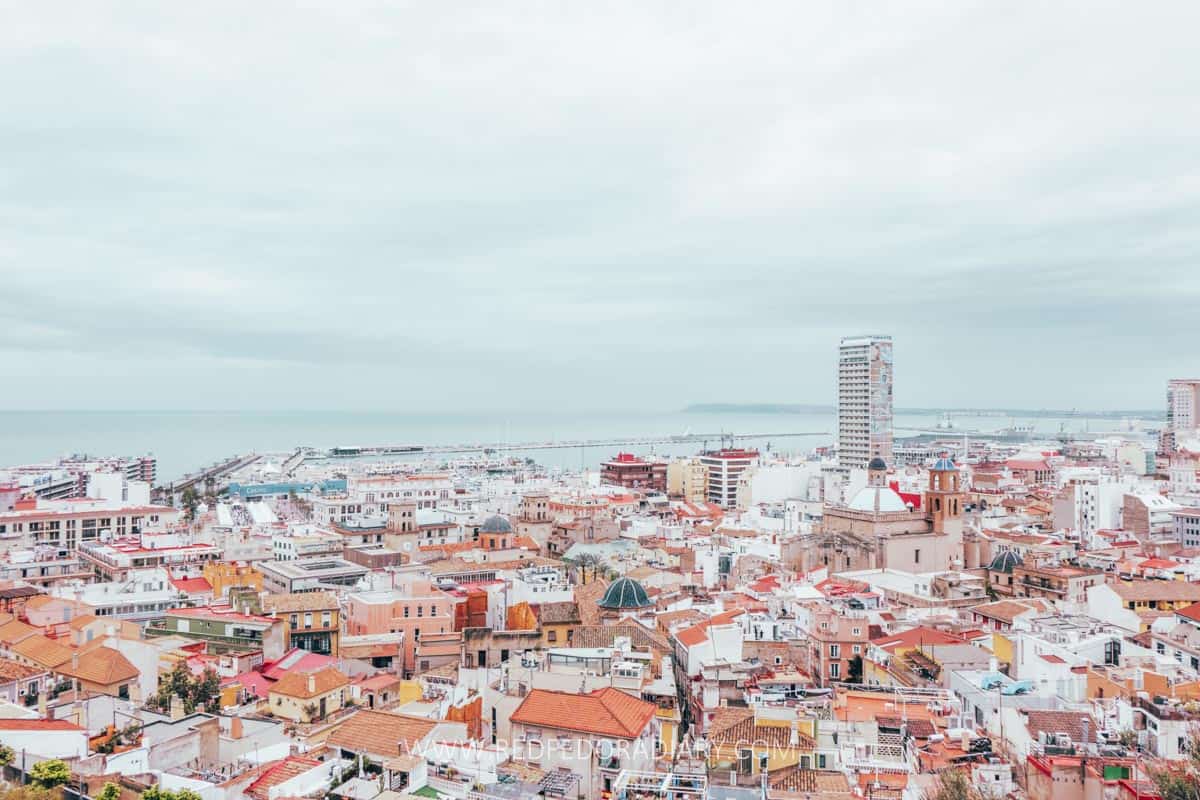
From the terraced park, you’ll be treated to sweeping views of orange rooftops, the marina, the Mediterranean Sea, and, on a clear day, the surrounding Costa Blanca coastline. The landscaped gardens, stone pathways, and shaded seating areas make it an ideal place to slow down after wandering through Barrio de Santa Cruz or before continuing your visit to the castle.
I recommend following the walking path that descends from the park toward Postiguet Beach once you’ve finished exploring Santa Barbara Castle. Along the way, you’ll come across several viewing platforms and benches where you can stop to admire the scenery or capture some of the best photographs of the city.
Wander through Santa Bárbara Castle
If you’re looking for free things to do in Alicante, visiting Santa Bárbara Castle should be at the top of your list. Perched 166 meters above sea level on Mount Benacantil, this impressive fortress dominates Alicante’s skyline and offers the best views of the city.
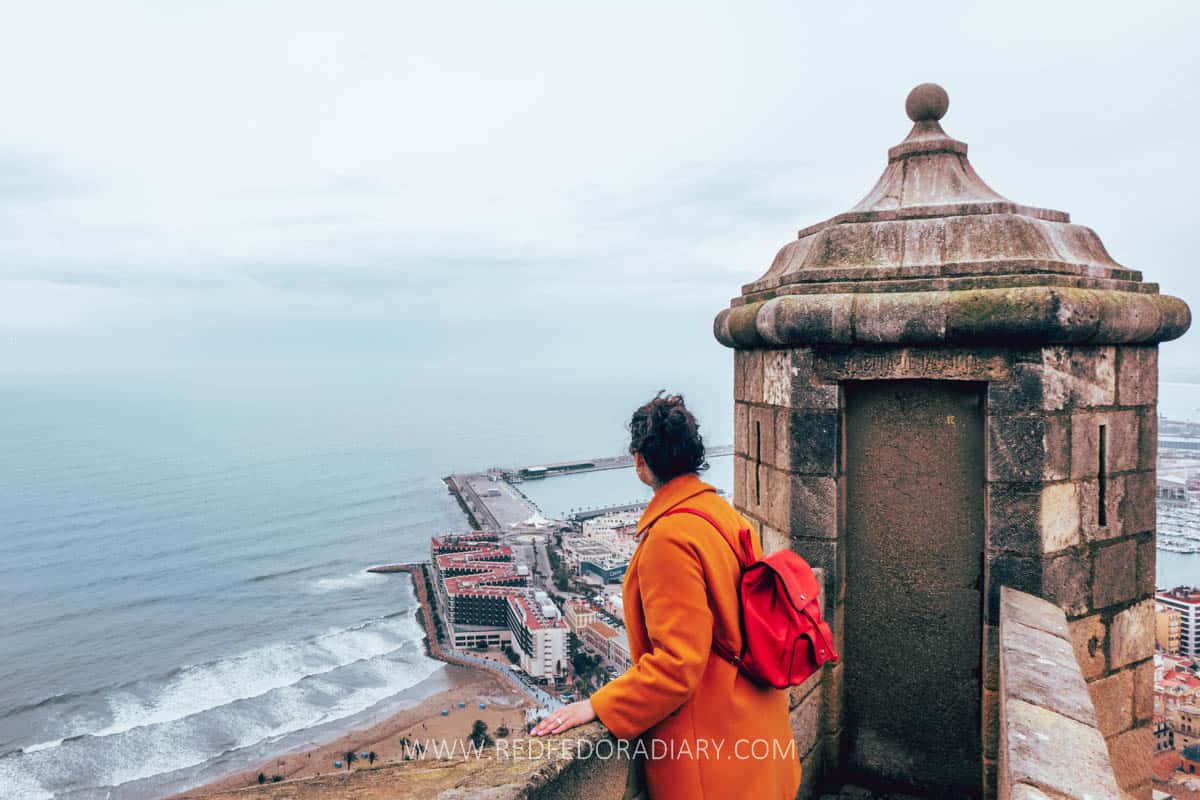
Dating back to the 9th century, the castle was originally built by the Moors during Muslim rule over the Iberian Peninsula. Over the centuries, it was expanded by Christian rulers after the Reconquista and played a key role in defending the city from pirates, naval attacks, and invading armies.
Nearly every major chapter of the city’s history is connected to the fortress, and during the Spanish Civil War, parts of it were even used as a prison.
The grounds of the castle are a must-see in Alicante. Inside, you’ll find expansive courtyards, ancient defensive walls, towers, cannons, and exhibition spaces that occasionally host temporary art displays and cultural exhibitions. Since the complex is much larger than it appears from below, allow at least one to two hours to explore it properly.
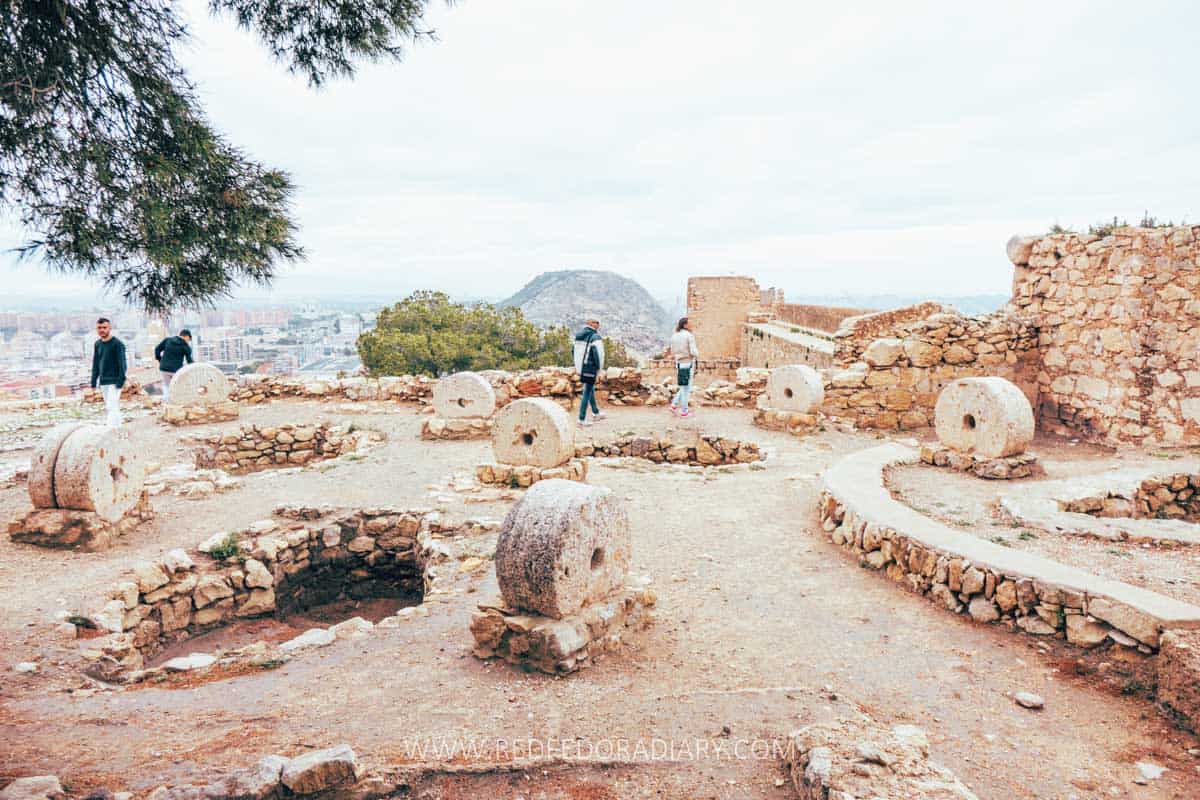
If you don’t feel like climbing, an elevator connects Postiguet Beach with the castle entrance for a small fee. Admission to the castle itself is completely free.
If you’d like to experience the castle from a different perspective, consider joining a wine tasting and tapas experience held within the fortress grounds. Alongside panoramic views over the city, you’ll sample regional wines paired with traditional cured meats and tapas while learning more about the local gastronomy and winemaking traditions.
- Opening hours: Summer (April 1 – September 30): 10 am – 10 pm; Winter (October 1 – March 31): 10 am – 8 pm
- Elevator: Daily, 10 am – 8 pm
- Entrance: FREE
Admire the Basilica of St. Mary
When deciding what to see in Alicante, don’t skip the Basilica of St. Mary (Basílica de Santa María), the city’s oldest active church. Built between the 14th and 16th centuries, it stands on the site of Alicante’s former Great Mosque following the Christian reconquest.
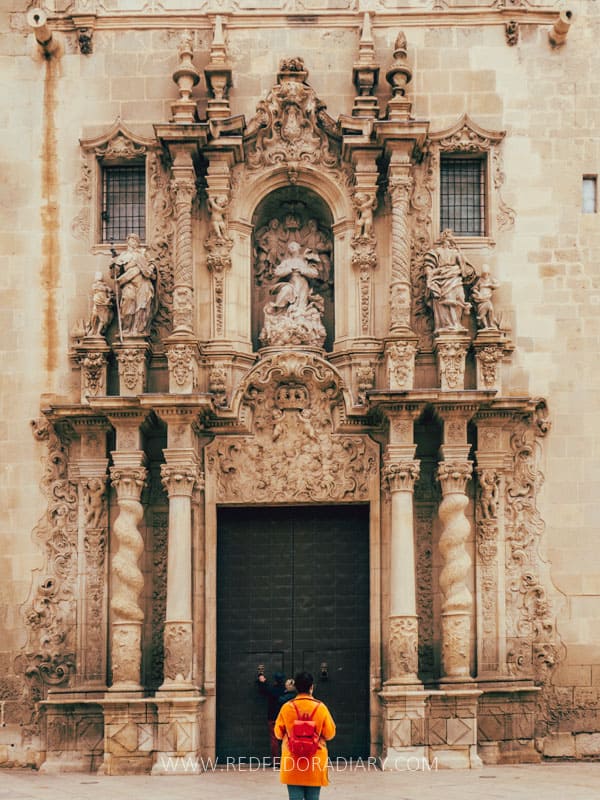
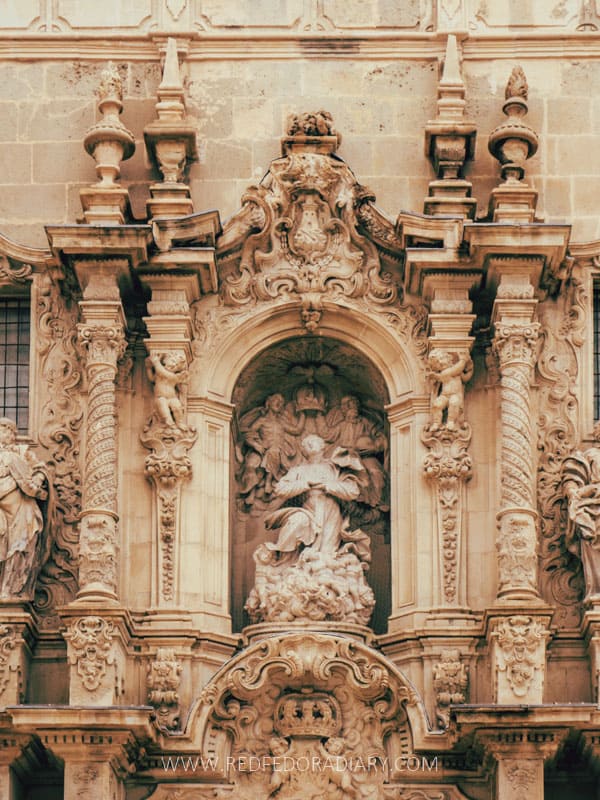
Constructed in the elegant Valencian Gothic style, the basilica features a simple yet beautiful interior laid out in the shape of a Latin cross, with six side chapels housing religious artwork, sculptures, and centuries-old documents.
The Baroque main façade, added later in the 18th century, creates a striking contrast with the Gothic architecture behind it and is one of the church’s most distinctive features.
Try Alicante-style paella for lunch
No trip to Spain would be complete without trying a traditional paella. Although the dish started in nearby Valencia, Alicante has its own version, often made with local seafood, rabbit, vegetables, or arroz a banda. This rice is cooked in a rich fish broth and is especially popular along this part of the Costa Blanca.

One restaurant I enjoyed was Restaurante El Gosto del Gourmet, tucked away just behind the city’s main promenade. They serve several regional rice dishes, the portions are generous, and the meals are perfectly cooked and full of flavor.
While paella is undoubtedly one of Spain’s most famous dishes, I’d encourage you to go beyond it and try other local specialties during your stay as well. Alicante’s food scene has much more to offer, from fresh seafood and tapas to delicious rice dishes unique to the region.
If you’d rather learn the secrets behind Spain’s most iconic dish, consider joining a paella cooking class, which also includes a visit to the market.
Visit the Co-cathedral of San Nicolás
Just a short walk from the Town Hall, the Co-cathedral of San Nicolás is one of the city’s most important religious landmarks. Dedicated to Saint Nicholas of Bari, Alicante’s patron saint, it was built between 1616 and 1662 on the site of a former mosque.
Unlike the ornate Gothic churches found elsewhere in Spain, the cathedral is a fine example of the restrained Herrerian Renaissance style, characterized by clean lines, geometric proportions, and minimal decoration. Its most recognizable feature is the striking blue dome, which rises 45 meters above the crossing and has become one of the city’s architectural symbols.
Step inside to admire the peaceful interior, the elegant cloister, and the Chapel of Communion, considered one of the country’s finest examples of Baroque architecture.
Walk along Mushroom Street
If you’re looking for unusual things to do in Alicante, take a short detour to Calle San Francisco, better known as Mushroom Street. Once an ordinary shopping street, it was transformed in 2013 as part of an urban regeneration project designed to attract more visitors and breathe new life into the area.
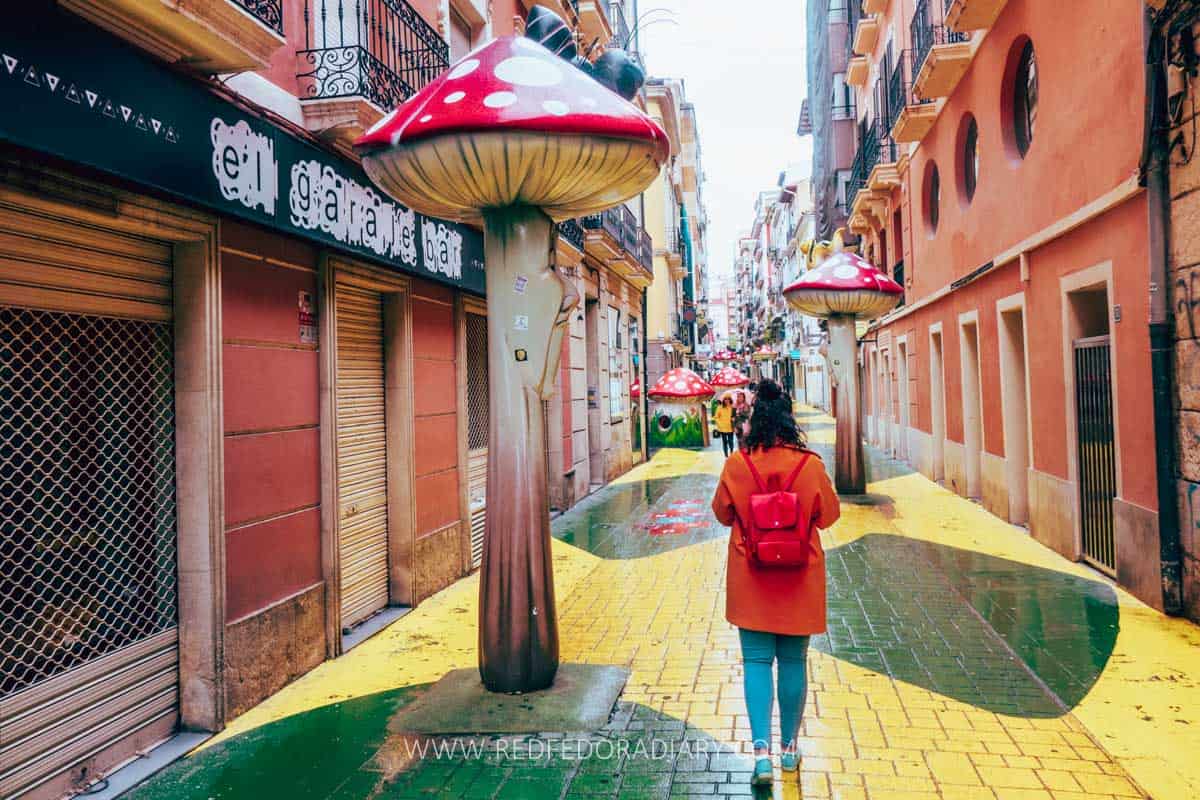
Today, the pedestrian street is dotted with oversized mushroom sculptures, giant snails, colorful flowers, and whimsical decorations, making it feel like something out of a fairy tale. It’s particularly popular with families and has become one of Alicante’s most Instagrammable spots.
Shop for fresh produce at Mercado Central
One of the most authentic activities in Alicante is spending a morning at Mercado Central, the city’s main food market. Housed in an impressive early 20th-century building that combines Art Nouveau and eclectic architectural styles, the market has been at the heart of locals’ daily life for more than a century.

Spread across two floors, it is home to more than 245 stalls selling everything from freshly caught seafood and seasonal fruit to cured meats, local cheeses, olives, spices, and traditional sweets. Even if you aren’t planning to cook during your trip, it’s well worth stopping by to experience the lively atmosphere and see where locals shop for their daily groceries.
It’s also a great place to grab breakfast or a coffee before continuing your sightseeing, and many vendors offer small tastings of regional products. If you’d like to learn more about Alicante’s culinary traditions, consider joining a guided food tour that combines a visit to the market with stops at some of the city’s best tapas bars.
- Opening hours: Monday–Saturday, 7:30 AM–2:30 PM. Closed on Sundays.
Relax on Alicante’s beautiful beaches
Whether you’re looking to swim, sunbathe, enjoy water sports, or simply relax with a sea view, the city offers several excellent beaches, each with its own character.
Postiguet Beach is the most convenient if you’re staying in the city center. This wide stretch of golden sand is within walking distance of main attractions. With a palm-lined promenade, calm waters, and plenty of cafés, restaurants, and beach bars nearby, it’s the perfect place to cool off after a morning of sightseeing.

If you have more time, hop on the tram and head to San Juan Beach, one of the most famous beaches on the Costa Blanca. Located around 9 kilometers from the city center, this sandy beach stretches for several kilometers and offers plenty of space even during the busy summer months. It’s especially popular for paddleboarding, kayaking, beach volleyball, and other water sports.
For a quieter alternative, consider La Albufereta Beach, a small bay about 5 kilometers northeast of the city center. Sheltered from the waves and generally less crowded than the other two.
Whichever beach you choose, don’t forget to stay until sunset if you can. Watching the sun set over the Mediterranean is one of the simplest things to do in Alicante.
Experience tapas culture
Trying tapas is one of those experiences that belongs on every Spain itinerary, and Alicante is no exception. Rather than ordering a full meal, locals often gather with friends to share small plates while enjoying a drink and conversation—a tradition that’s as much about socializing as it is about the food.

One of the most memorable places I visited was Tapa-Caña D’Tablas. Instead of browsing a menu, you simply order your drink and wait. Every few minutes, the waitstaff walks through the restaurant carrying large trays filled with freshly prepared tapas, from seafood and fried fish to mini sandwiches, cured meats, and even desserts. If something catches your eye, you take it.
Each tapa is served on a small wooden plank, which you keep on your table until you’re ready to pay. It’s a fun and relaxed concept because every tray is different, so you never know what will appear next. I found myself staying much longer than planned just to see what the kitchen would bring out next.
If you’d like to dive deeper into the local food scene, consider joining an evening tapas tour. Besides visiting several tapas bars, you’ll learn about the history, regional specialties, and the traditions that have made this style of dining such an important part of Spanish culture.
My favorite food tours in Alicante
Experience a traditional flamenco show
If you’re looking for fun activities in Alicante after a day of sightseeing, consider spending an evening at a traditional flamenco performance. Recognized by UNESCO as an Intangible Cultural Heritage, flamenco combines passionate singing, intricate guitar playing, and expressive dance to tell stories of love, joy, and heartbreak.


Several venues in Alicante host intimate performances where talented dancers and musicians bring this iconic Spanish art form to life. Some experiences also include a drink or dinner, making it a great way to end your day while experiencing another side of Spanish culture.
My favorite flamenco shows in Alicante
Visit museums for free
What to do in Alicante if it rains? Having some kind of indoor activity on any trip is always a good idea. And although Alicante enjoys around 300 days of sunshine a year, an occasional rainy day can happen. Fortunately, the city has plenty of indoor attractions that are well worth visiting, regardless of the weather.
One of my favorite stops is MACA (Museum of Contemporary Art of Alicante), located beside the Basilica of St. Mary. Housed in the city’s oldest surviving civil building, the museum features an impressive collection of 20th-century art, including works by Picasso, Miró, Dalí, and Chillida.

Another excellent option is MUBAG (Gravina Museum of Fine Arts), set inside an elegant 18th-century palace. The museum showcases paintings and sculptures by artists from the Valencian region, making it a great place to learn more about Alicante’s artistic heritage.
For something completely different, visit The Ocean Race Museum at the marina. Dedicated to the prestigious round-the-world sailing competition that started in Alicante many years ago, it features racing yachts, interactive exhibits, and stories from some of the world’s greatest sailors. General admission is free, while optional immersive experiences are available for an additional fee.
If you don’t mind paying 6 EUR (3 EUR on Sundays and public holidays), head to MARQ (Archaeological Museum of Alicante). Frequently ranked among Spain’s most innovative archaeological museums, it combines traditional artifacts with interactive multimedia exhibits to tell the story of the region from prehistoric times through the Roman and medieval periods.
Take a day trip from Alicante
Tabarca Island
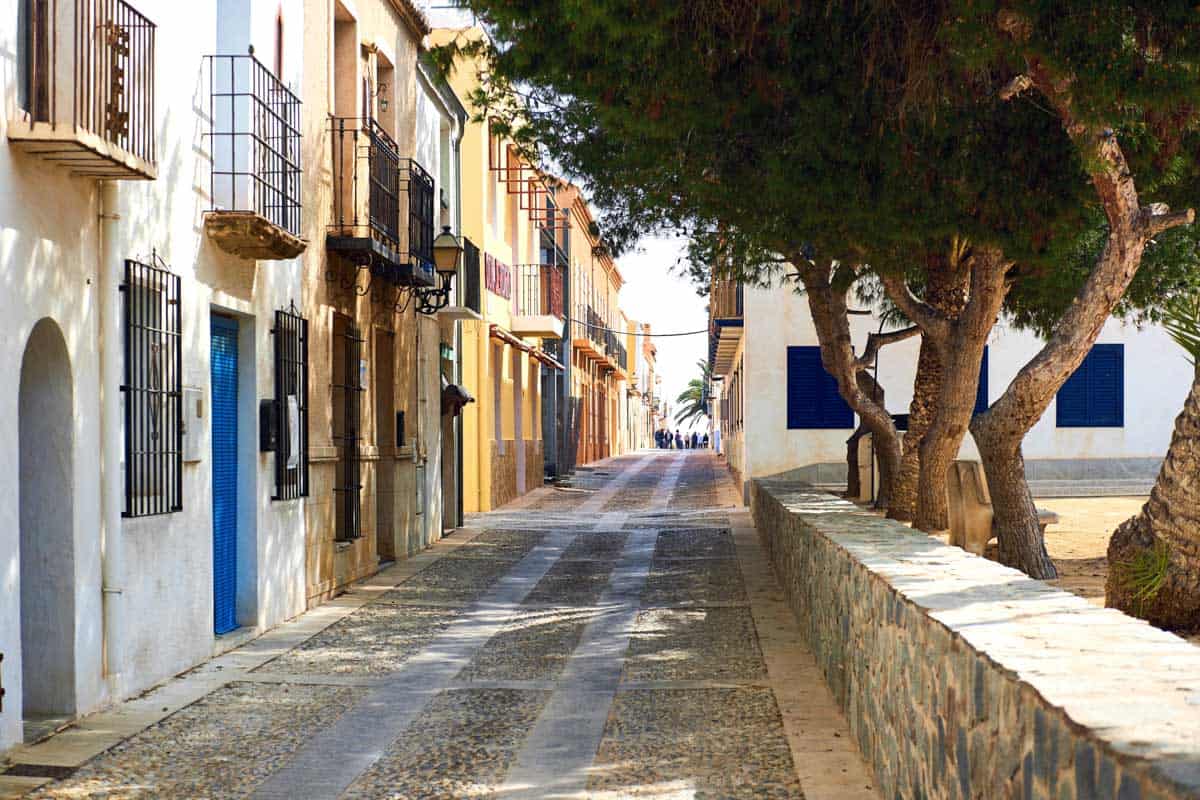
If you have more than one day in the city, one of the most popular day trips from Alicante is Tabarca Island, Spain’s smallest permanently inhabited island. Located around 20 km off the coast, this former pirate refuge is now a peaceful destination known for its crystal-clear waters, colorful fishing village, and rich maritime history.
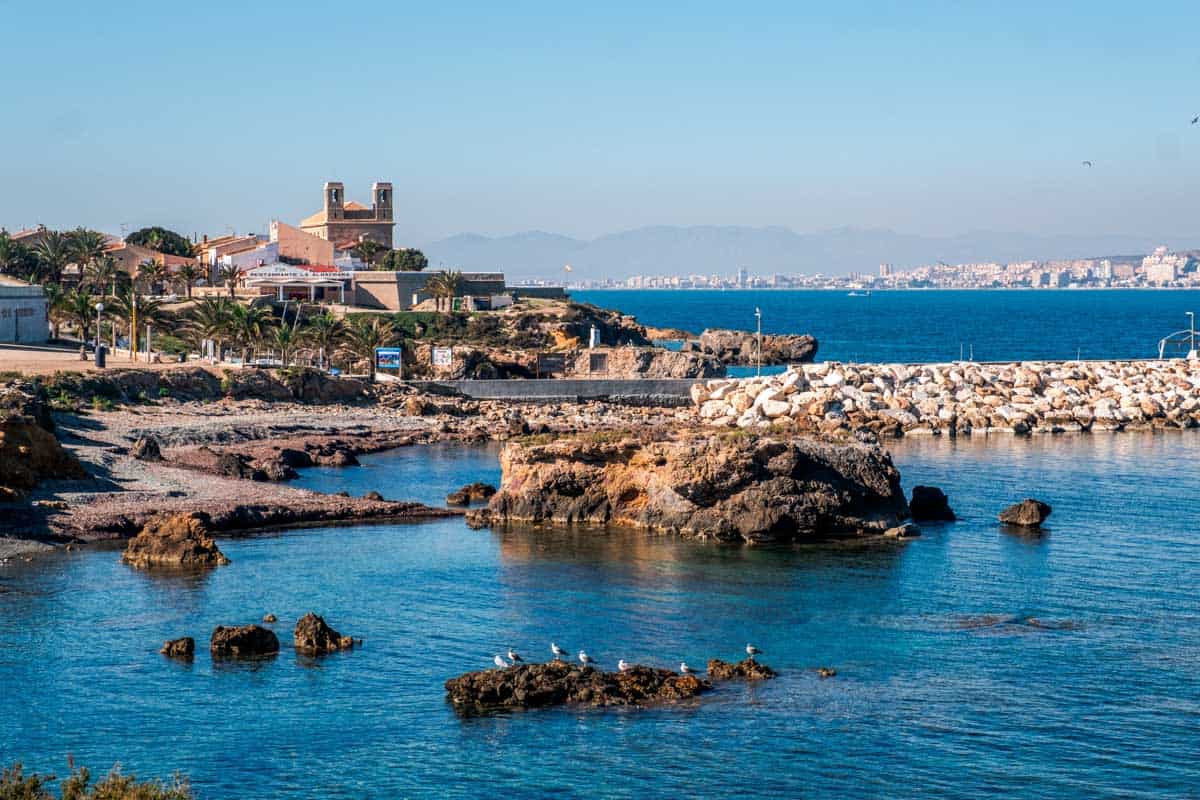
The easiest way to visit is to take a ferry from Alicante’s marina, which takes about an hour each way. Once on the island, spend your time wandering through the fortified old town, admiring the whitewashed houses and historic gates, relaxing on the small beaches, or enjoying fresh seafood at one of the local restaurants.
Tabarca is also home to Spain’s first protected marine reserve, making it a great place for snorkeling. The clear waters are home to a variety of Mediterranean fish and underwater rock formations, and you can either bring your own equipment or join a guided snorkeling experience to discover the island’s marine life with a local instructor.
If you’re planning to visit independently, booking your round-trip ferry tickets in advance is the easiest way to secure your preferred departure time, especially during the summer months.
Alternatively, if you’d rather leave the logistics to someone else, you can join a guided day tour that combines Tabarca Island with a visit to Santa Pola Castle and other scenic coastal spots.
Pink Lake in Torrevieja
One of the most unique day trips from Alicante is Laguna Rosa, better known as the Pink Lake of Torrevieja. Located around an hour south of the city, this natural salt lake is famous for its vibrant pink waters, making it one of the most unusual landscapes on Spain’s Mediterranean coast.

The lake gets its distinctive color from a combination of salt-loving algae and microorganisms that thrive in the highly saline water. However, keep in mind that the intensity of the pink hue varies throughout the year with the season, weather, sunlight, and the concentration of microorganisms. Some days, the lake appears vividly pink, while at other times it takes on softer pastel shades.
Laguna Rosa forms part of Las Salinas de Torrevieja Natural Park, which also includes the neighboring green salt lake. Together, they create one of Europe’s largest salt-producing areas and attract a surprising amount of wildlife, including flamingos, herons, and other migratory birds.
If you’re planning your visit independently, I’ve put together a detailed guide to visiting the Torrevieja Pink Lake, including the best time to go, what to expect, and practical transportation tips.
Colorful town of Villajoyosa
If you’re looking for a charming coastal escape, Villajoyosa (La Vila Joiosa) is a great choice. Located just 30 km northeast of the city, this picturesque seaside town is best known for its brightly painted fishermen’s houses lining the waterfront, creating one of the most photographed scenes on the Costa Blanca.
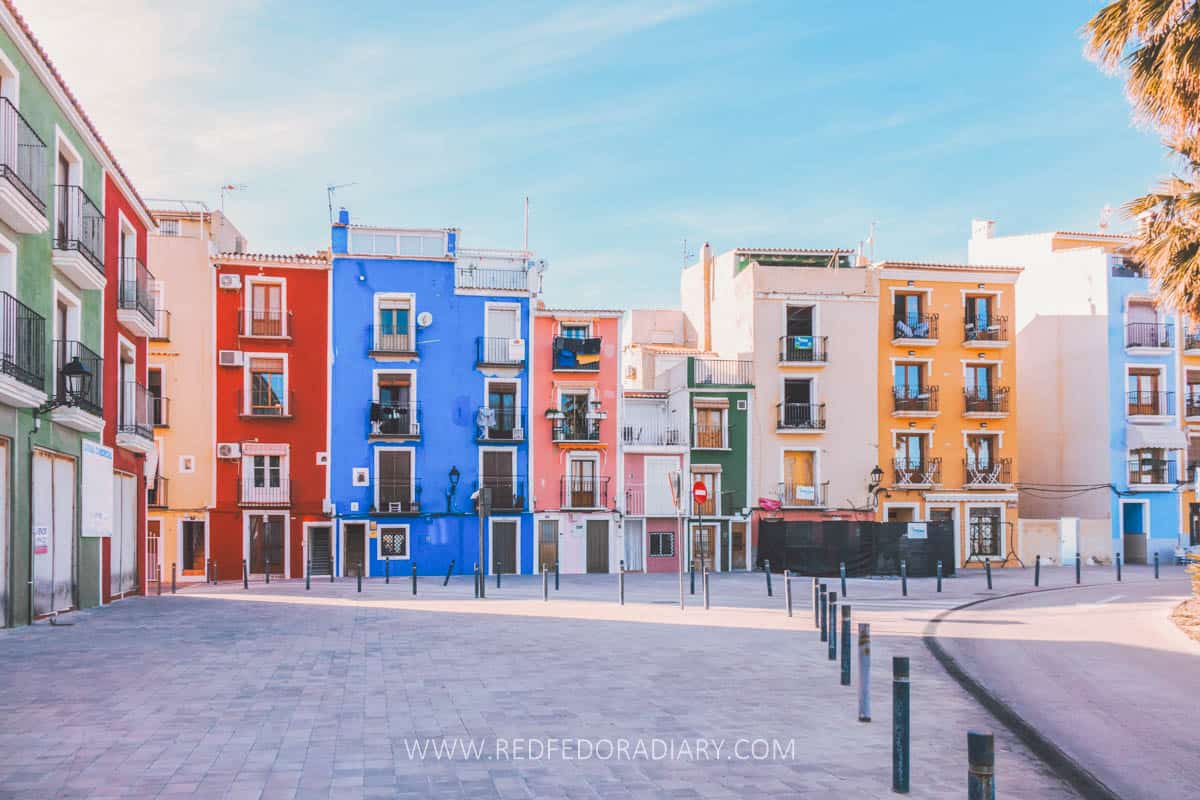
Wander through the narrow streets of the historic center, browse small local shops, stop for a coffee overlooking the sea, or spend a few hours on the long sandy beach.
If you’re interested in history, don’t miss the Church of the Assumption, a 16th-century Gothic church built as part of the town’s defensive walls to protect residents from pirate attacks.
One of my favorite memories of Villajoyosa was stumbling upon its annual medieval market. The streets were filled with craft stalls, traditional sweets, live music, and performers, making the colorful old town feel even more vibrant.
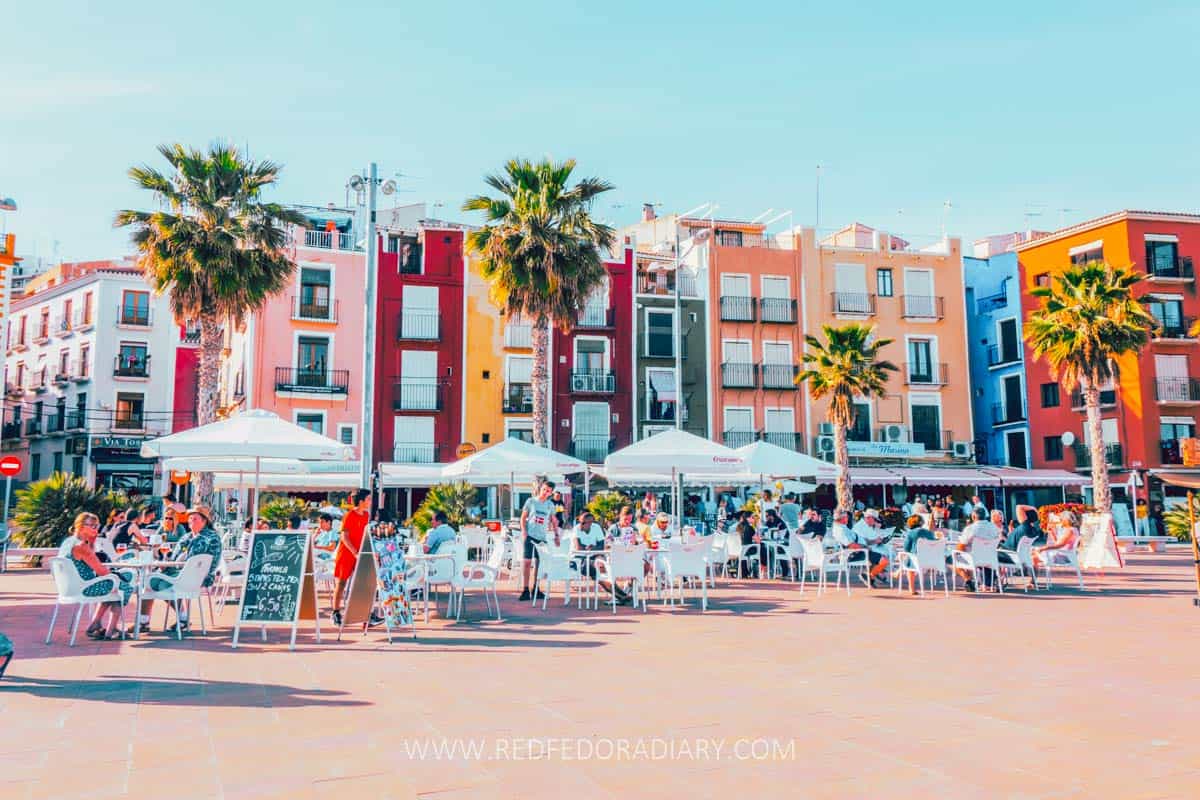
Getting there is relatively easy. You can rent a car and drive in around 35 minutes, or take Tram Line 1 from Alicante city center. The journey takes about an hour and hugs the coastline for much of the route, offering beautiful views of the Mediterranean.
If you’d rather see more of the Costa Blanca in one day, consider joining a guided tour that combines Villajoyosa with the whitewashed hilltop town of Altea, another one of the region’s most picturesque destinations.
Cruise along the Costa Blanca
If you’d rather admire the coastline from the sea, there are plenty of Alicante boat trips to choose from. From relaxing sunset sails to full-day adventures, these cruises offer a different perspective of the Costa Blanca, with opportunities to swim in crystal-clear waters, snorkel in secluded coves, and simply unwind while sailing across the Mediterranean.
Many boat trips from Alicante depart directly from the marina, making them an easy addition to your itinerary. Whether you’re traveling as a couple, with friends, solo, or as a family, a few hours on the water is a fantastic way to escape the city’s beaches and enjoy the coastline at a slower pace.
My favorite catamaran cruises from Alicante
Where to stay in Alicante
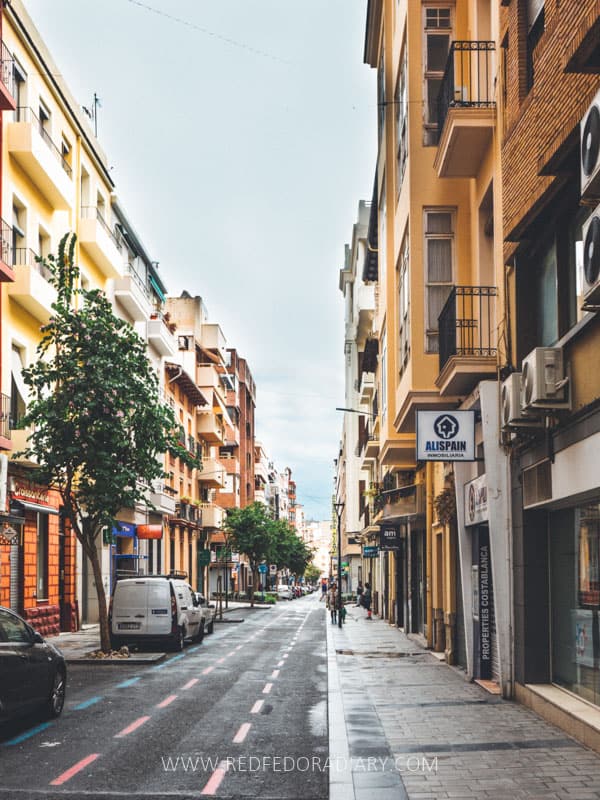
Alicante is a compact and walkable city, so no matter where you stay, you’ll never be too far from the main attractions. If it’s your first visit, I’d recommend choosing accommodation in or around the city center, the Old Town, or near Postiguet Beach and Santa Bárbara Castle.
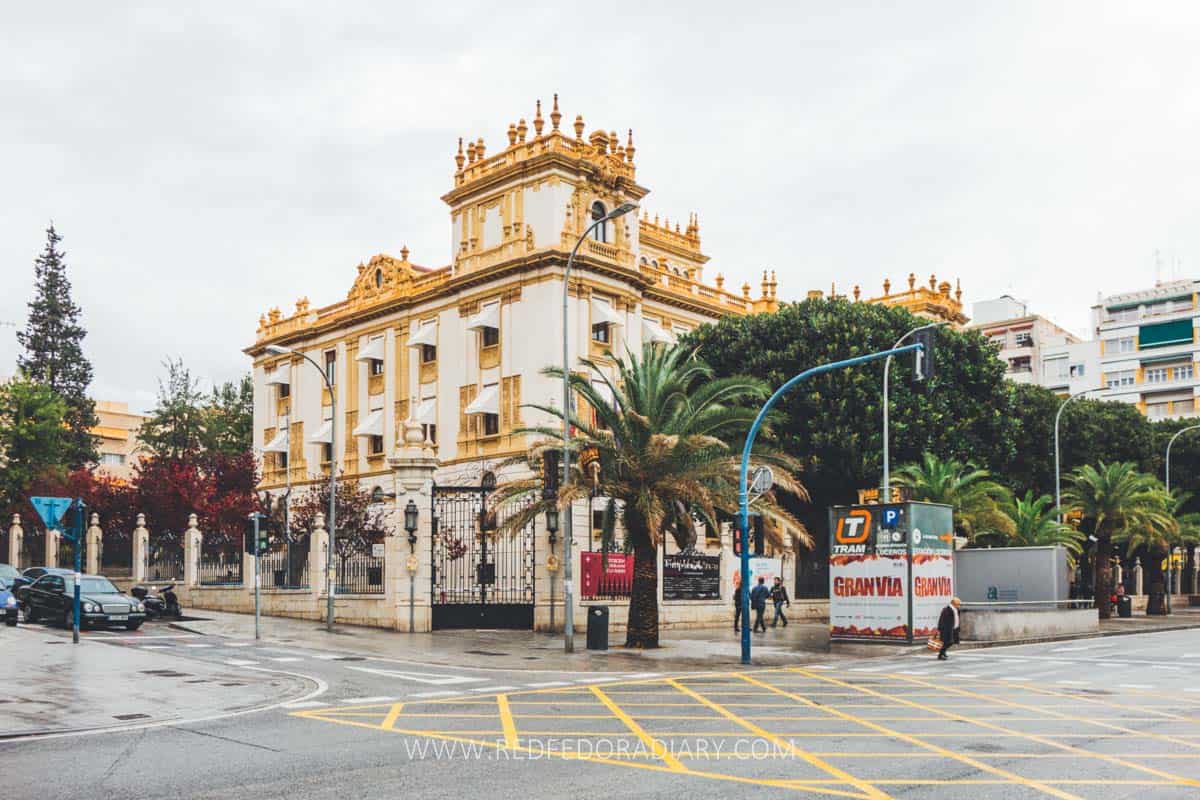
If you’re planning a beach-focused holiday, consider staying closer to San Juan Beach, while travelers looking for a quieter atmosphere may prefer the residential neighborhoods just outside the historic center.
Here are a few hotels I recommend for different budgets:
Best budget hotel – La Lonja: A great value option within walking distance of the Central Market, Old Town, and Postiguet Beach. It’s a practical choice if you want to explore Alicante on foot without spending a fortune. → Book the hotel
Best mid-range hotel – Sercotel Maya Alicante: Located at the foot of Santa Bárbara Castle, this hotel offers spacious rooms, a swimming pool, and easy access to both the beach and the city center, making it one of the best all-round choices for most travelers. → Book the hotel
Best boutique hotel – Occidental Alicante: A stylish, modern hotel in the heart of Alicante with comfortable rooms and an excellent location for sightseeing, shopping, and dining. → Book the hotel
Best beachfront hotel – INNSiDE by Meliá Alicante Porta Maris: Situated between the marina and Postiguet Beach, this hotel offers beautiful Mediterranean views from many of its rooms and is ideal if waking up by the sea is a top priority. → Book the hotel
🏨 Best apartment – UNIQ Flats: Perfect for longer stays or families, these modern apartments come with fully equipped kitchens and are just a short walk from the beach and the city center. → Book the hotel
Alicante travel tips
Don’t skip travel insurance
I almost never travel without travel insurance, even for short trips within Europe. While Alicante is generally a very safe destination, unexpected situations can happen anywhere—from delayed flights and lost luggage to medical emergencies.
It’s especially worth having if you plan to spend time on the water, whether that’s snorkeling around Tabarca Island, joining a catamaran cruise, or trying other outdoor activities along the coast. A small accident can quickly become expensive without proper coverage.
For my own travels, I use Heymondo Travel Insurance because it offers comprehensive medical coverage, 24/7 assistance, and an easy-to-use app for managing claims. As a reader of Red Fedora Diary, you also get 5% off, with the discount already applied when you book through my link.
How to get to Alicante
Thanks to its international airport and excellent rail connections, getting to Alicante is straightforward from both within Spain and abroad.
If you’re flying, Alicante–Elche Miguel Hernández Airport serves dozens of destinations across Europe year-round, with even more seasonal routes during the summer. It’s the fastest and most convenient option for most international visitors.

High-speed AVE trains connect Madrid and Alicante in around 2.5 hours, making it an excellent destination for a weekend getaway or as part of a longer Spain itinerary. If you’re visiting Barcelona, you can also reach Alicante by direct train in approximately 5 hours or opt for a short domestic flight if you’re short on time.
I usually use Omio to compare train and bus routes, check schedules, and book tickets in one place, especially when traveling between Spanish cities.
If you’re planning a road trip through the Costa Blanca, renting a car gives you the flexibility to explore nearby towns such as Villajoyosa, Altea, Benidorm, and Torrevieja at your own pace.
Getting from Alicante Airport to the city center
Alicante–Elche Airport is located about 12 km southwest of the city center, and getting into town is quick and easy.
The most affordable option is the C6 airport bus, which connects the airport with the city center, train station, marina, and other key locations. Buses run frequently throughout the day, and tickets can be purchased directly from the driver.
If you’re carrying lots of luggage or simply prefer a hassle-free arrival, I recommend pre-booking a Welcome Pickups transfer. Your English-speaking driver will meet you at arrivals, help with your luggage, and take you directly to your accommodation with no need to queue for a taxi or navigate public transport.
I love this guide! It’s so easy to do a day trip to Alicante and see all these things you’ve suggested. I didn’t know about the pink lake, and I will definitely need to stop by there next time I’m down in that area. Great suggestions.
Hi Lauren, I am glad you found it useful ❤️ Yes, Pink Lake is worth the visit
I have limited mobility and use a crutch. But with the photos of places you suggested, it looks like I have to take my walker. What do you think?
Hi AnnJee, thanks for your comment. I honestly can’t advise which one you need to take; however, I would say to take the one that is the most comfortable and safe for you to walk around doing touristy things. There are a few long steps to take if you’d want to explore the area below the castle, and some parts of the city could also be steep.