
Rtveli in Georgia: When, Where & How to Experience It
Autumn is a great time to visit Georgia, especially if you’re interested in wine. As vineyards fill with ripe grapes and the harvest begins, wine regions come alive. For travelers, Rtveli in Georgia offers a chance to see the country’s wine culture beyond the tasting room and experience one of its most important seasonal traditions firsthand.
The grape harvest happens in many regions, but Kakheti—Georgia’s main wine area—is one of the best places to experience it. You don’t need any winemaking knowledge to join in!
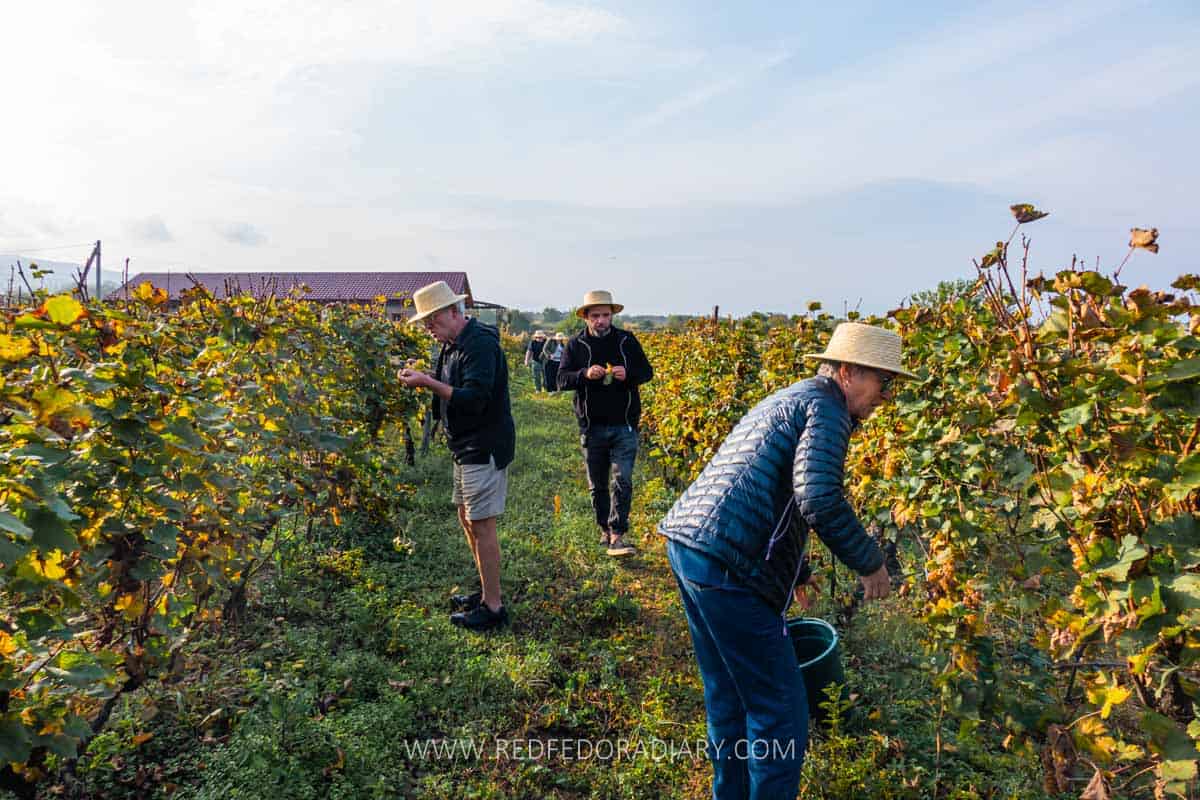
In this guide, I’ll cover when and where to experience Rtveli in Georgia, what to expect during harvest, and how to participate. I’ll also share my own experience on a grape harvest tour in Kakheti and offer practical tips for your visit.
Disclaimer: Some of the links in this post are affiliate links, which means I may earn a small commission if you buy something through them—at no extra cost to you. It helps support my blog and lets me share real, first-hand travel tips. Learn more
What is Rtveli in Georgia?
Rtveli (რთველი) is Georgia’s traditional grape harvest and winemaking season, celebrated every autumn in wine regions. While the word means harvest, Rtveli is much more. It’s a centuries-old tradition where families, relatives, and neighbors gather to pick grapes, make wine, and celebrate their hard work.
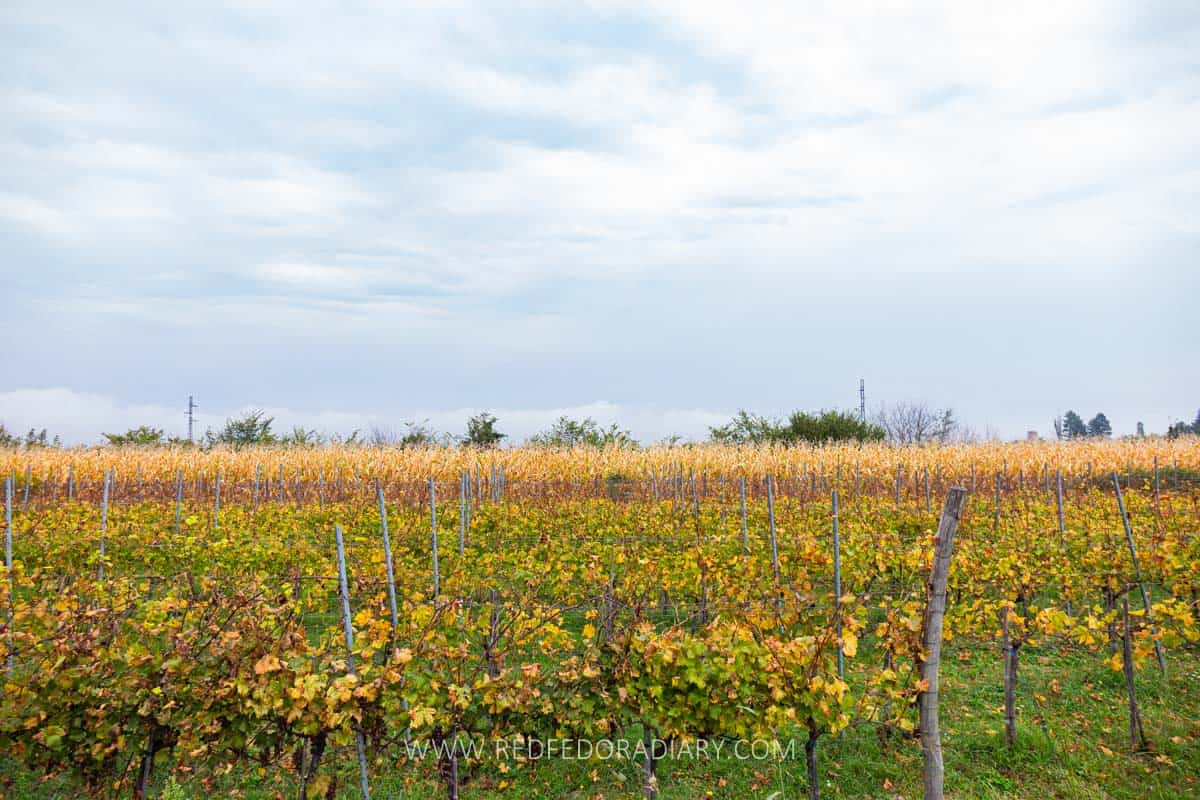
For many Georgian families, especially those with small vineyards making wine for themselves, Rtveli is one of the year’s most important times. The harvest reflects months of care for the vines, from pruning and tending the soil to protecting ripening grapes.
Rtveli isn’t just about farming—it’s also socially and culturally important. For many families, it’s a chance to reconnect with relatives and friends, share the work, and keep traditions alive across generations.
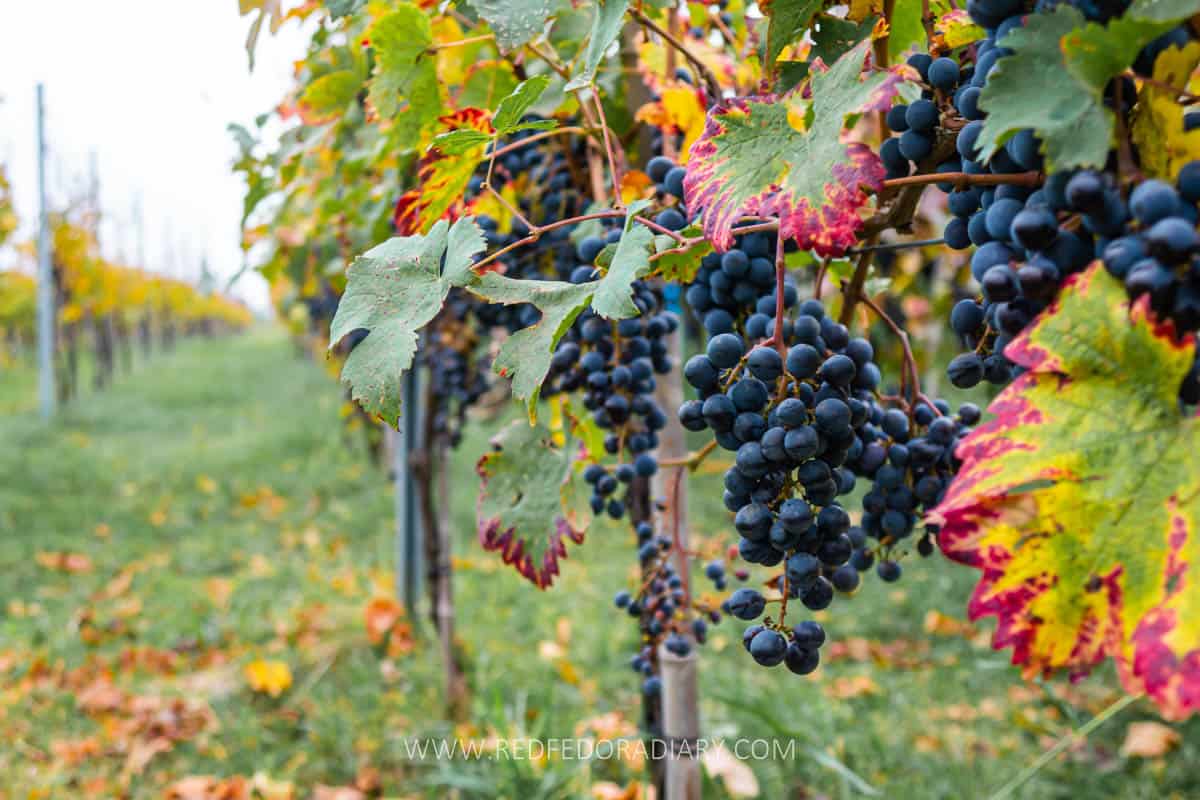
While the harvest mainly produces wine for the next year, it’s also linked to Georgian hospitality, traditional food, and celebration. Customs vary by region and household, so each family’s Rtveli is unique.
Plan Your Trip to Georgia Like A Pro
The history and traditions of Georgian Rtveli
A brief history of winemaking in Georgia
Georgia is one of the world’s oldest wine countries, with evidence of winemaking going back about 8,000 years. Pottery fragments found near Marneuli in southeastern Georgia had traces of wine, showing people made wine as early as 6000 BCE.
Over time, wine became central to Georgian culture, shaping religious practices and daily family life. Grapevine designs appear on churches, monasteries, and art, and wine is still at the heart of Georgian hospitality and celebrations.
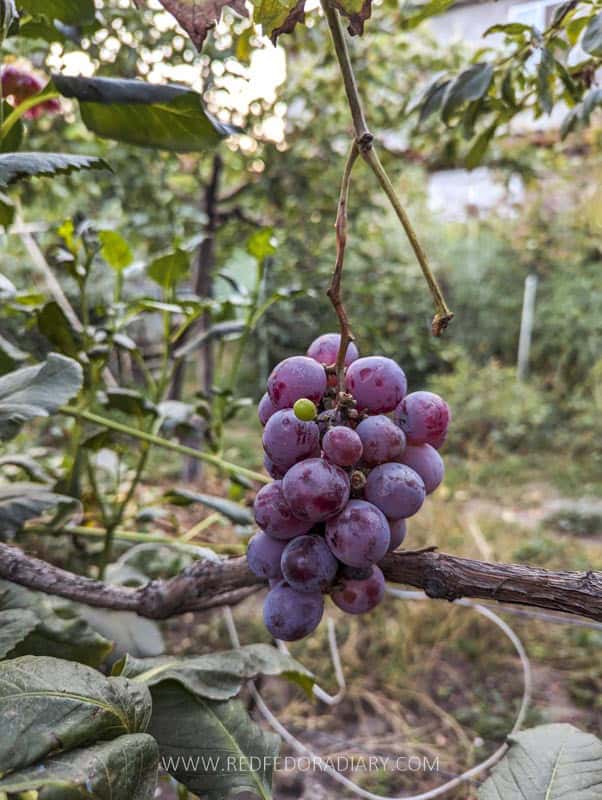
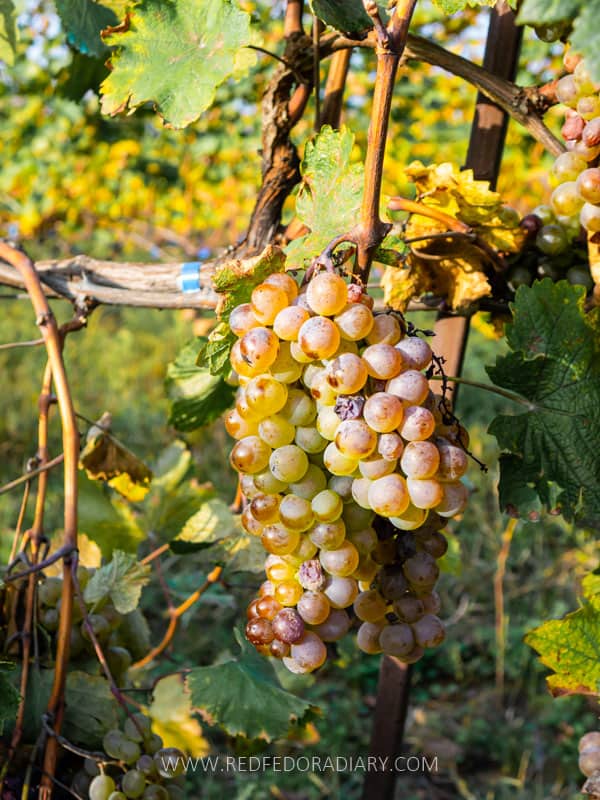
Georgia has over 500 native grape varieties, though only some are widely grown today. Saperavi and Rkatsiteli are two of the most famous, both closely linked to Kakheti, the country’s biggest wine region.
It’s hard to say exactly when Rtveli became the celebration it is now, but the wine harvest has always been a key event in Georgia’s farming calendar.
This link shows in the old Georgian name for October, Gvinobistve (ღვინობისთვე), which means “the month of wine.” The name comes from the fact that grape harvesting and winemaking were the month’s main activities in many areas.
Traditional grape harvesting and qvevri winemaking
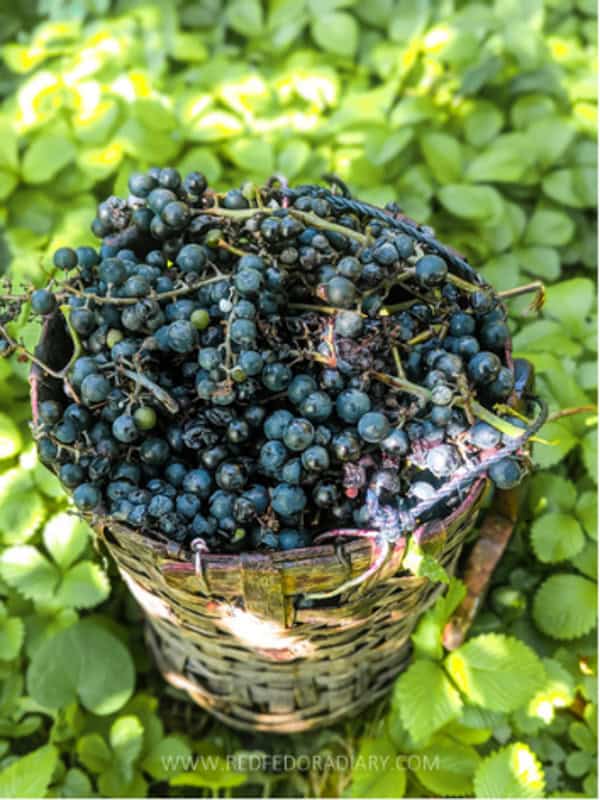
Traditionally, Rtveli in Georgia starts early in the morning, with people gathering in the vineyards to pick grapes. They collect the bunches in buckets or woven baskets called godori, then take them to a marani, the wine cellar.
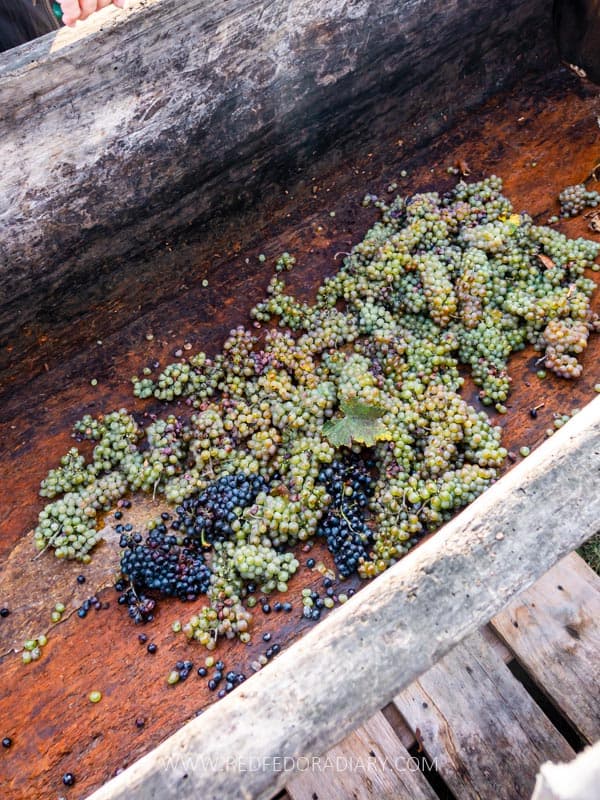
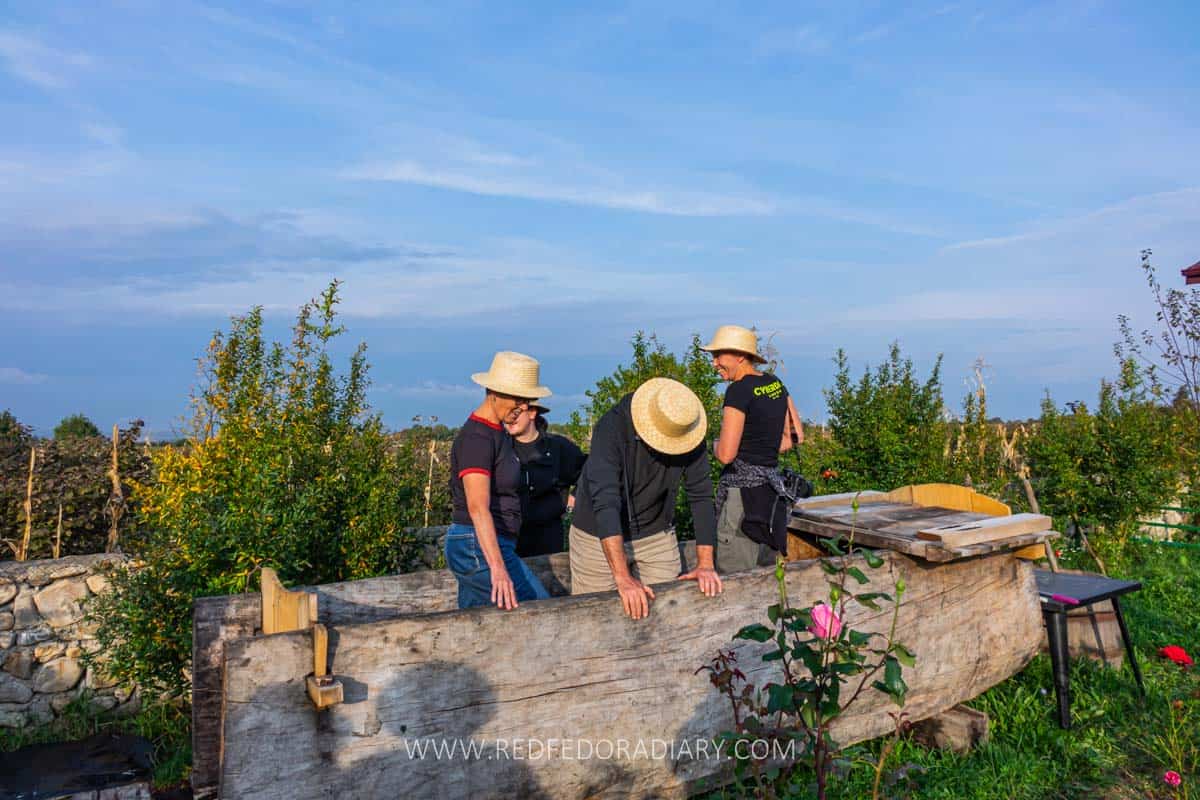
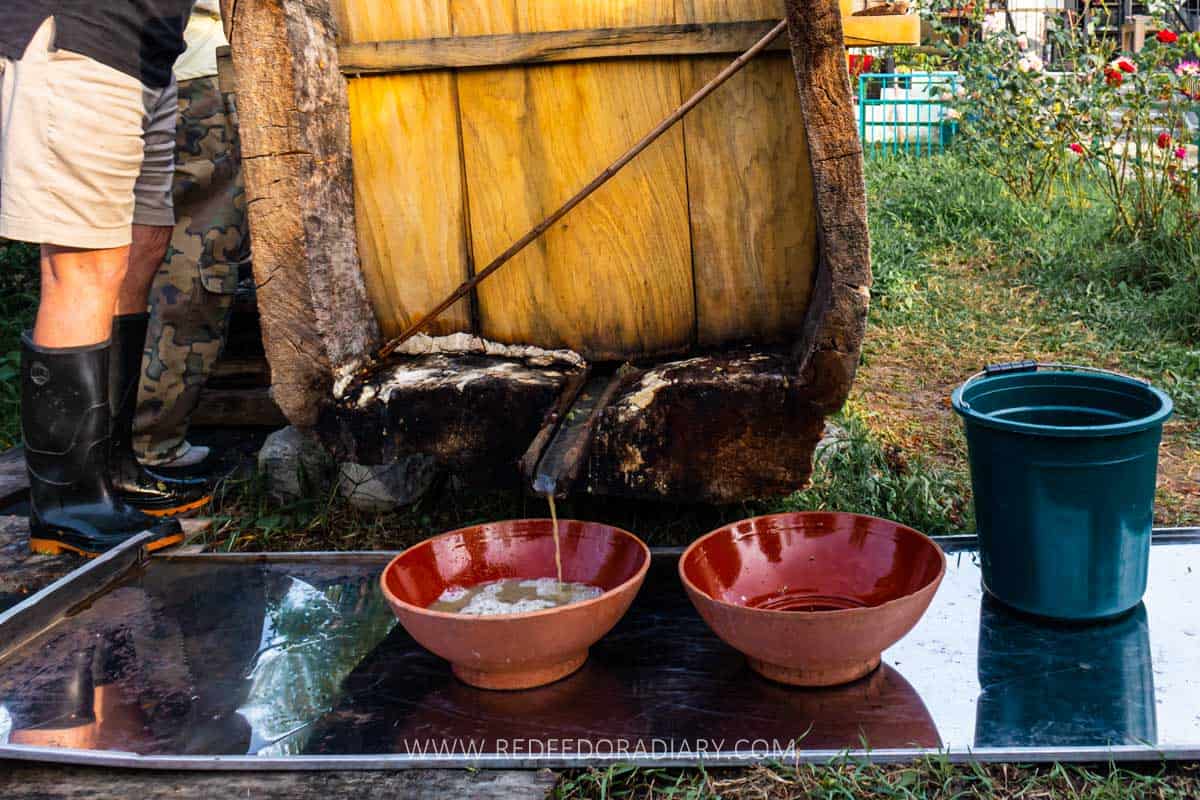
One of the oldest ways to process grapes uses a satsnakheli, a long wooden or stone trough. Grapes go inside and are pressed by foot to release juice. This gentle method avoids crushing the seeds, which can make the wine bitter.
Many modern wineries use machines to press grapes, but some families still stomp them by foot, often shown during Rtveli tours.

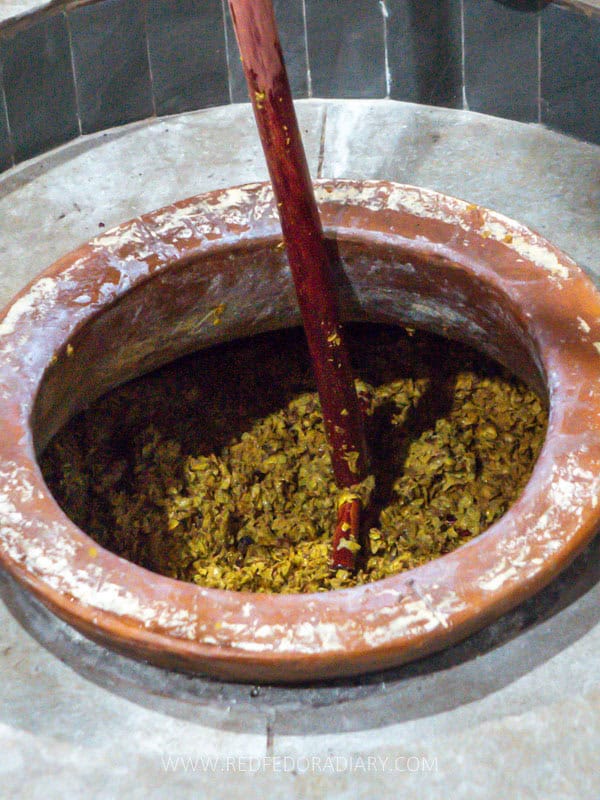
After pressing, they prepare the grape juice for fermentation. One of Georgia’s unique traditional methods uses a qvevri, a large, egg-shaped clay vessel buried in the ground to keep the temperature steady.
Depending on the method, the grape juice may ferment with the skins, seeds, and sometimes stems. This longer contact is typical for traditional Georgian amber wines, giving them their special color, tannins, and flavors.

In 2013, UNESCO recognized the traditional Georgian qvevri winemaking method as part of its Intangible Cultural Heritage of Humanity.
But the work isn’t over after the harvest. Winemakers watch the fermentation, care for the wine, and later separate it from the grape solids. The wine often keeps maturing in the qvevri until it’s ready to drink.
The role of family, food, and celebration
Rtveli is physically demanding, but the social side is just as important. For many families, especially in villages and small wine communities, it’s a time to bring relatives and friends together.
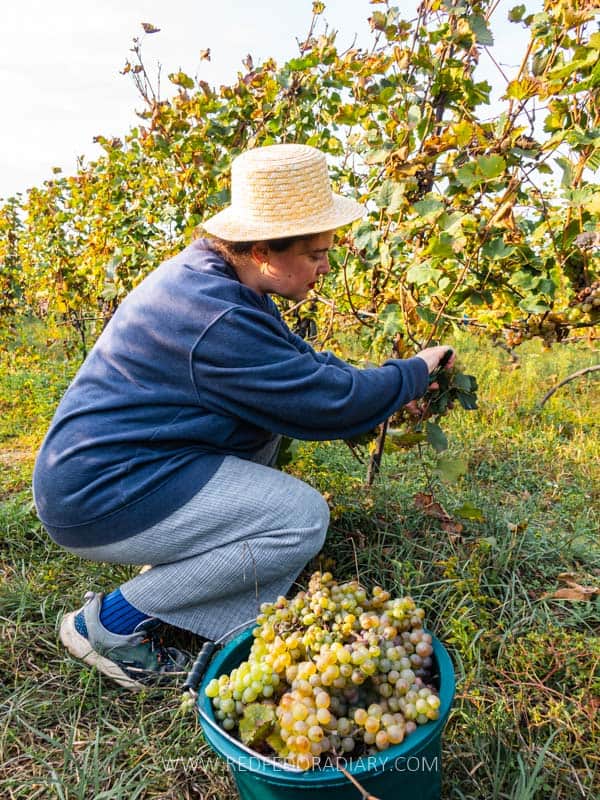

Traditionally, everyone helps out, whether it’s picking grapes, carrying baskets, getting the wine cellar ready, or cooking for the workers. Customs differ by region and household, but sharing the work and celebrating together are at the heart of Rtveli.
Food is also a big part of harvest time. In Kakheti, people often serve fresh shoti bread, homemade cheese, and mtsvadi (Georgian barbecue). Fresh grape juice is used to make tatara, a thick grape mix for churchkhela, one of Georgia’s famous sweets.
After a day of work, families often have a supra, a traditional Georgian feast with lots of homemade food, wine, and toasts. A tamada, or toastmaster, leads the group in toasts to family, friendship, peace, and the harvest.

Traditional songs and music often accompany the celebrations, showing the deep link between Georgian folk culture and winemaking.
Visitors on organized Rtveli tours might join in grape stomping, cooking, or a festive meal, but not every family includes these activities. Some keep things simple, while others make it a bigger event.
When is Rtveli season in Georgia?
Rtveli season in Georgia usually starts in late August or early September and can last until November or even December in some areas. Unlike a festival with set dates, the harvest depends on when the grapes ripen, so timing changes each year.
The start of the wine harvest depends on things like climate, altitude, weather, and grape type. Winemakers also check the grapes’ sugar and acidity to choose the best harvest time.
Usually, harvest season starts earlier in eastern Georgia and moves west, so travelers can experience Rtveli at different times during autumn.
Rtveli in Kakheti
Rtveli in Kakheti usually runs from late August or early September through October, with September being the busiest time for grape picking.
The harvest starts at different times in areas like Telavi, Kvareli, and Gurjaani. Timing also depends on the grape variety, with local grapes like Rkatsiteli and Saperavi picked when they’re ripe.
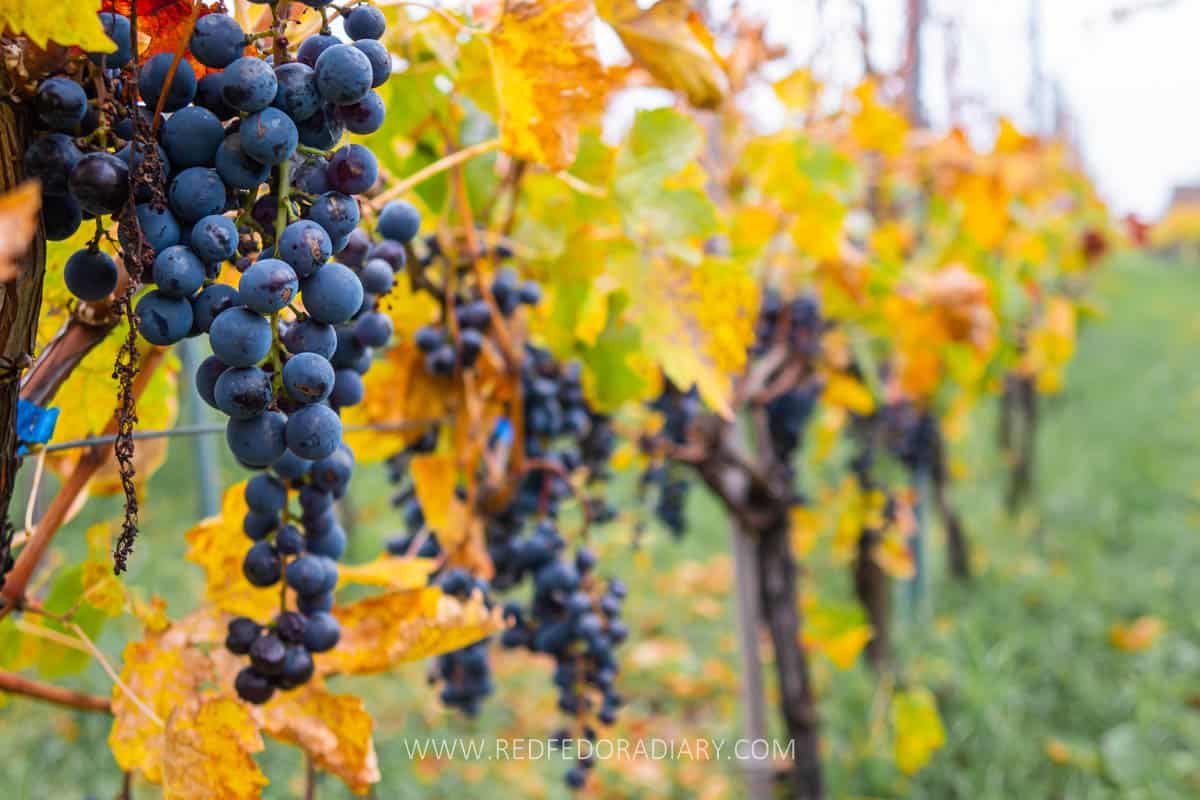
For travelers, September is usually the best time to experience Rtveli in Kakheti, since many wineries and tour operators offer grape picking and traditional winemaking activities then.
If you visit in October, you might still find harvest activities, especially at vineyards with late-ripening grapes. But options are more limited, so check Rtveli tour dates ahead of time.
Rtveli in other Georgian wine regions
Outside Kakheti, the grape harvest happens on a different schedule. In Kartli and Imereti, it’s usually in September and October, while in the mountains of Racha-Lechkhumi, it often goes into November.
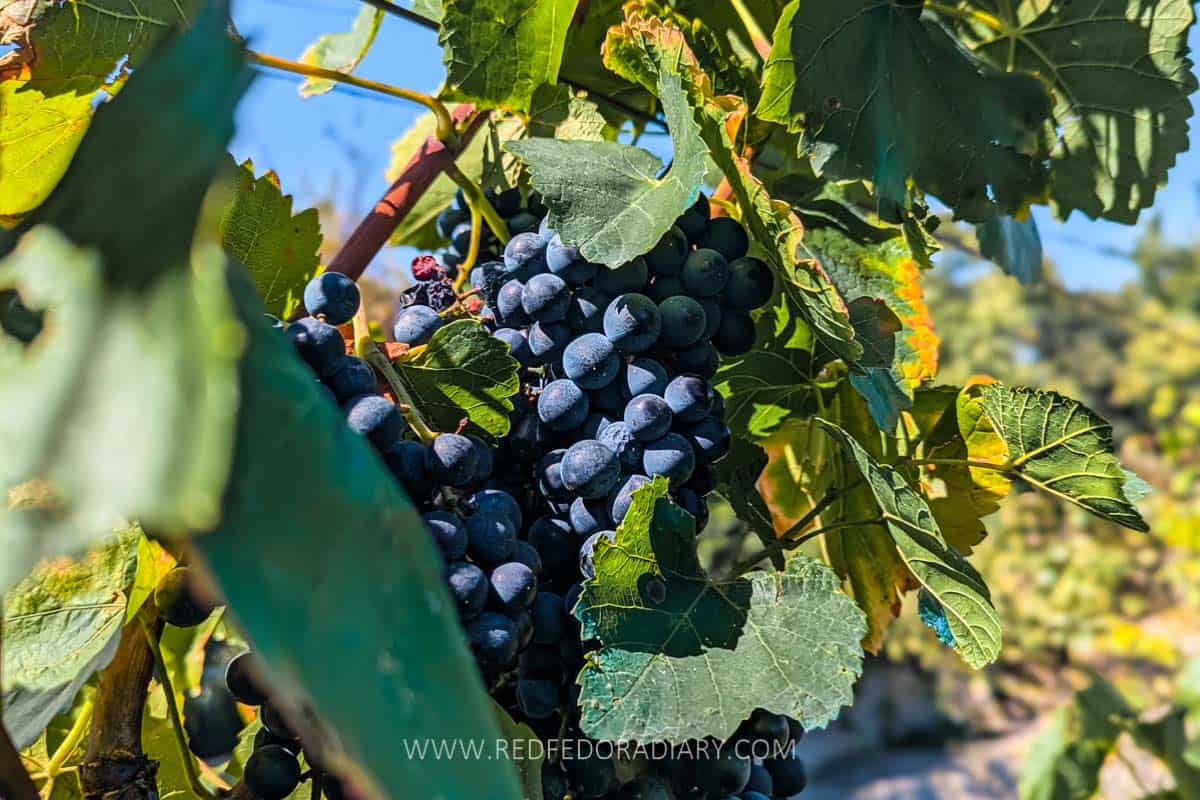
Guria and Adjara are some of the last regions to finish harvesting, with late grapes like Chkhaveri picked as late as December.
Here’s a general overview of when to expect Rtveli across Georgia:
- Kakheti: late August-October
- Kartli: September-October
- Imereti: September-October
- Racha-Lechkhumi: October-November
- Guria and Adjara: October-November
These are rough timeframes, not exact dates, so check with local wineries or tour operators before planning your trip around the harvest.
Where to experience Rtveli in Georgia
Rtveli happens across Georgia’s wine regions, but not every place offers the same visitor experience. Some offer organized grape harvest tours and winery visits, while others suit travelers who want to visit small, family-run vineyards and enjoy less formal activities.
Kakheti is the most popular and easiest region for experiencing Rtveli in Georgia, especially for first-time visitors or those short on time. In eastern Georgia, it’s the country’s largest wine region, with vineyards across the Alazani Valley and the foothills of the Greater Caucasus.
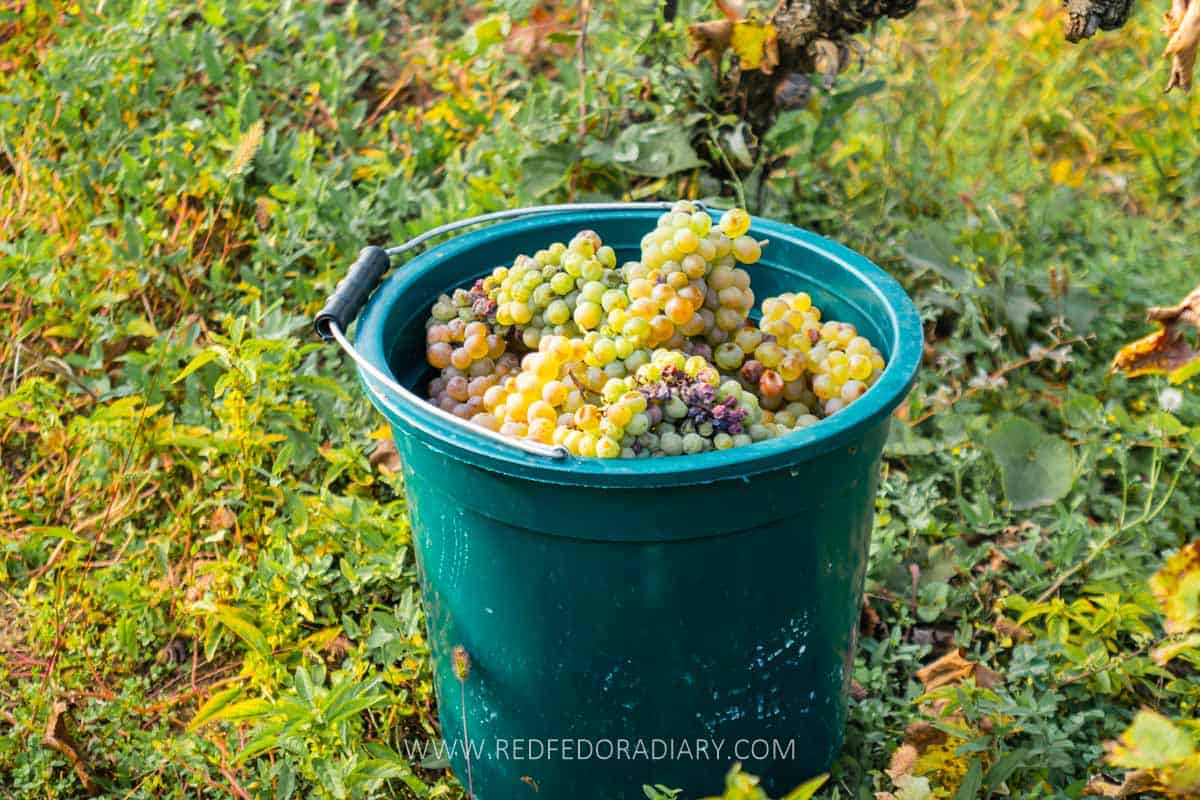
A big advantage of Rtveli in Kakheti is its proximity to Tbilisi. Depending on where you go, you can reach parts of the region in about 1:30 to 3 hours by car, so you can join a day tour from Tbilisi without staying overnight.
Kakheti has a strong wine tourism scene, with family cellars, big wineries, and local tour operators offering many ways to join the harvest. You can help a winemaking family for a hands-on experience or pick a relaxed tour with grape picking, tastings, food, and cultural activities.
If you’re only in Georgia for a few days, Kakheti is the most practical choice. If you have more time, stay overnight to explore the region’s historic towns, monasteries, and wineries beyond the harvest.
If you’ve already been to Kakheti or want to see another side of Georgian wine culture, other regions are worth a look. These places suit travelers with flexible plans who want to go beyond the main wine routes.
Imereti, in western Georgia, is known for small family vineyards and traditional winemaking in churi, the local word for qvevri. If you’re in Kutaisi or nearby, joining a local family for the harvest can be a great part of your trip.
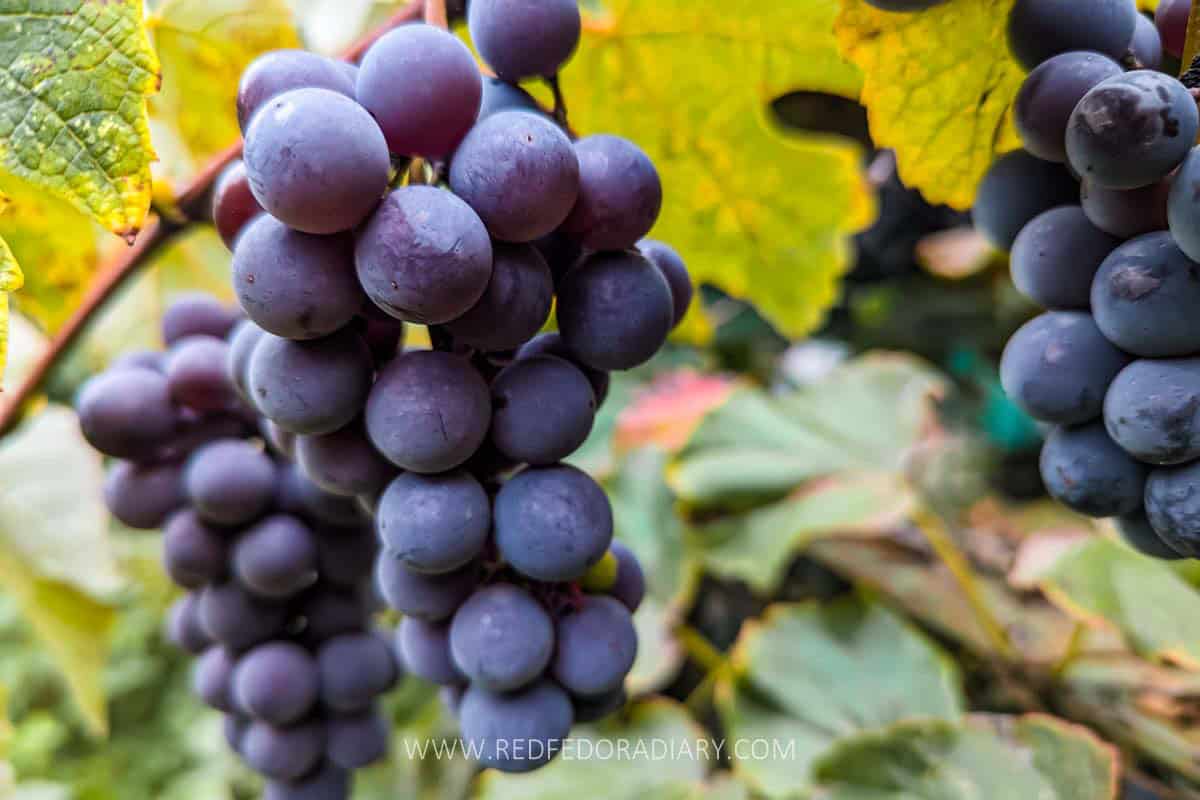
Racha-Lechkhumi is different, with mountain vineyards and small villages. It’s famous for Khvanchkara wine, made from Aleksandrouli and Mujuretuli grapes. You can join Rtveli and also explore Racha’s villages, mountain views, and local food traditions.
Kartli, closer to Tbilisi, is another option. It’s less known for wine tourism than Kakheti but has a long winemaking history and local grapes like Chinuri and Goruli Mtsvane. It’s a good choice if you want to visit a different wine region without going far from the capital.
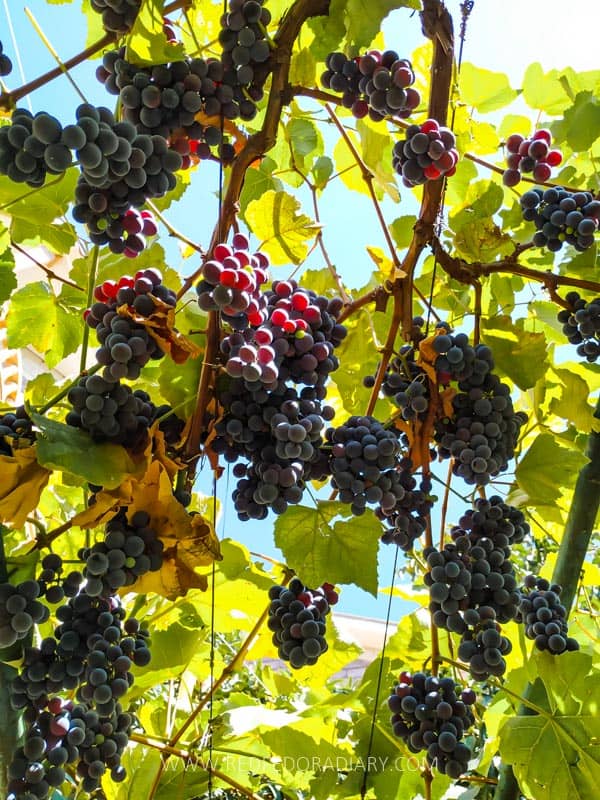
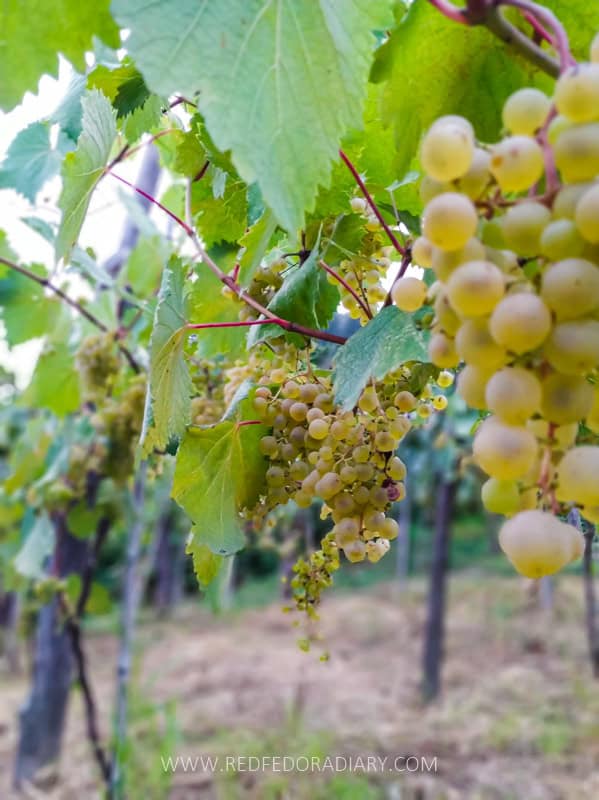
Guria and Adjara in western Georgia show another side of traditional grape growing. Unlike Kakheti’s large vineyards, you’ll see vines on overhead trellises and other traditional supports, reflecting the region’s unique farming styles. These areas are interesting if you’re already in western Georgia and want to learn about lesser-known wine traditions.
Unlike Kakheti, where Rtveli tours are easy to find, harvest experiences in these regions need more planning. Contact local wineries or family guesthouses ahead of time to see if they welcome visitors and what activities they offer.
How to join a Rtveli experience in Georgia
You don’t have to know a winemaking family in person to participate in Rtveli in Georgia. Visitors can experience the grape harvest by joining an organized tour or arranging a visit directly with a local winery or family vineyard.
Both options let you learn about Georgian wine and traditional winemaking, but they offer different experiences. Here are a few options to consider.
Booking an organized Rtveli tour
Joining an organized Rtveli tour is one of the easiest ways to experience Georgia’s grape harvest, especially if you’re in Tbilisi and don’t have your own transport.
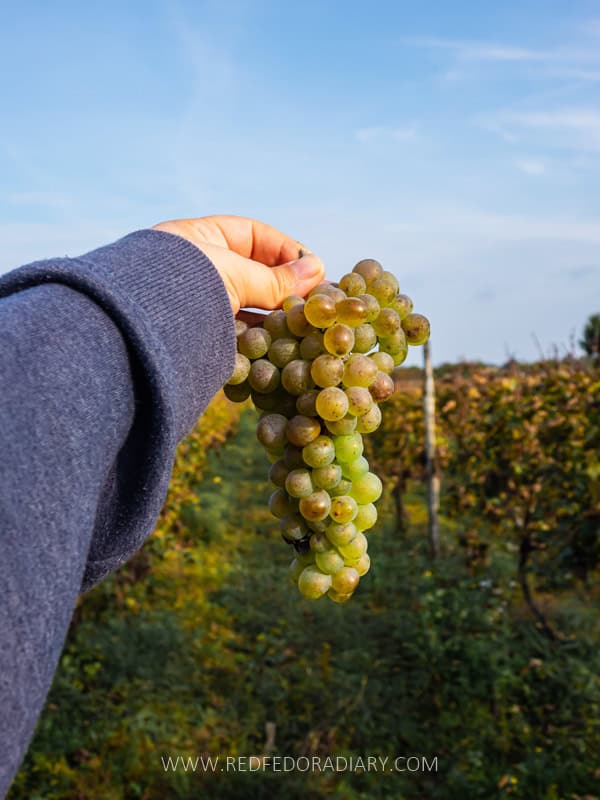
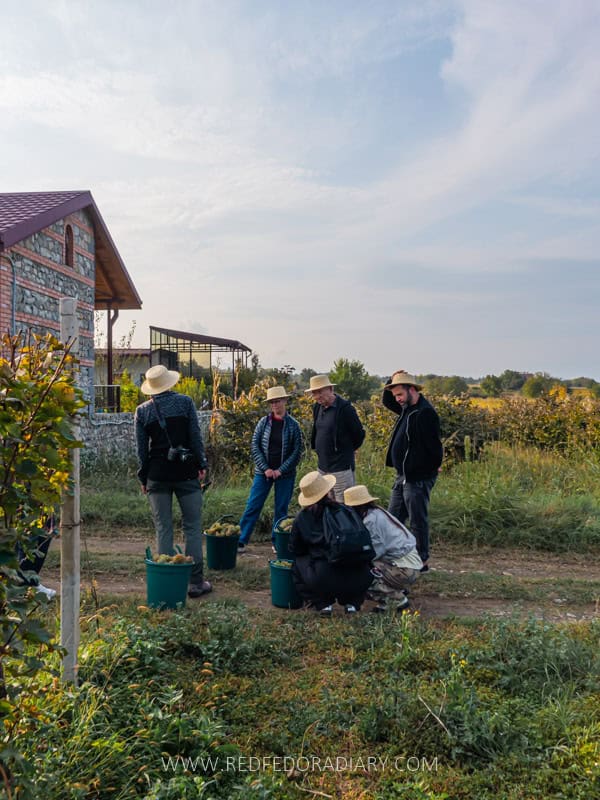
Depending on the tour, you might pick grapes, try traditional pressing, visit family wineries, taste wine, cook Georgian dishes, and enjoy a supra with local winemakers. Most full-day tours include transport, a guide, food, and wine, so you don’t have to plan everything yourself.
One company I recommend is Eat This! Tours, a boutique operator for small-group food and wine trips. I’ve taken their winter Sighnaghi wine tour and joined Rtveli with them too (more details below).
They offer two Rtveli experiences in Kakheti, depending on how much you want to take part in the harvest.
Real Family Rtveli — for a hands-on grape harvest
This is the more hands-on option, where you join a winemaking family on their real harvest day and help pick grapes for their wine.
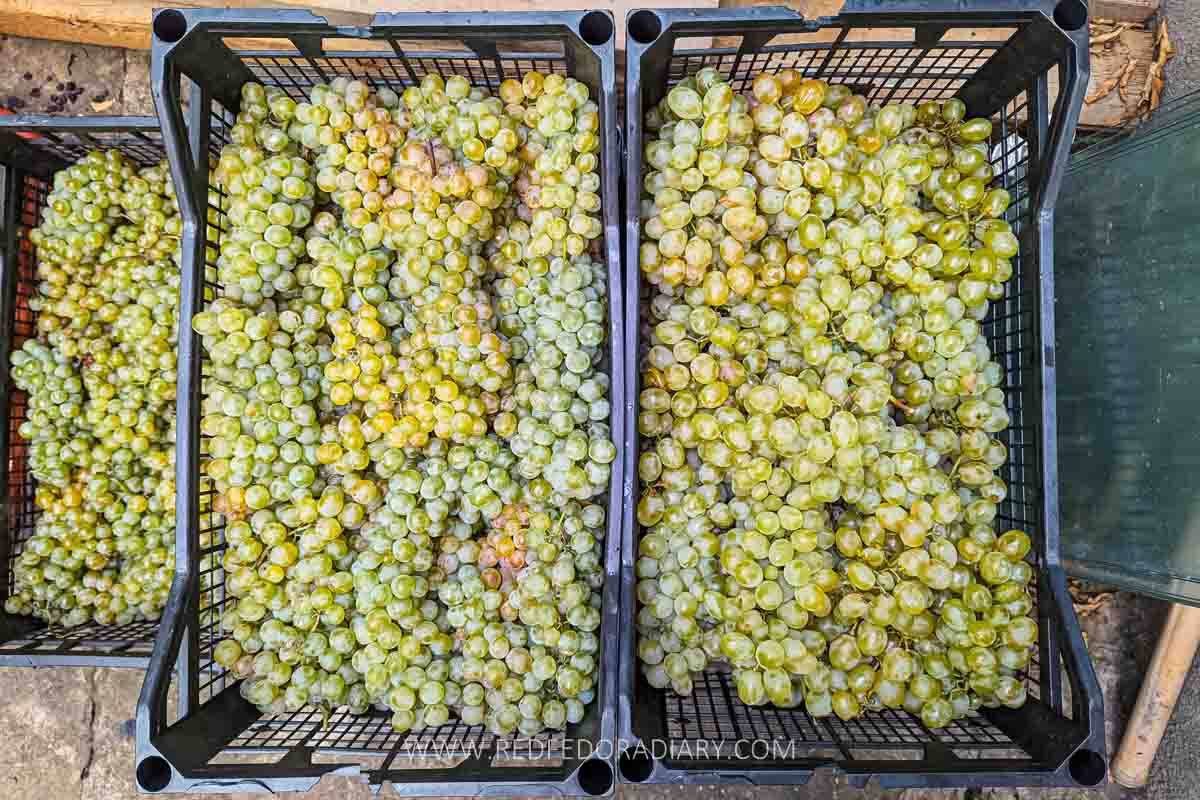
Instead of just a short demo, you’ll work alongside the family, friends, and neighbors in the vineyard. The day also includes traditional food, wine, and a big Georgian feast. The exact plan depends on the family and vineyard.
These tours only run on certain dates, based on grape ripeness and the winemaker’s schedule, and they often sell out fast. If you want this experience, book as soon as you know your Georgia travel dates.
→ Check Real Family Rtveli dates
Everyday Rtveli — for a relaxed food and wine experience
This full-day tour from Tbilisi includes a short grape-picking activity, winery visits, wine tastings, traditional Georgian food, and cultural experiences near Telavi.
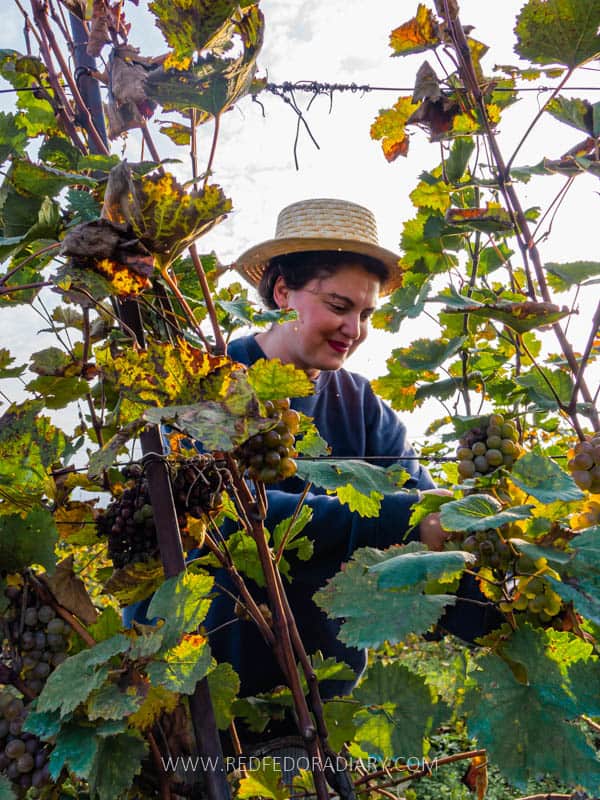
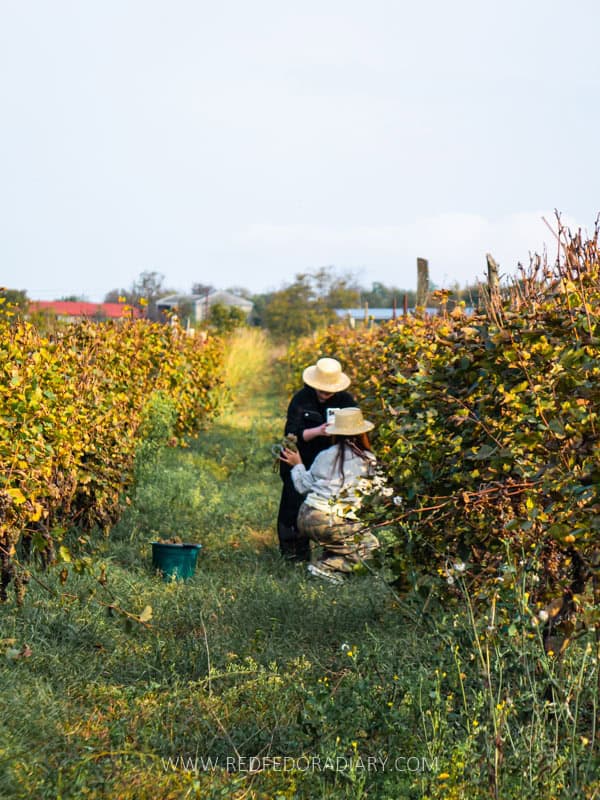
Unlike Real Family Rtveli, this tour focuses less on hours of grape picking and more on experiencing different parts of Georgian wine culture in one day.
It’s a good choice for travelers who want a varied itinerary or have limited time in Georgia. I share more about this tour and my experience below.
→ Book your Everyday Rtveli tour
No matter which tour you pick, use code RFD5 at checkout for 5% off.
Disclosure: Eat This! Tours hosted me for an Everyday Rtveli experience. This article has affiliate links, so I may earn a commission if you book through them, but it won’t cost you extra. All opinions and recommendations are my own.
Experiencing Rtveli independently
If you like to explore on your own, you can arrange a Rtveli experience directly with a winery or guesthouse that makes its own wine.
This is a good choice if you’re staying in Kakheti or another wine region for a few days and want to spend time with a local winemaking family instead of following a set group tour.
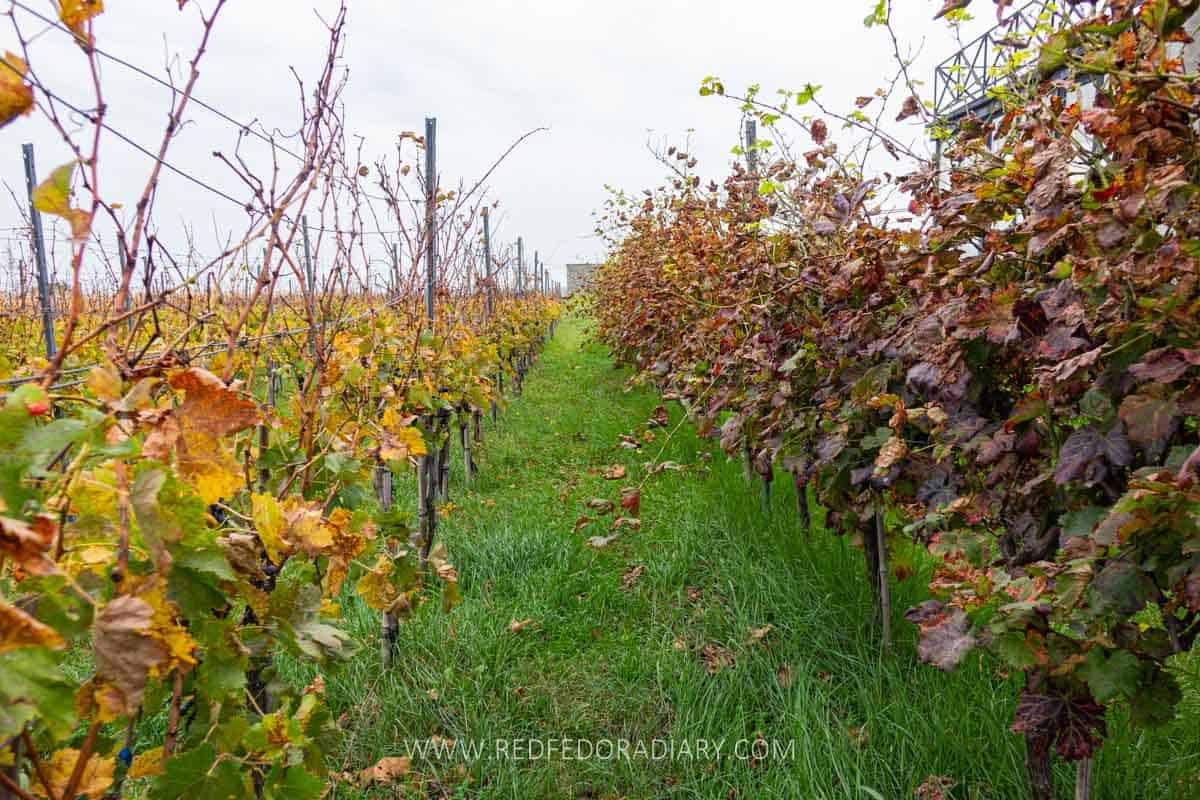
But Rtveli is mainly a working harvest, and not all wineries let visitors join in. Even places that offer tastings or tours year-round might not offer grape-picking activities.
The best approach is to contact wineries or family guesthouses before your trip and ask whether they offer harvest experiences, what’s included, and whether you can join real grape picking or just a demo.
Remember, the harvest date depends on grape ripeness and weather, so plans can change on short notice. A flexible schedule makes it easier to join in.
If you’re traveling on your own, you’ll need to arrange transport to and from the vineyard, especially if you plan to enjoy wine tasting or a supra. Hiring a driver or staying nearby is usually better than driving yourself.
My experience joining an Everyday Rtveli tour in Kakheti
I joined the Everyday Rtveli tour by Eat This! Tours, which mix a short grape harvest with visits to family wineries, wine tastings, Georgian food, and cultural activities near Telavi.
Our first stop was the Telavi Bazaar, where we explored the market and learned about seasonal and local Georgian produce. It was a great introduction to the ingredients found on a traditional supra, from fresh veggies and herbs to cheeses and other local foods.
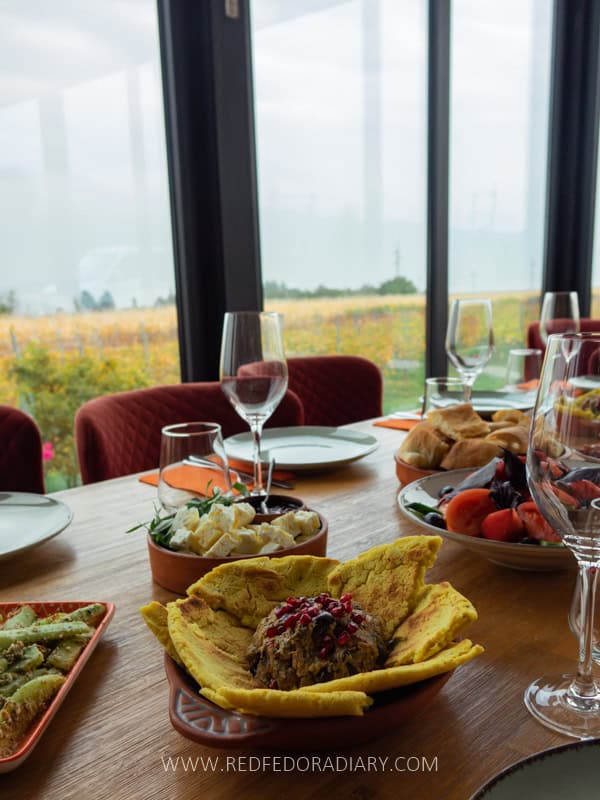

Next, we went to Rtoni, a winery near Telavi, for our first wine tasting. We tried four wines, including a local Chardonnay, and had a nice lunch. Like the other wineries on the tour, Rtoni uses traditional qvevri winemaking.
After that, we visited a workshop run by Zaza Kbilashvili, a fourth-generation qvevri maker. It was my second time meeting the craftsman, and I found it just as interesting as my first visit in Imereti. Only a few traditional qvevri makers remain in Georgia, so these workshops are important to keeping the craft alive.
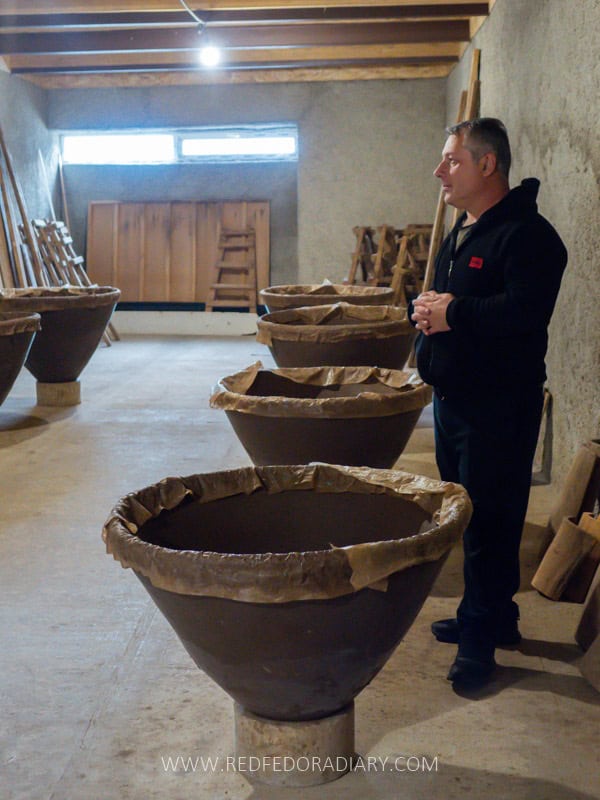

Zaza showed us how he makes these big clay vessels by hand, explained the techniques, and talked about the patience needed to finish one. It’s a long process that takes a lot of skill, especially for large vessels that hold thousands of liters. We also tasted his homemade wines and chacha (a strong spirit made from winemaking leftovers) before moving on.
Our last stop was Gvinis Bilikebi, a family winery where we finally joined in the grape harvest.
We went into the vineyard with buckets and picked grapes for a short time. Once we had enough, we brought them back and got ready to stomp them in a satsnakheli, a traditional grape-pressing trough.
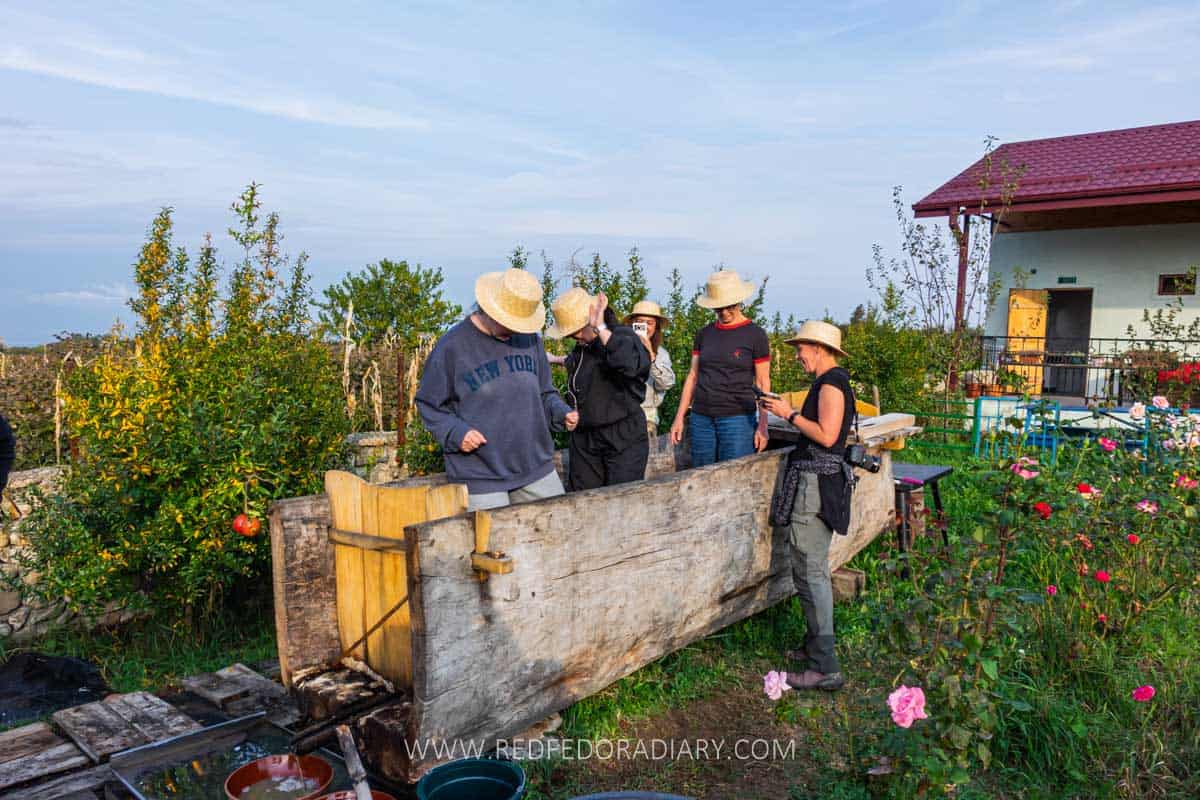
The harvest was short, but grape stomping was a fun, hands-on way to try one of the oldest wine-making methods.
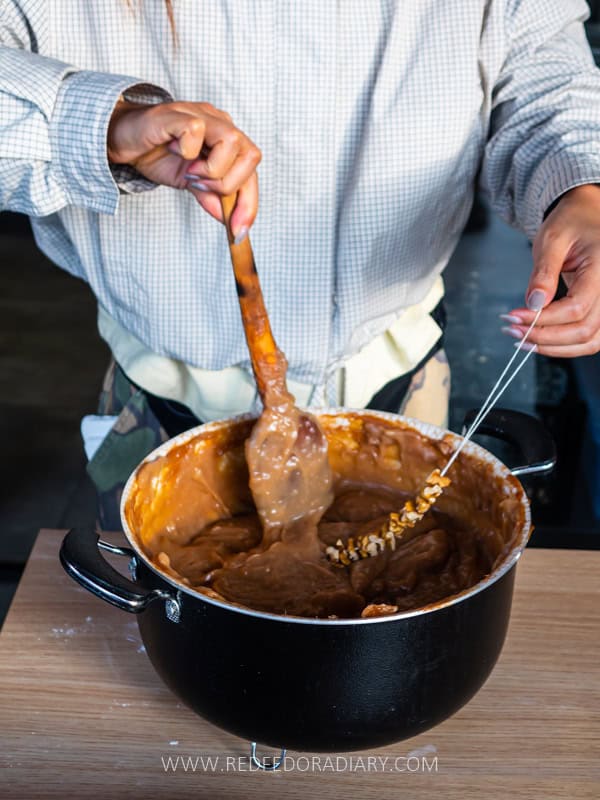
After that, we watched a churchkhela-making demo, and each of us dipped a string of walnuts into tatara, a thick mix of grape juice and flour.
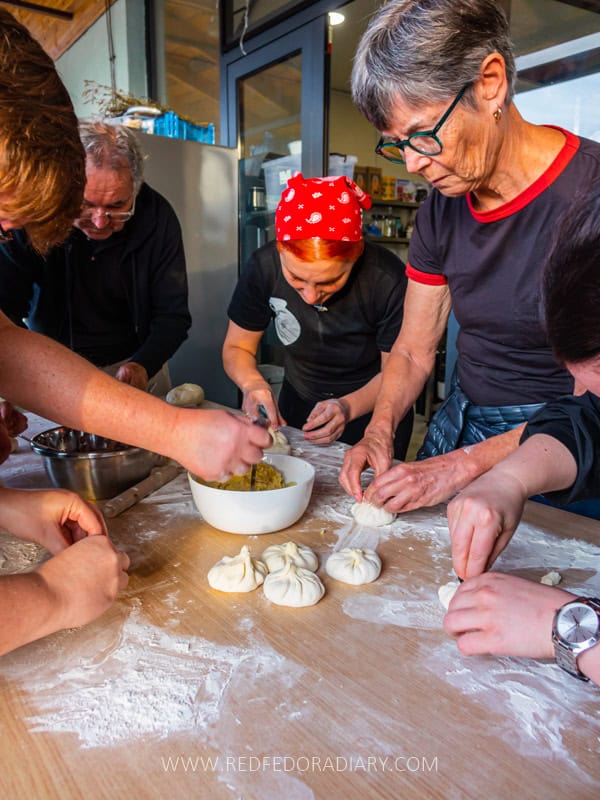
We also tried our hand at making khinkali, Georgia’s famous dumplings, before sitting down for another wine tasting, where we learned more about the winery’s wines and traditional production methods.
The day ended with a Georgian supra, featuring plenty of homemade food, local wine, and the chance to enjoy our hosts’ hospitality.
→ Book your Everyday Rtveli tour here and don’t forget to use RFD5 at checkout for 5% off.
What I thought of the Rtveli tour
I think the tour is a great choice if you want to experience different parts of Georgian food, wine, and culture in one day.
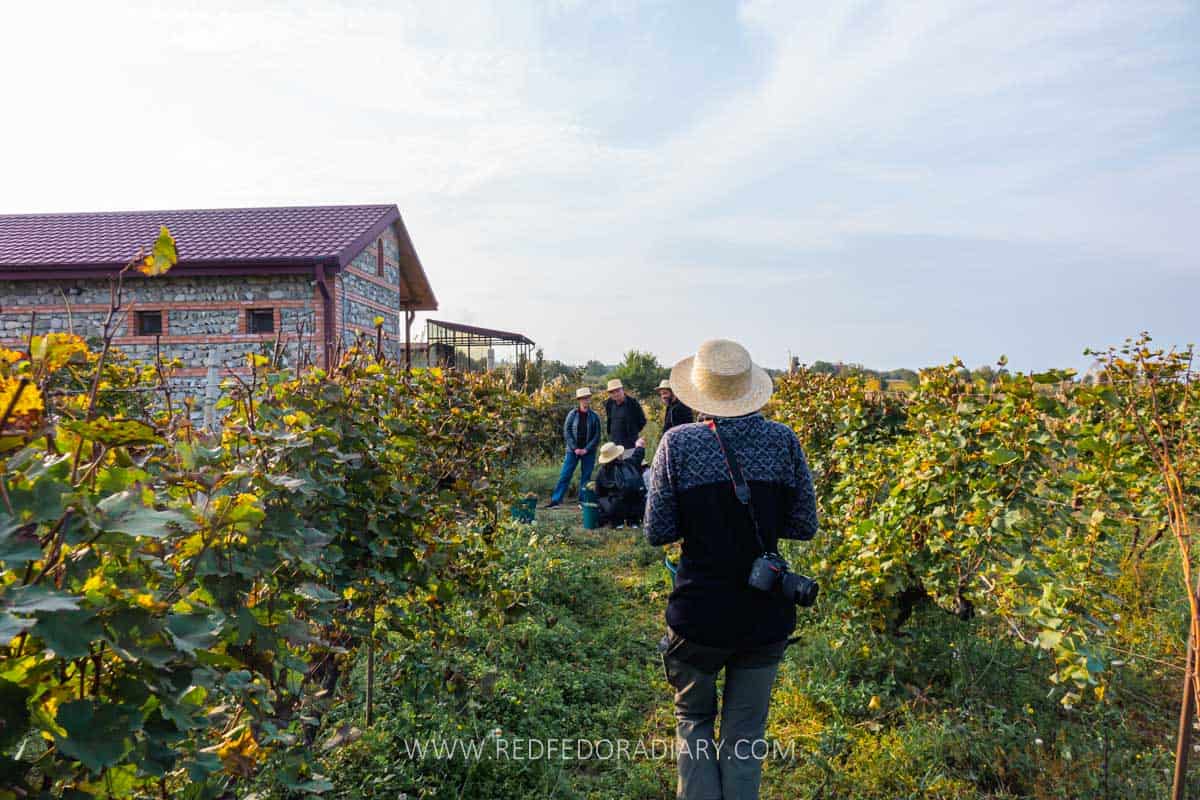
I especially liked visiting Telavi Bazaar and the traditional qvevri maker, since these stops gave more context about the ingredients, skills, and traditions behind Georgian wine and food. They made the experience more varied than a typical Kakheti wine tour.
But if your main goal is to take part in a real grape harvest, I wouldn’t recommend this tour. Time in the vineyard is short, and you won’t do the same work as families making their yearly wine.
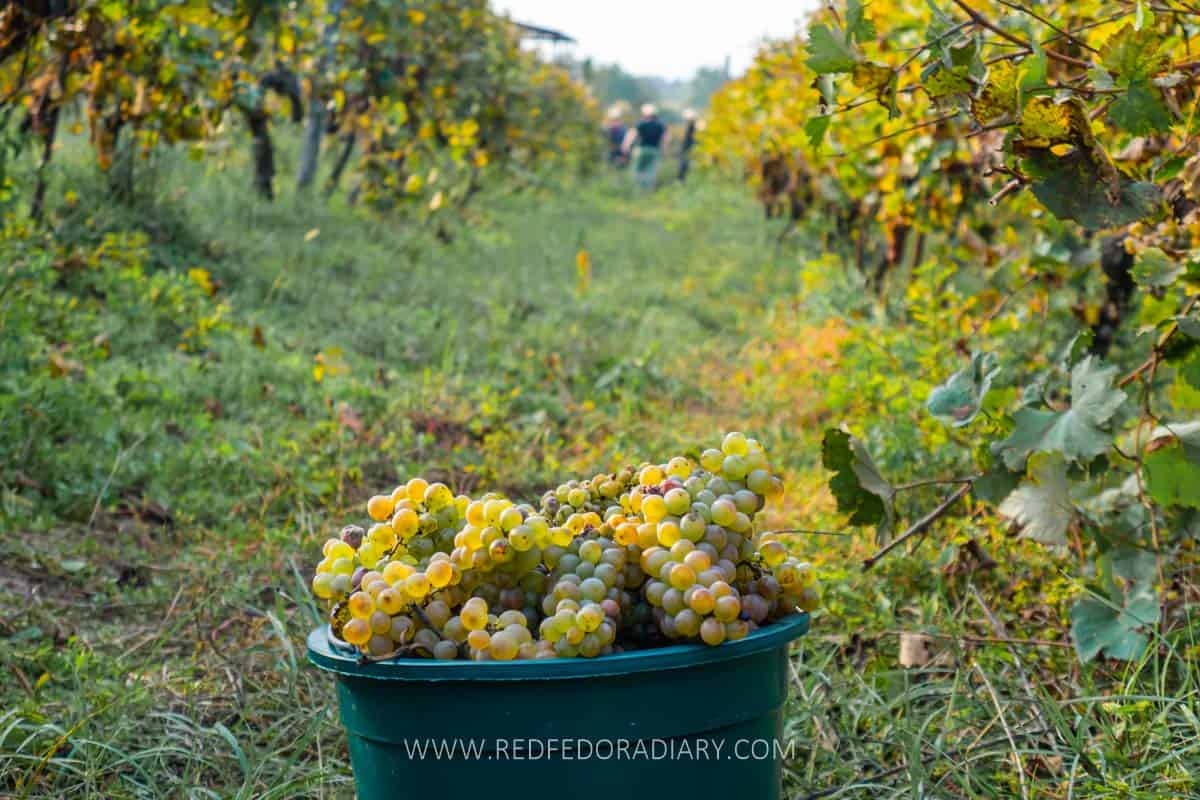
For that, I’d suggest looking into Eat This! Tours’ Real Family Rtveli, which helps a winemaking family with their harvest.
If you like wine tastings, local food, and cultural activities, Everyday Rtveli is a great way to experience several Georgian traditions in one day trip from Tbilisi.
Practical tips for experiencing Rtveli in Georgia
- Wear comfortable clothes: Pick clothes you don’t mind getting dirty or stained with grape juice, especially if you’ll be picking or stomping grapes.
- Bring good shoes: Closed-toe shoes with good grip are best for walking in vineyards, where the ground can be uneven, muddy, or slippery.
- Check the weather: Early autumn in Kakheti can be warm, so bring sunscreen, a hat, and sunglasses. Later in the season, a light jacket or raincoat might be useful.
- Bring water: Harvesting grapes can be hard work, especially if you spend hours in the vineyard under the sun.
- Be ready for a flexible schedule: Harvest activities depend on weather and grape ripeness, so plans can change quickly.
- Don’t feel pressured to drink: Wine tastings and supras are common, but you can always skip alcohol or a toast if you want.
Most importantly, remember that Rtveli is a working agricultural tradition, not just a tourist activity. If you’re joining a family during their actual harvest, follow your hosts’ instructions and respect their time and work.