
Tbilisi Opera House: How to Visit, Tickets & Tips
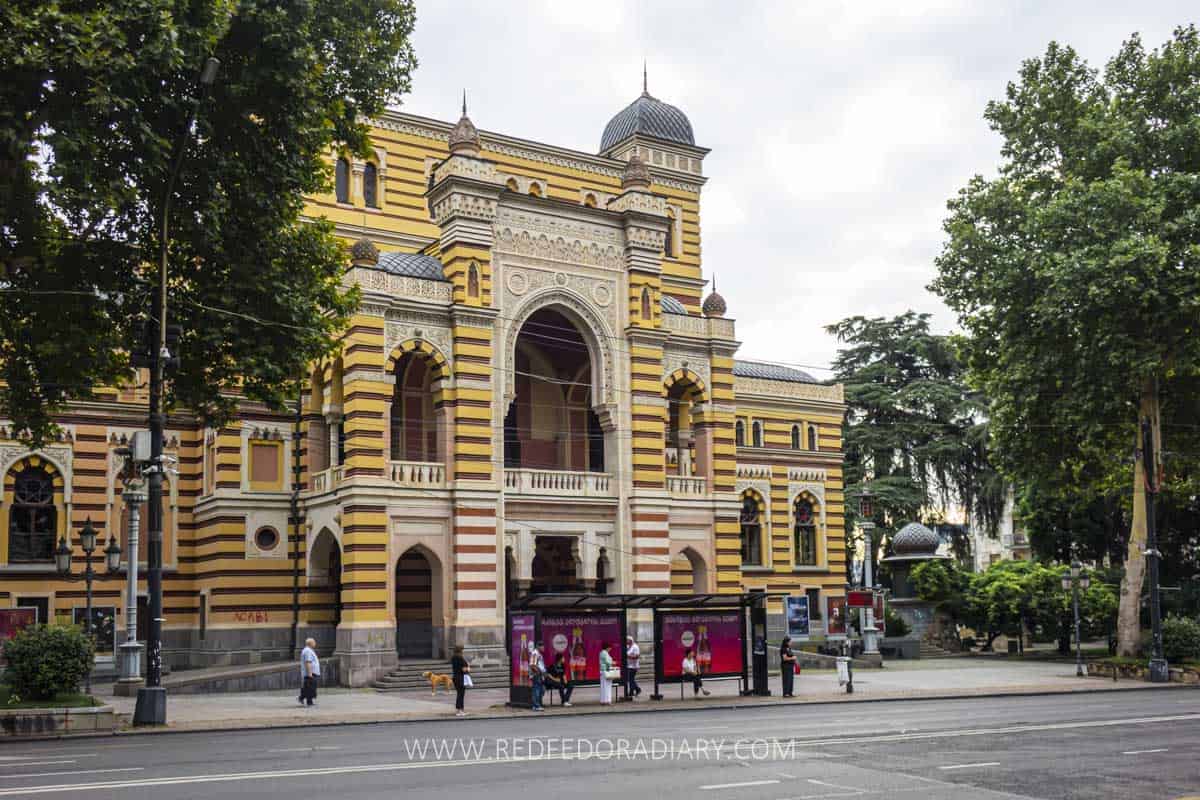
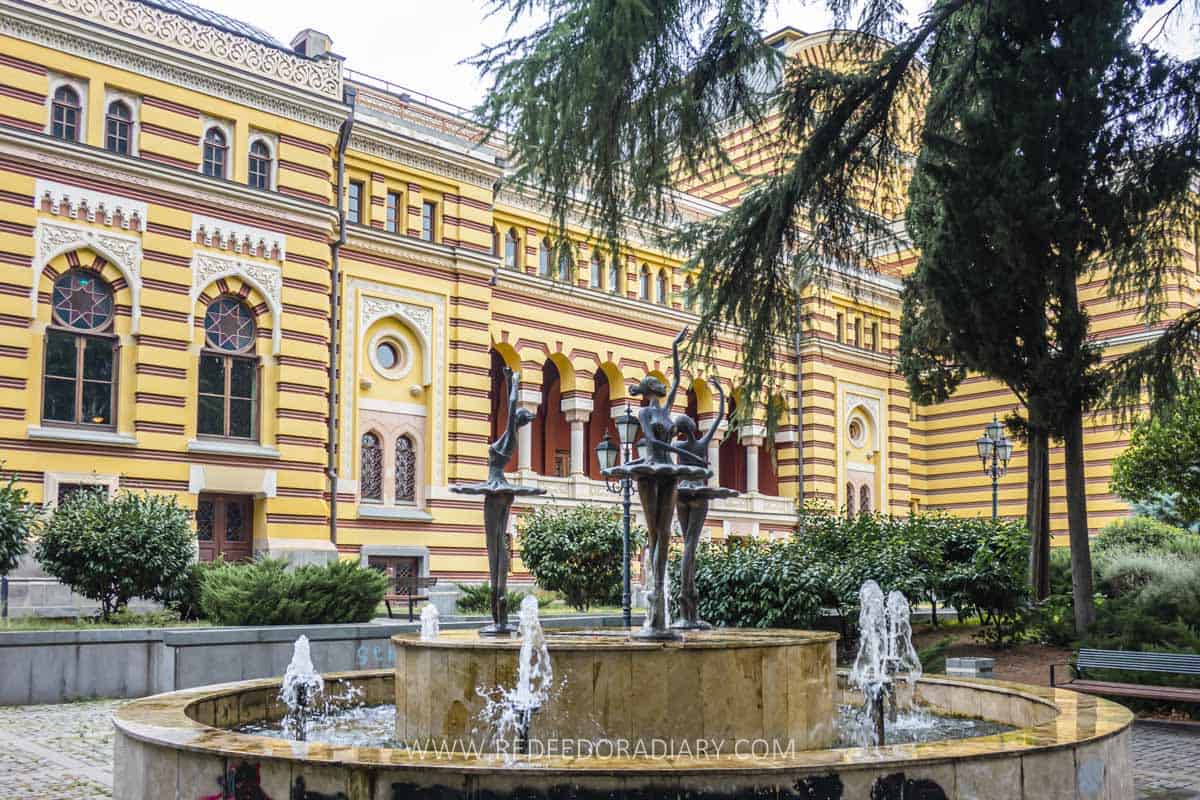
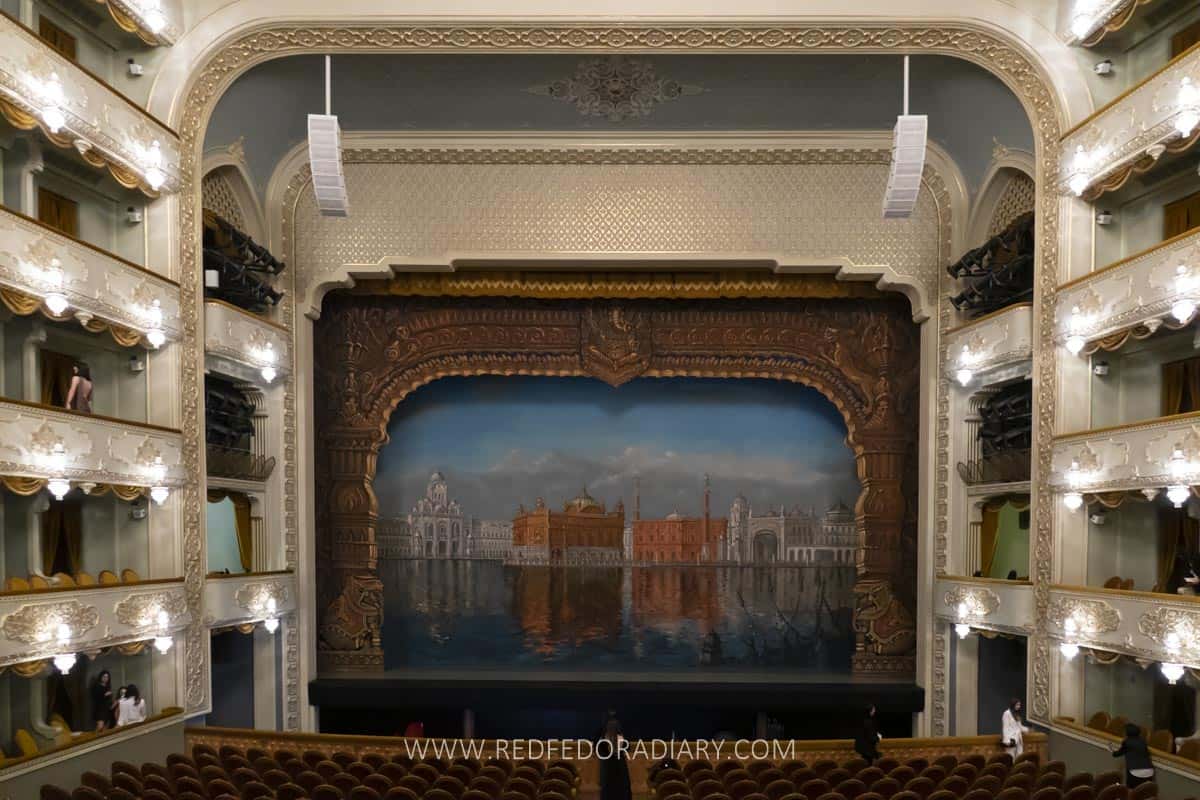
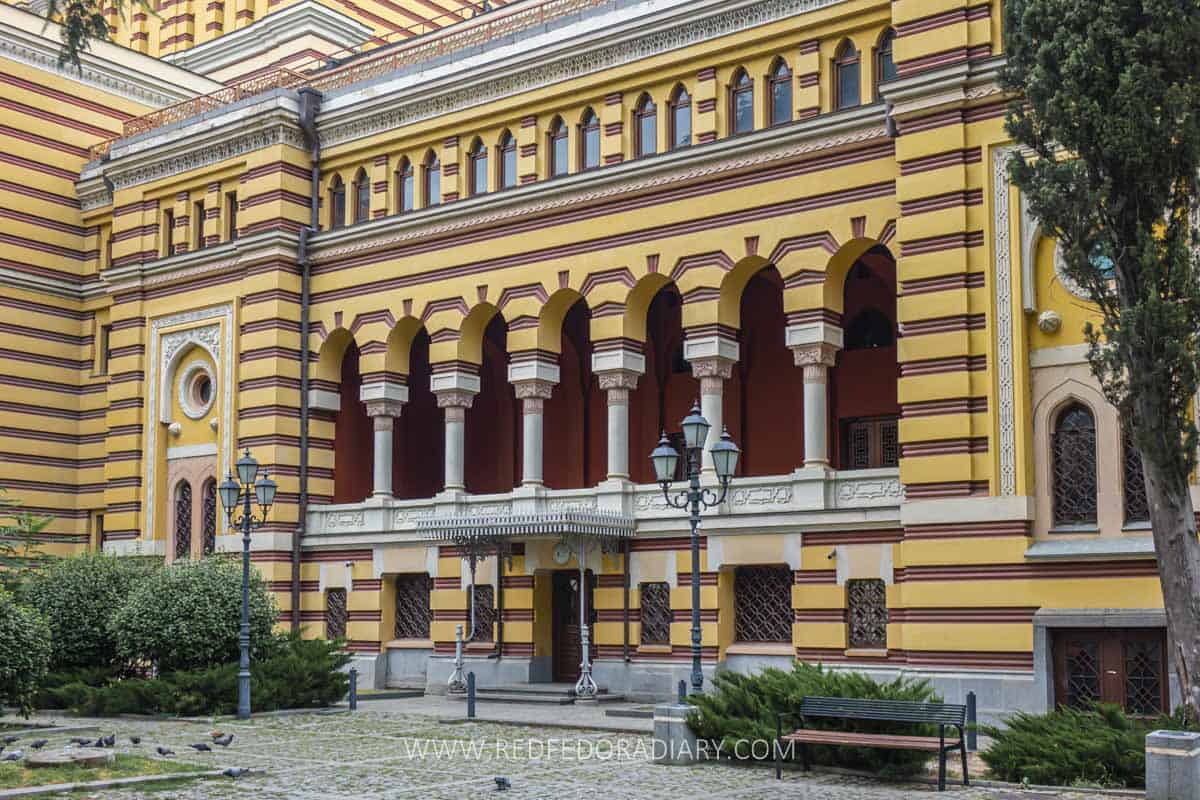
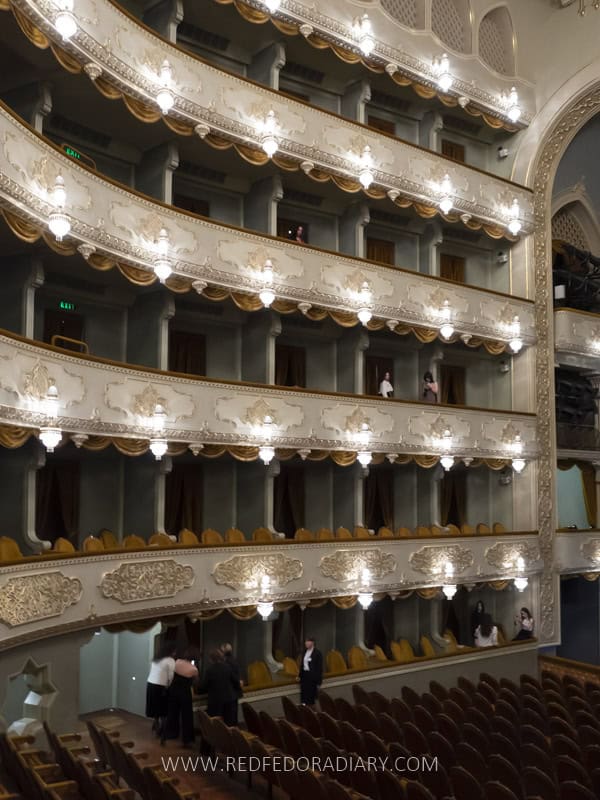
The Tbilisi Opera is one of the city’s most beautiful cultural landmarks, and it becomes even more impressive once you step inside. Its striking Moorish Revival exterior, with a striped façade, arched windows, and distinctive decorative details, gives way to an even more elaborate and richly decorated interior.
When walking along Rustaveli Avenue, it’s hard to miss the Opera, as it looks unlike almost any other building on Tbilisi’s main avenue. It’s also well worth adding to your Tbilisi itinerary, especially if you enjoy architecture or want to experience one of the city’s most important cultural institutions.
Unlike many historic opera houses around Europe, you can’t simply walk in during designated visiting hours to admire the architecture, and guided tours haven’t been available for years. Attending a performance is the obvious option, but it’s not the only way.
In this guide, I’ll walk you through how to visit the Tbilisi Opera and Ballet Theatre, including a workaround I’ve personally tried if you mainly want to see the interior. You’ll also find practical information on tickets and prices, the performance season and current program, what to wear, when to arrive, and more.
Tbilisi Opera House practical information
- Address: 25 Rustaveli Avenue, Tbilisi
- Nearest metro: Rustaveli Metro Station, about a 5-minute walk away
- Box office: Located at the Opera House; tickets can also be purchased online through TKT.GE
- Official website: opera.ge
- Performance schedule: Performances are typically held on Fridays, Saturdays, and Sundays during the season, but always check the current calendar before your visit
- Recommended arrival: 30–40 minutes before the performance, especially if you want time to explore the interior
- Guided tours: Not currently available
A brief history of Tbilisi Opera
The history of Tbilisi Opera goes back to 1851, making it one of the oldest opera institutions in this part of Europe and the first opera theater in Transcaucasia. However, the beautiful Moorish Revival building you see today on Rustaveli Avenue is not the original opera house.
The story begins several decades after Georgia was annexed by the Russian Empire in 1801. An unsuccessful plot by Georgian nobles against Russian rule in 1832 led to arrests and repression, straining relations between the local aristocracy and the imperial authorities.
Mikhail Vorontsov, Viceroy of the Caucasus, later introduced several cultural initiatives in Tbilisi, including the establishment of an opera theater. While presented as a public-benefit project, the theater also served a political purpose: bringing the Georgian aristocracy into Imperial social and cultural life and, in turn, discouraging further opposition to Russian rule.
Tbilisi’s first opera house on today’s Freedom Square
The first Tbilisi Opera stood on today’s Freedom Square (Erivansky Square back then), inside the grand caravanserai belonging to merchant Gabriel Tamamshev. The enormous commercial complex housed 266 shops and businesses of various sizes, with the opera theater incorporated into the building.

Italian architect Giovanni Scudieri, who had moved to Tbilisi from Odesa, was commissioned to design the building. Construction began in 1847 and was completed in 1851.
The theater was particularly impressive inside. Its lavish Moorish-style interior featured colored velvet, expensive silks, and gold-and-silver details. A huge chandelier weighing more than 1,200 kilograms was shipped in pieces from Marseille to Georgia’s Black Sea coast and then transported for more than 300 kilometers to Tbilisi by buffalo.
Russian painter and architect Grigory Gagarin designed the theater’s artwork and decoration.
The building attracted attention far beyond Tbilisi. In October 1851, the Parisian illustrated newspaper L’Illustration published an extensive article about the new theater accompanied by two images of its interior. The author described it as one of the most elegant and beautiful theatrical buildings he had seen.
My tip: You can see an image of Tbilisi’s original Opera House at the Art Palace of Georgia, one of the museums I include in my guide to Tbilisi museums.
The theater officially opened on April 12, 1851, although its stage was not yet finished. Instead of an opera, the opening celebration included a masked ball and a charity fundraiser.
Later that year, an Italian opera company opened its first official season with Gaetano Donizetti’s Lucia di Lammermoor in November 1851. They staged 12 different operas during their three-month stay, helping establish an operatic tradition in the city.
The fire that destroyed the first Tbilisi Opera
Tbilisi’s first opera house survived for just over two decades.
On October 11, 1874, a fire broke out shortly before a scheduled performance of Vincenzo Bellini’s Norma. Despite the fire brigade being located across the street, the response was reportedly slow, and the building was completely destroyed. The fire also wiped out the theater’s musical library, costumes, scenery, props, and Gagarin’s artwork.
As with many dramatic events in Tbilisi’s history, several urban legends and conspiracy theories developed around the fire.
One story claims that the Opera was deliberately set alight because it was considered one of the most beautiful theaters in the Russian Empire and had attracted too much admiration. Another version blames a drunk guest at one of the caravanserai’s inns, who allegedly went outside for a cigarette and failed to extinguish it properly.
The current Tbilisi Opera House
After the fire, performances temporarily continued elsewhere while plans were made for a new theater. A competition was eventually held for its design, which Viktor Schröter, a German-born architect based in Saint Petersburg, won.
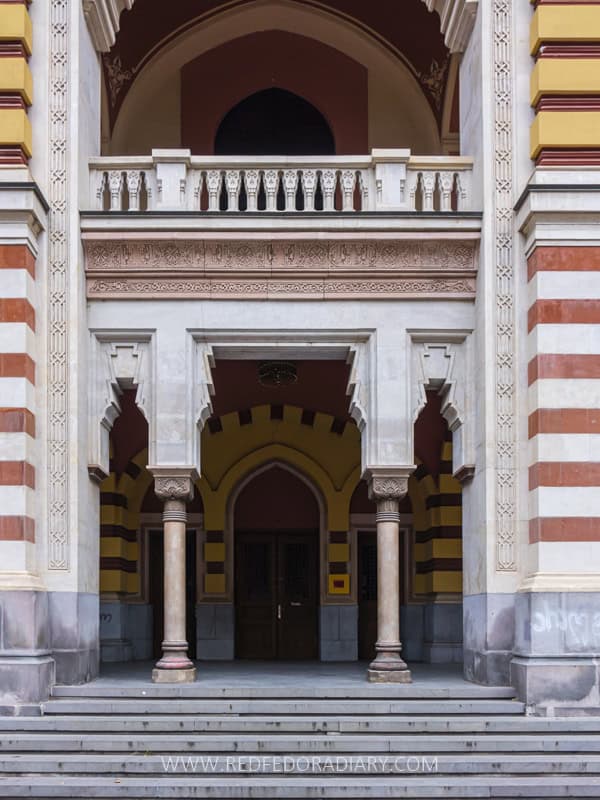
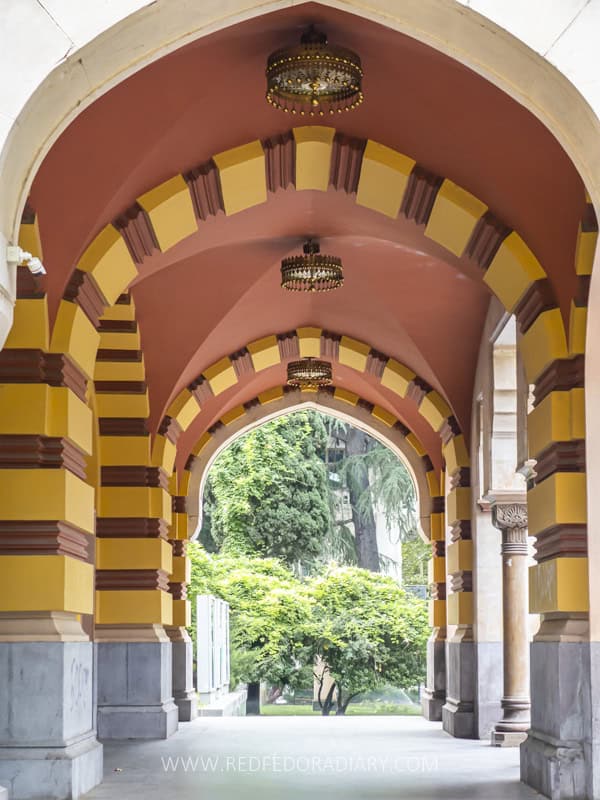
Rather than rebuilding on Freedom Square, the new opera house was constructed farther up present-day Rustaveli Avenue. After some construction delays, the new theater finally opened in 1896.
Like its predecessor, the building was designed with strong Moorish influences, making it one of the city’s most gorgeous photo spots. Its elaborate arches, decorative patterns, towers, and ornamental details give it an appearance quite different from the European-style theaters you might expect to find elsewhere on the continent.
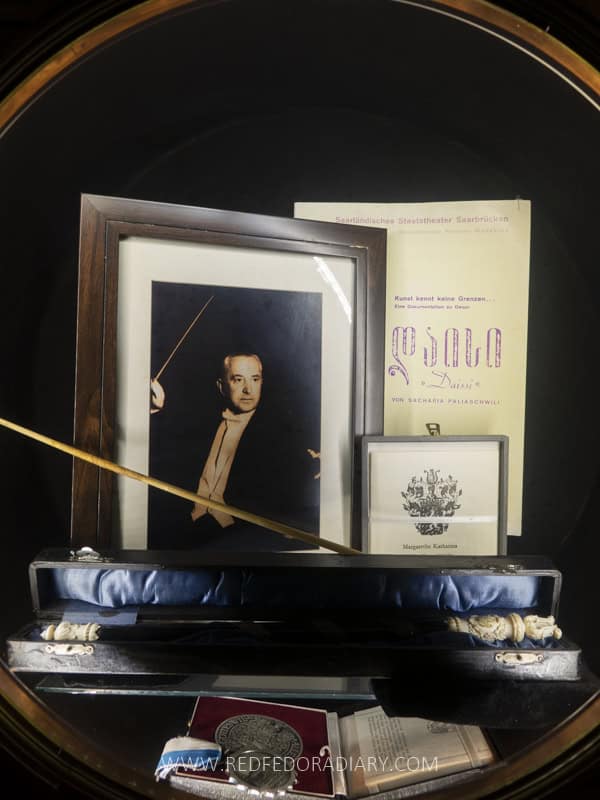
In 1937, the theater was renamed after Georgian composer Zakaria Paliashvili, giving it its full present-day name, the Tbilisi Zakaria Paliashvili Opera and Ballet State Theatre.
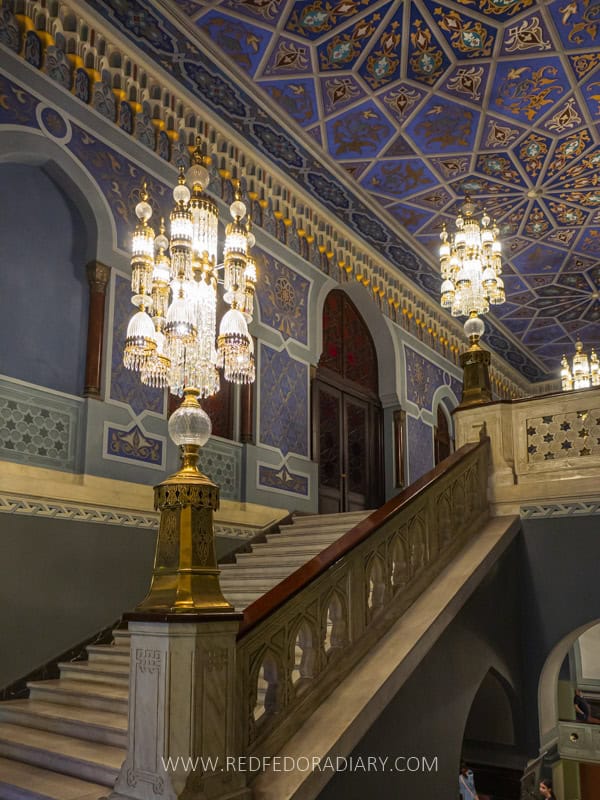
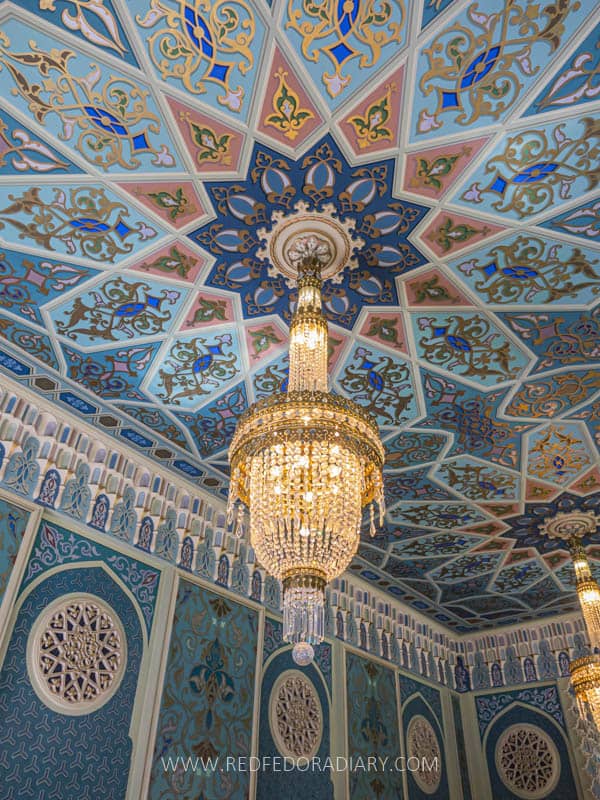
The Opera continued operating through the Soviet period, but the difficult economic and political situation following the collapse of the Soviet Union took its toll. During Georgia’s turbulent 1990s, there was little money to maintain the building, produce new scenery and costumes, or recruit artists.
Despite these difficulties, the Opera continued to function, and conditions gradually improved in the following years as more resources were directed toward the country’s cultural institutions.
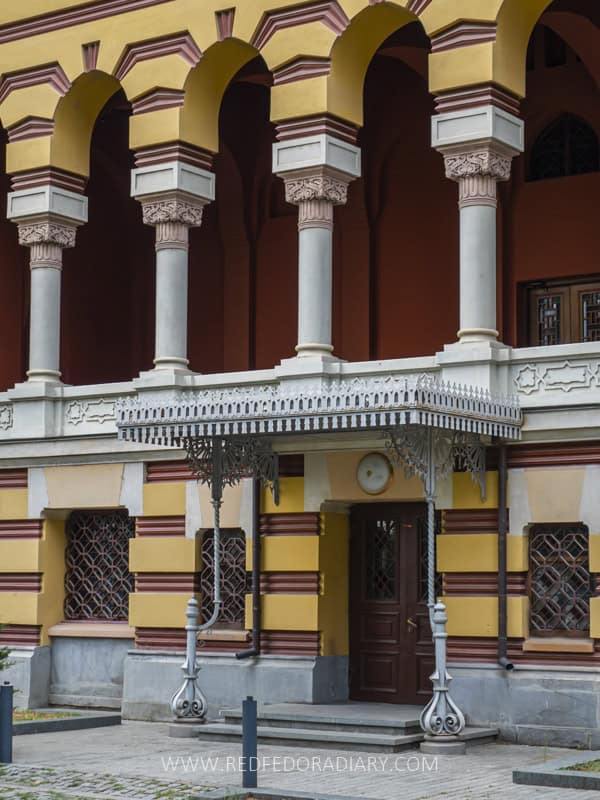
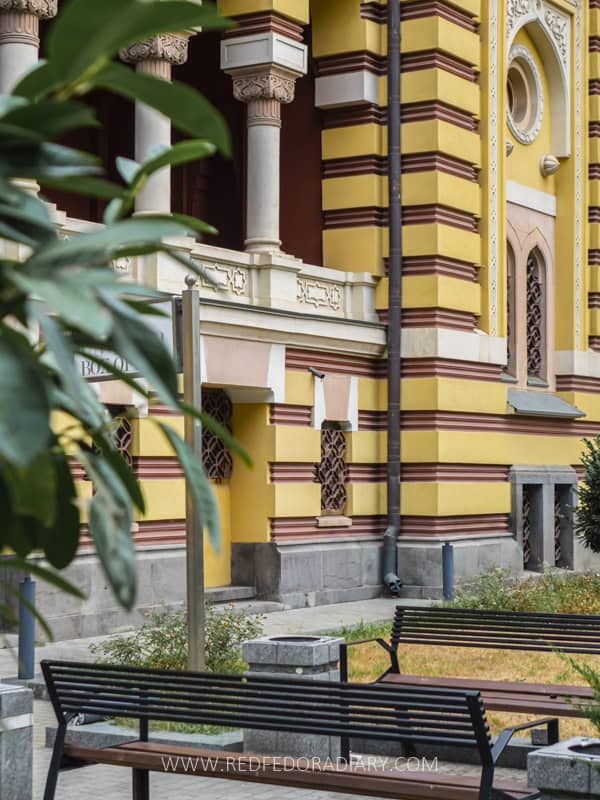
By 2010, the historic building needed extensive restoration and closed for a major renovation. The six-year project restored both its exterior and richly decorated interiors, with Tbilisi Opera finally reopening its doors in January 2016.
Can you visit the Tbilisi Opera?
Unfortunately, you can’t simply walk into the Tbilisi Opera House to look around its lavish interior. Guided tours were available before the COVID-19 pandemic, but they haven’t resumed since.
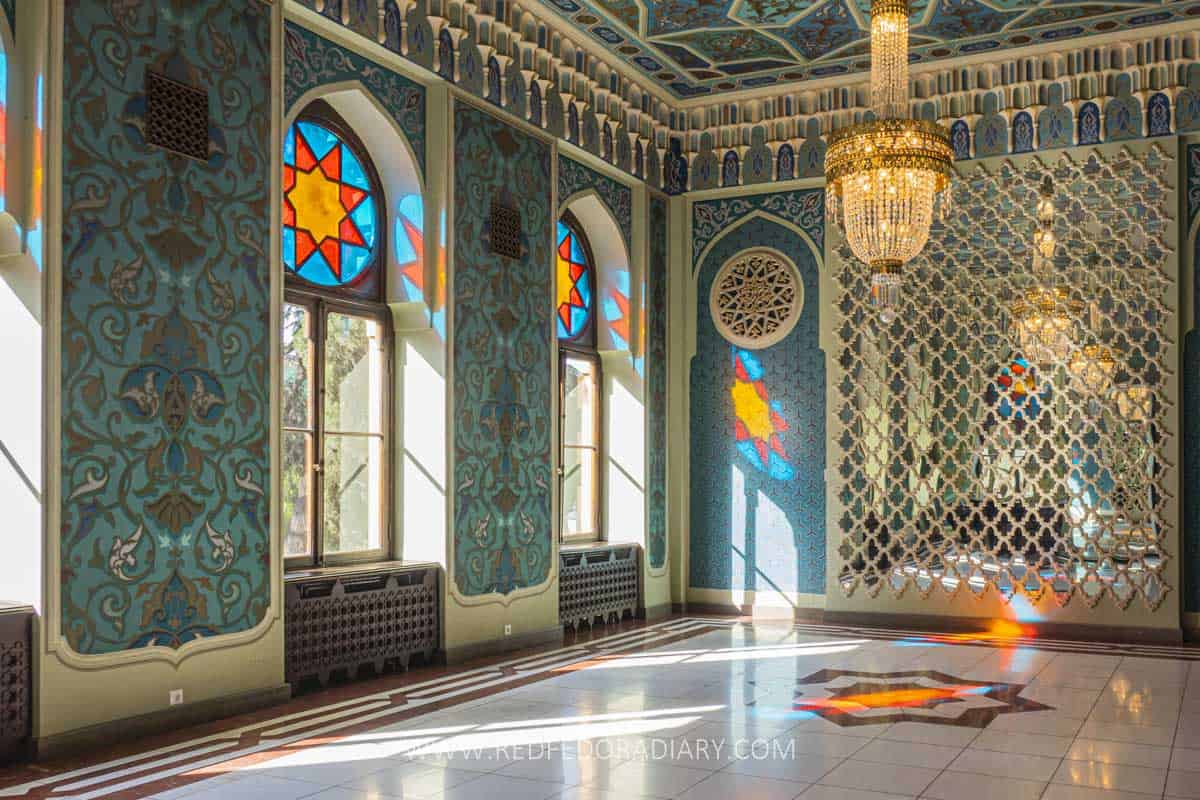
I really wish they would bring them back. The Opera is one of Tbilisi’s most beautiful buildings, inside and out, and I think it deserves the kind of open-door policy you find at many historic opera houses across Europe.
Today, the only way to see inside is by attending a performance. The theater primarily hosts opera and ballet, with occasional concerts and other cultural events, so check the current performance calendar to see what’s on during your visit.
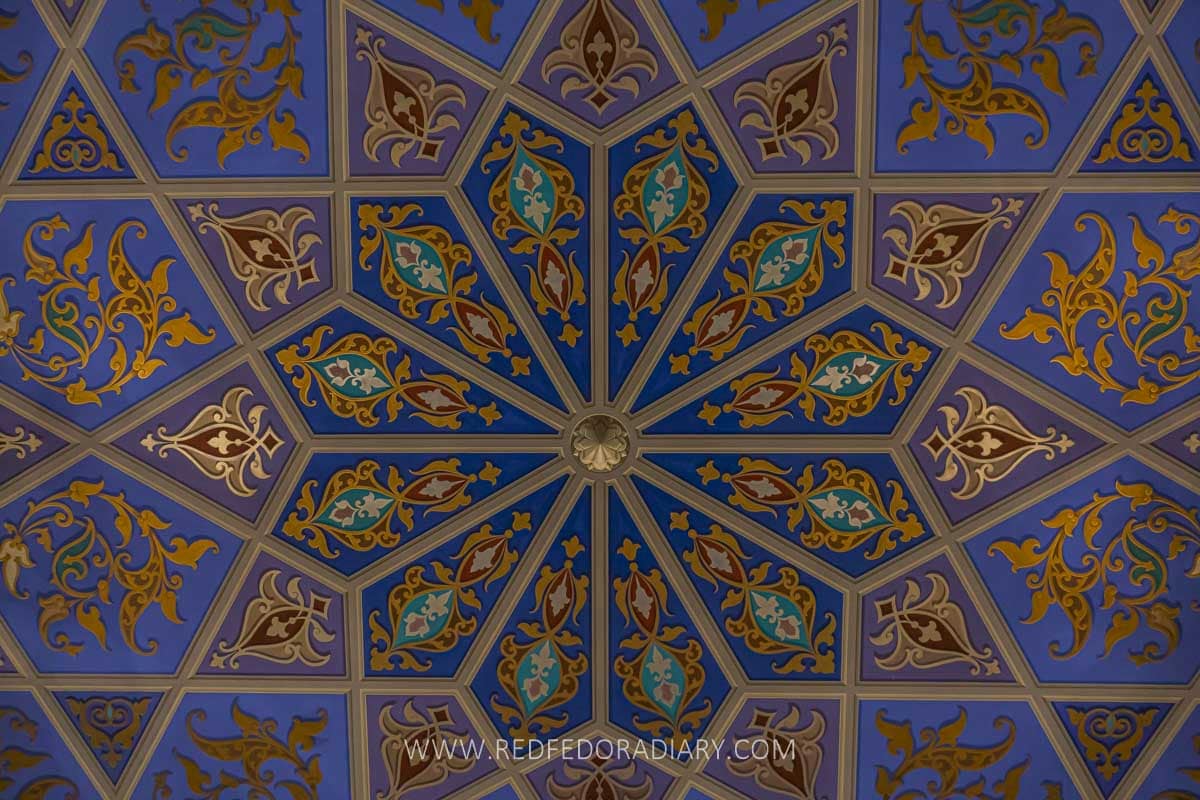
However, if you’re mainly interested in the architecture and don’t want to attend an entire performance, I do have a workaround that lets you see the interior. I’ll explain exactly how to do it in the next section.
How to see inside the Tbilisi Opera without attending a performance
If you mainly want to see the interior rather than attend a full performance, I have tested a little workaround that worked beautifully.
Buy one of the cheapest tickets available, which typically costs around 20–25 GEL, depending on the performance. Arrive about 30–40 minutes before the show starts and try to be among the first people to enter once the doors open.
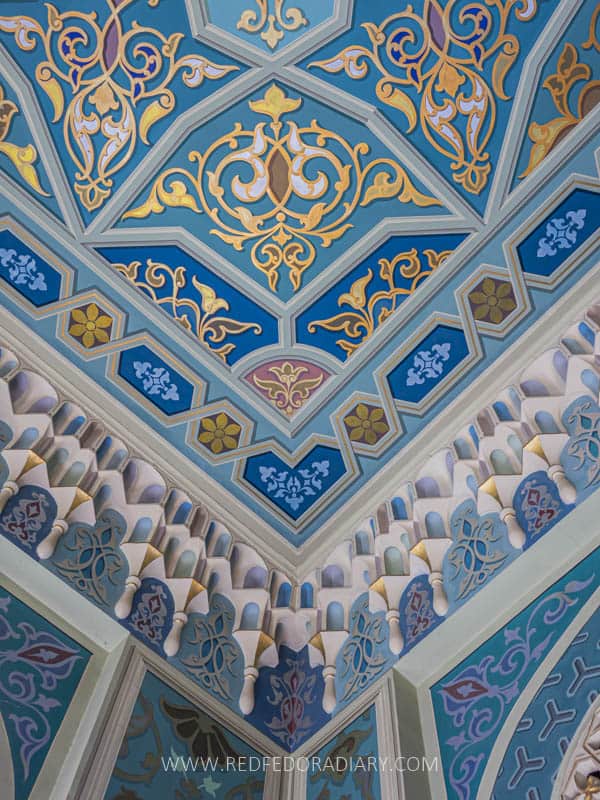
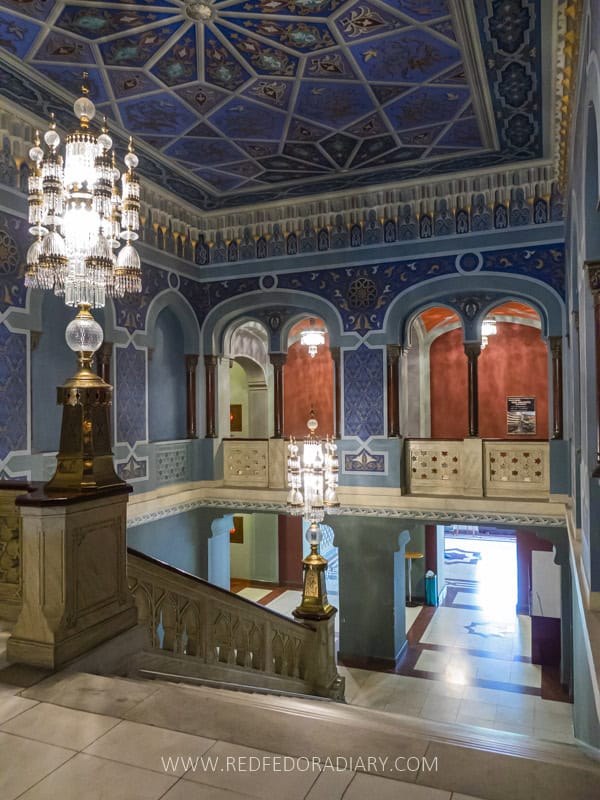
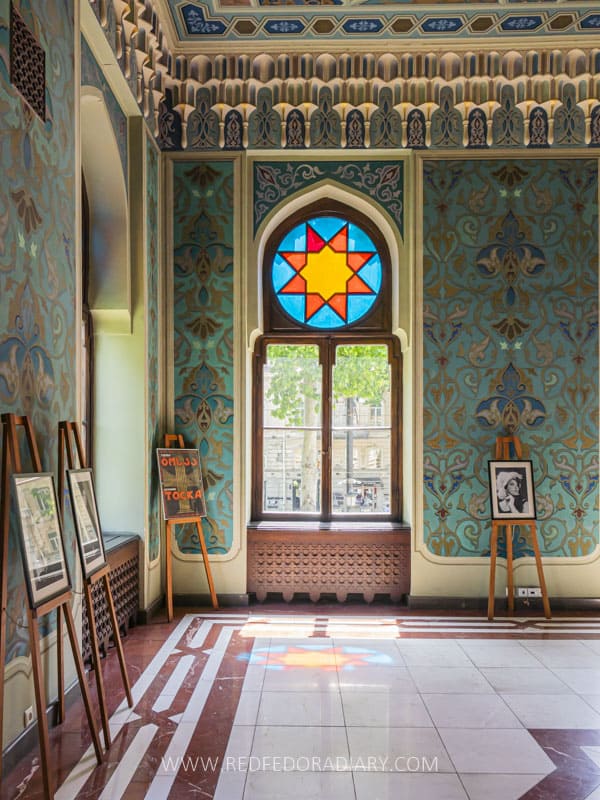
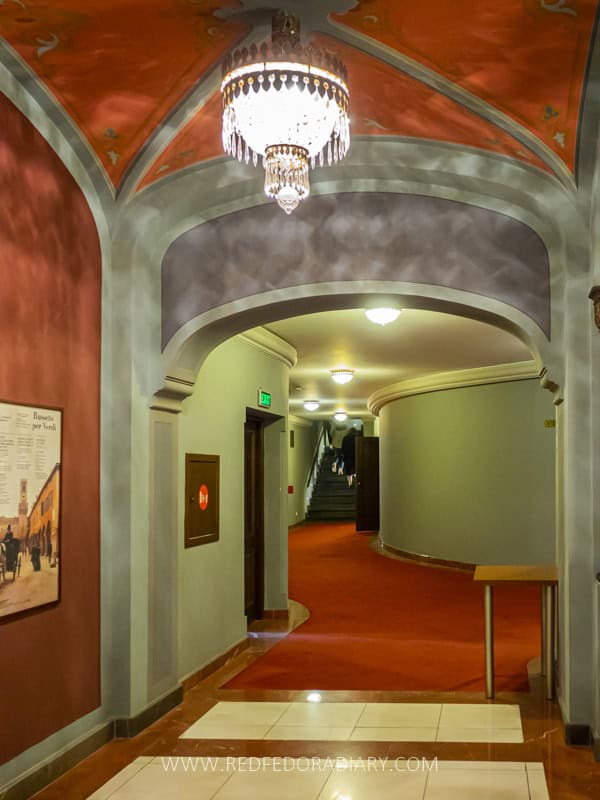
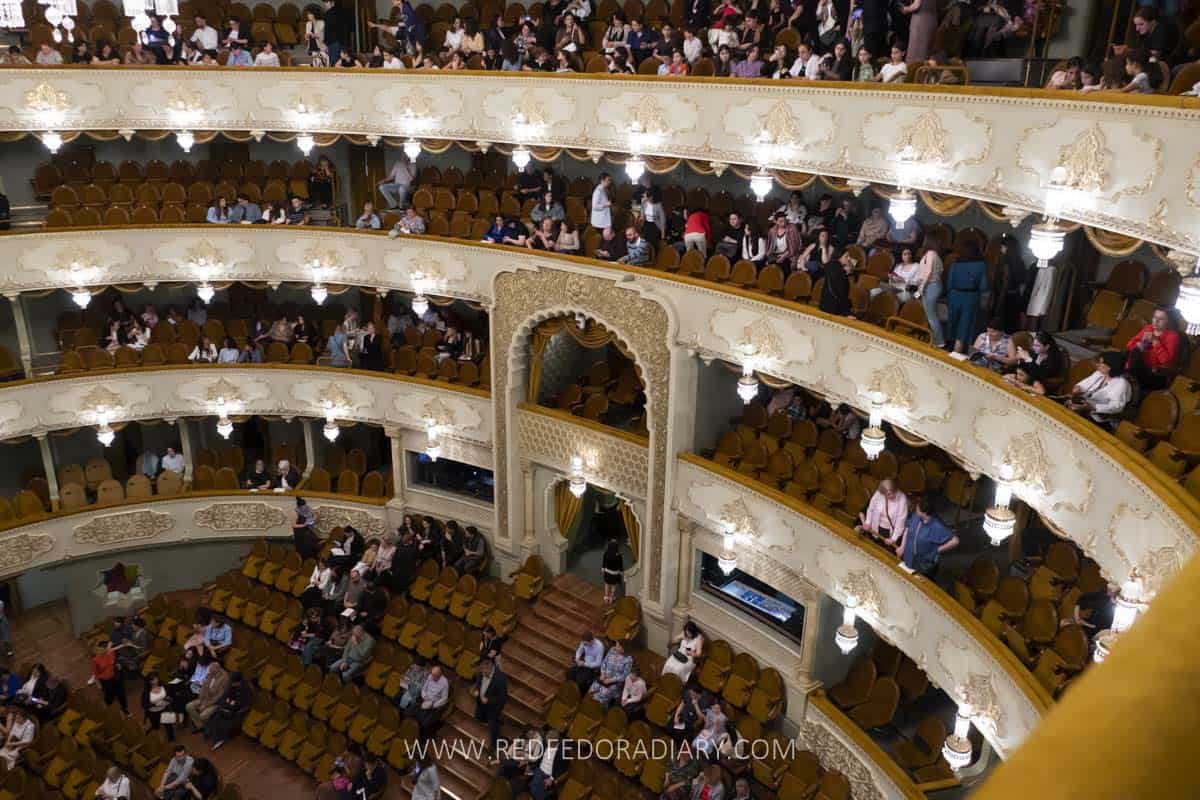
This gives you roughly 20–25 minutes to wander through the grand hallways, admire the ornate ceilings and decorative details, and see the main auditorium before everyone takes their seats. If you’re only there for the architecture, you can then leave discreetly before the performance begins.
If you decide to stay for the performance, they are an inexpensive way to experience both the building and a night at the Tbilisi Opera. However, remember that these cheapest tickets are high up in the upper balcony or gallery and often far to the side, so don’t expect the best view of the stage. I also don’t find these seats particularly comfortable.
How to buy Tbilisi Opera tickets
You can buy tickets directly from the box office, but most people purchase them online through the Georgian ticketing platform TKT.GE once the season opens and performances are added to the schedule. The Opera’s official website also directs you to TKT.GE for online ticket purchases.
When booking, you’ll see an auditorium layout showing available seats and prices, making it easy to choose an option that fits your budget. Ticket prices vary by performance and seat location, and TKT.GE adds a small service fee to the final price.
After you purchase your ticket online, you can use the digital ticket on your phone to enter the Opera House.
How much do Tbilisi Opera tickets cost?
Ticket prices vary by performance and seat location, but generally range from about 20 to 100 GEL per person.
The amphitheater and balcony tend to have the most expensive tickets, followed by the parterre and parterre boxes. Prices gradually decrease for seats farther from the stage or positioned more to the sides, with some of the cheapest tickets found on the upper levels and in side boxes.
If you’re attending primarily for the performance, look closely at the auditorium layout when booking rather than choosing based on price alone, as some cheaper side seats may offer a more limited view of the stage.
What performances can you see at the Tbilisi Opera?
The Tbilisi Opera and Ballet Theatre primarily hosts opera and ballet, but performances don’t take place every day. They are typically scheduled on Fridays, Saturdays, and Sundays, so it’s worth checking the calendar before planning your visit around a show.
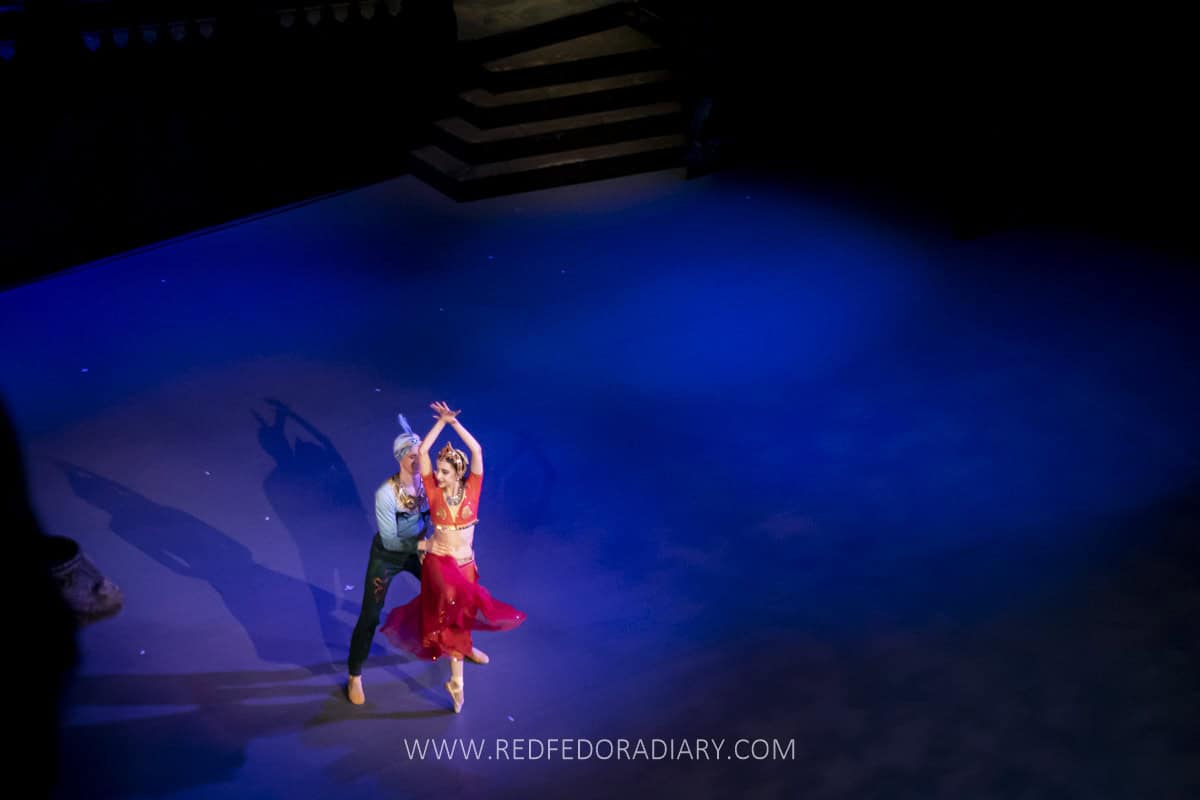
The current 175th season opened on September 19 and runs until November 3, with a relatively small program. It includes Abesalom and Eteri, the Georgian opera by Zakaria Paliashvili, alongside the ballets Raymonda, Leah, Don Quixote, and The Sleeping Beauty.
The program changes each season, so always check the current schedule on the official website or TKT.GE before your trip.
When is the Tbilisi Opera season?
The regular season typically runs during autumn and spring, with some performances continuing into early summer. The schedule varies each year, and performances aren’t held every day, so always check the calendar for your travel dates.
If you’re visiting Tbilisi during summer, when the regular season is mostly over, you may still have a chance to attend a performance thanks to the annual Tbilisi Ballet Festival.
Tbilisi Ballet Festival
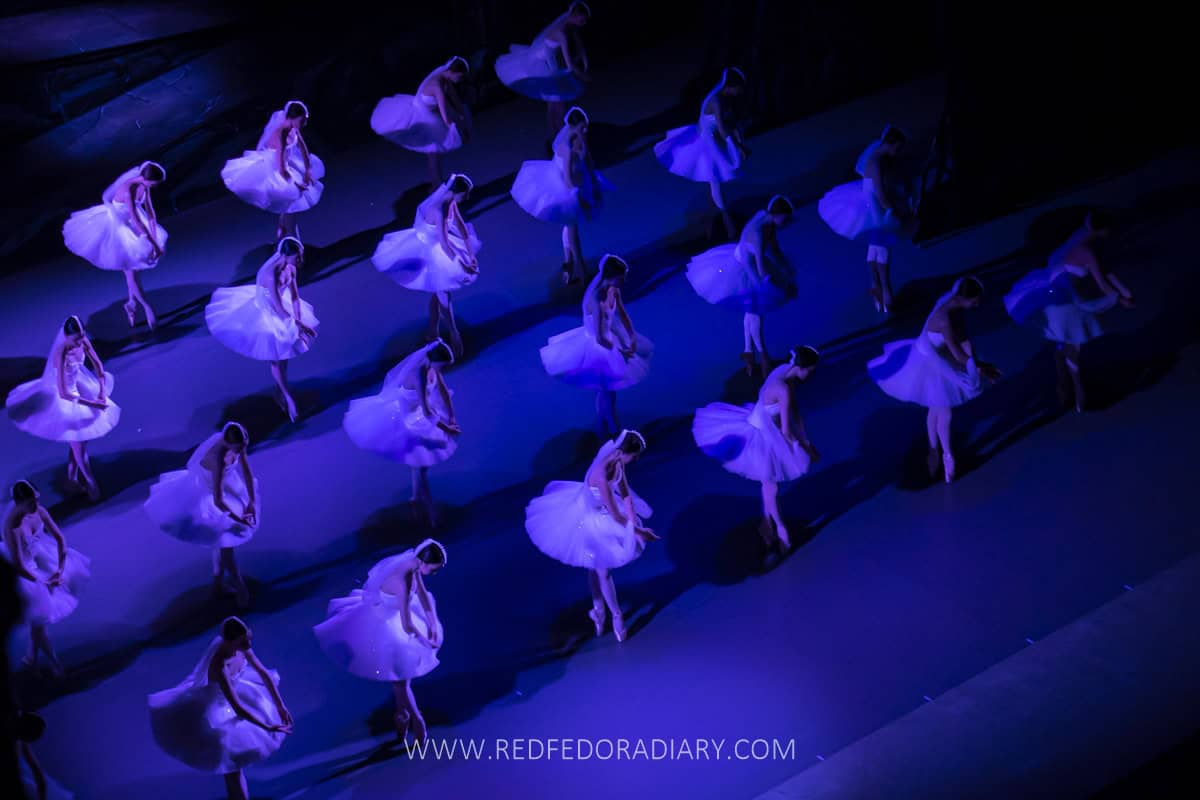
The Tbilisi Ballet Festival was founded in 2017 to promote ballet and bring Georgian and international performers together in Tbilisi. Over the years, the festival has welcomed renowned ballet companies and individual dancers to perform classical and contemporary ballet at the Tbilisi Opera and Ballet Theatre.
The festival is typically held in June, although dates can vary—in 2026, for example, it took place in July.
How early should you arrive for a performance?
I recommend arriving around 30–40 minutes before the performance if you want enough time to admire the interior without feeling rushed. This gives you time to walk through the ornate hallways, take in the decorative details, and see the auditorium before taking your seat.
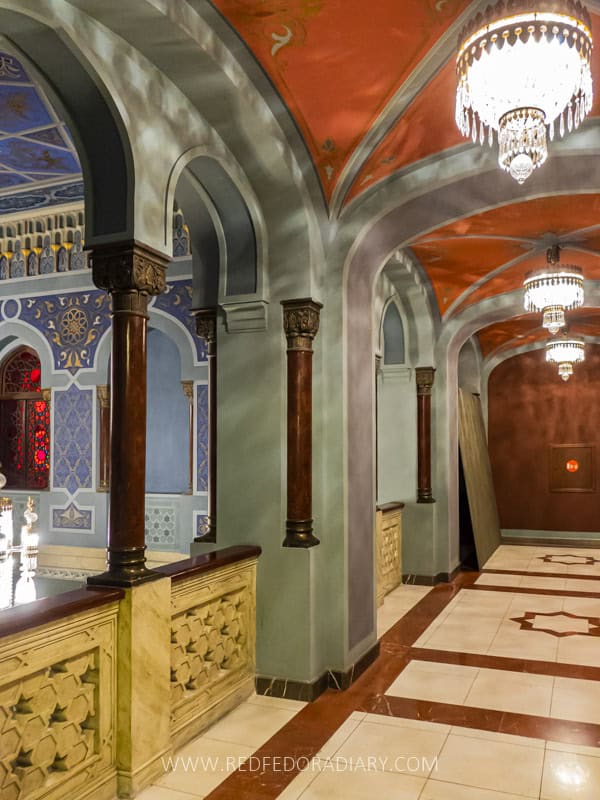
If you’re attending during the colder months, factor in a little extra time for the cloakroom. Arriving closer to the start of the performance can mean waiting in line to leave your coat.
Signs throughout the Opera guide you toward the different seating areas, and staff members are also available to help you find your seat.
Make sure you don’t arrive late. Once the doors close and the performance begins, you won’t be allowed into the auditorium, as entering would disturb both the performers and the audience. You’ll usually need to wait until the intermission before you can take your seat.
What should you wear to the Tbilisi Opera Theatre?
You don’t need to dress in a tuxedo, evening gown, or formal black tie. However, a polished and presentable outfit is appreciated and fits the setting much better than very casual clothing.
Smart casual is a good guideline. No need to overthink it, but avoid sportswear, shorts, very casual T-shirts, and athletic or overly casual shoes.
Can you take photos inside?
You can take photos and videos of the Tbilisi Opera interior before the performance, but avoid using flash or making unnecessary noise when the show starts.
Before the show begins, an announcement asks the audience to switch off their phones. At the very least, put yours on silent and keep the screen off during the performance so the light and sound don’t distract the people around you or the performers.
Avoid answering calls during the performance unless it’s an emergency. If you do need to use your phone, leave the auditorium first rather than disturbing the show.