
What to Wear in Tbilisi: Packing Tips for Every Season
Tbilisi is a city where you’ll easily spend the whole day outside — wandering between neighborhoods, stopping for coffee, walking up the hills, and only heading back to your accommodation late in the evening.
That’s why what to wear in Tbilisi comes down to comfort, flexibility, a bit of chic, and clothes that work from morning to evening. Think practical but put-together outfits that can handle a lot of walking, changing temperatures, and spontaneous plans.


Packing for Tbilisi is also very different from a general Georgia packing list. Georgia’s climate varies dramatically from region to region — from the mountains to the seaside, wine regions, and valleys, each with its own weather patterns.
Tbilisi, on the other hand, has its own microclimate, with hot summers, mild but unpredictable shoulder seasons, and winters that are less extreme than many travelers expect. What works elsewhere in the country doesn’t always make sense for the capital.
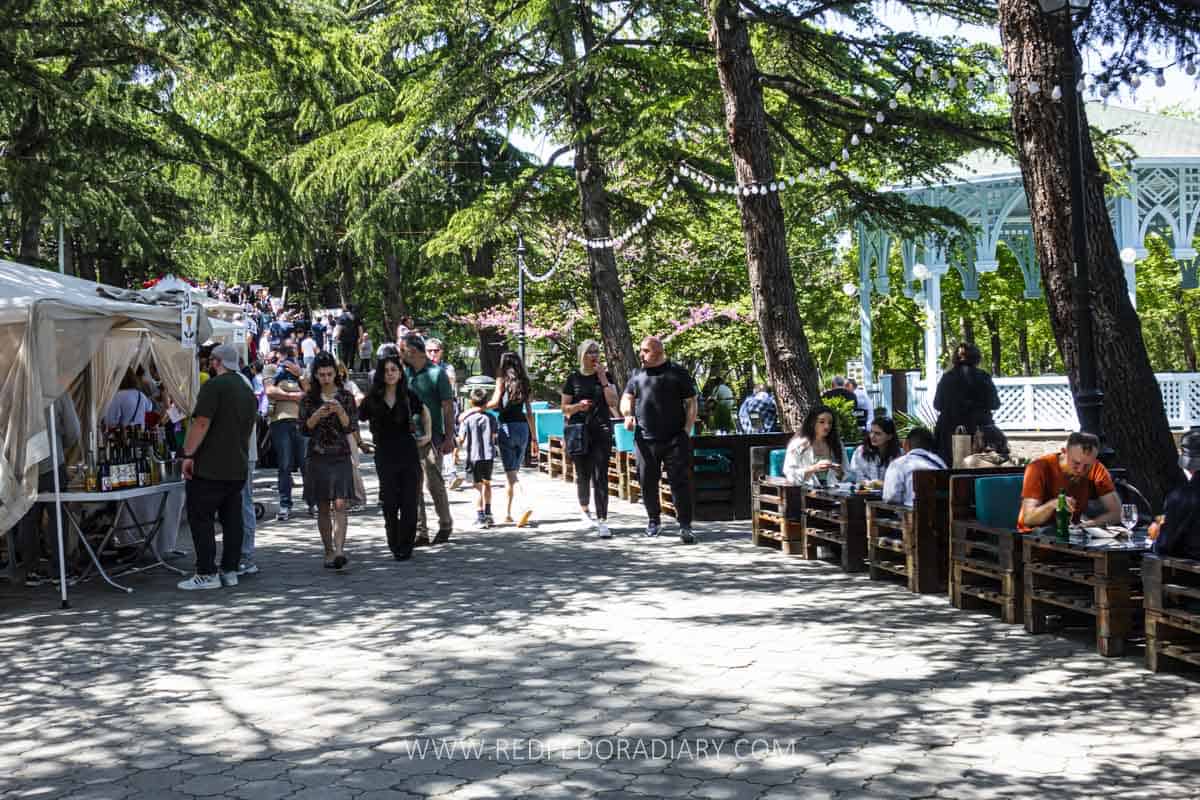
This post breaks down the Tbilisi packing list by season, with practical advice from a local based on everyday life in the city. It’s not about fashion trends or counting how many items to pack.
Instead, it focuses on how locals dress, what feels comfortable for long days out or hiking in the nearby hills, and how to blend in while still feeling like yourself.
Disclaimer: Some of the links in this post are affiliate links, which means I may earn a small commission if you buy something through them—at no extra cost to you. It helps support my blog and lets me share real, first-hand travel tips. Learn more
Tbilisi packing list – the essentials
I always recommend packing as lightly as possible, and Tbilisi is no exception. You’ll be walking a lot, often changing neighborhoods several times a day, so flexibility matters more than having too many outfit options.
Whether this is a short trip or a longer stay, packing smart will make your travel experience in Tbilisi much easier — especially when plans change, the weather shifts, or you decide to join a last-minute tour.

Travel insurance (mandatory from 2026)
Starting January 1, 2026, all foreign citizens entering Georgia will be required to have valid health and accident insurance for the duration of their stay.
Even before it became mandatory, I strongly recommended travel insurance for Georgia. Emergency medical care is available, but costs can add up quickly for foreigners, and having proper coverage gives you peace of mind throughout your stay.
I personally recommend Heymondo because it’s easy to set up, fully digital, and designed specifically for travelers. Their policies cover medical emergencies, accidents, and trip-related issues without complicated paperwork.
The 5% discount is already applied when you click through the link and decide to purchase, so there’s nothing extra you need to do. Alternatively, you can also look into SafetyWing travel insurance.
Backpack or suitcase for Tbilisi?
Oto and I usually travel with backpacks, which works best for how we move around cities. I use the 55L Osprey Farpoint (read my full review), and Oto travels with the The North Face Cobra 60. Both are spacious, well-designed, and small enough to be carried on board as paid cabin luggage with budget airlines like Wizz Air, Vueling, or Pegasus.

Backpacks are especially practical in Tbilisi, where old neighborhoods, staircases, a bit steep uphills, and cobblestone streets can make wheeling a suitcase annoying very quickly.
That said, if you prefer a suitcase, choose one that’s durable and has good wheels. A solid option is a Samsonite suitcase, which comes in different sizes and sets and handles uneven surfaces better than cheaper alternatives.
Day pack or bag for exploring the city
A smaller bag is essential for daily sightseeing in Tbilisi. My Osprey backpack comes with a detachable daypack with multiple compartments, which makes it easy to carry valuables and daily essentials.

For years, I used a small red backpack you’ll see in older photos, but once it wore out, I switched to the CITYC 2 in 1 Backpack from Driibe, designed specifically for city exploration. What I like most about it is the anti-theft hidden pocket with a zipper — perfect for passports, cards, and other valuables you don’t want easily accessible.
Packing cubes
If you’re trying to pack light and stay organized, packing cubes are a game-changer. We use them to separate different clothing items, especially pieces that wrinkle easily.
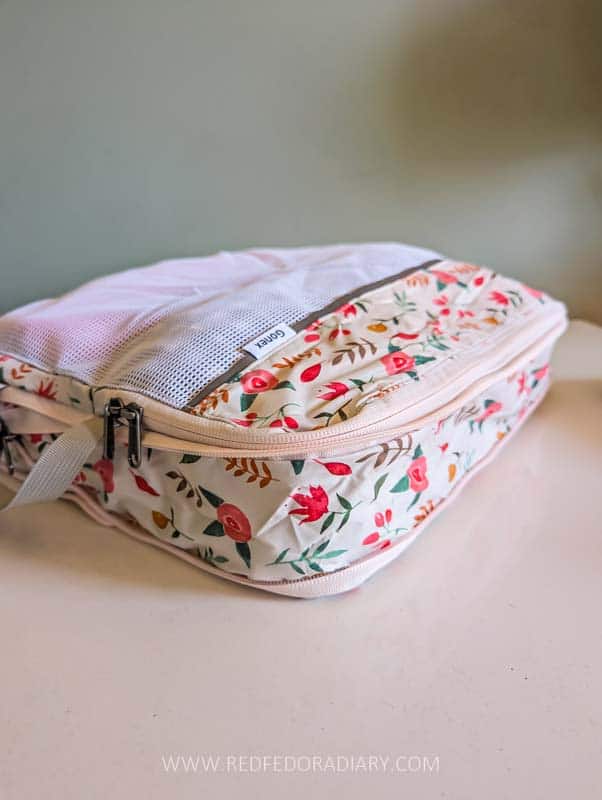

At the moment, I travel with Gonex compression packing cubes, which reduce space by about 30% and make it much easier to keep everything in order without constantly repacking your bag. Oto uses Veken cubes, our second choice.
Toiletries bag
We travel with just one toiletries bag between the two of us, mainly because we’ve reduced the number of liquids we carry.

Over time, we switched to solid shampoo bars from Love Beauty and Planet or Ethique, body soap from Ethique, T-brush Toothpaste Tablets, and deodorants from Ethique or Primal Life—they’re lighter, zero-waste, and much easier to get through airport security.
We currently have this toiletries bag in blue from The North Face, and it’s been holding up well over years of use.
Power charger
Between navigation, photos, and constant map checking, your phone battery won’t last a full day in Tbilisi without help. I always carry an external charger, especially on long walking days.
I use the Anker MagGo power charger, which charges my phone up to twice and is lightweight enough to keep in my bag all day without weighing it down.
For more heavy-duty charging, we also have the Anker 737 Power Bank.
Accessories that actually come in handy
I rarely travel without a scarf, adjusting it depending on the season (for example, I switch between a warm and a lightweight one). It’s useful for breezy evenings, sun protection, or even as a makeshift pillow.
If you’re visiting in the warmer months, a Turkish cotton towel is incredibly versatile. I bought mine in Turkey years ago, and I still use it as a beach towel, scarf, or light shawl. It dries quickly and takes up very little space.
You might already know I don’t go anywhere without my red fedora and change it according to the seasons. I find hats, whether fedoras or beanies, very useful.
During spring and autumn’s sunny weather or light rain, these hats come in handy and also look great in photos. We also always attach a luggage tag to our bags — whether checked or carried on — just in case.
Power adapters
Georgia uses European-style sockets (Type C and F), with 220 volts and 50 Hz frequency. If you’re coming from outside Europe or carrying multiple devices, a universal power adapter makes things easier and avoids the hassle of hunting for extra plugs.
Water bottle
Tap water in Tbilisi is safe to drink, and refilling your bottle throughout the day saves money and reduces plastic waste. I use a Stojo collapsible water bottle, which takes up almost no space when empty and fits easily into a day pack.


Collapsible cup
Oto and I love grabbing coffee while walking around the city, but we quickly realized how much waste that creates. We now carry Stojo’s collapsible cups and ask baristas to pour coffee directly into them. They’re compact, practical, and easy to carry.
What do people wear in Tbilisi?
Tbilisi dress code & everyday style
If you’re wondering what do people wear in Tbilisi, the short answer is: practical, understated, and neat. The Tbilisi city style leans more toward simplicity and functionality than fashion statements.
You’ll notice most people dressing in ways that work for walking, changing weather, and daily routines, rather than following trends (though that happens too).

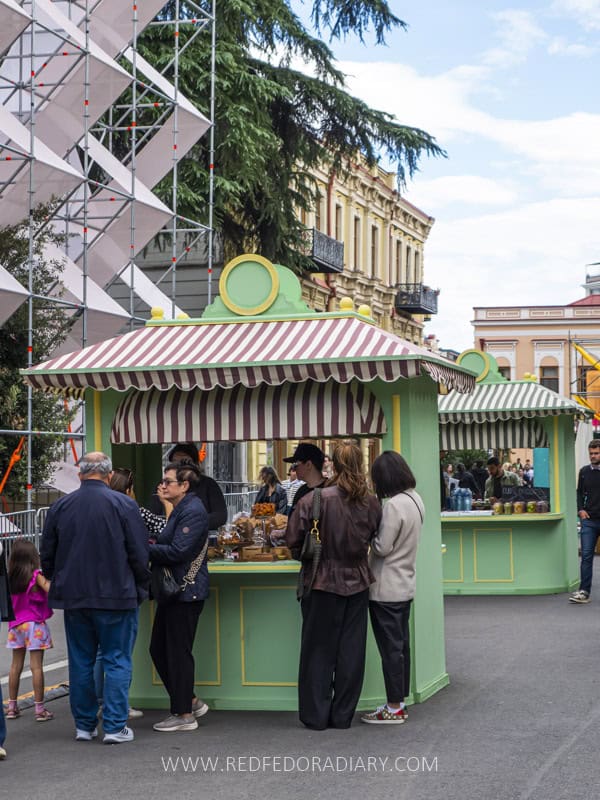
A common question I get is do most people in Georgia wear black. Black and other dark, neutral colors are definitely popular both in Tbilisi and across the country, especially among adults and older generations.
That said, it’s not universal. Younger locals mix denim, lighter colors, and casual pieces, but the look stays simple and unfussy overall.
If you’re curious what do women wear in Tbilisi, think jeans or loose trousers, vintage clothes, simple tops, plain long or floral dresses that are easy to walk in, and low-profile footwear.
Makeup and accessories can range from very minimal to quite bold, depending on the crowd and the occasion. There’s no strict dress code, but people generally look put together without seeming overdone.
Visiting churches and monasteries
Georgia is an Orthodox Christian country, and churches are active places of worship, so modest clothing is expected when you visit. Women should cover their shoulders and knees, and a scarf is often needed to cover the head, while men should avoid wearing shorts.
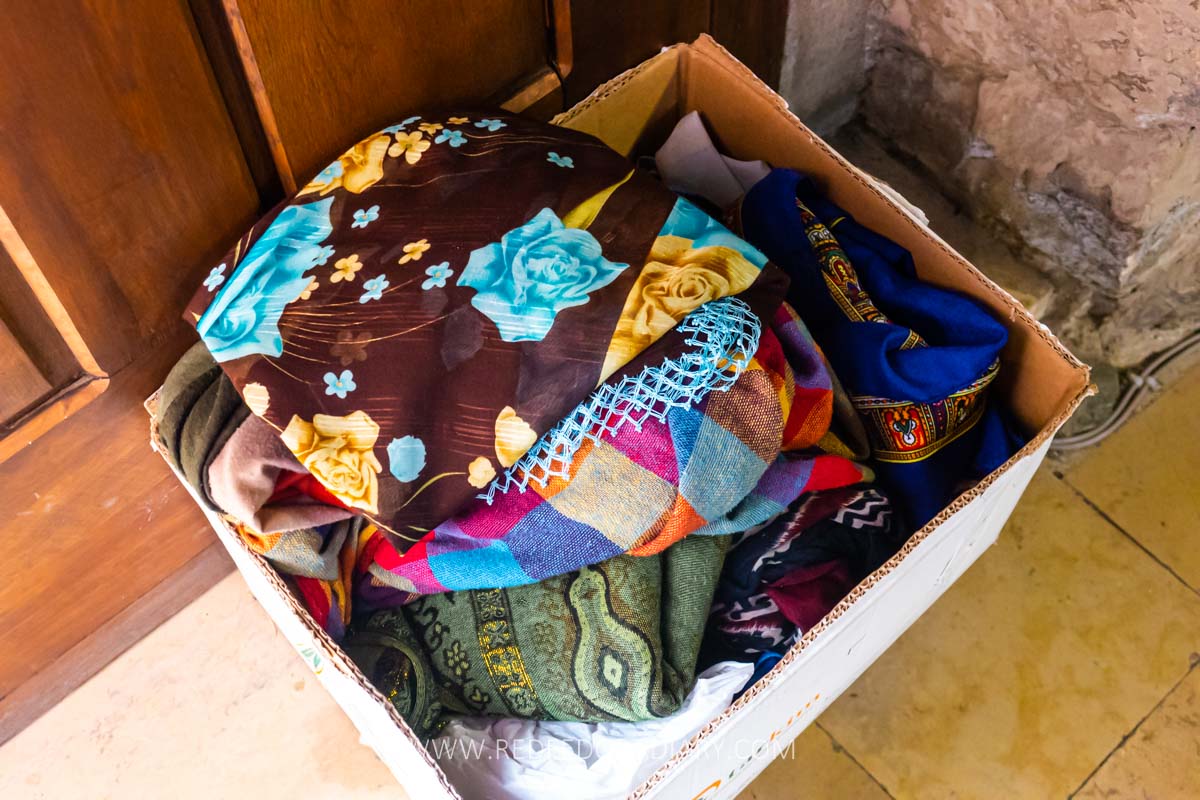
Most churches in Tbilisi do provide spare scarves at the entrance, and sometimes even longer shawls to cover the knees.
That said, it’s always better to come prepared and carry your own lightweight scarf. It makes visits easier, especially if you plan to pop into several churches in one day, and avoids relying on whatever happens to be available at the door.
Exploring the city on foot
Tbilisi is a walking city, but it’s not flat or smooth. Uneven sidewalks, slightly steep hills, and cobblestone streets are typical, especially in central and older neighborhoods.
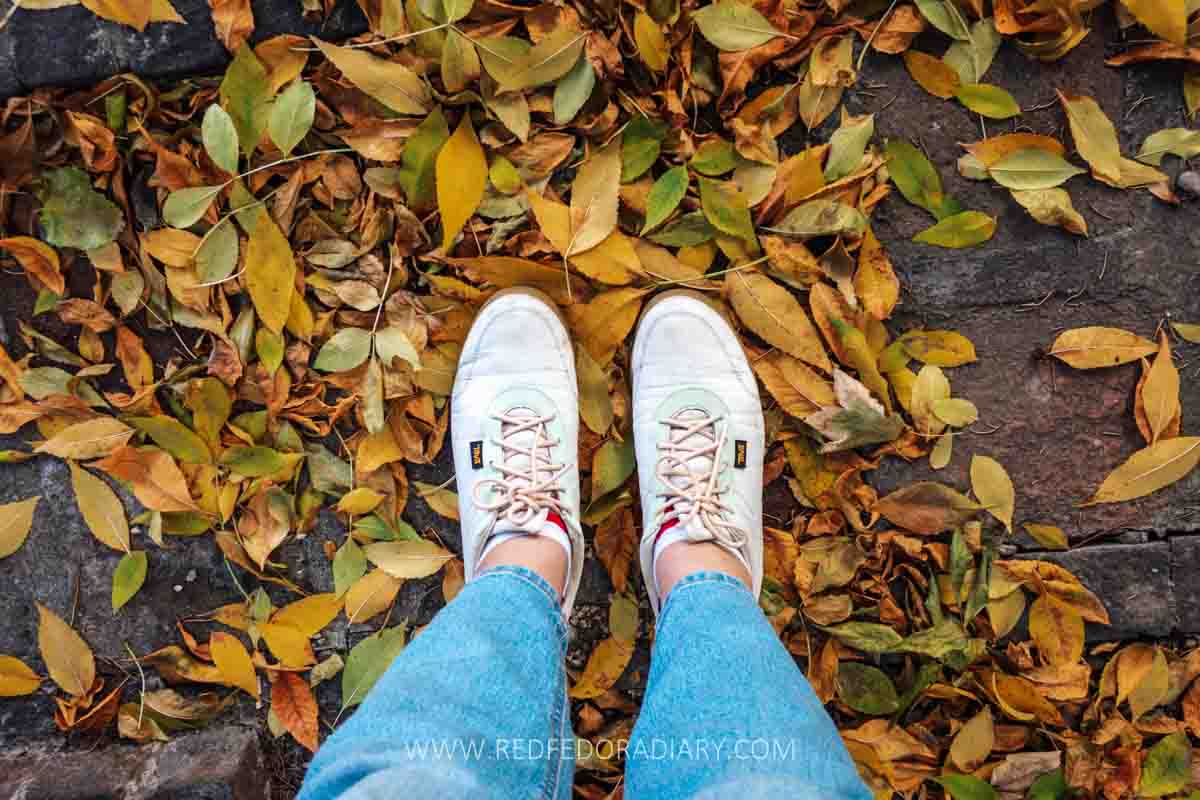
This is where footwear really matters. Comfortable shoes, like these Teva walking shoes, with good support, will make a big difference after a full day out.
As for safety, people often ask, “Is Tbilisi safe to visit?” It generally is, and the city doesn’t have a big issue with pickpocketing. Still, staying aware of your surroundings in crowded areas, public transport, and the Old Town is just common sense. Choose bags that close securely and keep valuables within your sight.
Evenings, bars, and restaurants
How people dress in the evenings really depends on the situation. For casual dinners or drinks with friends straight after work, it’s completely normal to see people in relaxed, everyday outfits. You don’t need to dress up for socializing, and simple clothes are more than enough.
If there’s a special event or a later night out, locals tend to make a bit more effort — nicer shoes, a sharper outfit, maybe more bold makeup or accessories — but nothing over the top.
When it comes to how to dress in Tbilisi, the general rule is to read the room: casual works most of the time, with slightly dressier looks reserved for occasions that call for it.
Day trips from Tbilisi and hiking nearby
If you’re planning day trips outside the capital, pack with the destination in mind. Even short drives can take you into higher altitudes where it’s cooler and windier than in the city, and the weather can change quickly depending on the season.
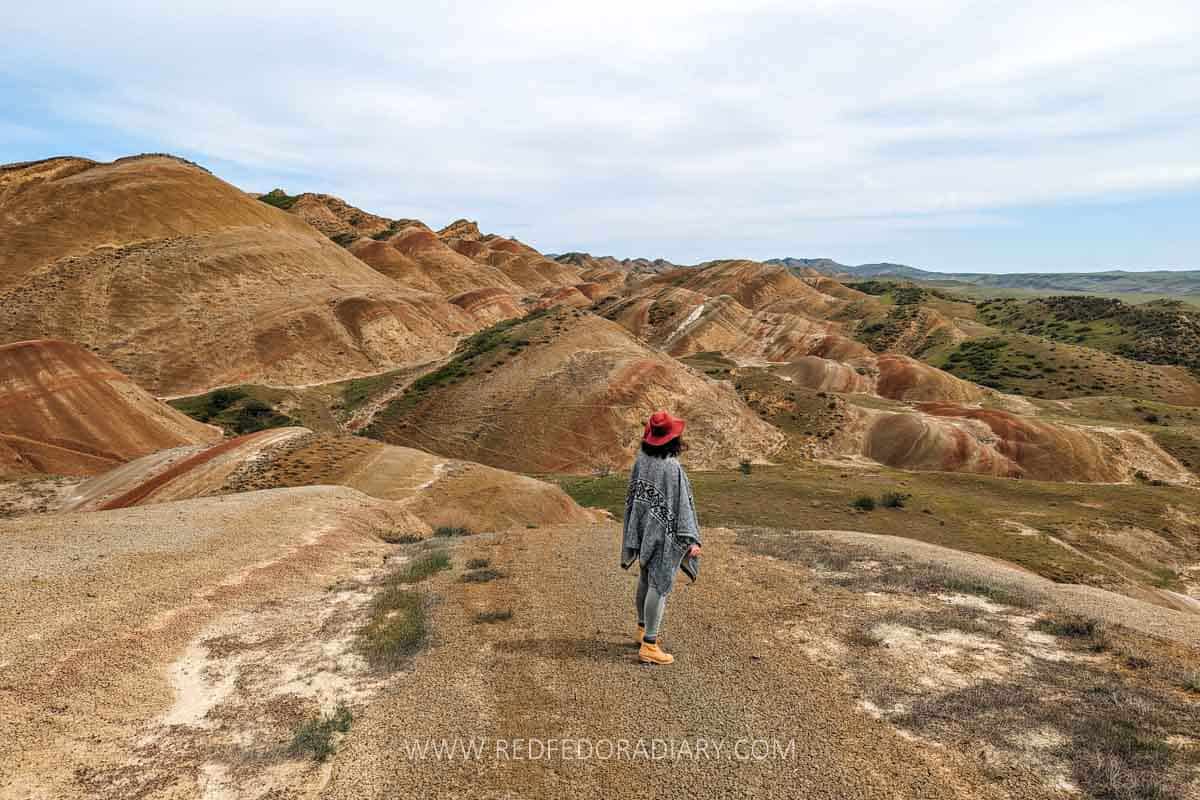
Layers are your best friend — a light jacket or a packable raincoat, and something warm, like a pullover, can all be very useful. A scarf is also handy to keep in your bag — it works for church coverage, sudden wind, or cooler evenings when you’re returning to Tbilisi.
Footwear matters even more on day trips. Whether you’re walking around in a city, exploring a monastery complex, or heading to nature spots, you’ll want sturdy, comfortable shoes with a good grip.

Hiking around Tbilisi doesn’t usually require heavy or technical gear. Many trails in the surrounding hills are easy and well-suited for sturdy sneakers or even hiking sandals in warmer months.
Some routes are slightly more challenging, with uneven terrain or longer distances, and are more comfortable with lightweight hiking shoes that offer better support and grip.
Tbilisi packing list by season
Tbilisi has four distinct seasons, and knowing what to wear based on when you’re visiting makes a big difference. Temperatures can shift quickly, and daily plans often involve a lot of walking, so dressing for the season — with flexibility in mind — keeps you comfortable throughout the day.
Below is a practical breakdown, based on how locals dress and how the city actually feels on the ground.
What to wear in Tbilisi in spring
Spring in Tbilisi is beautiful but unpredictable. March can still feel chilly, while April and May bring warmer days mixed with sudden rain or cooler evenings. When planning a spring trip, layers are essential.
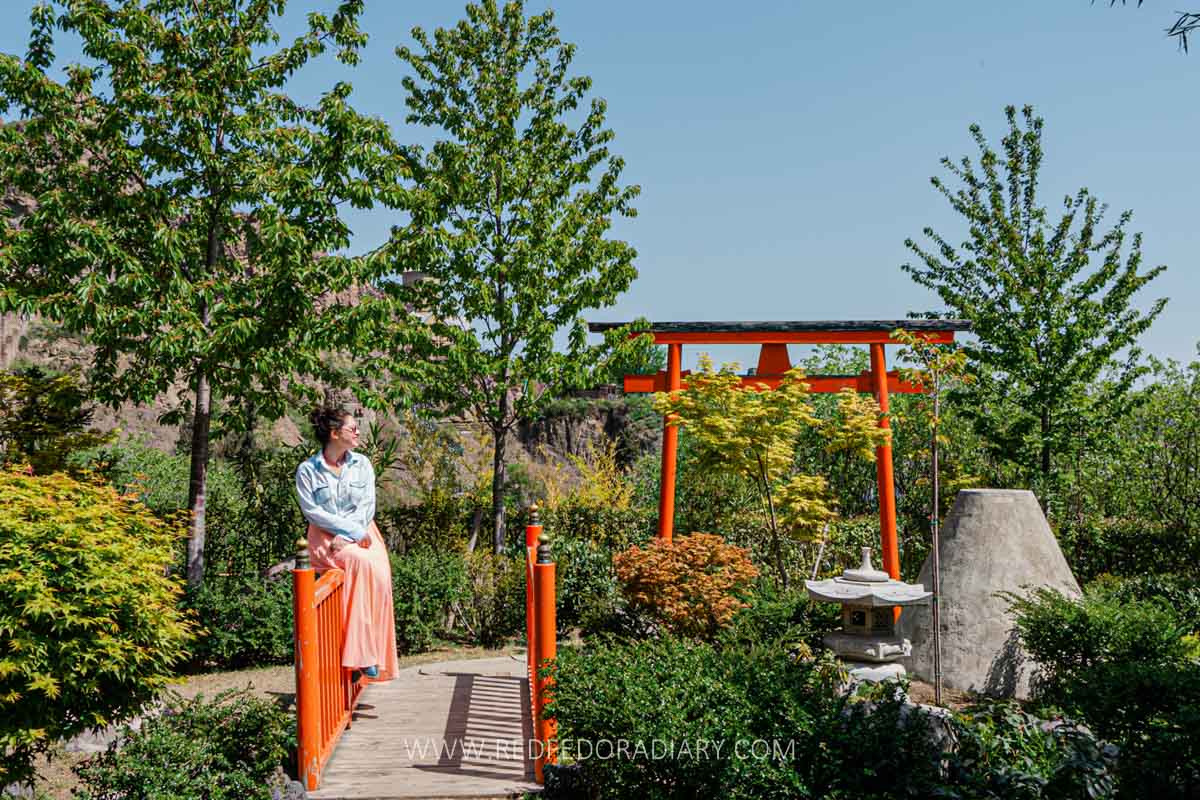
Light jackets, cardigans, and sweaters work well, paired with jeans, trousers, or mid-length skirts. Mornings and evenings can be cool, even when daytime temperatures feel pleasant.
By late spring, especially in May, lighter fabrics and spring dresses start to make sense, but it’s still a good idea to carry a thin layer just in case.
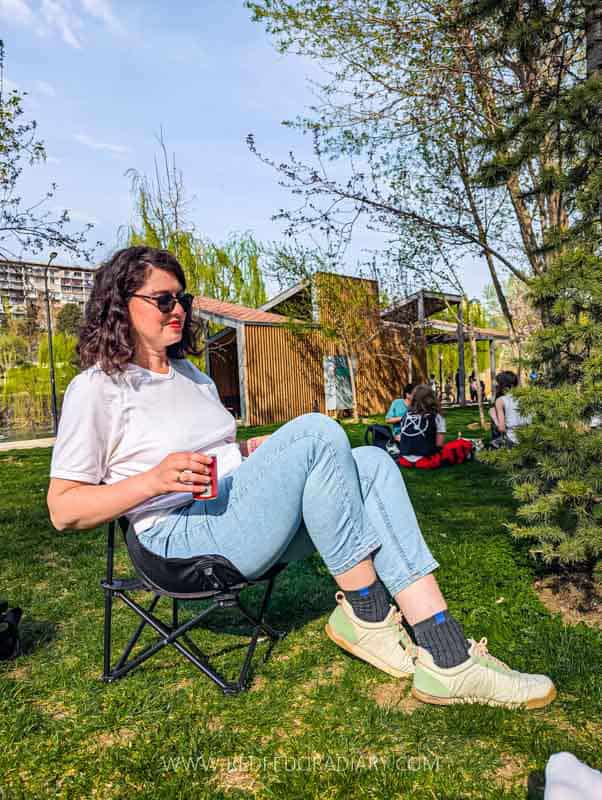
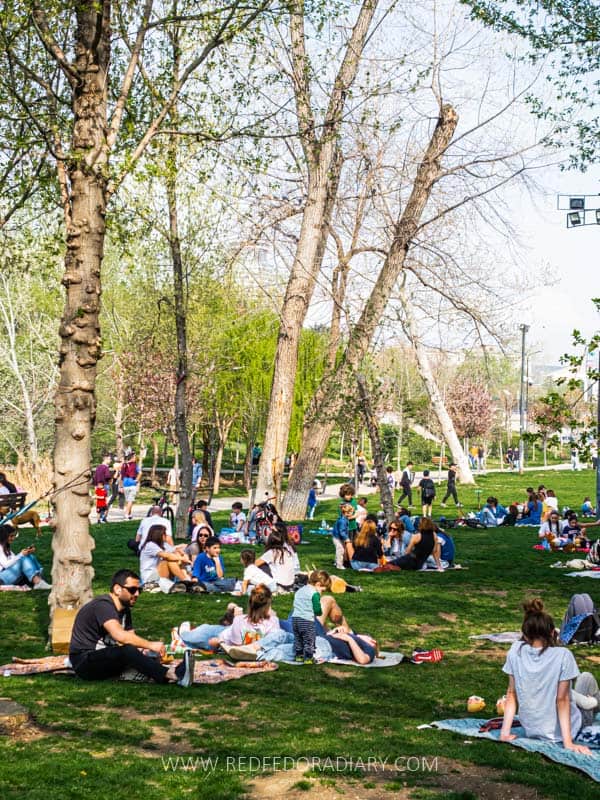
Comfortable walking shoes are important throughout spring, as sidewalks can be uneven and you’ll likely spend long hours outside. An umbrella or a packable raincoat is also useful, as spring showers are common.
If you want a more detailed breakdown of weather, events, and what spring actually feels like day to day, check out my full guide to spring in Tbilisi.
What to wear in Tbilisi in summer
Summer in Tbilisi is hot and dry, especially from June through August. Daytime temperatures often climb high, and shade can be limited in some parts of the city. If you’re planning a trip in early summer, breathable fabrics are key.
Loose dresses, flowy skirts, light trousers, T-shirts, and sleeveless tops are common, both among locals and visitors. Shorts are widely worn in summer, especially during the day, but keep in mind that modest dress is still expected when visiting churches.
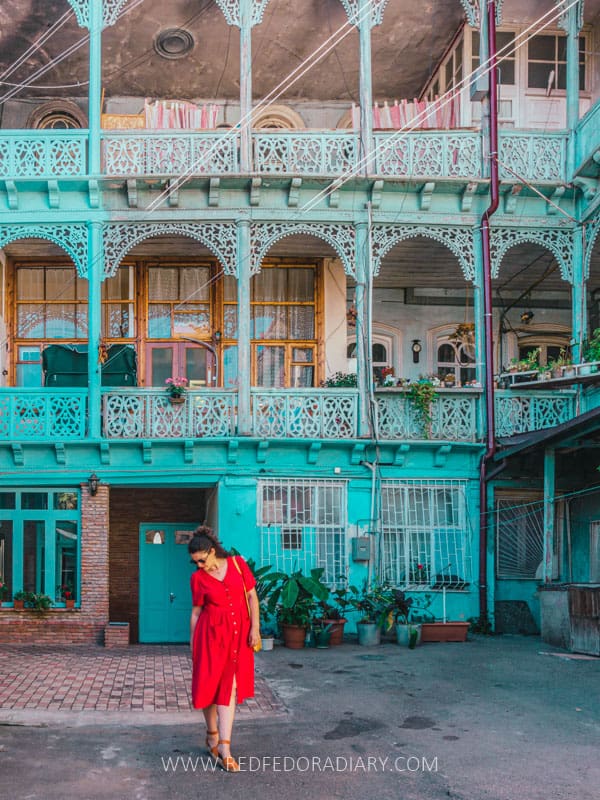
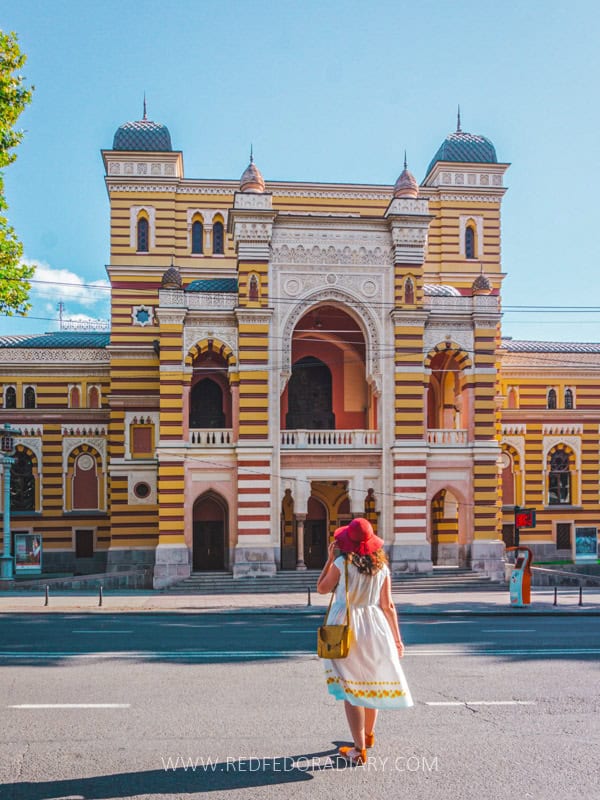
Lightweight scarves are useful to keep in your bag for coverage or sun protection. Don’t forget to throw in the sunscreen as well.
Evenings usually cool down slightly, but not enough to require heavy layers. Sandals are fine in summer, as long as they’re suitable for walking rather than flimsy flip-flops.
For heat-specific advice, tips, and how to plan your days around high temperatures, head to my complete guide to Tbilisi in summer and see what works best during the hottest months.
What to wear in Tbilisi in autumn
Autumn is one of the best times to visit Tbilisi. September often still feels like summer, while October and November bring cooler air and more changeable weather. If you’re deciding what to wear in Tbilisi in September, summer clothes still work during the day, but evenings may call for a light jacket.
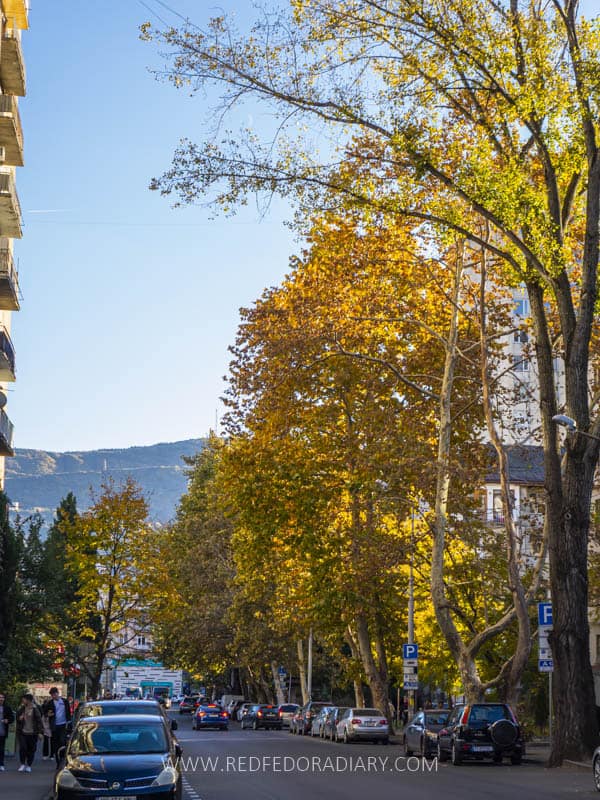

By October, layers become more important. Light coats, cardigans, sweaters, jeans, and long skirts are common. This is also when locals start shifting toward darker, more muted colors. When planning your trip, choose outfits that can easily transition from warm afternoons to cooler nights.
November is noticeably colder and sees more rain. Therefore, pack warmer layers, closed shoes, and something waterproof for occasional rainy days.
In my in-depth guide to autumn in Tbilisi, I cover weather changes, seasonal events, and how to plan your trip for September through November.
What to wear in Tbilisi in winter
Winters in Tbilisi are cold but generally milder than many people expect. Snow is rare in the city, but temperatures can drop, especially in January and February.
If your trip is earlier in the season and you’re wondering what to wear in Tbilisi in December, think of winter jackets, pullovers, sweaters, warm hats, and proper layering as essential.
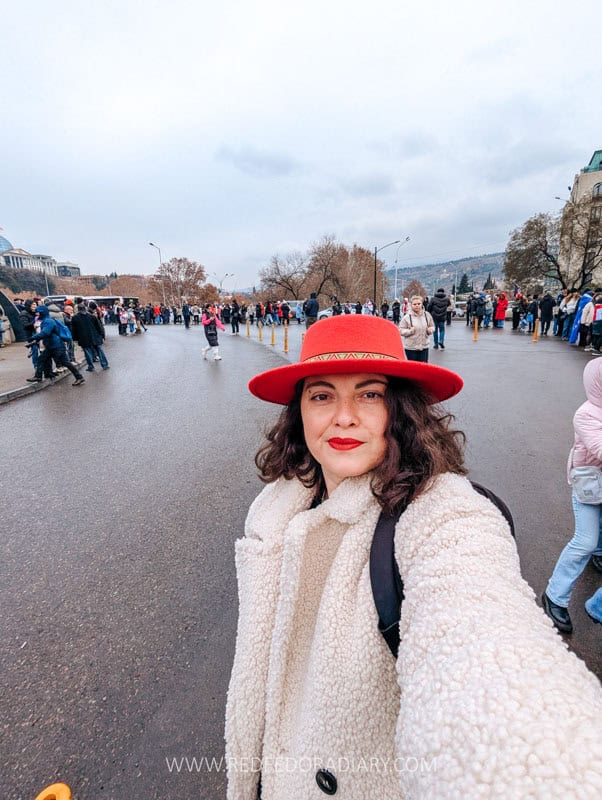

Locals usually wear winter jackets even on sunny days, and insulation matters more than style this time of year. Wool sweaters, thermal layers (shirt and leggings), warm scarves, and ankle boots work well. Rain might be more common than snow, so waterproof footwear or shoes that can handle damp conditions are a good idea.
Even though winter days can feel bright and sunny, evenings get cold quickly, so dressing warmly makes exploring the city much more enjoyable.
If your trip falls in the colder months, my detailed guide to Tbilisi winter covers what to expect, the Christmas and New Year festive season, and how to stay comfortable while exploring the city.
Planning your trip to Tbilisi
Best time to visit Tbilisi
Tbilisi can be visited year-round, but each season feels very different. Spring and autumn are generally the most comfortable for walking and sightseeing, while summer is hot and winter is colder but quieter.
Choosing the season really depends on whether you prefer mild weather, long days, or fewer crowds. Read my detailed guide on the best time to visit Tbilisi, covering seasons, month-by-month comparison, and festivals.
What to see and do in Tbilisi
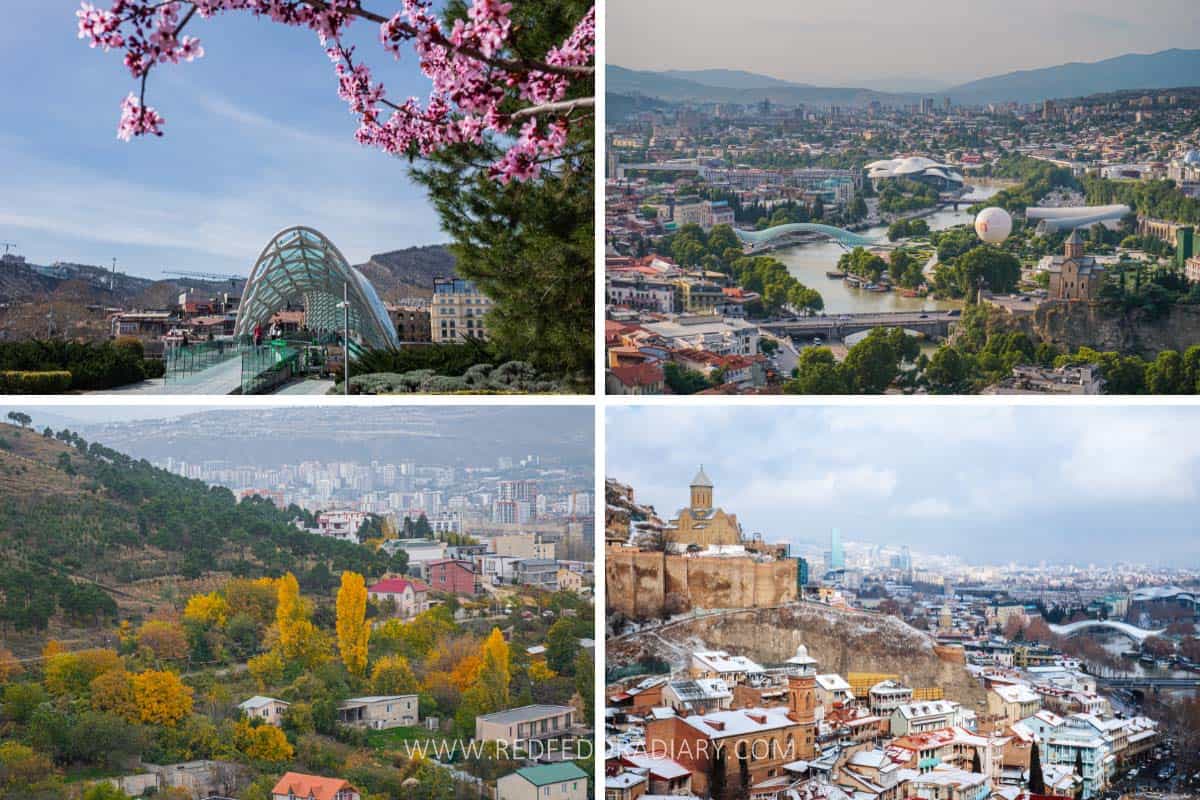
From wandering the Old Town to exploring newer neighborhoods, visiting museums, browsing markets, and enjoying viewpoints, Tbilisi offers plenty to see without rushing.
The city is easy to explore at your own pace, mixing history, traditional food, and everyday life. For a deeper look, see my ultimate guide on what to see and do in Tbilisi, with suggested routes and local tips.
Where to stay in Tbilisi
Choosing the right neighborhood can make a big difference to your experience. Central areas are convenient for first-time visitors, while quieter districts offer a more local feel and better value. I’ve broken down the best places and accommodation options in my guide on where to stay in Tbilisi.

Where to eat, drink, and take coffee breaks in Tbilisi
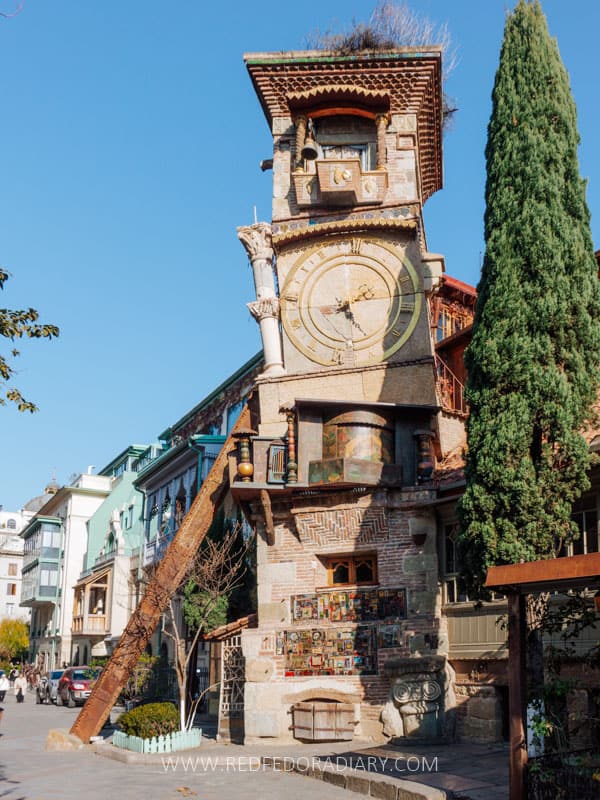
Food is a big part of daily life in Tbilisi, whether it’s sitting down for khinkali, grabbing a quick breakfast, or meeting friends for coffee or drinks in the evening. The city has a wide range of options, from traditional Georgian restaurants to modern cozy cafes and relaxed wine bars.
How to get from Tbilisi airport to the city
Getting from the airport to the city is straightforward, with several options depending on your arrival time and budget. Taxis, ride-hailing apps, and public transport are all reliable. You’ll find a full comparison of options in my guide on how to get from Tbilisi airport to the city.
Getting around Tbilisi easily
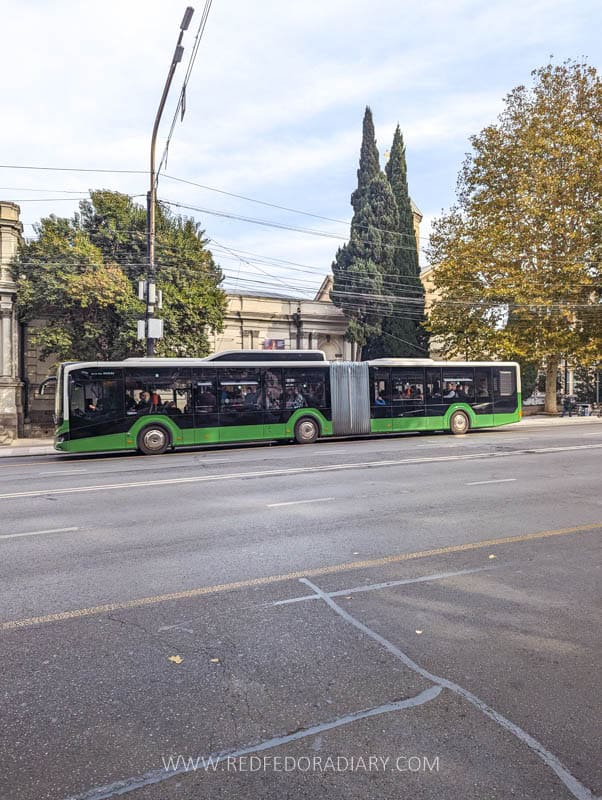
Tbilisi is walkable in many areas, but hills and distances can add up quickly. Public transport, taxis, and ride-hailing apps make getting around simple and affordable. I explain all the options in my guide to getting around Tbilisi.

Avoid heavy roaming fees in Georgia
Roaming charges can get expensive quickly in Georgia, especially if you rely on maps and mobile data throughout the day. You can purchase a local SIM card, but international eSIMs work just as fine. Read my guide to the best eSIMs I personally use and have tested for Tbilisi.
Soviet architecture and unusual sights in Tbilisi
Beyond the classic landmarks, Tbilisi is known for its Soviet-era architecture and unusual buildings, which give the city a distinct character. If you’re interested in architecture, history, or offbeat places, it’s worth setting aside time to explore these sites.
My dedicated posts on the most interesting Soviet buildings and architectural landmarks, Soviet mosaics and other thematic memorabilia spread across the city, and the Tbilisi metro, with its artistic and architectural value, are worth checking if you want to go deeper.


What souvenirs to buy in Tbilisi
If you’re thinking about bringing something home, Tbilisi has plenty of locally made souvenirs, from wine and food products to crafts and everyday items with cultural meaning. Knowing what’s genuinely local — and where to find it — makes souvenir shopping much more enjoyable. I’ve shared practical ideas and recommendations in my guide to souvenirs to buy in Tbilisi.