
Where to Stay in Tbilisi – Best Hotels & Neighborhoods
It can feel overwhelming to choose where to stay in Tbilisi, especially if it’s your first visit. The city is fairly compact, but each neighborhood has its own vibe. You’ll find everything from the historic Old Town and Sololaki’s grand buildings to Chughureti’s lively cafes and quieter, residential areas.
Tbilisi has hundreds of places to stay, from boutique and luxury hotels to budget hostels and cozy apartments. Before you start comparing rooms and prices, it’s helpful to think about which part of the city fits your plans. The best area for sightseeing on your first trip might not be right if you’re staying longer, coming back for another visit, or even moving here.
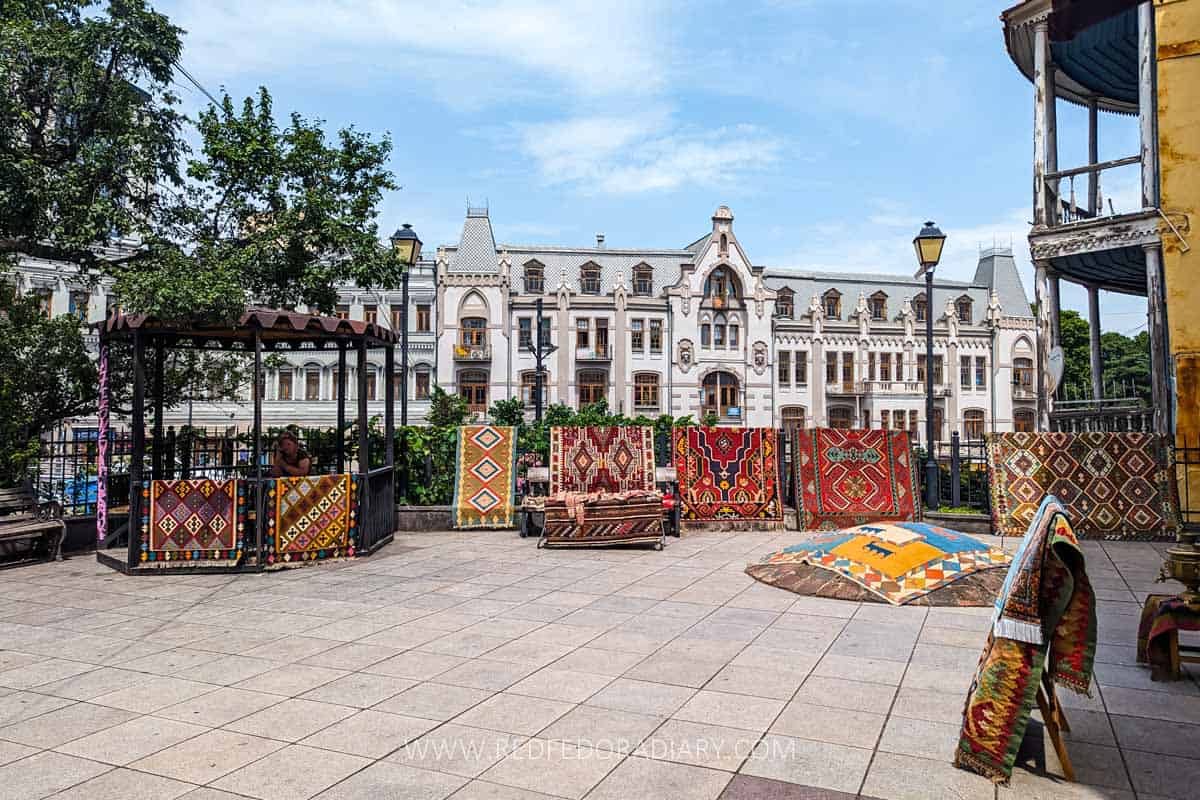
I was born and raised in Tbilisi and have lived in several neighborhoods over the years. In this guide, I’ll share the best places to stay in Tbilisi from a local’s point of view, including what each area is like, who it’s good for, nearby sights, and some recommended places to stay.
I’ll talk about the popular central neighborhoods that most visitors check out, as well as more residential areas. These are great for longer stays, repeat visitors, or anyone who wants to see a different, more local side of Tbilisi.
Disclaimer: Some of the links in this post are affiliate links, which means I may earn a small commission if you buy something through them—at no extra cost to you. It helps support my blog and lets me share real, first-hand travel tips. Learn more
Quick takeaways:
- Where to stay in Tbilisi for first-timers: Old Tbilisi or Sololaki
- Best for a more local feel: Chughureti or Vera
- Best for food and cafes: Vera or Chughureti
- Best for nightlife: Sololaki, Chughureti, or Vera
- Best for longer stays: Vake or Saburtalo
- Best for budget travelers: Avlabari or Didube
- Best for Soviet architecture: Saburtalo
- Best for history and architecture: Old Tbilisi, Sololaki, or Mtatsminda
Understanding Tbilisi Neighborhoods
Honestly, figuring out Tbilisi’s neighborhoods can be tricky if you’re not from here. The city has ten administrative districts, called raioni in Georgian, but there aren’t clear lines between neighborhoods.
Neighborhoods often overlap and blend together. Some places have nicknames based on a street, metro stop, or landmark, while others are known by old names that locals still use instead of the official ones. For example, people might talk about Kala and Abanotubani when they mean different parts of the Old Town.
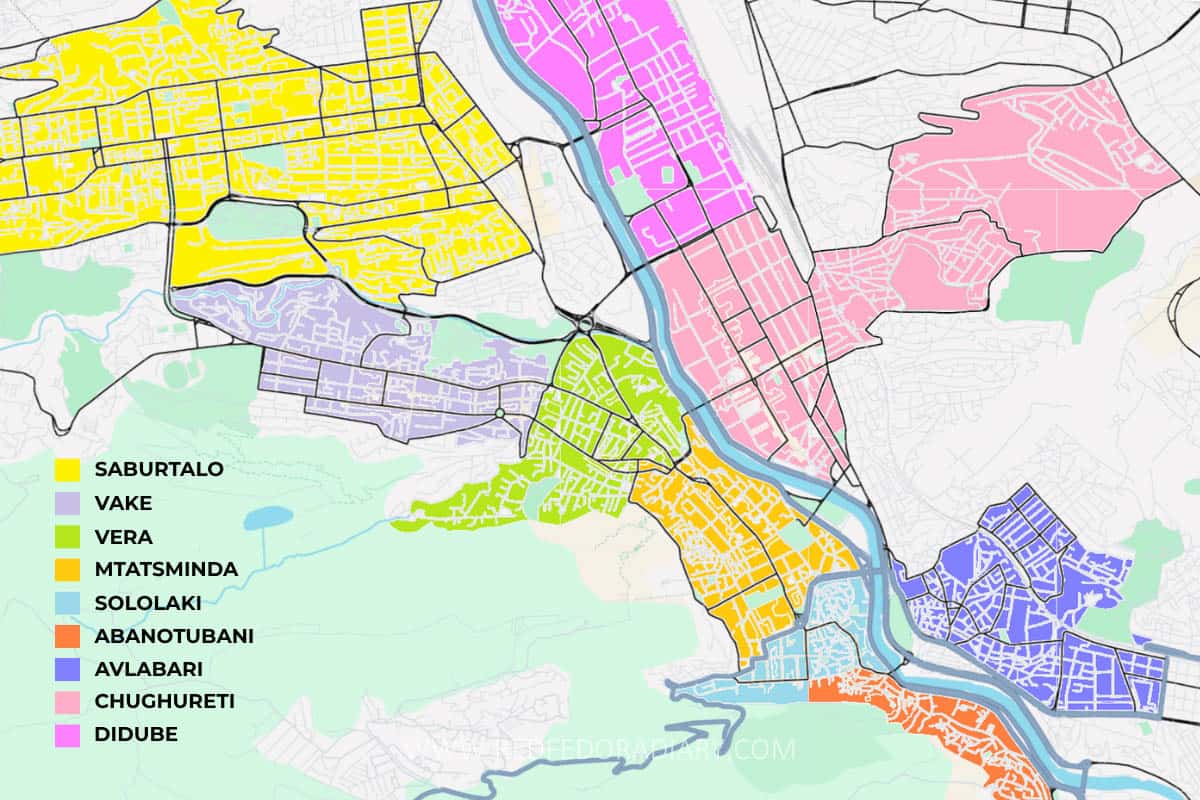
Every local has their own idea of where one neighborhood ends and another begins. We’ve often debated whether a certain street belongs to one area or another, or if it actually separates them.
Some areas that used to stand alone have been added to bigger administrative districts. For example, Sololaki is now officially part of the Mtatsminda raioni, but almost everyone here still thinks of it as its own neighborhood.
Saburtalo now includes Didi Dighomi, and Vake officially covers areas such as Tskneti and Betania. This can make finding a place to stay in Tbilisi even more confusing.
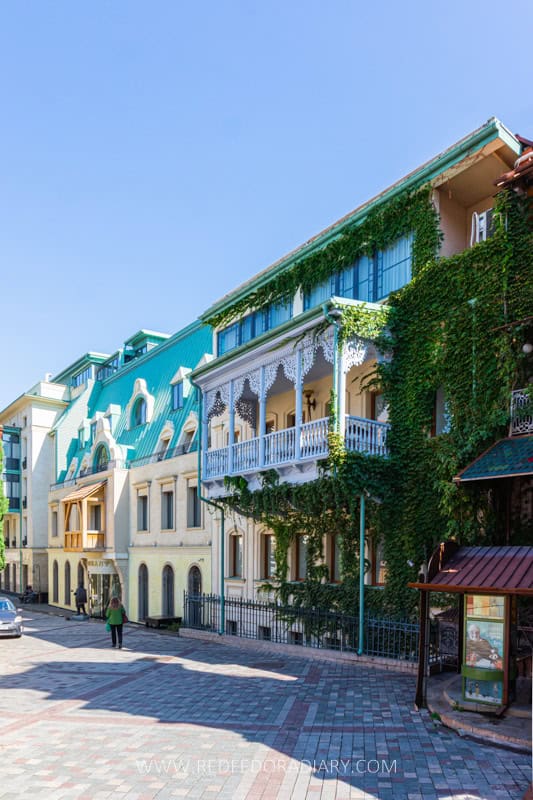
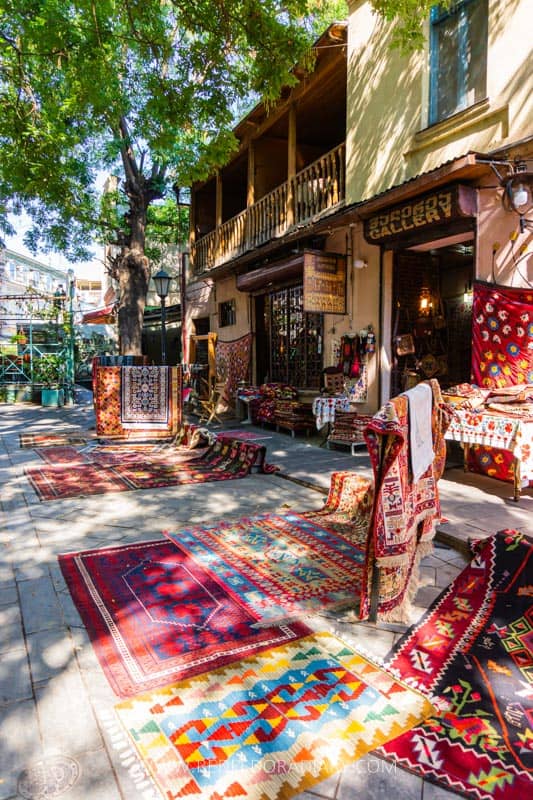
There are also names that locals still use out of habit. For example, many people, including me, call the area around Orbeliani Square Kolmeurneoba, its old Soviet-era name. The area near Station Square is often called Vagzali, which comes from the Russian word for “station”.
Because I grew up here, I’ve always known where one neighborhood ends and the next begins, so getting around Tbilisi feels natural to me. But it might not be so easy for visitors, which is why I made the map above showing the neighborhoods as locals see them. Just remember, it’s very different from the city’s official map of raioni (administrative districts).
Plan Your Trip to Georgia Like A Pro
Where to stay in Tbilisi
Abanotubani and the Old Town
Best for: first-time visitors, short stays, sightseeing, and travelers who want to stay within walking distance of Tbilisi’s main historic attractions.
Dzveli Tbilisi, or Old Tbilisi, is the broader name for the oldest part of the city, which was once encircled by a brick wall. Its historical name is Kala, meaning Castle, derived from the Narikala Fortress overlooking the area. Most of it, located on the right bank of the Mtkvari River, is now part of the Krtsanisi district.

Old Tbilisi is one of the best areas to stay in Tbilisi for first-time visitors, especially if you want to be within walking distance of many of the city’s main sights. For locals, Old Tbilisi includes Abanotubani (the sulfur bath district) with Leghvtakhevi, Meidan Square, Bread Square (Puris Moedani), the Betlemi Quarter, Sioni Cathedral, Kote Apkhazi Street, and the maze of small streets and alleyways stretching toward Freedom Square.
This is the part of Tbilisi where you can experience the city’s oldest and most recognizable scenery. Narrow cobbled streets wind between colorful houses with carved wooden balconies, while centuries-old churches, mosques, synagogues, and other historic landmarks stand surprisingly close to one another. Meidan Square was once one of the city’s main trading areas, and the neighborhood still has traces of Tbilisi’s long history as a multicultural Silk Road city.
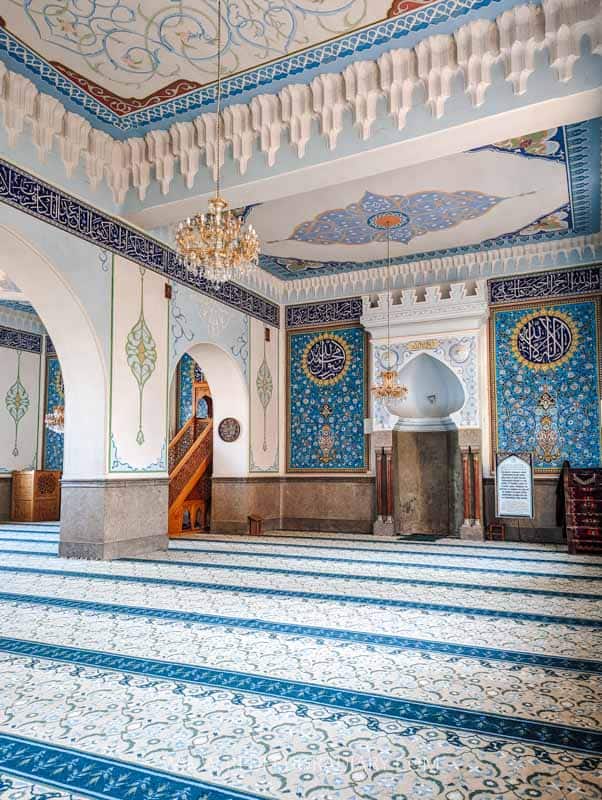

The most iconic part of Old Tbilisi is Abanotubani, famous for its brick-domed sulfur bathhouses built above the city’s natural hot springs. This is also the area traditionally associated with the founding of Tbilisi in the mid-5th century. Translated as the “bath district,” Abanotubani is home to around ten operating bathhouses, and experiencing the city’s sulfur bath culture is one of the must-do things in Tbilisi.
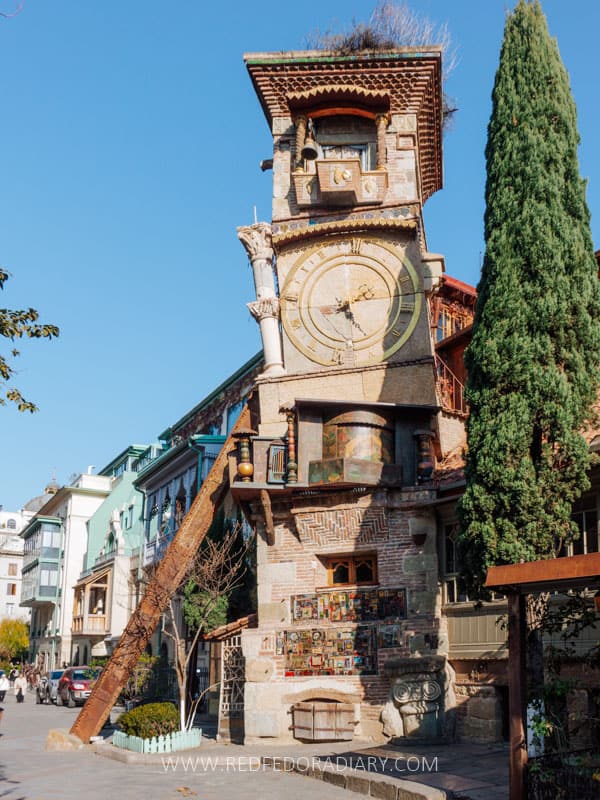
Staying here also puts you close to many of Tbilisi’s main attractions. You can walk to the Gabriadze Leaning Clock Tower and Theater, Anchiskhati Basilica, Jan Shardin Street, Kote Apkhazi Street, and Old Meidan, or explore the steep streets of the Betlemi Quarter leading toward viewpoints, churches, the Zoroastrian Fire Temple (Ateshga), Narikala Fortress, and the Mother of Georgia statue. The Botanical Garden and Leghvtakhevi Waterfall are also nearby.
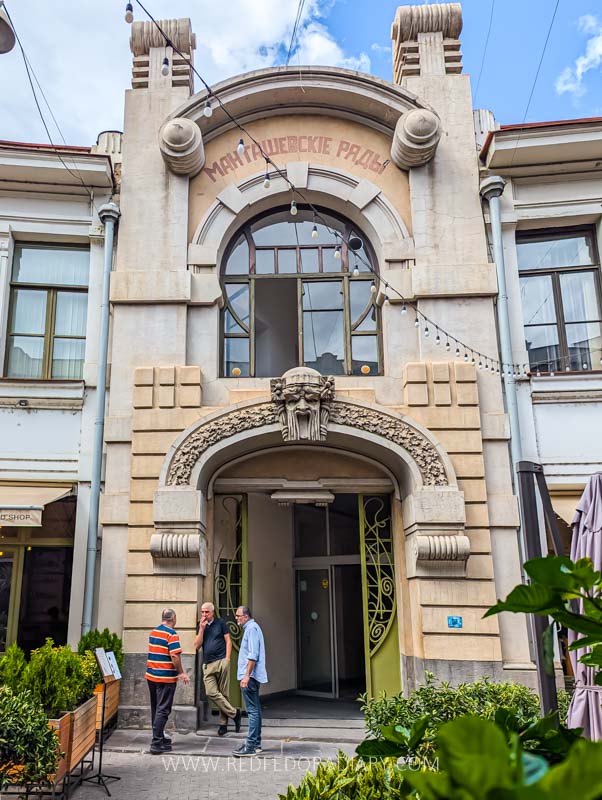
Despite being in the heart of the city, staying in Old Tbilisi does come with a few disadvantages. It is one of the most touristy parts of Tbilisi, so it can get crowded during the high season, and accommodation prices are generally higher than in other neighborhoods. Restaurant options can also be more limited than in areas such as Vera or Chughureti. And because of the narrow streets, getting dropped off directly at your hotel by taxi can sometimes be difficult.
Where to stay in Tbilisi Old Town:
Sololaki
Best for: architecture lovers, cafes and bars, nightlife, and travelers looking for a central location with an up-and-coming district feel
Sololaki is one of the oldest neighborhoods and one of my favorite parts of the city. Territory-wise, it sits between the Old Town and Rustaveli Avenue, making it one of the best places to stay in Tbilisi. It starts around Freedom Square and stretches uphill toward Mtatsminda.

Now part of the Mtatsminda administrative district, Sololaki used to be a separate area, and locals still consider it a stand-alone neighborhood. Its name comes from the Persian sulu-lah, referring to a water irrigation system constructed for the nearby gardens.
When Georgia was annexed by the Russian Empire in 1801, Sololaki was among the first areas where the city started to expand beyond its city walls. It developed into a neighborhood of wealthy Armenian merchants and businessmen, with grand houses built in European architectural styles. Areas that developed outside the city walls were historically known as Garetubani, or the “outer neighborhood,” which included Sololaki, Mtatsminda, and parts of Avlabari.
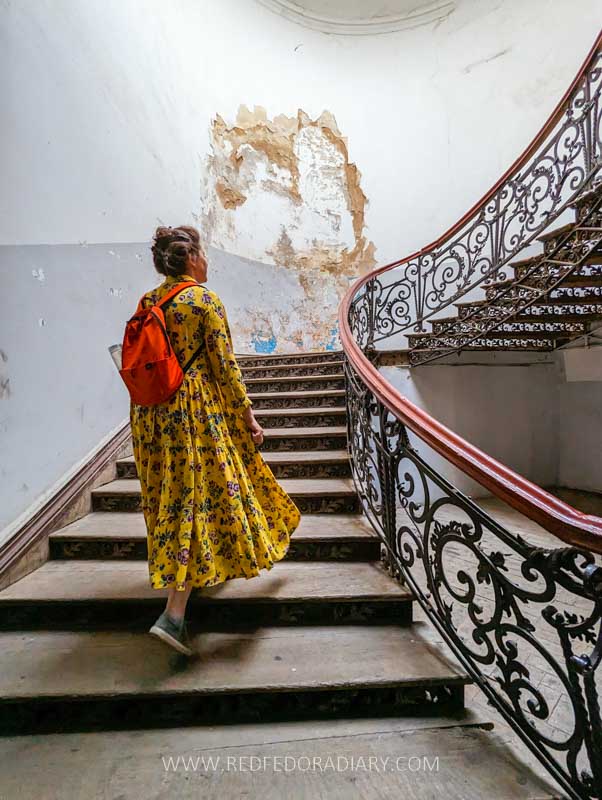
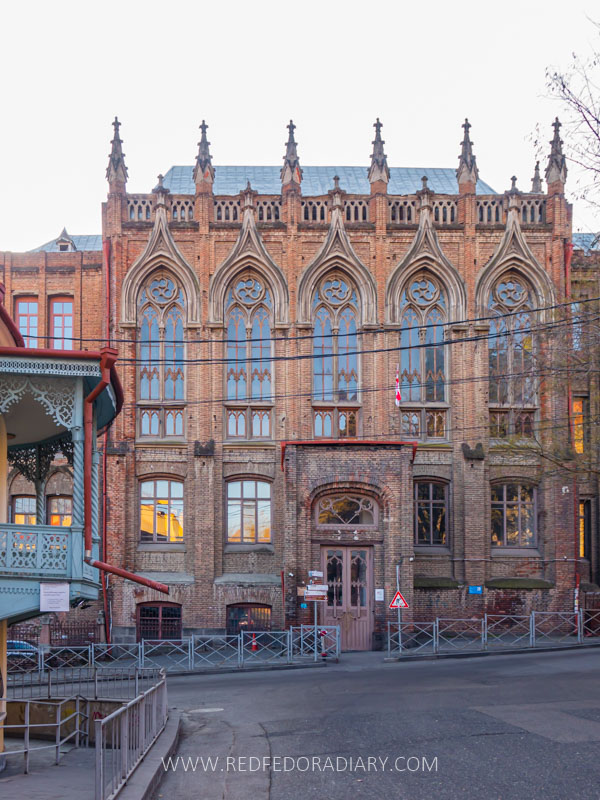
Today, Sololaki is one of the best places to see Tbilisi’s Art Nouveau and European-style architecture. I love wandering its streets to look at the elaborate façades, carved entrances, and ornate details tucked between more weathered buildings. If you’d like to learn more about the neighborhood’s wealthy past and architecture, I also do tours of Sololaki’s bourgeois past.
Besides architecture, Sololaki has plenty of specialty coffee shops, museums, and cozy cafes, as well as some beautiful Tbilisi courtyards, often called Italian courtyards. It’s a good neighborhood to explore on foot, with plenty of places to stop along the way. It is also one of the best areas to stay in Tbilisi for nightlife, thanks to its many bars, craft beer spots, and wine bars.
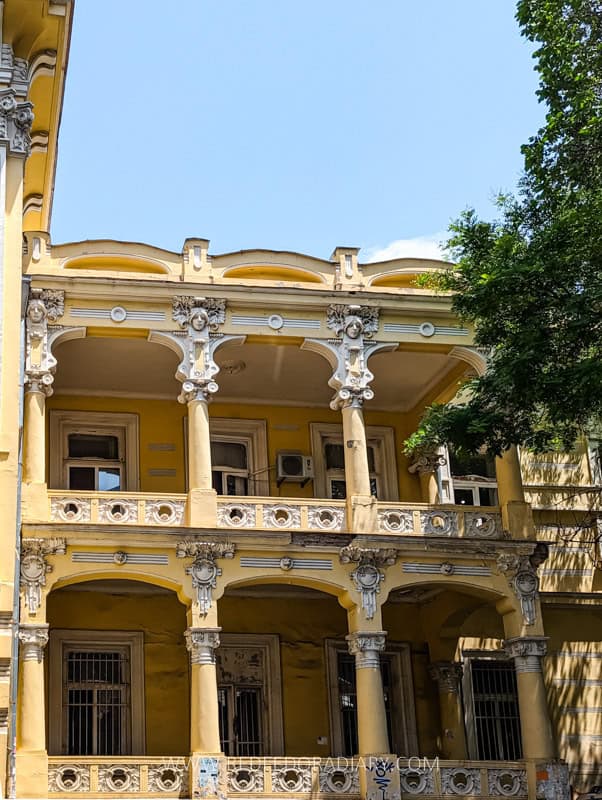
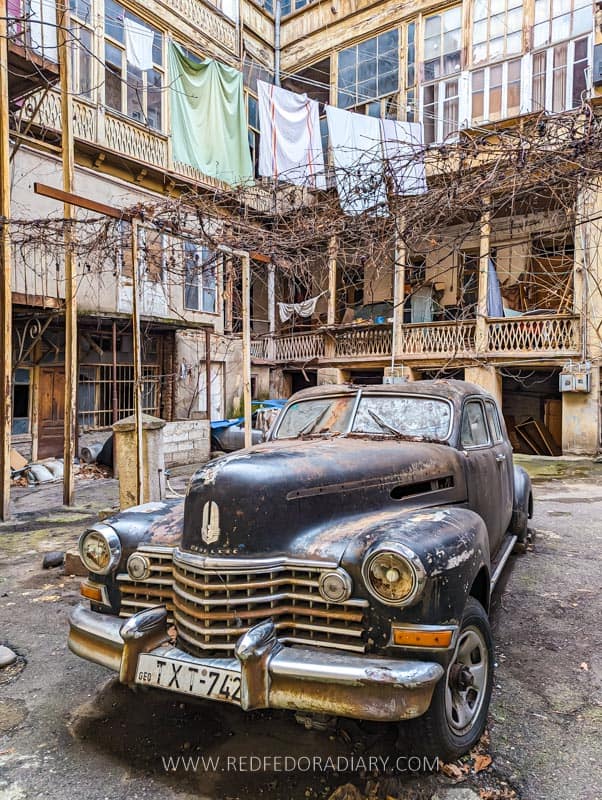
The neighborhood is also well connected by public transport, with Liberty Square metro station providing easy access to other parts of Tbilisi. You’ll also find grocery stores, supermarkets, and Galleria Tbilisi nearby.
Top hotels in Sololaki:
Avlabari
Best for: budget travelers, first-time visitors looking for a quieter alternative to Old Tbilisi, and travelers who want to stay close to the main sights
Avlabari is a central neighborhood on the left bank of the Mtkvari River and was, and still partly is, Tbilisi’s Armenian district. Starting opposite Abanotubani, it stretches east toward Isani and is officially part of the Isani administrative district. Like several other areas, Avlabari is still considered a stand-alone neighborhood by many locals.
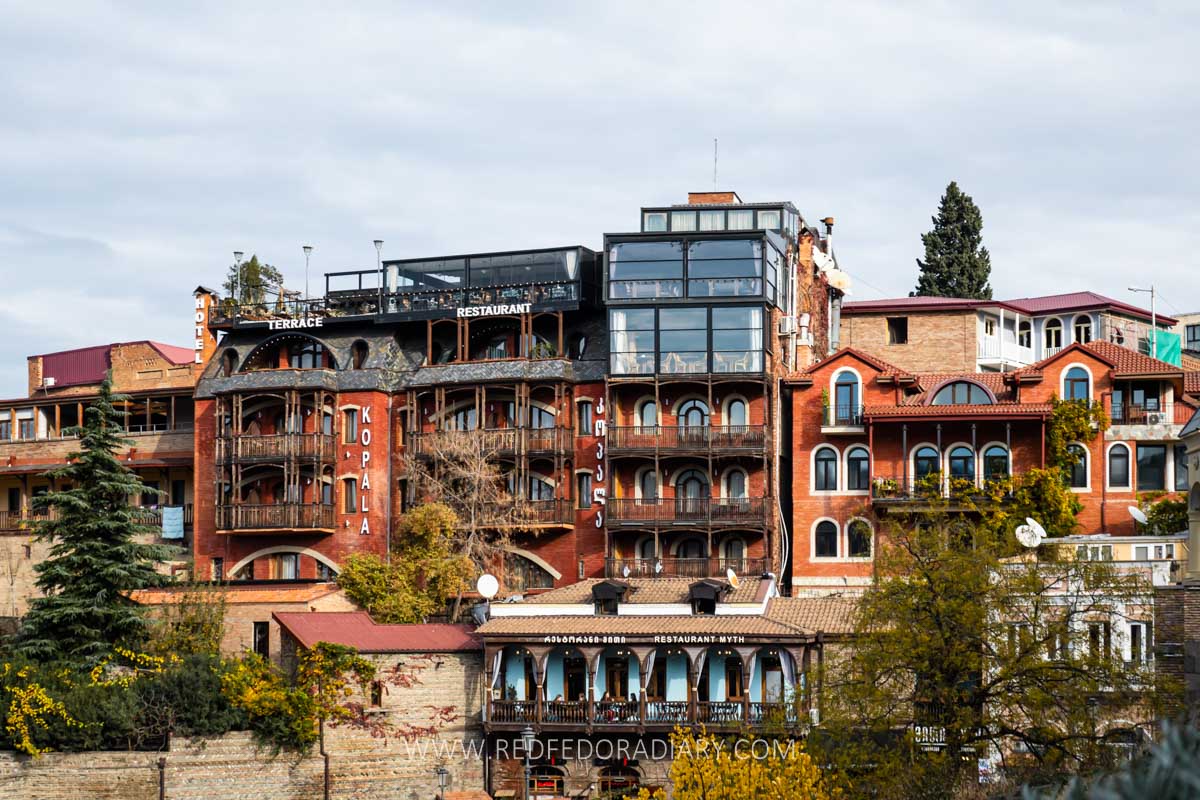
Avlabari is connected to the Old Town by two bridges, Metekhi Bridge and the Bridge of Peace, putting many of the main sights within walking distance. The Bridge of Peace takes you directly toward Rike Park, one of the area’s main green spaces. The park is filled with flowers and quirky monuments, and two giant glass structures known as “Rikis Doqebi,” which have stood largely unused for years, have now been demolished to make way for a high-rise building.
One of the neighborhood’s most important landmarks is the Holy Trinity Cathedral of Tbilisi, commonly known as Sameba. At 87 meters tall, it is the tallest church in Georgia and is visible from many parts of the city.
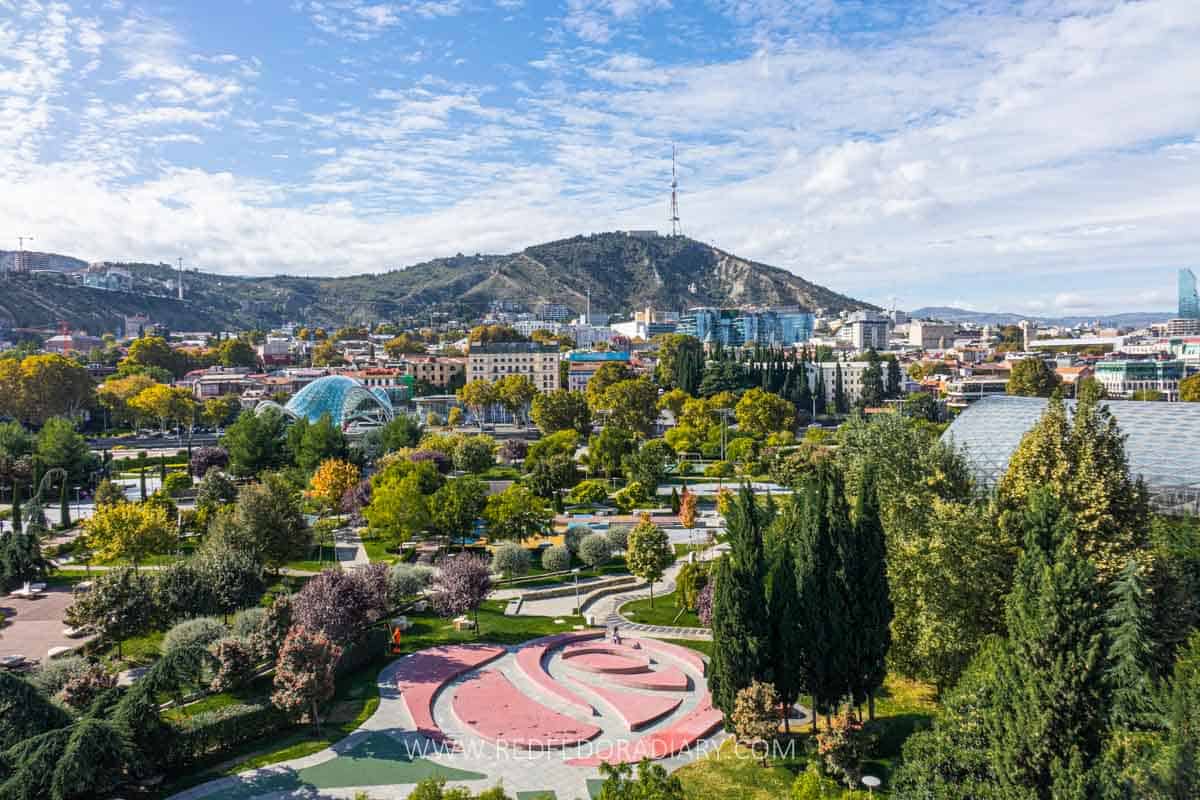
Another notable sight is Queen Darejan’s Palace, known for its turquoise wooden balcony and views over Rike Park, Narikala Fortress, and Mtatsminda with its TV tower. The neighborhood is also home to one of Tbilisi’s quirkiest historical sights, Stalin’s underground printing house, hidden among its residential streets.
Avlabari is less touristy than Old Tbilisi while still keeping you close to the historic center. This also means you’ll find more affordable accommodation here, including budget and mid-range hotels that can cost considerably less than similar options in the Old Town.
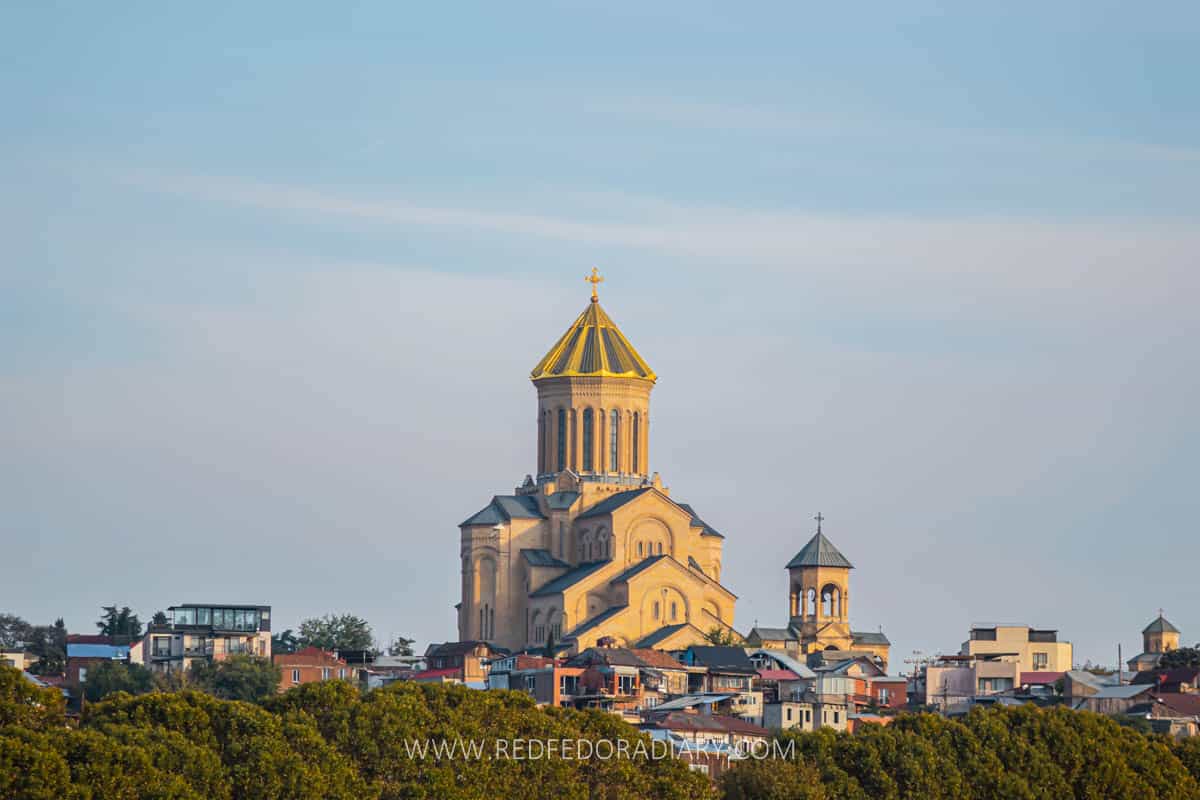
The neighborhood has a mix of very old houses, some showing their age, alongside newer apartment complexes, hotels, renovated squares, and parks. Avlabari is changing, but it still has a more everyday residential feel than the areas across the river.
Getting around is easy, thanks to Avlabari metro station and several bus routes. You’ll also find plenty of grocery shops, including a small Carrefour near the metro station. Cafes, restaurants, and bars are more limited than in Sololaki or Old Tbilisi, but there are still a few options around the neighborhood.
Top hotels in Avlabari:
Mtatsminda
Best for: culture and museum lovers, central location, quieter residential streets, and those who want to be close to both Old Tbilisi and Rustaveli Avenue
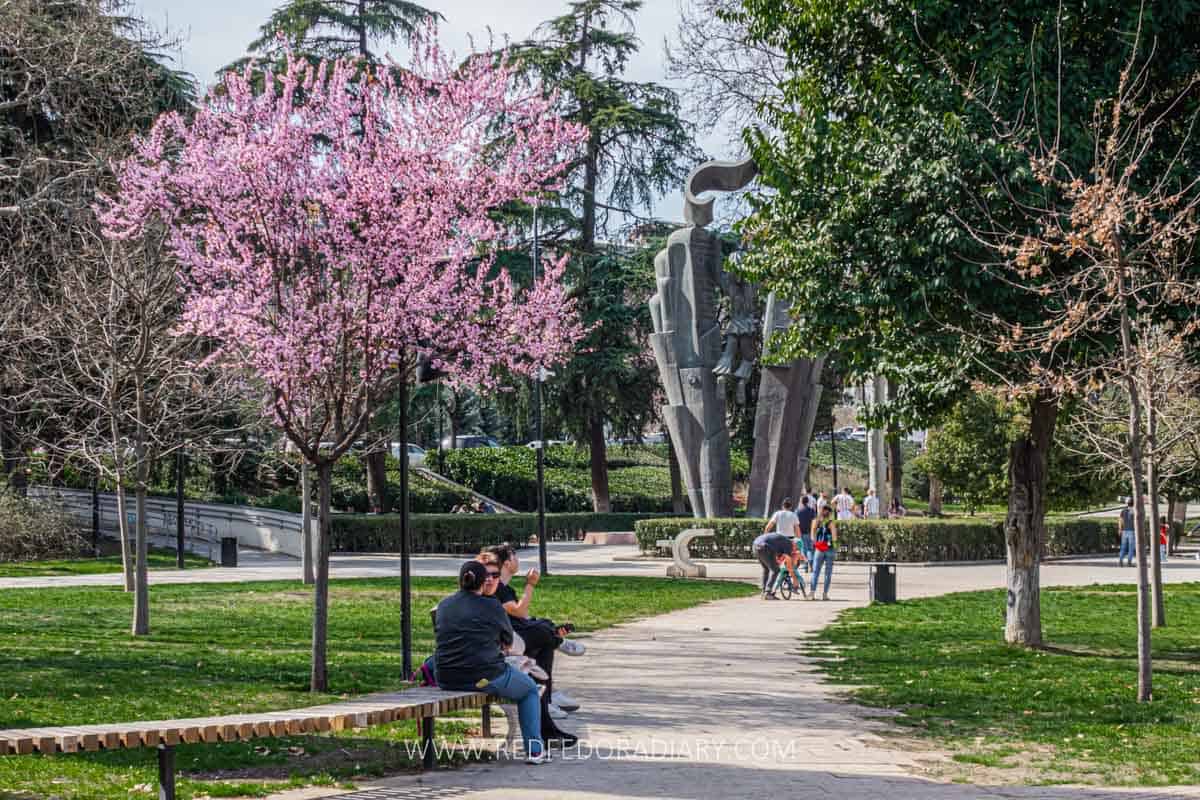
Mtatsminda is one of the largest central neighborhoods in Tbilisi. Historically part of Garetubani, like Sololaki, it stretches from Freedom Square up Mtatsminda, or the “Holy Mountain,” along Shota Rustaveli Avenue and down toward the Mtkvari River.
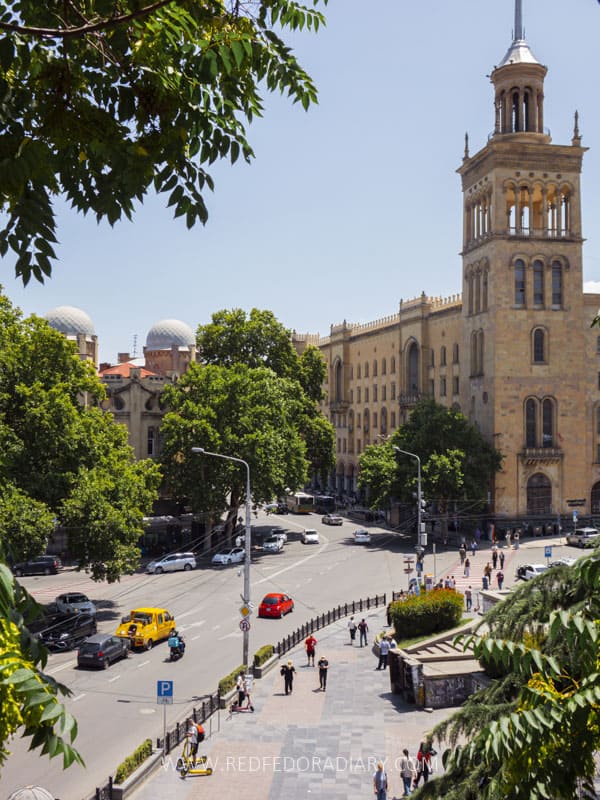

The neighborhood takes its name from Mtatsminda Hill, home to some of Tbilisi’s most recognizable attractions, including the TV Tower, Tbilisi Funicular, Mtatsminda Park, and Mtatsminda Pantheon, where many famous Georgian writers, poets, artists, and historical figures are buried. The hill also offers one of the city’s best panoramic viewpoints.
If you enjoy hiking, you can follow trails from Mtatsminda toward Turtle Lake or Narikala Fortress. I’ve done both routes, and I recommend starting from Mtatsminda, as you’ll be walking mostly downhill. The route to Narikala also includes many stairs, making the opposite route considerably more tiring.
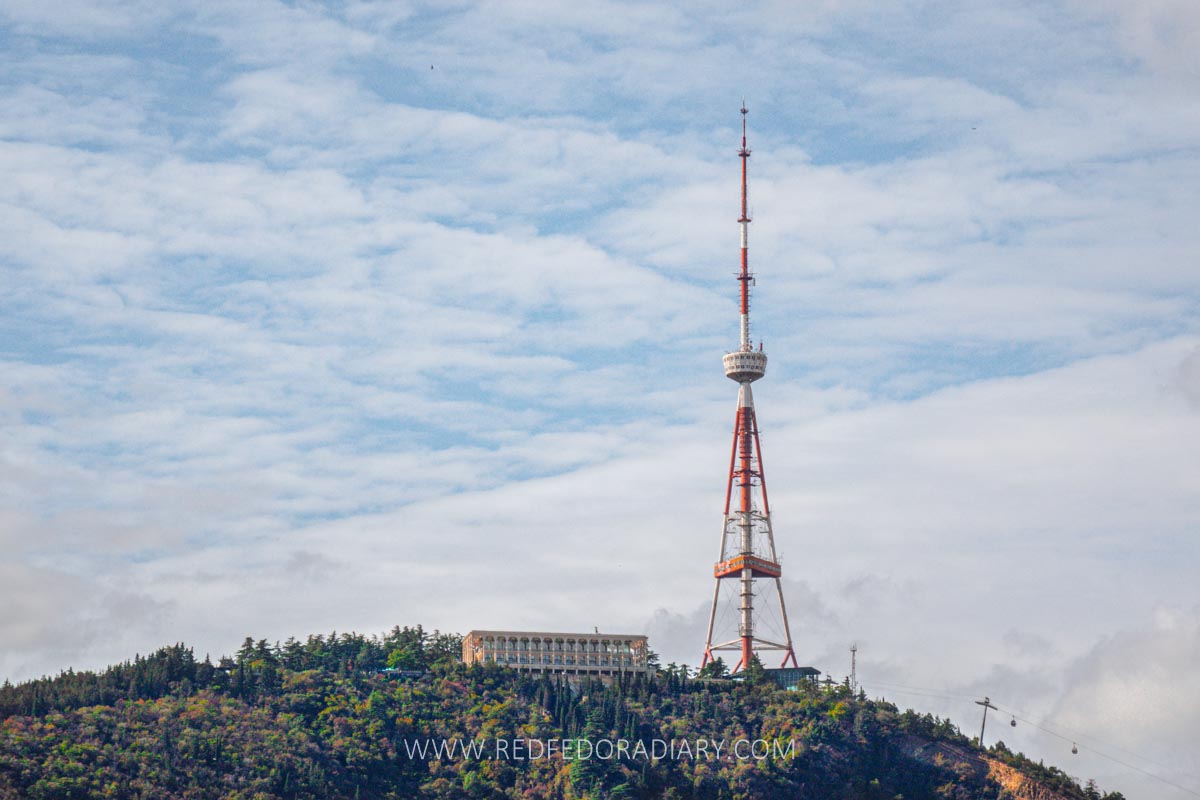
The lower part of the neighborhood follows Shota Rustaveli Avenue, one of Tbilisi’s main streets. It is lined with shops, cafes, restaurants, and some of the city’s best museums, including the Georgian National Museum, as well as landmarks such as the Rustaveli Theater, the Parliament, Youth Palace, and the Opera and Ballet Theater. You’ll also find several Soviet Brutalist buildings along the avenue. For restaurants, however, I’d personally look a little beyond the main avenue.
Above the Parliament, the atmosphere changes considerably. The streets become quieter and more residential, with a mix of historic houses and interesting Art Nouveau architecture. Some streets are steep and cobbled, however, so dragging a large suitcase uphill can be challenging, and this part of the neighborhood isn’t the easiest choice for travelers with mobility issues. Ingorokva and Griboedov streets are among the more accessible options in this upper section.


Similar to Sololaki, I also cover the area’s architecture on my Mtatsminda-Sololaki Art Nouveau Walking Tour.
Closer to the river, the neighborhood becomes livelier. Newly renovated Orbeliani Square is surrounded by cafes, restaurants, and shops, while the area around it has some of the best khinkali restaurants and plenty of other places serving Georgian and international cuisine.

Dedaena Park is one of my favorite places to spend warm evenings and weekends with friends. There are several food and drink spots in the park, including one of my favorite bars, Deda Ena Bar. Right next door, the Dry Bridge Flea Market is a fun place to spend an afternoon browsing vintage finds, antiques, and Soviet-era items.
Because Mtatsminda covers such a large area, the type of accommodation varies depending on where you stay. You’ll find everything from budget-friendly apartments and hotels to more upscale options. The neighborhood is also well connected by public transport, with both Liberty Square and Rustaveli metro stations serving different parts of the area.
Top hotels in Mtatminda
Chughureti
Best for: foodies, nightlife, cafes and bars, architecture lovers, and travelers looking for a lively neighborhood with a local feel
Historically, Chughureti was a German colony known as Neu Tiflis, becoming part of Tbilisi in the 1820s. Located on the left bank of the Mtkvari River, the neighborhood is known among locals by several names, including Marjanishvili, Vorontsovi, and Plekhanovi. The name Chughureti comes from the Turkish word çukur, meaning “pit.”

Today, Chughureti is a separate administrative district, although its boundaries don’t always match how locals understand the neighborhood. The wider area includes places such as Svanetisubani, Ivertubani, and Kukia, which can make maps and accommodation listings somewhat confusing.
With its centuries-old buildings, Chughureti is one of my favorite neighborhoods in Tbilisi and another excellent place to see the city’s Art Nouveau architecture. Aghmashenebeli Avenue is its main street, lined with restored mansions once owned by wealthy Tbilisians.
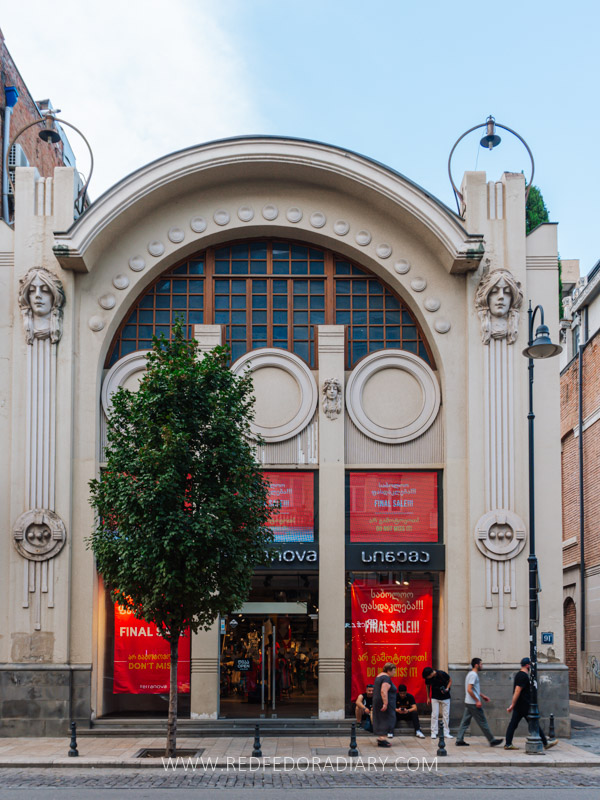
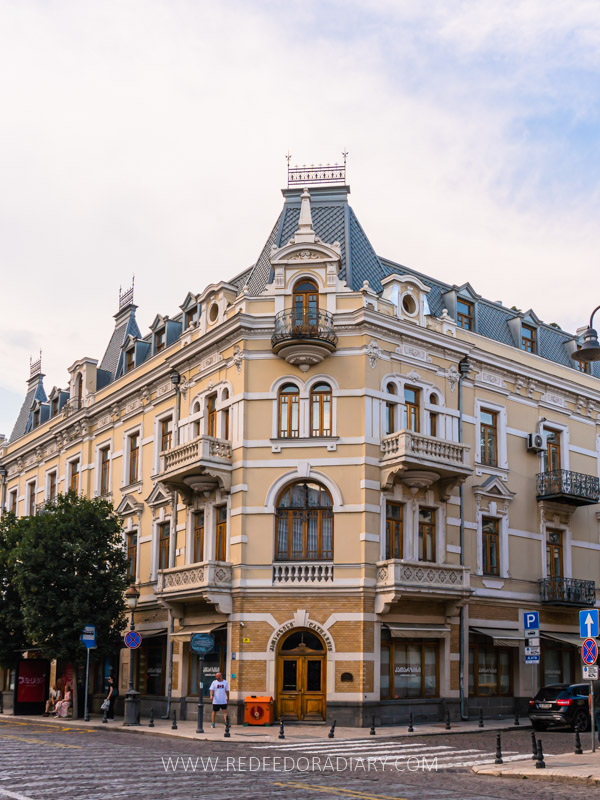
The pedestrian section between the Radisson RED Tbilisi and Saarbrücken Square is particularly lively, with restaurants, cafes, and Middle Eastern eateries. It can also get quite touristy, and I would be more cautious around some bars and restaurants here due to occasional tourist scams.
A major reason Chughureti became popular with visitors was Fabrika Tbilisi, the former Soviet sewing factory that was transformed into a multipurpose building featuring a hostel, cafes, bars, shops, and creative spaces. It helped change the character of this part of the city and turned the surrounding streets into one of the most popular nightlife areas. Even today, Fabrika remains one of the neighborhood’s main social hubs.
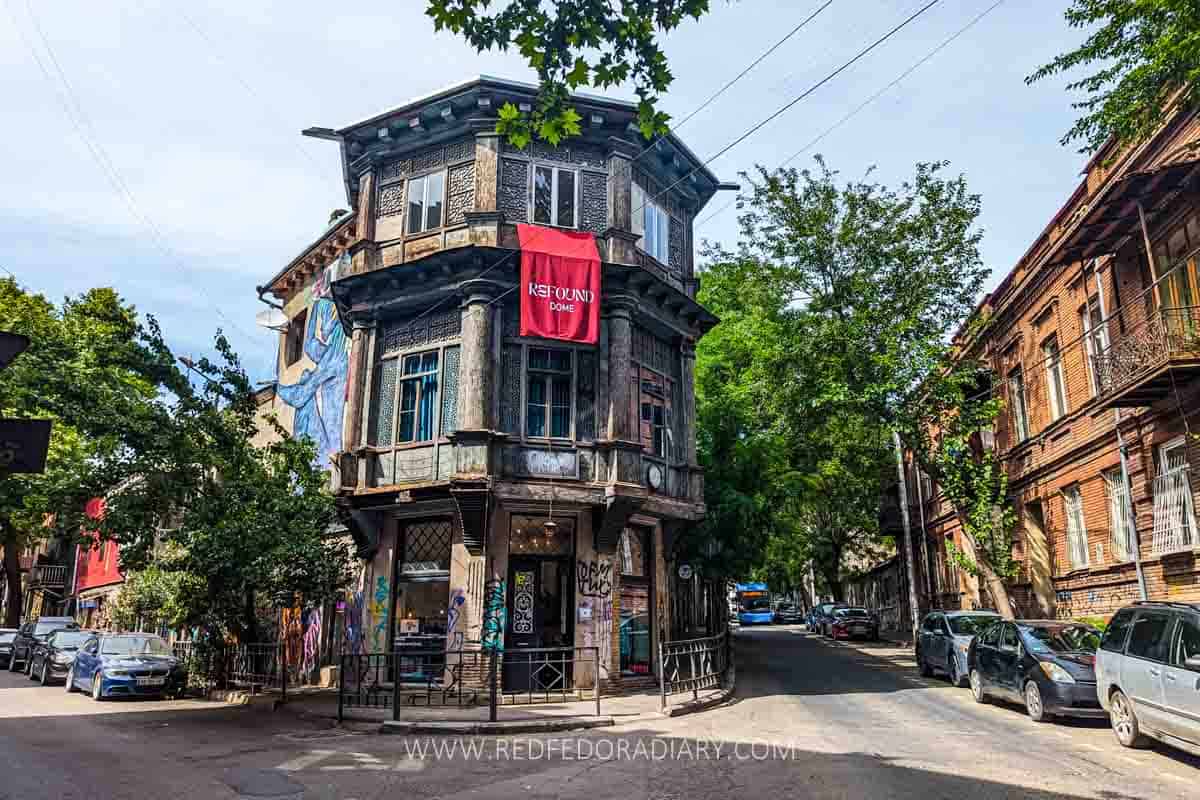
Beyond Aghmashenebeli Avenue, Chughureti has plenty to explore, including museums, theaters, beautiful murals, vintage bookstores, independent shops, and some of my favorite Georgian restaurants, as well as excellent brunch and breakfast spots. The neighborhood is a particularly good choice if you like having plenty of places to eat and drink within walking distance.
Chughureti is also practical for getting around Tbilisi. The lower part of the neighborhood, between the river and Tbilisi Central Railway Station, has easy access to public transportation, with Marjanishvili and Station Square metro stations nearby. Tbilisi Central serves domestic and international train routes, including services to Armenia and Azerbaijan, while the nearby Dezerter Bazaar is one of the city’s main food markets.


At the far end of Aghmashenebeli Avenue, you’ll find Dinamo Arena and the State Silk Museum. Dry Bridge Flea Market and Dedaena Park are also within easy walking distance, depending on where you stay in Chughureti.
Top hotels in Chughureti
Vera
Best for: foodies, cafes and wine bars, nightlife, longer stays, and travelers looking for a residential neighborhood with plenty of places to eat, drink, and hang out
I spent half of my childhood in Vera before moving to the outskirts of Tbilisi. We lived in Upper Vera, known as Sevastopoli, an area of steep hills and Soviet residential buildings.

I also went to kindergarten on Shanidze Street and School No. 53 on Barnovi Street, so I walked these steep streets almost every day and knew a few shortcuts, too. The area has changed considerably since we moved away, and these days, surprisingly little looks familiar to me.
Vera starts at the end of Rustaveli Avenue, where Kostava Street begins, and stretches toward Chavchavadze Avenue and Tbilisi State University. It runs along the Mtkvari River and climbs up the hills between Mtatsminda and Vake.
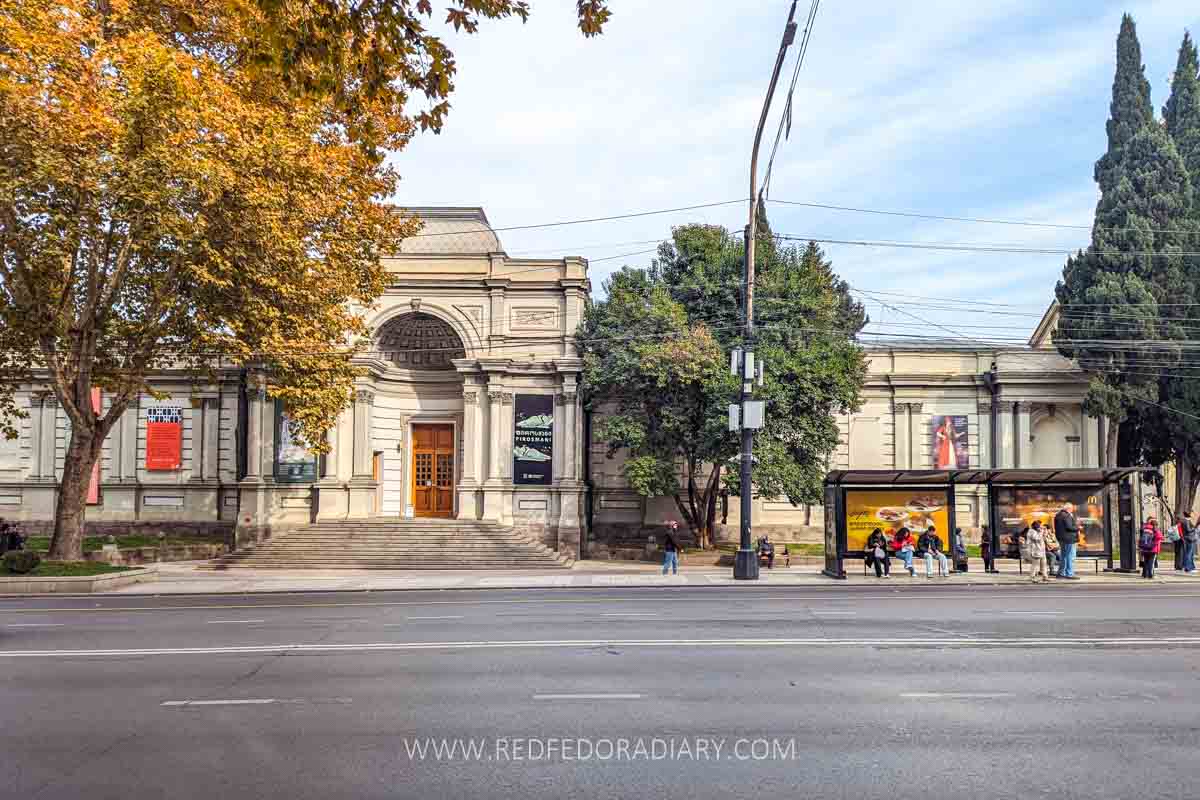
Bordering these two neighborhoods, Vera is a relatively quiet residential area with a more local feel. As long as I can remember, Vera and Vake have had a bit of a rivalry over where exactly the border between the two lies and, more importantly, which one has the “cooler” or “fancier” vibe.
The neighborhood has several green spaces, including the recently renovated Vera Park next to the Tbilisi Concert Hall. Further along Kostava Street toward the river, you’ll find Laguna Vere, an abandoned Soviet-era swimming pool where I learned to swim. Next to it stands another huge brick building that once housed a Silk Factory.
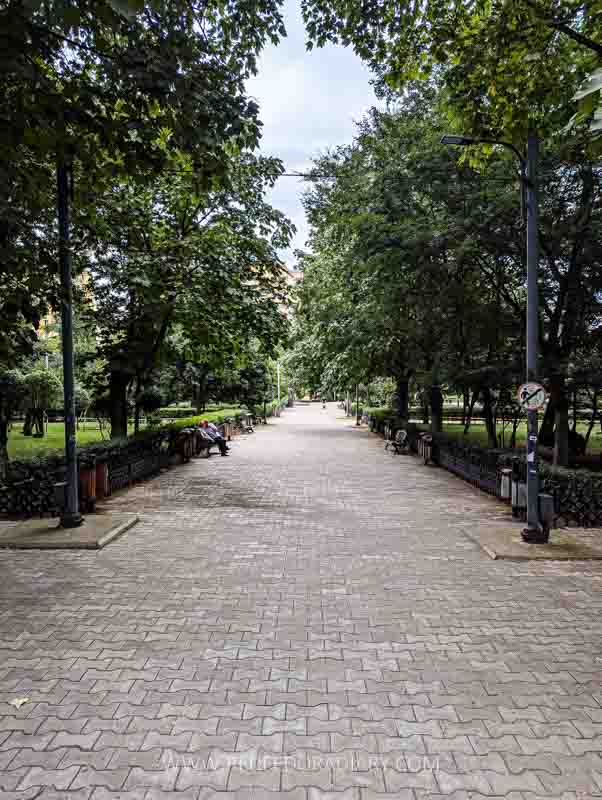

Vera doesn’t have many major tourist attractions, but that’s part of its appeal. Instead, you’ll find plenty of eateries, bakeries, specialty coffee shops, wine bars, galleries, museums, and coworking spaces scattered throughout the neighborhood.
Stamba Hotel and its cafe and nearby Lolita have become some of Tbilisi’s most recognizable contemporary spaces, while Wine Factory N1, a former winery turned restaurant and bar complex, is one of the most popular places for locals to eat, drink, and socialize.
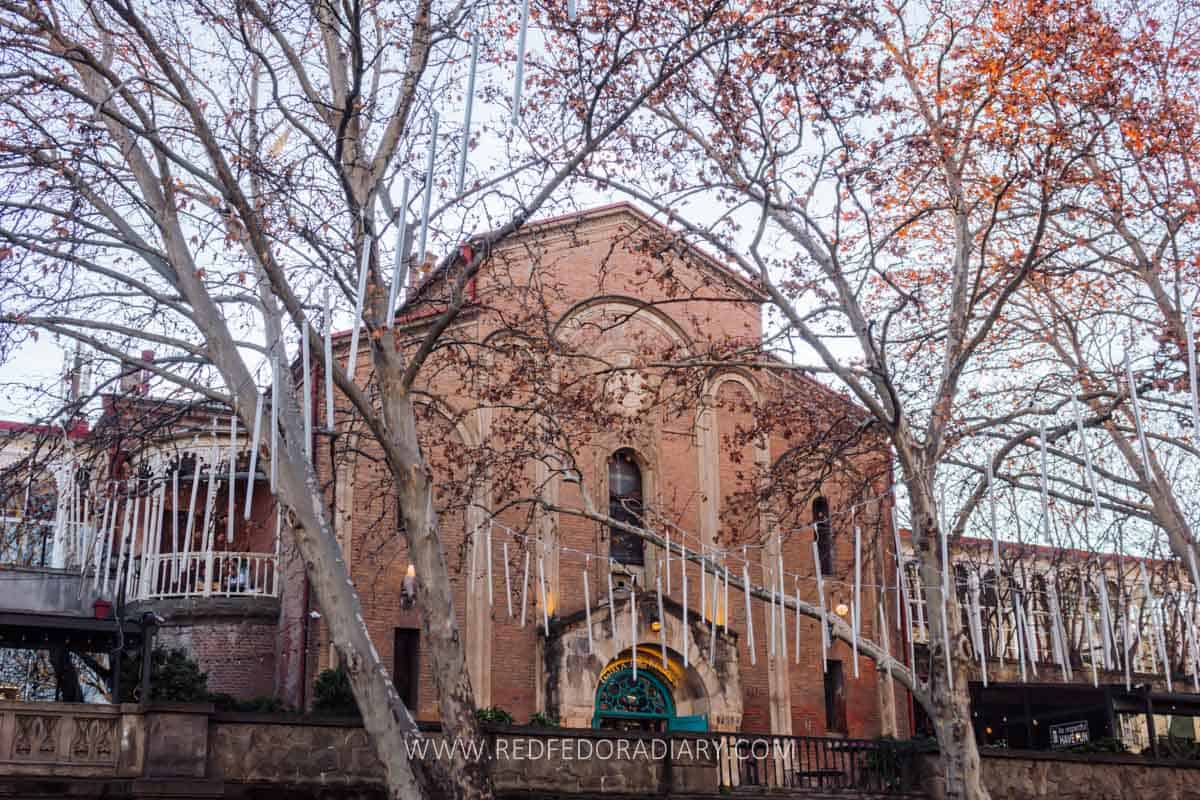
Accommodation here ranges from stylish boutique hotels and apartments to more upscale options. Vera is particularly convenient if you want to stay somewhere with plenty of restaurants, specialty coffee shops, cute cafes, and bars nearby without being right in the middle of the busiest tourist areas.
The closest metro station is Rustaveli, while Rustaveli Avenue itself is usually a 5–10-minute walk away, depending on where you stay. Getting to Freedom Square is also straightforward, with several bus routes connecting Vera to the city center.
Top hotels in Vera:
Vake
Best for: foodies, families, longer stays, parks and green spaces, and travelers looking for an upscale residential neighborhood
Vake, meaning “flat,” is one of Tbilisi’s most walkable neighborhoods, with mostly level streets and some uphill sections toward its upper edge. It was incorporated into the city at the beginning of the 20th century, so its architecture is generally newer than that of the historic buildings in Old Town Tbilisi, Sololaki, and parts of Mtatsminda.
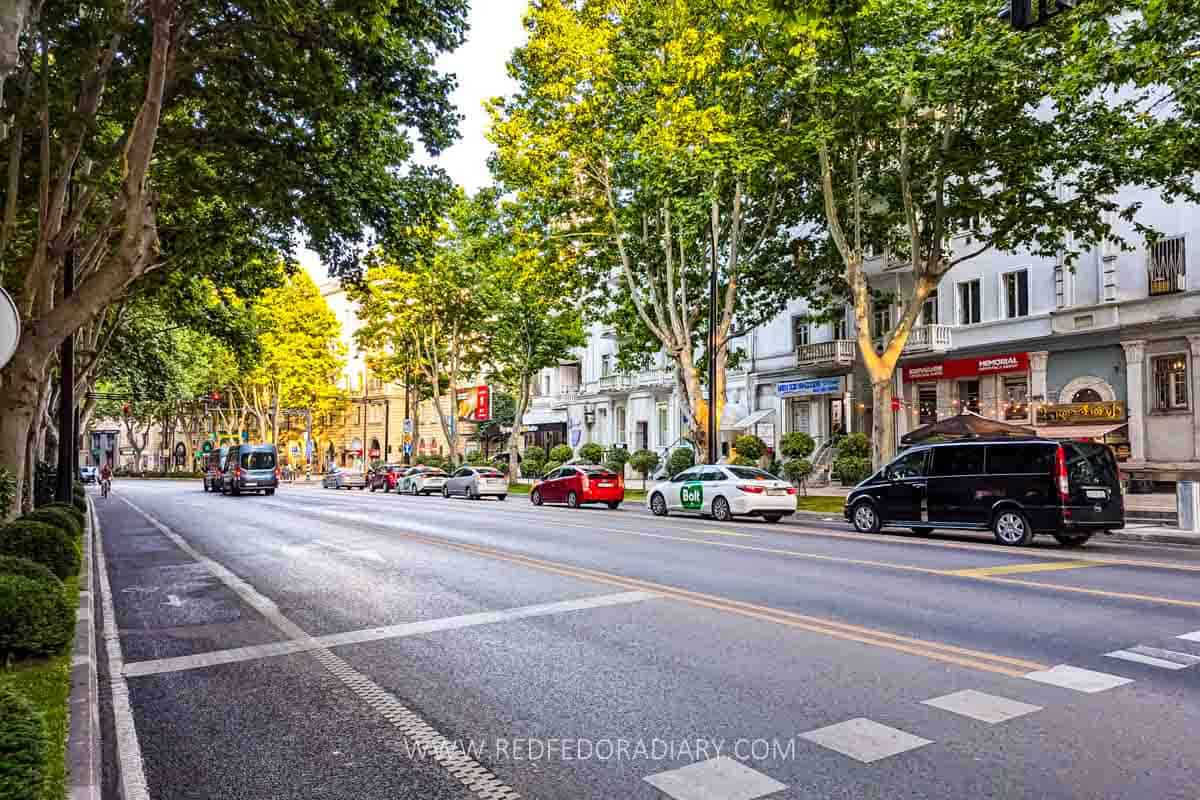
Several branches of Tbilisi State University are located here, and much of the neighborhood’s housing was originally built for professors and academics working at the university. Over time, Vake became one of the city’s most prestigious neighborhoods, where many wealthy Tbilisians and members of the local elite lived. It remains one of the fanciest and most expensive areas today.
Chavchavadze Avenue is the neighborhood’s main artery, with wide pedestrian sidewalks lined with shops, breakfast eateries, coffee shops, cafes, restaurants, and boutique clothing stores. Vake arguably has one of the biggest concentrations of places to eat and drink in Tbilisi, so you’ll have plenty of options within walking distance, from casual local restaurants to more contemporary spots.
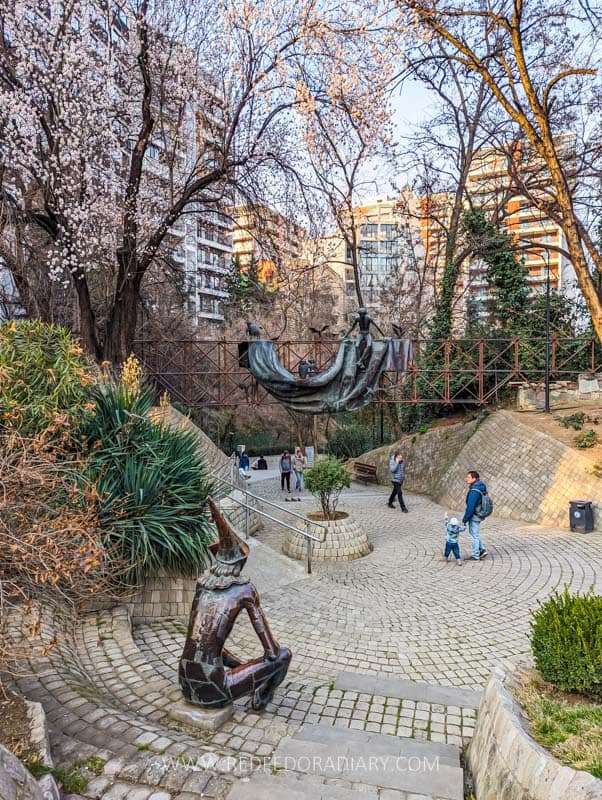
Vake and Mziuri parks are two of the neighborhood’s favorite green spaces. Both are large enough for a leisurely walk or picnic. Vake Park, formerly known as Victory Park, is home to the imposing Soviet World War II Glory Memorial.
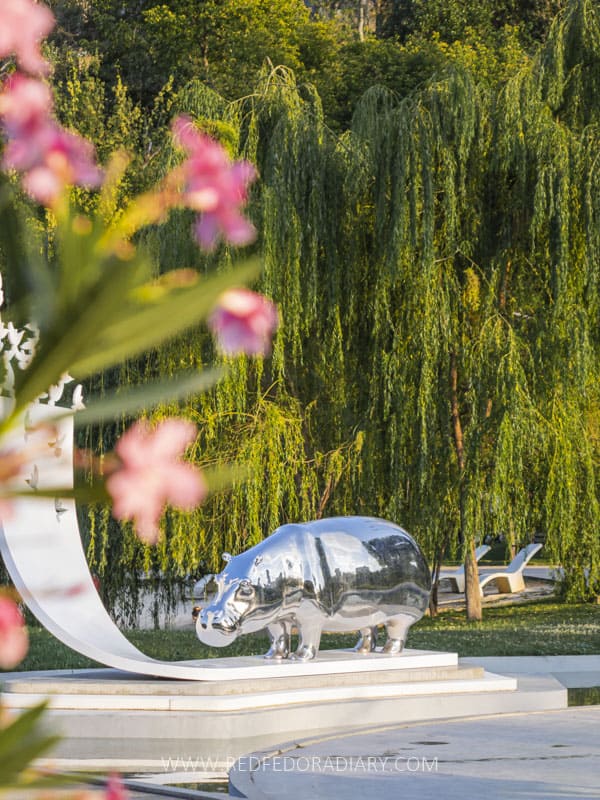
Mziuri Park, meanwhile, was the passion project of beloved Georgian writer Nodar Dumbadze, who dreamed of creating an educational and entertainment complex for children. Today, the park has an amphitheater, Cafe Mziuri, and several statues depicting characters from his works.

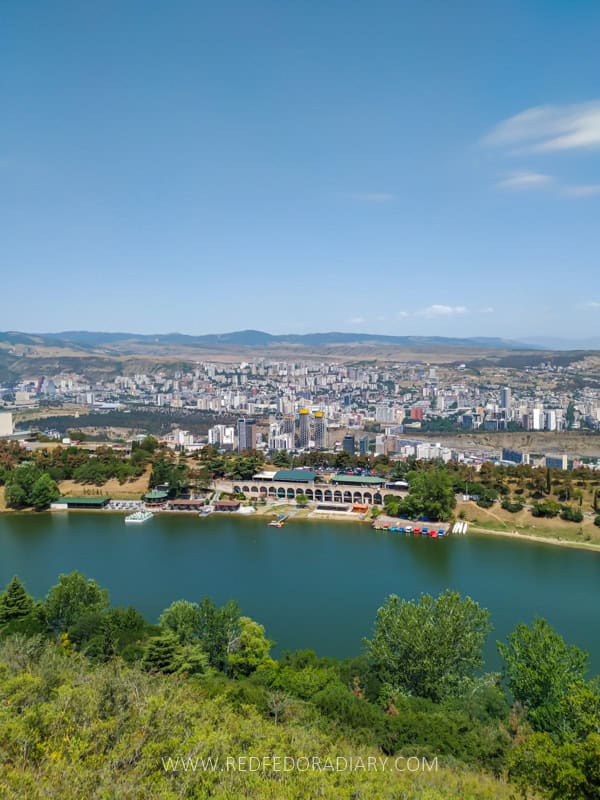
Vake also gives you easy access to some of Tbilisi’s outdoor attractions. The Open Air Museum of Ethnography sits on the hills above the neighborhood, while Turtle Lake (Kus Tba) is accessible by nostalgic cable car.
There is also a hiking trail connecting Turtle Lake and Mtatsminda, making Vake a good base if you want to combine city sightseeing with time outdoors. You’ll also find plenty of gyms and indoor swimming pools here.
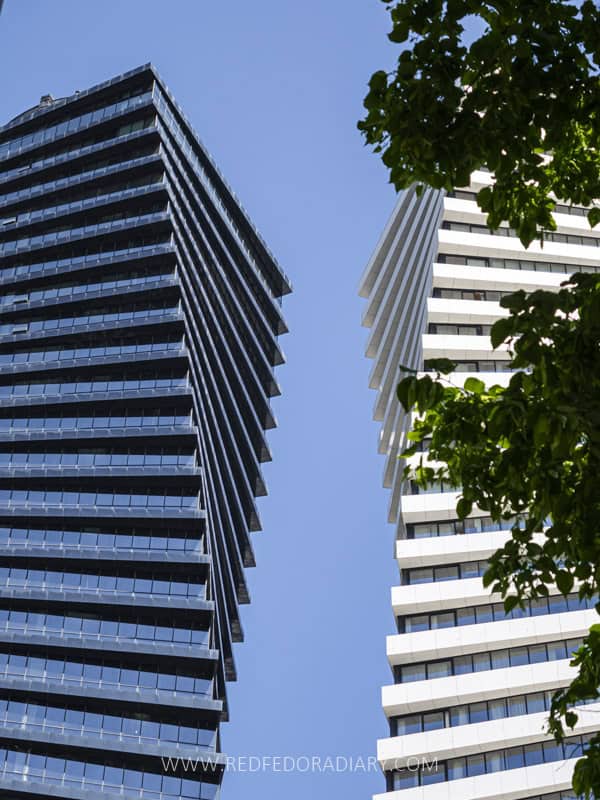
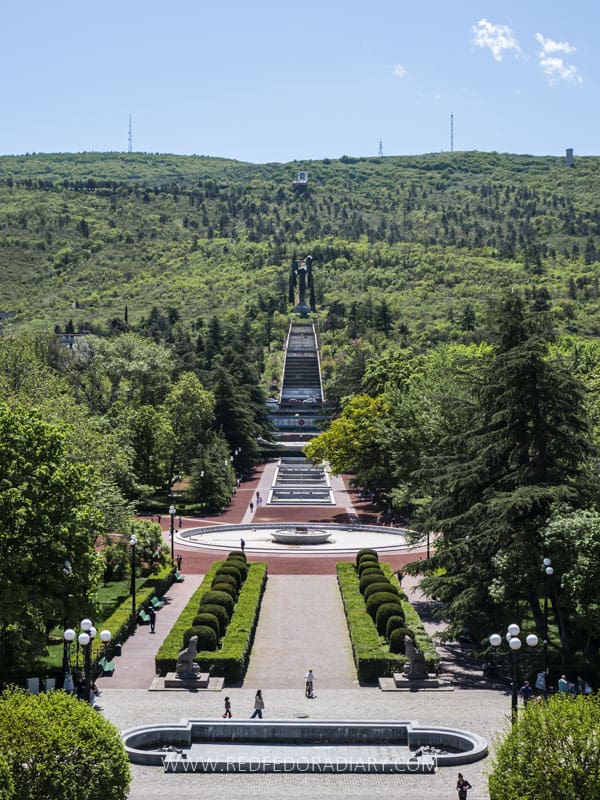
Oto and I lived in Vake for a year or two, and I found it particularly convenient for everyday life. Almost everything we needed was within a few minutes’ walk, including grocery stores, supermarkets, and small fruit and vegetable stalls. One downside was that fresh produce was generally more expensive here than in other parts of Tbilisi.
The main disadvantage for visitors is its distance from the historic center and the lack of a metro station. Walking to Rustaveli Avenue takes around 30–40 minutes, depending on where you start, while reaching Freedom Square takes longer. Buses are the easiest way to get around, but they’re packed during rush hours.
Top hotels in Vake:
Saburtalo
Saburtalo, another primarily residential area bordering Vake, is extensive and combines several more neighborhoods, such as Bakhtrioni, Vedzisi, Nutsubidze Plateau, and Delisi. With its own metro line that changes at Station Square, it is relatively easy to get around within the district’s boundaries and reach the city center in a few stops.

However, it is still relatively far from most of Tbilisi’s sights. If you are visiting Tbilisi for a few days and want to be close to the center, this is not the neighborhood for you. During rush hour, traffic can be heavy; even during the day, you must use public transport to reach your destination.
That said, it’s ideal for those who love Soviet architecture, as pretty much the whole area was built during that time and has some of the finest examples of brutalist architecture, including the Nutsubidze Sky Bridge, Bank of Georgia Headquarters, and the Trade Union Cultural Center with its gorgeous mosaic.


Despite that, you’ll find a few green spaces, specialty coffee shops, beer restaurants, and cafes. The former Hippodrome, which the government wanted to turn into Tbilisi Central Park, but construction has been stopped for a few years now, is still a favorite place for the residents to walk. Oto and I also lived on Pekini Street and would spend our afternoons at the Hippodrome taking Louie, our dog, for a walk.
Quite recently, due to its tall gray buildings, these residential houses have also become canvases for street artists and muralists, and a few beautiful Tbilisi murals are within their territory.
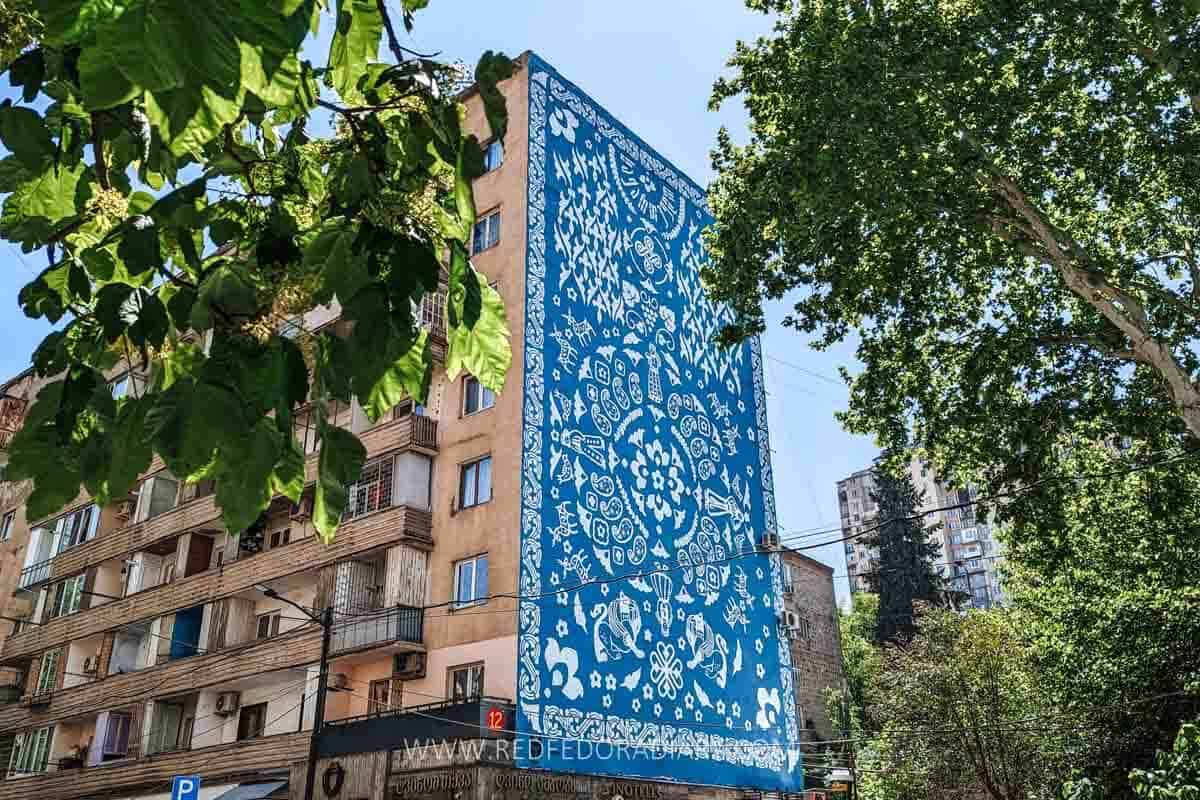
There are a few hotels, but it is also relatively easy to find a good and stylish apartment to rent here. With a Medical University within its borders, it is also a popular place for many local and international students. Prices also tend to be lower as it’s relatively far from the center.
Additionally, you have plenty of supermarkets, small grocery shops, cheap bakeries, and good eateries.
Top hotels in Saburtalo:
Didube
Best for: longer stays, repeat visitors, budget travelers, and anyone who wants to experience a very residential side of Tbilisi
Didube is one of the most residential parts of central Tbilisi, and tourists rarely venture here unless they’re heading to Didube Bus Station to catch an intercity marshrutka or bus. For most first-time visitors, there isn’t much reason to come this way, as the neighborhood sits well outside the main tourist circuit.
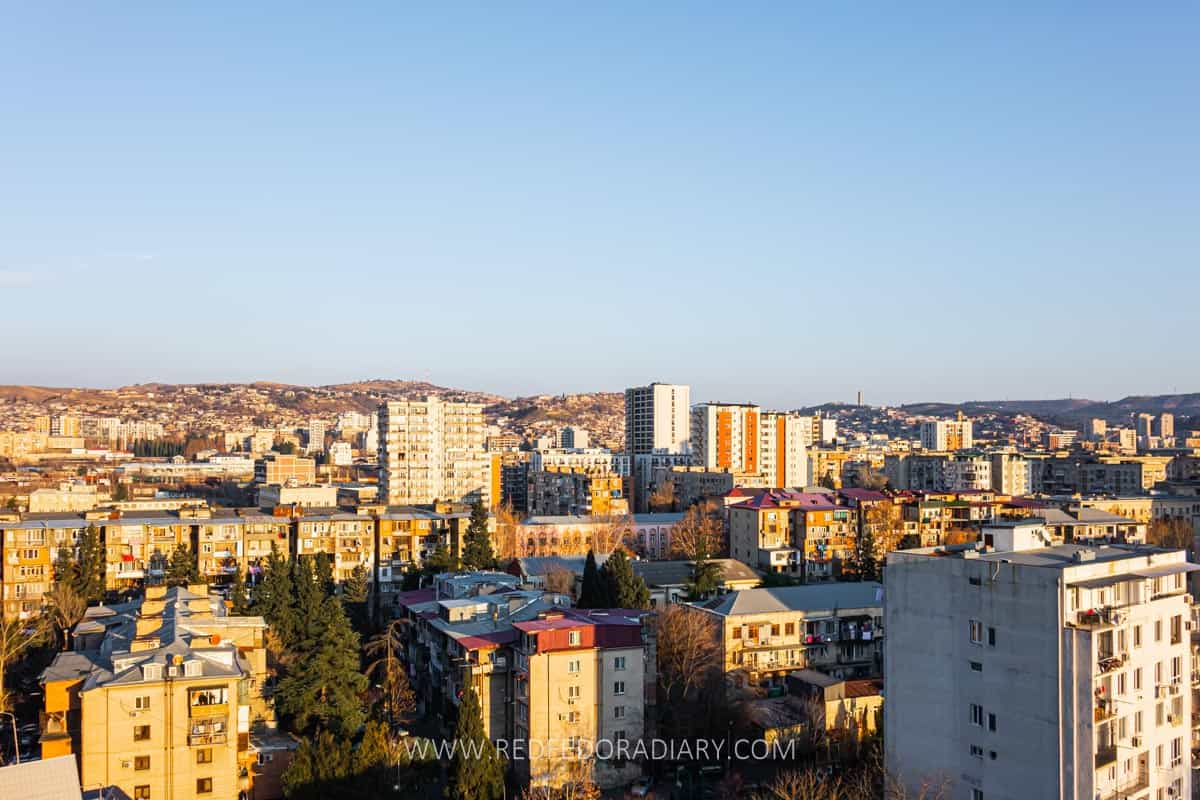
But that doesn’t mean Didube isn’t worth exploring. In fact, it has a fascinating history that goes back much further than its current appearance suggests. The neighborhood was once an important settlement outside Tbilisi and home to the second German colony.
Today, Didube is also home to several interesting sights scattered throughout its streets, Soviet-era residential buildings and mosaics, local shops and markets, and several green spaces, making it an attractive area to explore. I wrote a separate guide to Didube and its history, where I go into much more detail about what to see and why this often-overlooked part of Tbilisi is worth visiting.
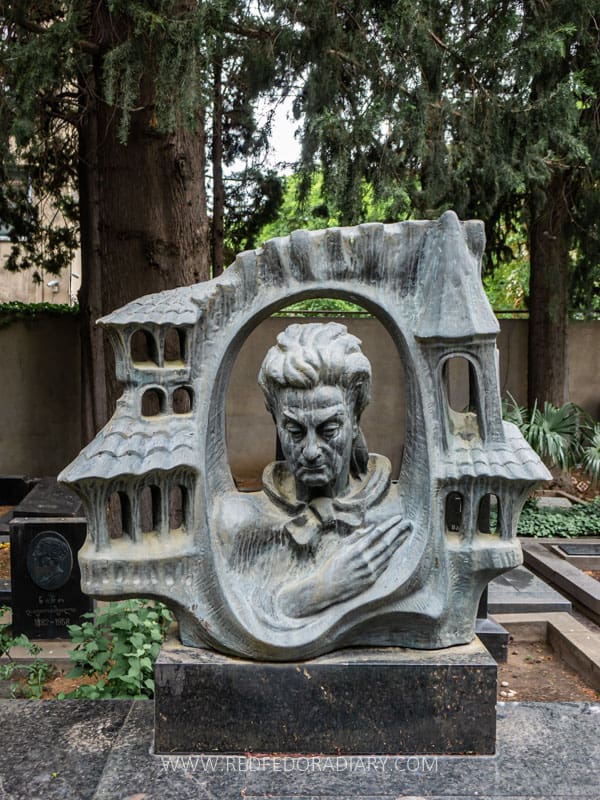
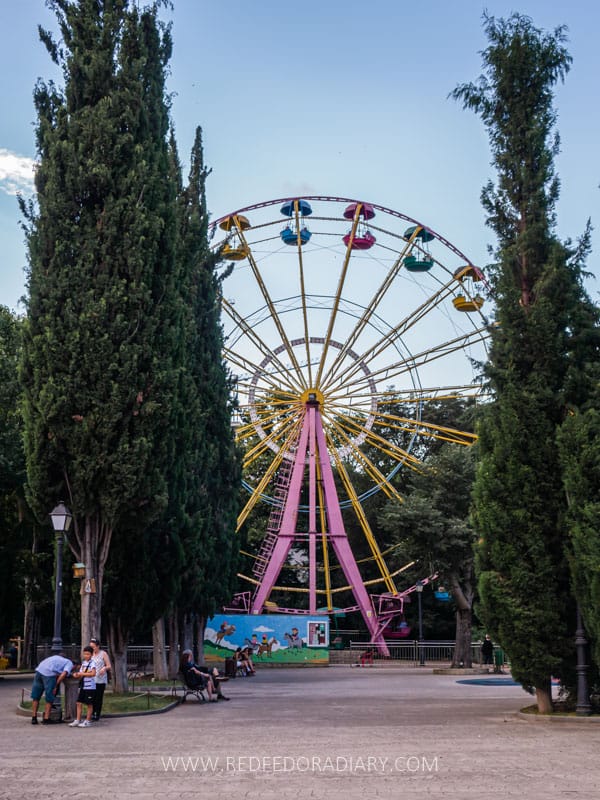
The main practical advantage of staying here is transport. Didube and Tsereteli metro stations connect the neighborhood to the rest of Tbilisi, while the bus station makes it particularly convenient if you’re planning day trips or traveling to other parts of Georgia. Accommodation is generally more affordable, and you’ll find plenty of supermarkets, grocery shops, bakeries, and everyday services nearby.
That said, I wouldn’t recommend Didube for a short first visit when your priority is sightseeing. You’ll spend more time commuting to the Old Town, Sololaki, and other central attractions. But if you’ve already visited Tbilisi before, are staying for a longer period, or simply want to experience the city beyond its postcard neighborhoods, Didube offers a very different perspective.
Top hotels in Didube:
Best hotels in Tbilisi – my top picks
Tbilisi offers a wide range of accommodation options, from international and local hotel brands to budget-friendly hostels and charming apartments. Prices vary considerably depending on the neighborhood, hotel category, and time of year.
Below, I’ve picked some of the best hotels in Tbilisi across different price ranges and styles. These are properties I’d recommend if you’re looking for somewhere a little more special than a standard place to sleep. If none of these fit your budget or travel style, you can browse the wide selection on Booking.com, which is also where I usually look for accommodation when I travel.
Sheraton Grand Tbilisi Metechi Palace
This iconic 5-star hotel was one of the first international hotels to open in Tbilisi in 1991. A few years ago, the Sheraton Grand Tbilisi Metechi Palace underwent a major renovation, giving the property a much more contemporary look while retaining its established reputation.
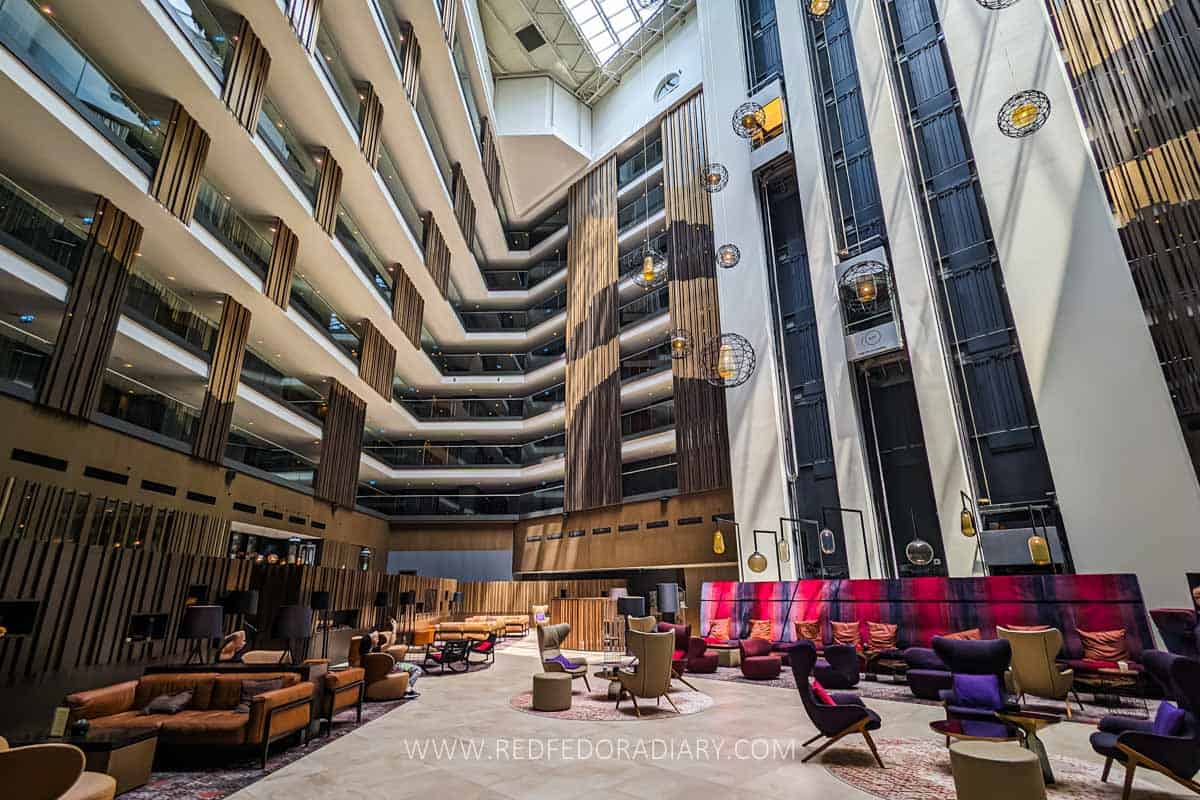
The hotel has 220 spacious rooms and suites, many with balconies overlooking the Old Town. Its location is particularly convenient if you want to be close to the historic center while staying in a quieter part of the city.
There are five dining venues, including the rooftop ATI Restaurant, which serves modern Georgian cuisine. The hotel also has P’auza Spa, with indoor and outdoor swimming pools, massage treatments, and other facilities for relaxing after a day of exploring Tbilisi.
→ Check availability and prices
Stamba Hotel
Stamba Hotel is a property of Adjara Group, the Georgian hospitality company behind the Rooms hotel brand, Fabrika Tbilisi, and Holiday Inn. The hotel occupies a former publishing house—stamba means “printing house” in Georgian—and retains many of the building’s industrial features while combining them with contemporary design.
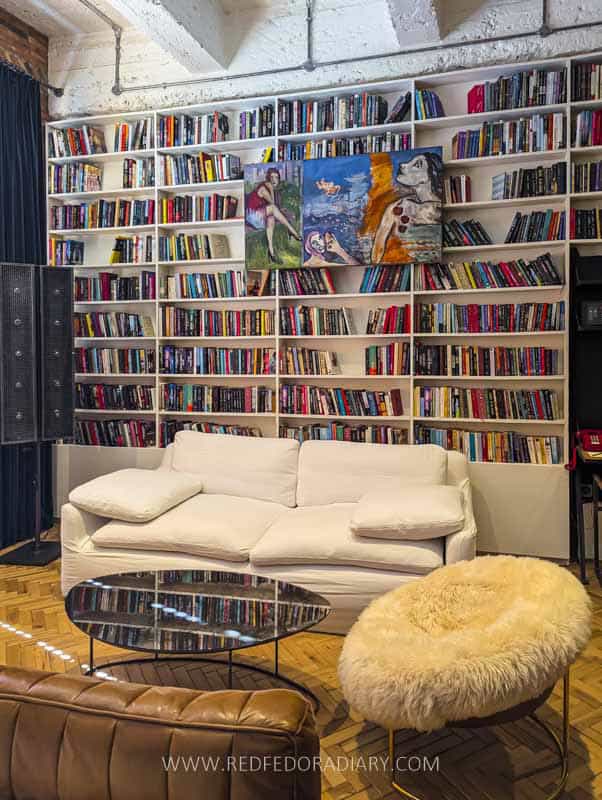
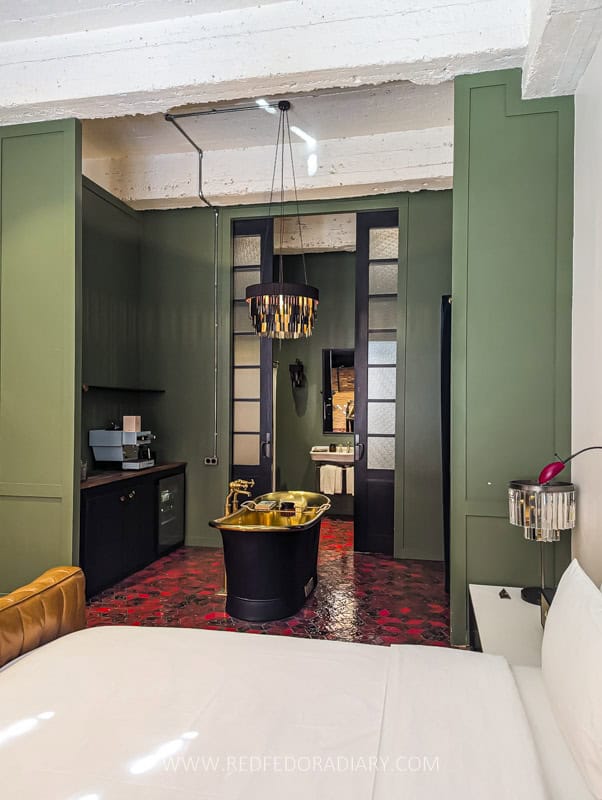
The hotel is one of the city’s most recognizable places to stay, but you don’t have to be a guest to enjoy much of what it offers. Cafe Stamba is a popular spot among locals for breakfast, lunch, coffee, and drinks. The complex also houses the Tbilisi Multimedia Museum, a bookstore, Warehouse wine bar, and DBlock coworking space, making Stamba more like a small creative hub than a traditional hotel.
If you’re looking for one of the top hotels in Tbilisi with distinctive design, excellent dining, and plenty happening under one roof, Stamba is hard to overlook.
→ Check availability and prices
Rooms Hotel
Rooms Hotel is another Adjara Group hotel brand, with properties in Kazbegi and Batumi. The Tbilisi branch, located in Vera right behind Stamba Hotel, is just a few minutes’ walk from Rustaveli Metro Station, and is a good choice if you’re looking for stylish design, a lively atmosphere, and a great location.
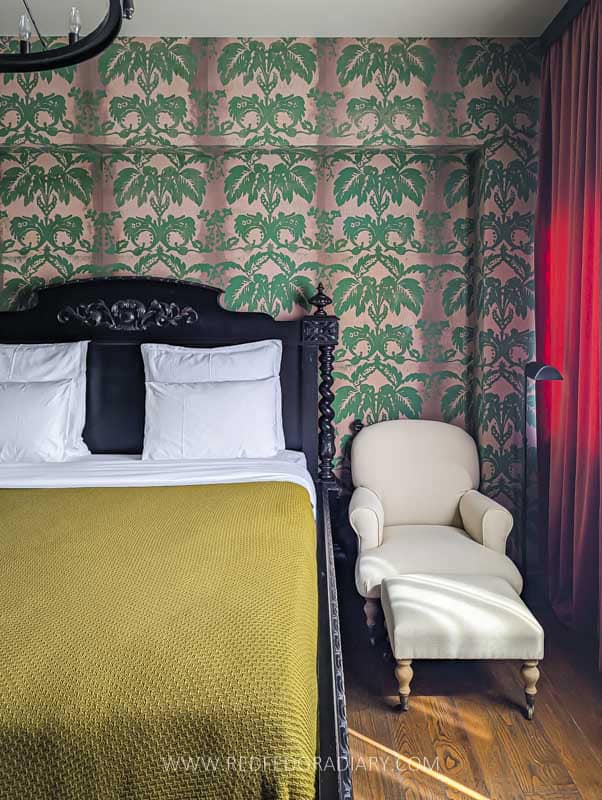
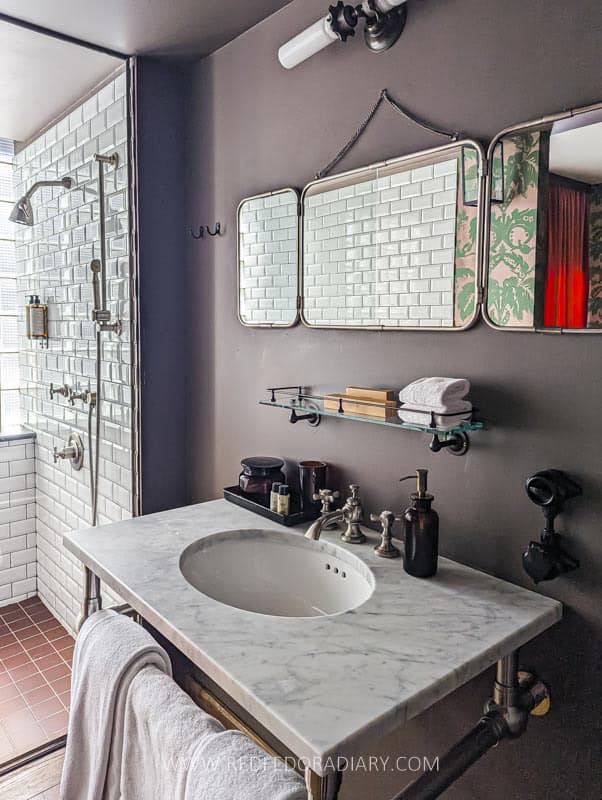
It has an in-house restaurant, The Kitchen, and a lounge bar that’s often a meeting point for many locals for drinks and socializing.
→ Check availability and prices
Qarvasla Hotel
Qarvasla Hotel is a relatively new 5-star hotel in the heart of Old Tbilisi, right on Kote Apkhazi Street. It occupies a historic former caravanserai—qarvasla is the Georgian word for caravanserai—and is around 600 meters from both Freedom Square and the Abanotubani sulfur baths.
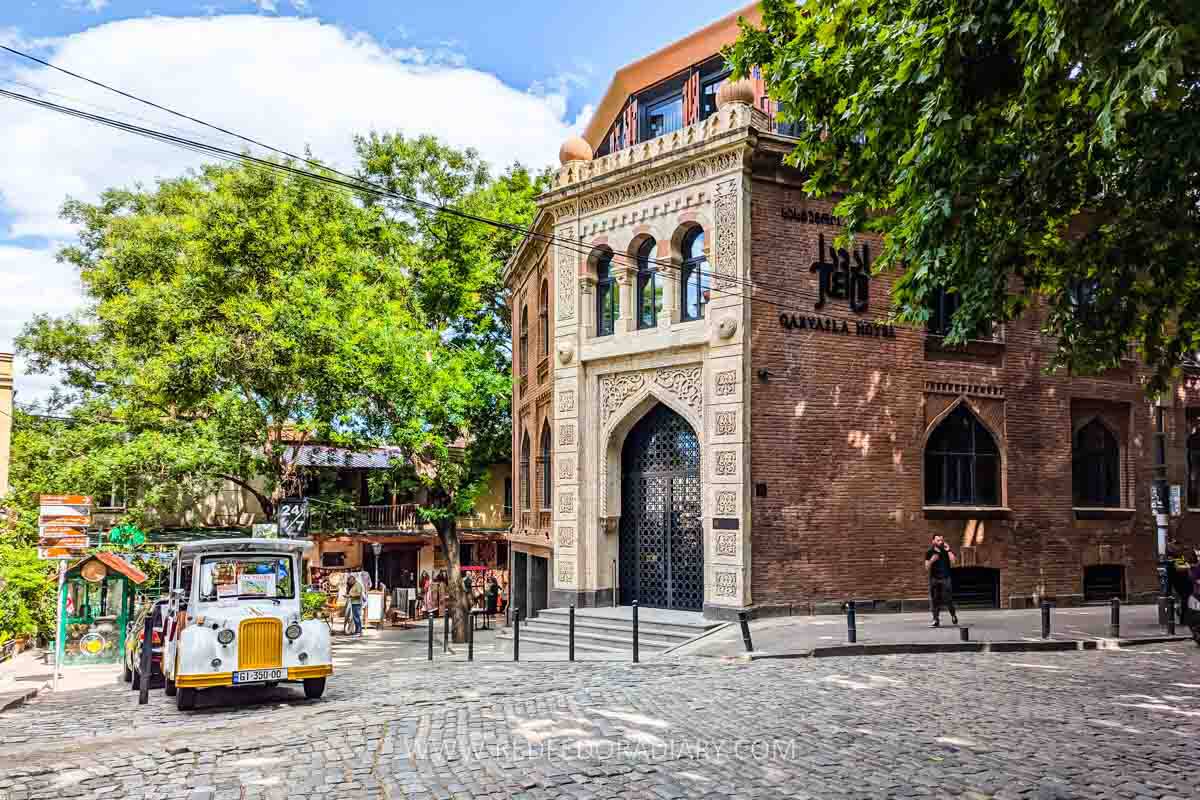
The hotel’s design combines contemporary luxury with elements of the original building and Persian-influenced architecture. Pointed arched windows, warm interiors, and preserved historic details give it a strong sense of place, making it a particularly good option if you want to stay in the heart of Old Tbilisi without giving up a more upscale hotel experience.
→ Check availability and prices
Radisson RED Tbilisi
Located in Chughureti, Radisson RED Tbilisi occupies a refurbished historic building that once housed a post office. The hotel’s restaurant and bar, Posta, takes its name from the Georgian word for “post office,” continuing the building’s connection to its former use.
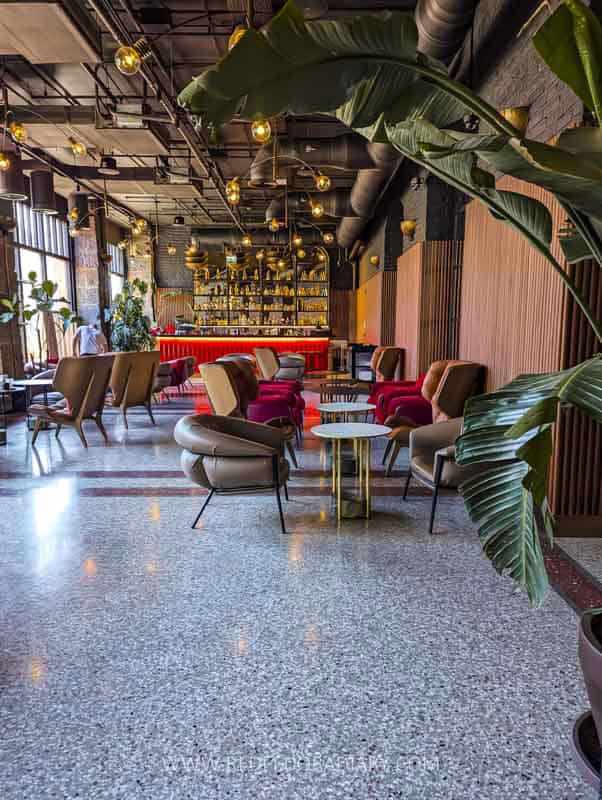
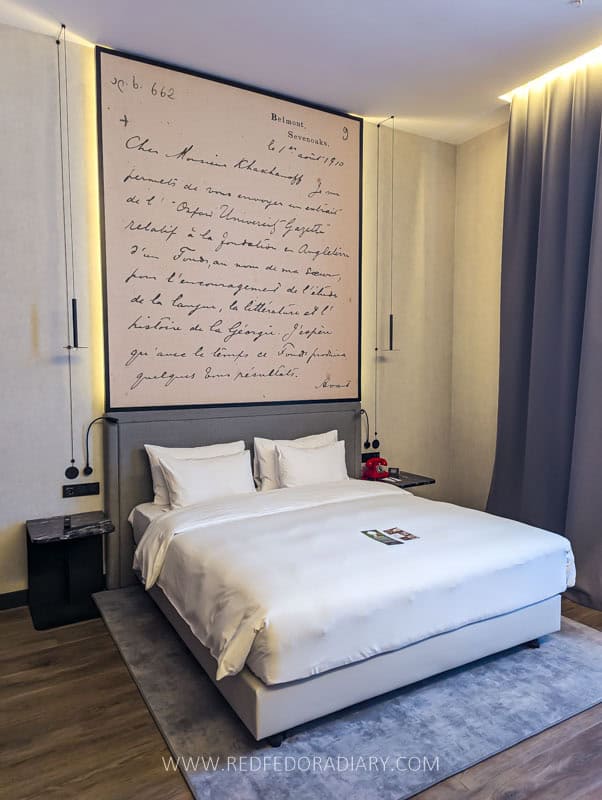
The interiors have a modern, colorful, and stylish design, while the rooms overlook the hotel’s inner garden. Some rooms also have balconies.
→ Check availability and prices
Fabrika Hostel
Fabrika Hostel is arguably the best hostel in Tbilisi if you want affordable accommodation, a lively social atmosphere, and an interesting setting. Housed in a former Soviet sewing factory, Fabrika Tbilisi was transformed into a multipurpose creative space with a hostel, cafes, bars, shops, and a shared courtyard.
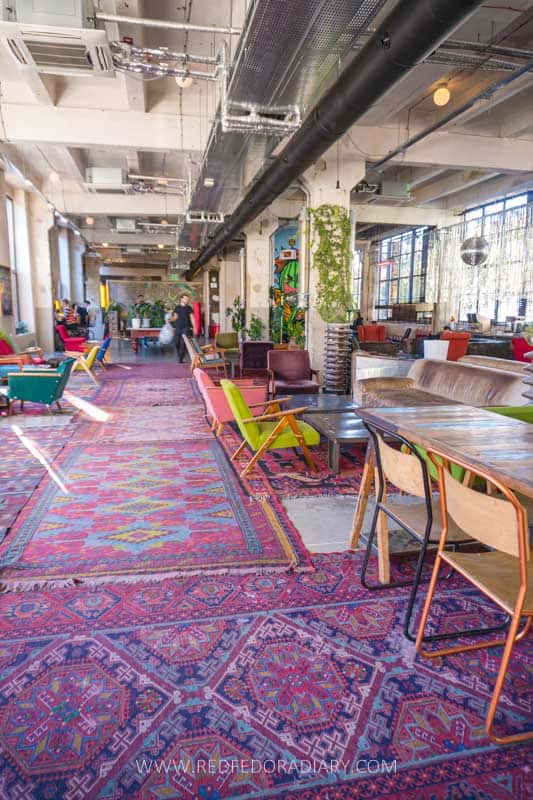
You can choose among dorm beds, private rooms with bunk beds, and more spacious suites, making it suitable for a range of budget travelers. Its location in Chughureti also puts you close to plenty of cafes, restaurants, bars, and public transport.
Fabrika is much more than somewhere to sleep, and its courtyard is one of the most popular places for both travelers and locals to hang out. I have a full guide to Fabrika Tbilisi, including what it’s like to stay in its hostel.
→ Check availability and prices
The Blue Fox Hotel
If you want a boutique hotel in Tbilisi right in the heart of the main tourist sights, consider The Blue Fox Hotel. It occupies a traditional Tbilisian house with carved wooden balconies, which has been transformed into a cozy 17-room property.
Each room has its own design, featuring custom murals of Georgian historical figures and fictional characters painted by Georgian artist Musya Qeburia. You’ll also find a QR code by the bedside telling you more about the person or character featured in your room. You can also see her murals in various parts of Tbilisi.
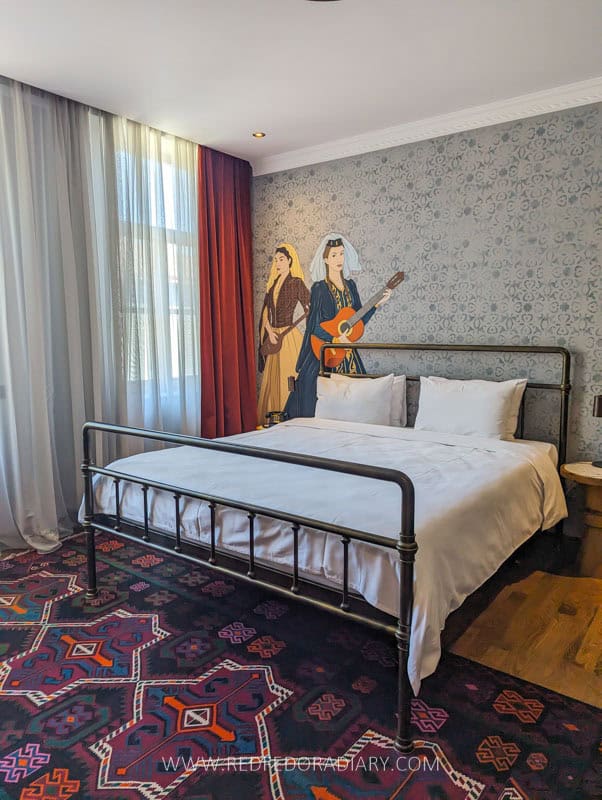
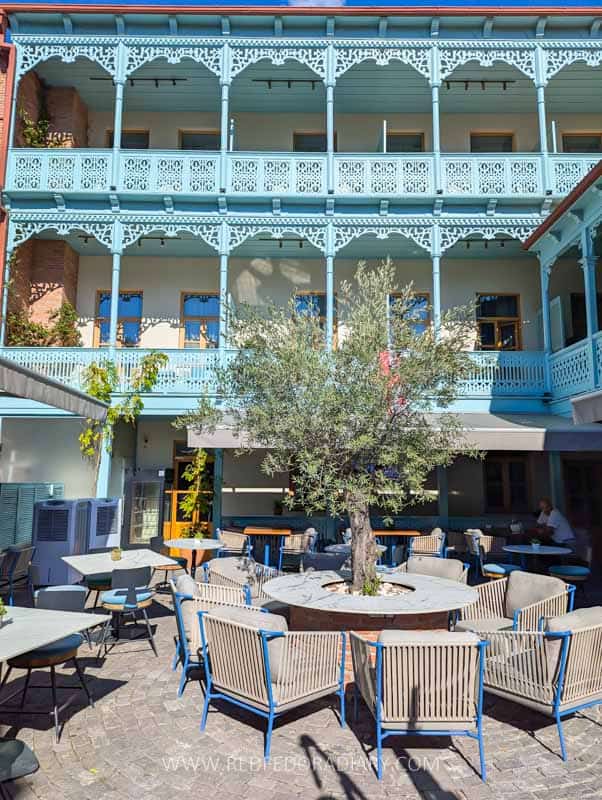
Some rooms have balconies overlooking the courtyard, with views toward the Holy Trinity Cathedral and the former Presidential Palace. The rooms are spacious, with comfortable beds and plenty of wardrobe space.
The hotel’s restaurant, also called Blue Fox, serves delicious breakfast, lunch, and dinner. Its menu was created by Michelin-starred chef Jaume Puigdengolas. I also appreciate the hotel’s focus on sustainability, including eco-friendly products and measures to reduce its environmental impact.
→ Check availability and prices
Unfound Door-Design Hotel
Located in Chughureti just off Aghmashenebeli Avenue, Unfound Door is another beautiful boutique hotel housed in a historic building. The former mansion belonged to a 20th-century merchant, and some of its original character remains, particularly in the entrance and staircase, decorated with hand-painted wall designs.
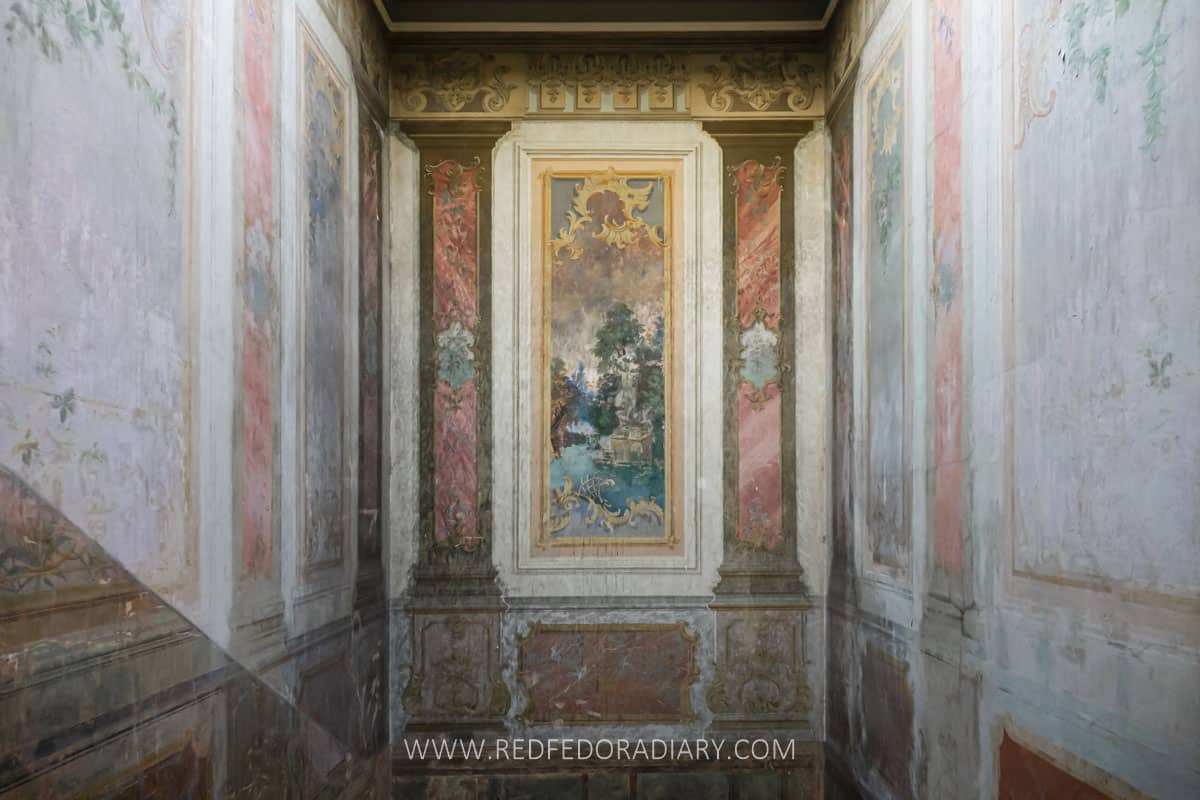
Original artwork has also been preserved inside some rooms and on the restaurant ceiling, while the guest rooms themselves have a more contemporary design. Large windows bring in plenty of natural light, and the rooms are spacious and comfortable.
The hotel’s restaurant and bar serve local and international dishes, Georgian wines, and cocktails. The restaurant is also included in my guide to Georgian restaurants.
→ Check availability and prices
Bazzar Boutique Hotel
Located on Orbeliani Square, around 700 meters from Freedom Square, Bazzar Boutique Hotel is an elegantly designed boutique property in one of the livelier parts of central Tbilisi.

Its colorful rooms combine bold design details with large windows that bring in plenty of natural light. Rooms come with practical amenities, including a desk, a coffee machine, and a minibar, while some also have balconies.
The hotel also has its own restaurant, bar, and terrace, making it a convenient choice if you want to stay somewhere with restaurants, cafes, and nightlife right outside your door.
→ Check availability and prices
Pushkin 10 Hostel
Located on Pushkin Street, about 300 meters from Freedom Square, Pushkin 10 Hostel is a straightforward and affordable option for backpackers and budget travelers seeking a city-center stay.
The hostel has air-conditioned rooms, shared bathrooms, a communal kitchen, lounge area, and terrace. Its central location makes it particularly convenient if you want to explore Tbilisi’s main sights on foot while keeping accommodation costs down.
→ Check availability and prices
If you ever visit to Tbilisi then the best time to visit the place is spring and autumn. Summers are either extremely hot and winters are extremely cold. The city is more vibrant before summer starts. You will find most people roaming on the terrace in the spring sun.
I would love to visit Tbilisi so bad! I also really appreciate your disclaimer about not staying in all the hotels! Such a great review and your photos are beautiful! Thanks for sharing!
I like how you’ve broken it into different areas of the city. I always find this so helpful. And great recommendations for the hotels.
Thanks Bliss <3
I’d love to visit Tbilisi one day. I’m definitely pinning this for later!
Krystianna @ Volumes and Voyages
Tbilisi´s Old town looks out of this world! Hope to visit Georgia soon (my parents have already visited twice and loved it sooo much), it´s one of a few countries in the region that´s actually made a huge step forward in terms of infrastructure and tourism! Hope to see it with my own eyes! Thanks for the inspiration!
I am so glad your parents loved my hometown. If you ever manage to come here, drop me a line. Would love to show around or meet you for a drink 🙂
Thank you so much for the information! Nice to know all about the different areas. I was thinking of going there this summer and after reading this I will do that for sure!
Hey Kelly, If you do let me know, I will be happy to show around or maybe meet for a drink ☺️
I’ve always wanted to visit Georgia, but now I want to go soon 🙂
let me know if I can help with anything 🙂
Wow… Didn’t know tbf that Tbilisi is this beautiful…and these places to stay…Surprisingly beautiful! . Will have things to discover around!! 🙂