
Best Time to Visit Tbilisi: Local Guide by Season & Month
Choosing the best time to visit Tbilisi depends less on strict seasons and more on how you want to experience the city. Tbilisi isn’t a destination where one single month works for everyone. Weather, walking comfort, events, and daylight hours can change how the city feels from one season to another — sometimes dramatically.
If you’re trying to decide when to visit Tbilisi, it helps to think beyond temperature charts. Spring and autumn are generally the most comfortable for exploring on foot, summer can be intense but lively, and winter is quieter, slower, and slightly more atmospheric.
Each season comes with its own rhythm, and knowing what that rhythm looks like in practice makes planning much easier.
Another thing to keep in mind is that Tbilisi’s climate doesn’t reflect the rest of the country’s. Georgia has everything from subtropical lowlands to high mountain regions, and the capital has its own microclimate. That’s why advice that works for Batumi, Kazbegi, or Svaneti doesn’t always apply here.
This guide focuses specifically on Tbilisi, based on how the city actually feels throughout the year and the months locals tend to enjoy most.
I’ll break down the seasons, share a month-by-month overview, highlight key events and festivals, and point out a few practical tips — including when it might be better to avoid visiting — depending on the kind of trip you’re planning.
And if you’re planning a wider trip beyond the capital, I also have a separate guide on the best time to visit Georgia, which looks at regional differences across the country.
Disclaimer: Some of the links in this post are affiliate links, which means I may earn a small commission if you buy something through them—at no extra cost to you. It helps support my blog and lets me share real, first-hand travel tips. Learn more
Best time to visit Tbilisi: my short answer
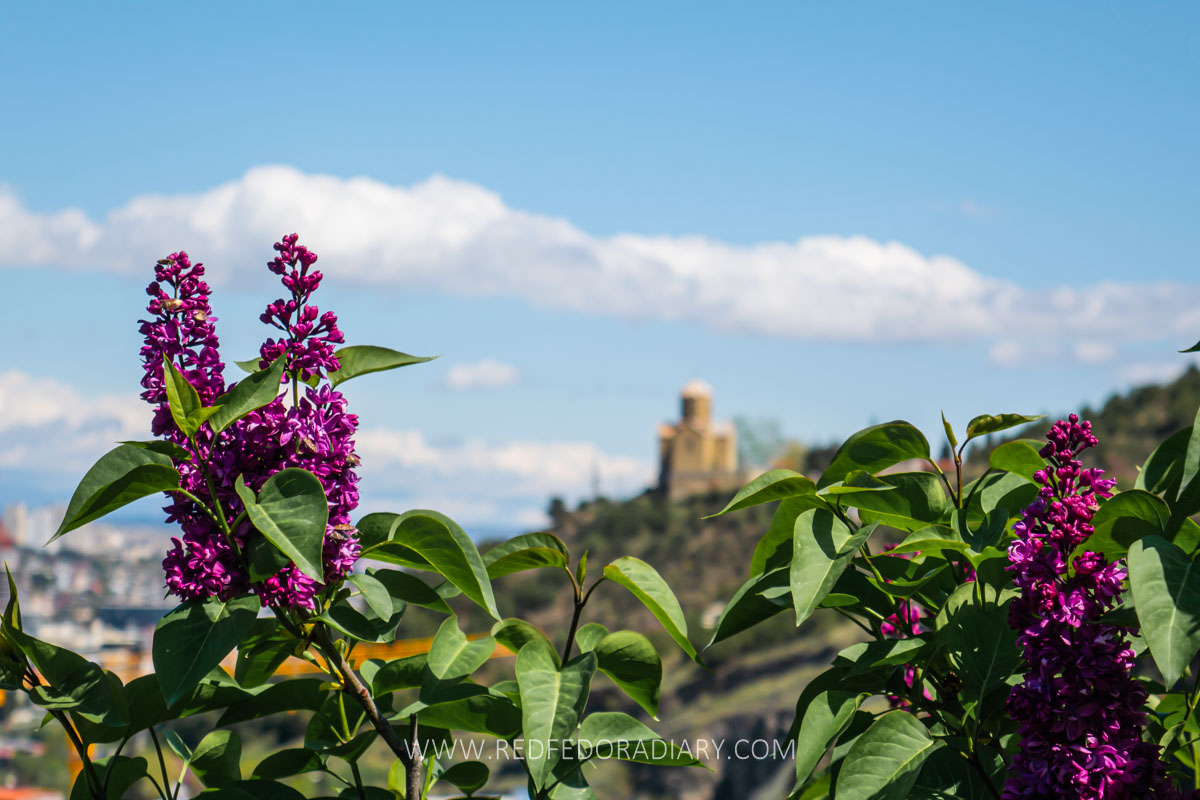
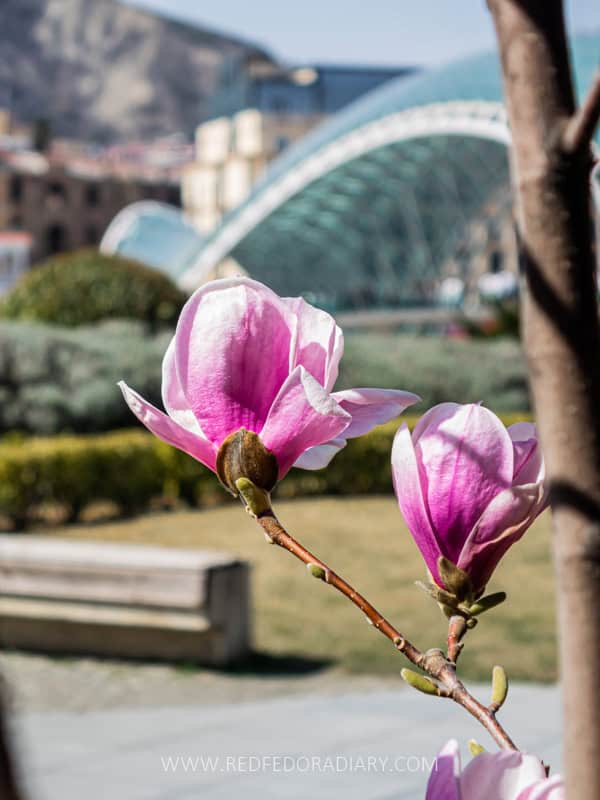
As a local, my favorite time to visit Tbilisi is from mid-April through early May. This is when the city feels fresh and fully awake after winter. Trees and gardens burst into bloom with magnolias, cherry, plum, lilacs, early roses, and wisteria draping itself over balconies and old facades.

Another great window is from mid-September to October. By then, the heat has eased, the leaves have turned autumn colors, and days are still long and warm enough to spend hours walking around the city. It’s comfortable, calm, and ideal if you enjoy slower sightseeing, food-focused trips, and long café stops.
Summer is actually my favorite season overall, but July and August in Tbilisi can feel too intense for many visitors. Some days are simply very hot, and full-day sightseeing isn’t always pleasant unless you plan early mornings, afternoon breaks, or escape the city for day trips or even hikes.

If festive atmosphere matters more to you than weather, mid-December to early January is another good time to visit. The city feels cozy and lively, with Christmas markets, lights, and seasonal events shaping the mood.
Tbilisi weather & seasons at a glance
Here’s a quick overview of how the year looks. This snapshot focuses on typical temperatures and general conditions, so you can quickly compare Tbilisi seasons at a glance.
Below, I’ll break down what each season actually feels like and how it affects sightseeing, walking, and day-to-day travel.
Season | Months | Avg. daytime temps | What it’s like in practice |
🌸 Spring | March–May | ~12–22°C / 54–72°F | Mild weather, blooming trees, occasional rain |
☀️ Summer | June–August | ~28–35+°C / 82–95+°F | Hot and dry, long daylight hours, lively evenings |
🍁 Autumn | September–November | ~15–25°C / 59–77°F | Warm days, cooler evenings, fall colors, wine harvest season |
❄️ Winter | December–February | ~2–10°C / 36–50°F | Cool, quieter pace, festive atmosphere in December |
What each season in Tbilisi feels like
Understanding how the city changes throughout the year makes it much easier to decide on the best time to visit Tbilisi. Weather alone doesn’t tell the whole story — walkability, events, and even how long people spend outdoors shift noticeably from season to season.
Here’s a practical look at what each season feels like on the ground, based on how locals experience the city.
Spring in Tbilisi (March–May)
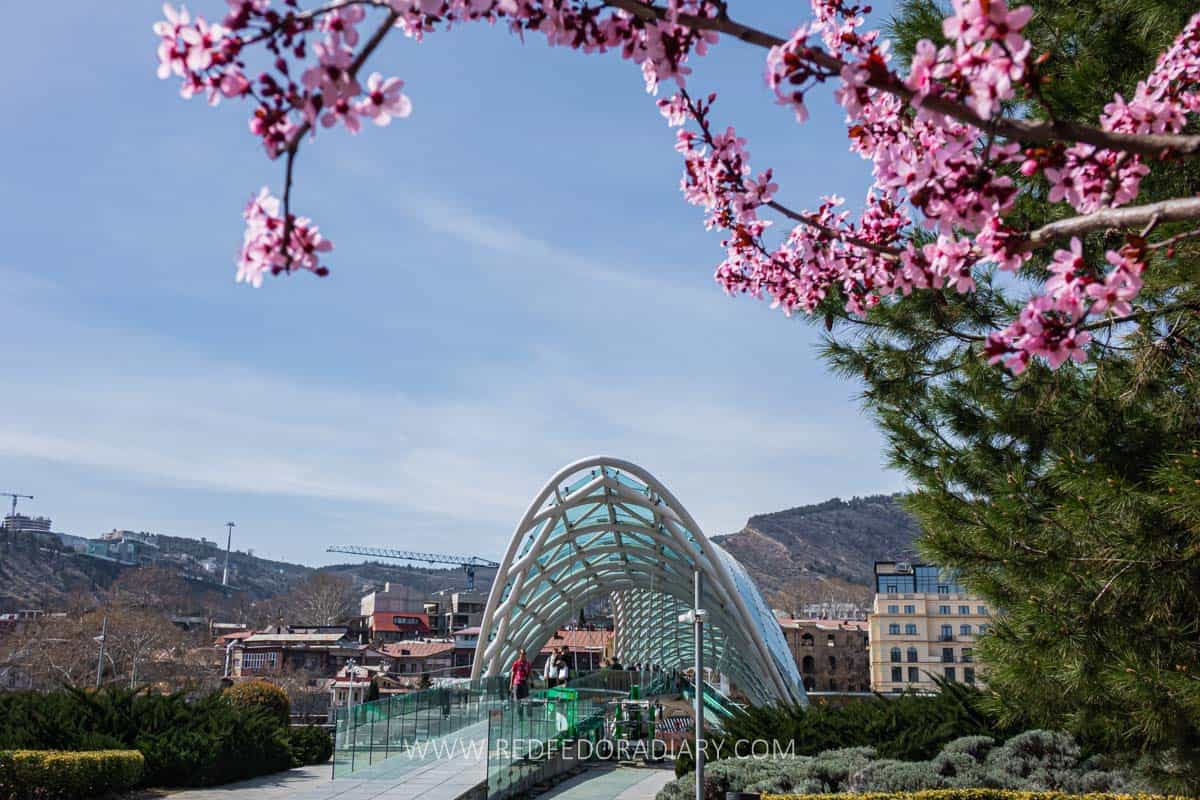
This is when Tbilisi slowly comes back to life. Early March can still feel cool, but by April, the city turns green and walkable again. Parks and streets fill with blossoms, outdoor markets become busier, and long walks through the old town start to feel enjoyable rather than rushed. Rainy days do happen, especially in early spring, but they rarely last all day.

As spring produce returns, food and seasonal markets around the city become more active, making it a great time to explore Georgian food — especially lighter dishes and vegetarian options that start appearing around this time of year.
Late April and May are often considered part of the best time to visit Tbilisi, especially if you plan to explore the city mostly on foot. This is also when outdoor festivals and food-focused events begin to appear on the calendar.
Tbilisi spring is also ideal for alternative walking tours, when comfortable temperatures make it easier to explore neighborhoods, courtyards, and themed routes without rushing or dealing with summer heat.
👉 If you want a month-by-month breakdown, events, and practical tips, check out my full Spring in Tbilisi guide and my overview of festivals in Tbilisi.
Summer in Tbilisi (June–August)
Summer in Tbilisi is intense. Days are long and lively, but the summer heat can feel overwhelming, particularly in July and August.
Once the warm weather becomes consistent, locals flock to various parks to relax and enjoy the outdoors, from late afternoons on workdays to an entire day on weekends.

Sightseeing is best done early in the morning or in the evening, while afternoons are often spent indoors or outside the city, or taking slow breaks with ice cream between walks.
Locals tend to take summer vacations at this time of the year, and the city starts to feel quieter and emptier, especially in August.

That said, summer works well if you combine city time with trips toward the Caucasus Mountains, such as Stepantsminda (Kazbegi), Mestia, Tusheti, Racha, or other cooler regions. Many travelers plan Tbilisi as a base rather than a multi-day sightseeing destination during the peak summer months.
👉 My detailed Tbilisi summer guide includes ideas for enjoying the heat in the capital and for escaping it if it gets too much.
Autumn in Tbilisi (September–November)
Tbilisi autumn is one of the most comfortable and enjoyable seasons to be in the city. Temperatures stay warm without being overwhelming, evenings turn crisp, and walking around feels effortless again. September and October are especially popular among travelers seeking good weather and fewer crowds.

This period also overlaps with Georgia’s wine harvest season, known as Rtveli. Many families and wineries open their vineyard doors, inviting visitors to join the harvest, taste wine, and experience the season up close. If you’d like to take part in Rtveli in the country’s wine region, Eat This! Tours run harvest trips you can join — use code RFD5 for 5% off.
Tbilisi itself celebrates Tbilisoba, held during the first weekend of October, with food stalls, music, and events across the city center.
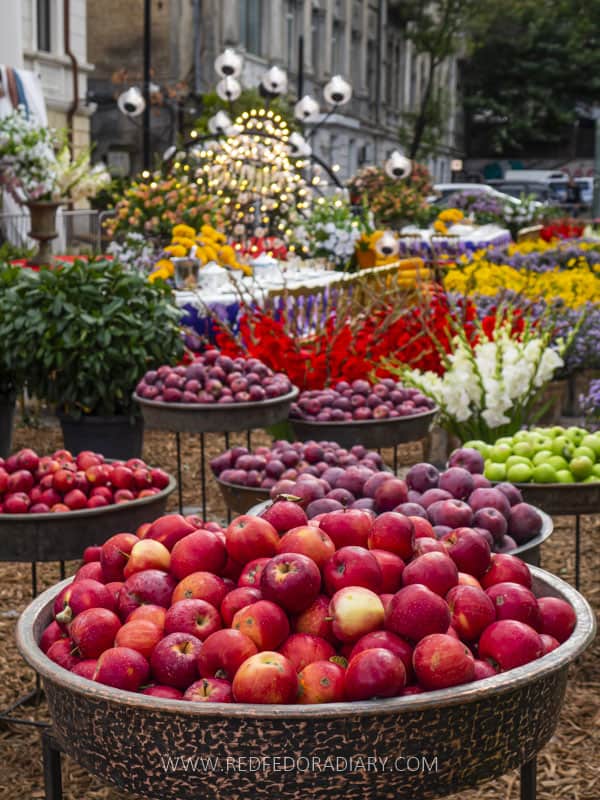
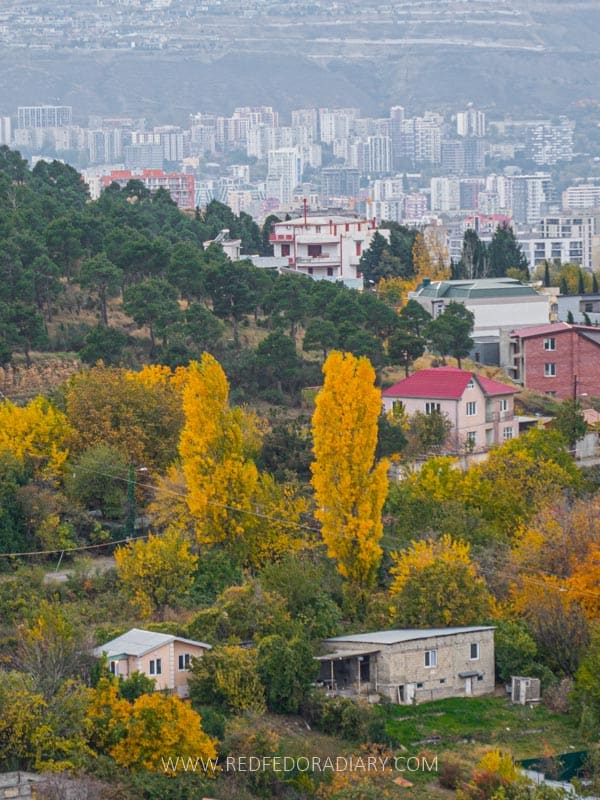
Autumn also brings a noticeable shift at local markets, with harvest produce and niche markets popping up in different areas. The season also works well for unusual guided walking tours, with mild weather and shorter routes that let you focus on specific themes and areas of the city rather than covering long distances.
👉 For a deeper seasonal breakdown, read my Autumn in Tbilisi guide and my dedicated post on wine festivals in Georgia, which covers events happening around this time.
Winter in Tbilisi (December–February)
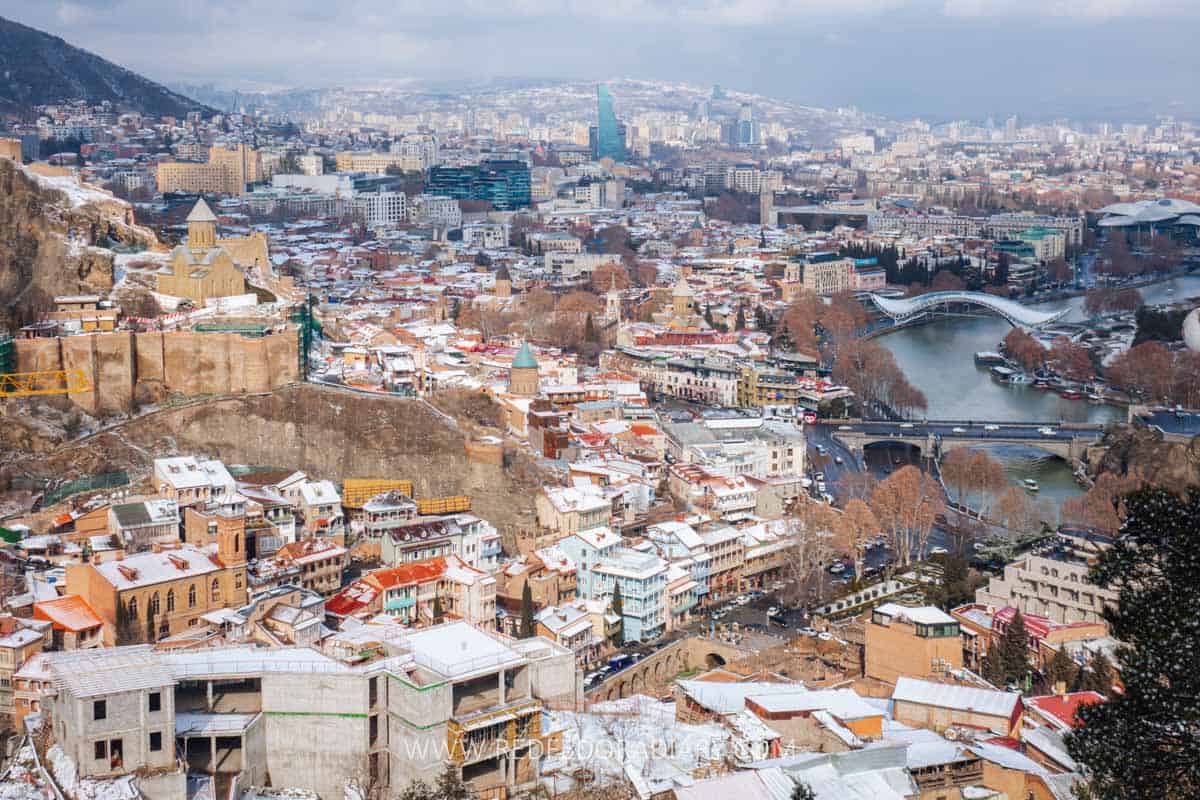
Tbilisi winter is quieter and slightly more atmospheric than many expect. December brings holiday lights, Christmas markets, and New Year celebrations, while temperatures remain relatively mild compared to other parts of Georgia. January is usually the coldest month, but it’s still manageable for city travel.

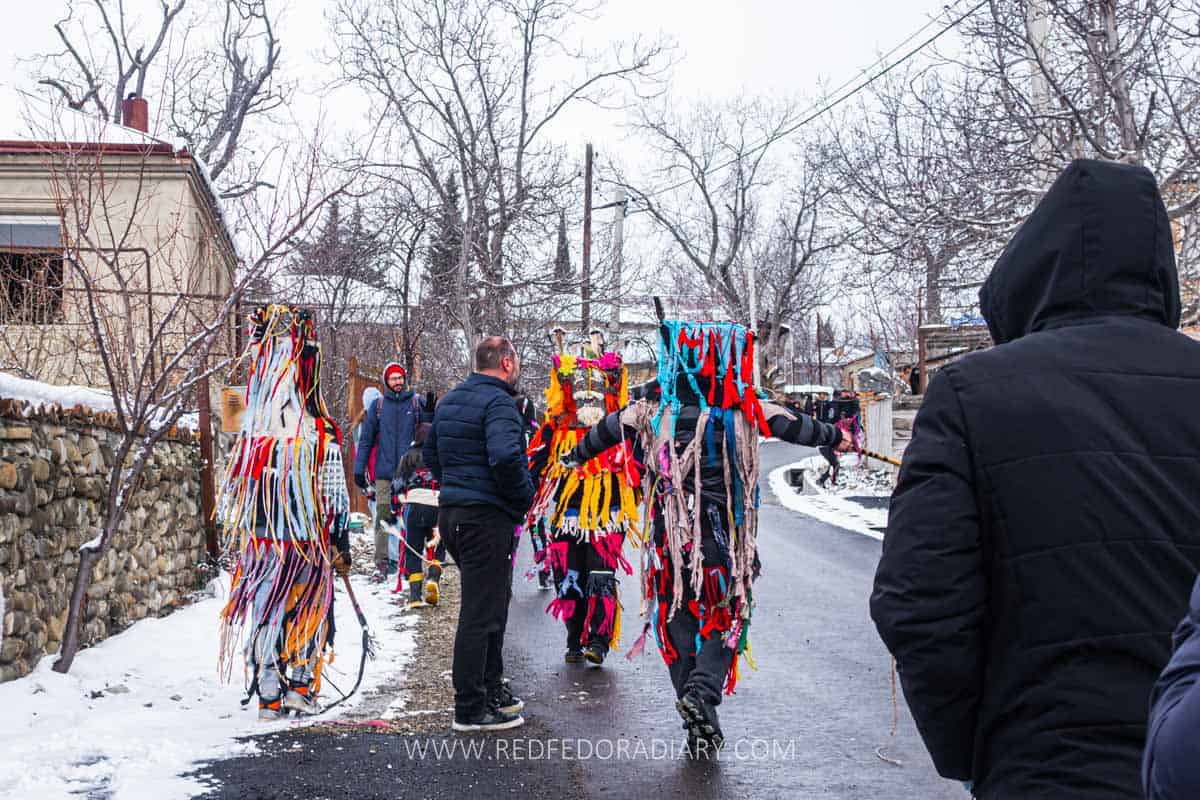
Orthodox Christmas, celebrated in early January, is marked by the traditional Alilo parade in Tbilisi, which is an enjoyable cultural experience for visitors.
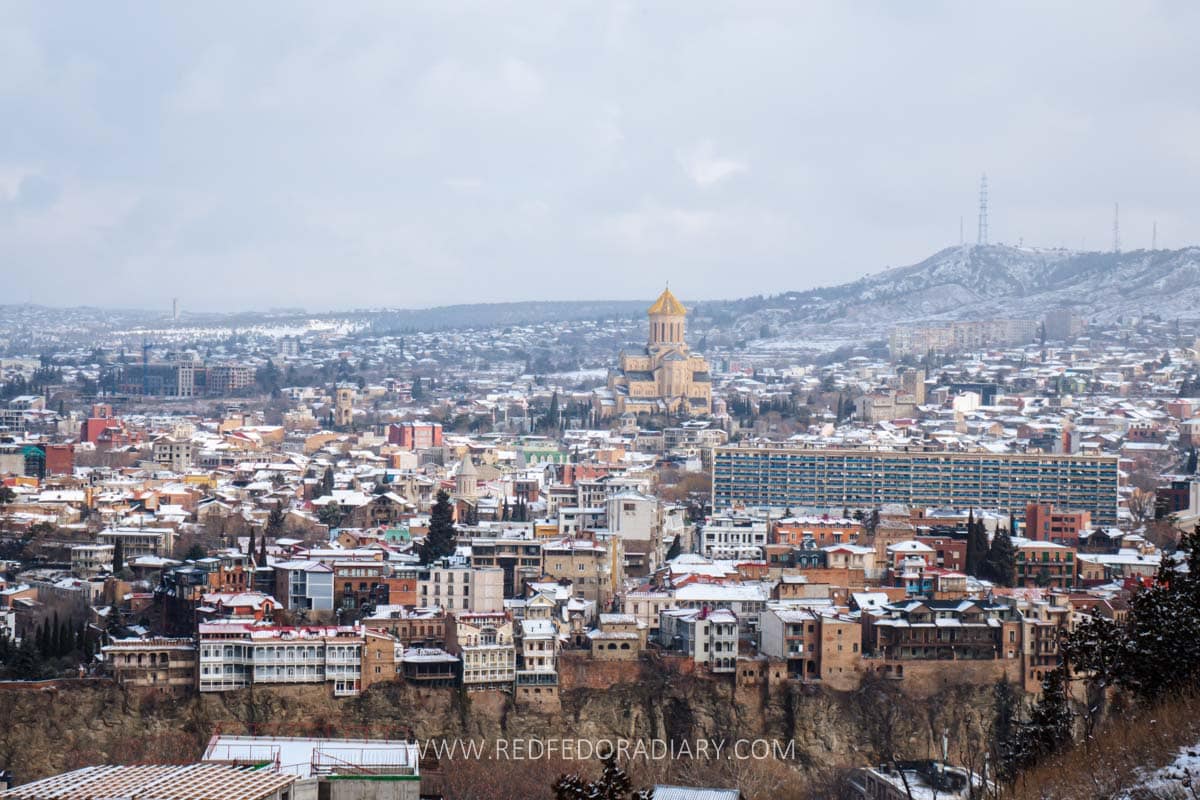
Cold temperatures are typical throughout winter and can linger into March, but heavy snowfall is nonexistent. When Tbilisi snow does appear, it usually melts quickly and doesn’t disrupt daily life.

Overall, winter is a good choice if you’re curious about alternative Christmas and New Year celebrations, prefer a slower pace, enjoy museums and cultural venues, and don’t mind cooler days without crowds.
👉 I’ve written more in my Winter in Tbilisi guide, along with a separate post explicitly focused on Christmas traditions and customs in the city.
Tbilisi month by month: what to expect
If you’re trying to figure out when is the best time to visit Tbilisi, looking at the city month by month is often more helpful than thinking in broad seasons. Below is a practical overview to help you start planning, with notes on weather, pace, and what’s actually happening in the city.
January in Tbilisi
January is quiet and slow. Christmas markets usually stay open until January 7, and in some years even stretch to January 14.
Alongside lingering Christmas markets, January also includes the traditional Alilo parade held on Orthodox Christmas. If you’re curious about traditions and dates, I’ve covered everything in detail in my Christmas in Tbilisi guide.

After the long New Year celebrations wrap up, the city calms down noticeably. It’s a good month for museums, cafés, and walking around without crowds. If you’re visiting during this quieter period, my Tbilisi winter guide offers practical ideas for making the most of the city’s slower days.
February in Tbilisi
February is one of the calmest months in Tbilisi. Apart from the occasional Berikaoba spring fertility festival (when it falls early), there’s little on the events calendar. The weather in Tbilisi in February can feel grey and chilly, but it’s still manageable for city walks if you dress warmly.
March in Tbilisi
March marks the very beginning of spring, though it doesn’t always feel like it yet. The city slowly starts to wake up, days get longer, and cafés may bring out their outdoor seating on warmer afternoons.
It’s also good to know that locals call it “crazy March” for a reason — the weather can change multiple times a day. Showers come and go, temperatures swing, and full outdoor plans don’t always hold up.
With weather shifting throughout the day, packing layers and waterproof shoes makes a big difference — something I explain in detail in my Tbilisi packing guide, based on what actually works in early spring.
The above-mentioned spring festival of Berikaoba might also fall in March, making it a fun day trip from Tbilisi. March also includes public holidays like International Women’s Day and Mother’s Day, when many shops offer discounts—a good time to shop for clothes or Georgian souvenirs.
April in Tbilisi
From mid-April, blossoms begin appearing across the city, and Tbilisi starts feeling lively again. Orthodox Easter often falls in April, which can be especially interesting for foreign visitors curious to experience local traditions and celebrations.
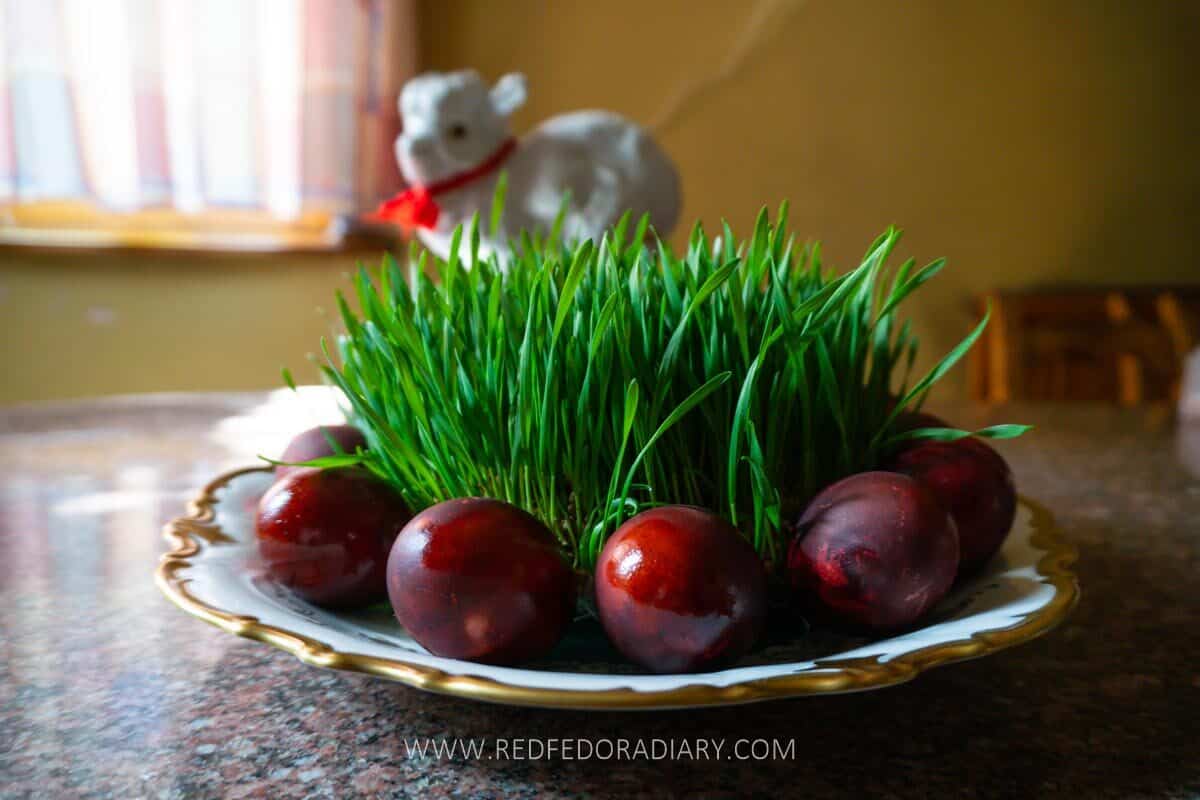
The festival calendar may also include events like Sakura Blossom Days and book fairs. Overall, April is a good time to visit Tbilisi if you’re after greenery, a full spring atmosphere, and warmer days.
May in Tbilisi
For many visitors, May is the most pleasant and best month to visit Tbilisi. Flowers are everywhere, temperatures are comfortable, and several wine festivals are usually scheduled back-to-back in the first half of the month.

There are also a few public holidays in May, including Georgia’s Independence Day, which features a small military parade and machinery displayed at Freedom/Liberty Square, followed by fairs, celebrations, and activities along Rustaveli Avenue.
June in Tbilisi
June still offers comfortable weather before peak heat arrives. Major outdoor events, such as Tbilisi Open Air, take place alongside wine and storytelling festivals.

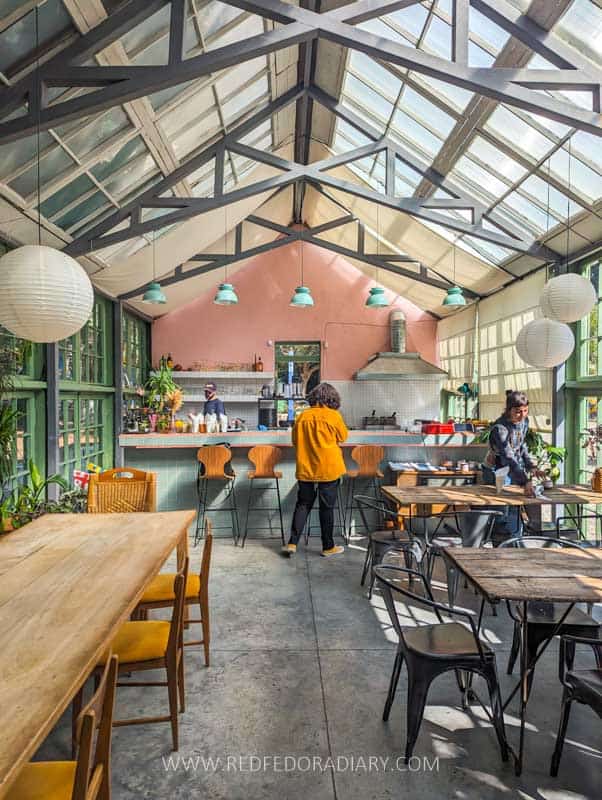
With warmer days and long daylight hours, it’s also the time when I start spending more mornings at cozy cafes and breakfast spots, taking advantage of outdoor seating and a bit of sun before the real summer heat sets in.
Therefore, if you’re wondering whether June is a good time to visit Tbilisi, this is often a solid yes — warm, active, but not yet overwhelming.
July in Tbilisi
July brings full summer mode. Days are hot, evenings are social, and events like the Art-Gene Folk Festival bring regional performers to the capital for a few days of concerts and dance shows.
Between Tbilisi sightseeing and afternoon/evening walks, quick stops for ice cream become part of the daily routine — especially on hot days to cool down a bit.

In summer, the Sukhishvili National Ballet returns from international tours and holds performances both in Tbilisi and on its Takara stage on the city’s outskirts. They were among the first dance ensembles to turn traditional Georgian dances into staged performances.
Known for strict training and exceptional technical skill, Sukhishvili remains a favorite among locals — myself included. If you’re visiting this month, one of the best things to do in Tbilisi in July is to get tickets to one of their shows.
August in Tbilisi
August is the hottest and quietest summer month. Many locals leave the city for holidays in Batumi, Kobuleti, or the mountain regions like Mestia and Racha, and daytime sightseeing can feel intense due to the heat.

That said, if heatwaves don’t bother you and you prefer a slower pace with fewer people around, August can still be a good time to visit Tbilisi. I’ve shared practical tips for coping with the heat in my Tbilisi summer guide to help you plan your days more comfortably.
September in Tbilisi
September resets the city. Schools reopen, traffic returns, and the Rtveli wine harvest begins. It’s a great time to combine city life with wine experiences. If you want to take part, Eat This! Tours run Rtveli trips you can join — use code RFD5 for a 5% discount. Alternatively, WT Georgia also offers wine harvest tours near Tbilisi with local family wineries.
October in Tbilisi
October is consistently one of the most comfortable months to be in the city. Tbilisoba takes place during the first weekend, and Rtveli wraps up depending on the harvest. The festival calendar might also include international film and coffee festivals.

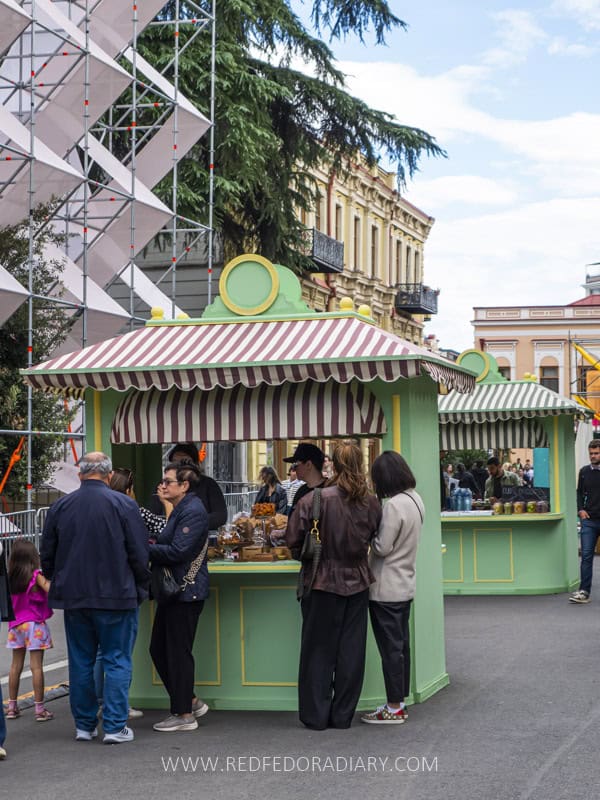
If you love warm days, autumn colors, and a bit of easy hikes around the city, October is a good time to visit Tbilisi and experience it at a relaxed pace.
November in Tbilisi
November is quieter but culturally active. Book fairs and international theater or film festivals often fill the cultural calendar.
Cooler days make it easy to slow down — grabbing a cup of coffee and enjoying Tbilisi’s landmarks and streets without the usual crowds.
While there are no major public festivities, theaters and the opera have regular programming, making it a good time to catch performances, concerts, and shows. Browse TKT.ge or Biletebi.ge to see what’s on and purchase tickets.
December in Tbilisi
December brings lights, markets, and preparations for Christmas and New Year celebrations. While it’s not a month focused on weather or fast-paced sightseeing, December is a good time to visit Tbilisi if you’re drawn to the seasonal atmosphere and festive energy.

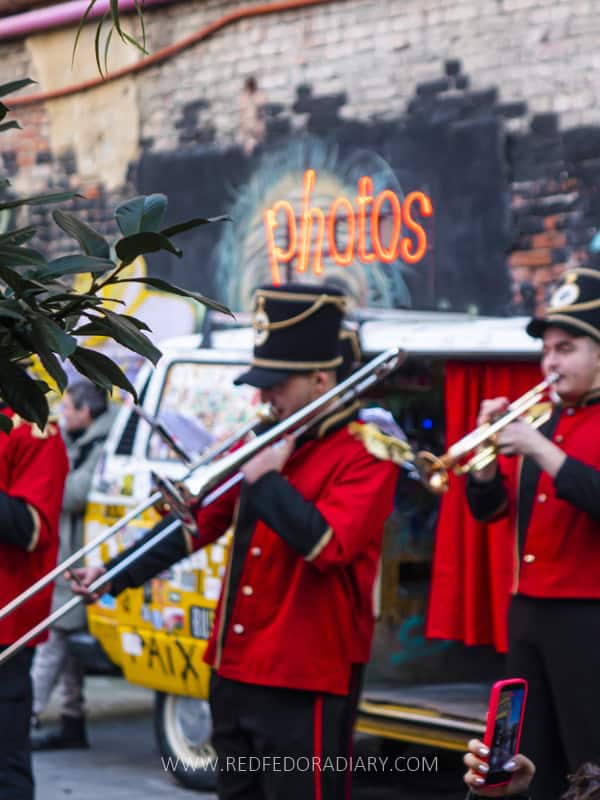
As days become colder and shorter, most activities shift indoors — cozy cafes, galleries, museums, and the opera take center stage. For more winter-specific ideas, you can check out my Tbilisi winter guide.
When Tbilisi might not be ideal
Even though there’s no truly bad time to visit Tbilisi, some periods work better than others depending on how you travel and what you enjoy.
This section isn’t meant to put you off — just to help you match expectations with reality. With a bit of planning, even the less ideal periods can still turn into a good trip, especially if you know what to prioritize and what to skip.

During hotter months or unpredictable shoulder seasons, short, purpose-driven walking tours can make exploring Tbilisi feel more manageable, offering structured routes that let you experience specific neighborhoods and themes without aimless wandering.
Peak summer heat (July–August)
Summer is actually my favorite season in general, and the heat doesn’t bother me much — but I know that’s not the case for most people. July and August can feel intense, especially if you plan to spend long days walking around the city. Midday sightseeing isn’t always pleasant, and many locals leave the city for vacation.
If heat is something you struggle with, this might not be the easiest time to visit. That said, if summer is the only window you have, it’s still doable with the right approach. I’ve shared practical tips, indoor activities, and ways to cool down in my Tbilisi summer guide, which can make a big difference.
Deep winter outside the holidays (January–February)
Winter is my least favorite time in Tbilisi. While we do get plenty of sunshine, winter gloom can still creep in, and the city doesn’t get enough snow to feel consistently festive. Outside of Christmas and New Year, January and February are very quiet, with little happening on the social or cultural calendar — and the days can feel endless.
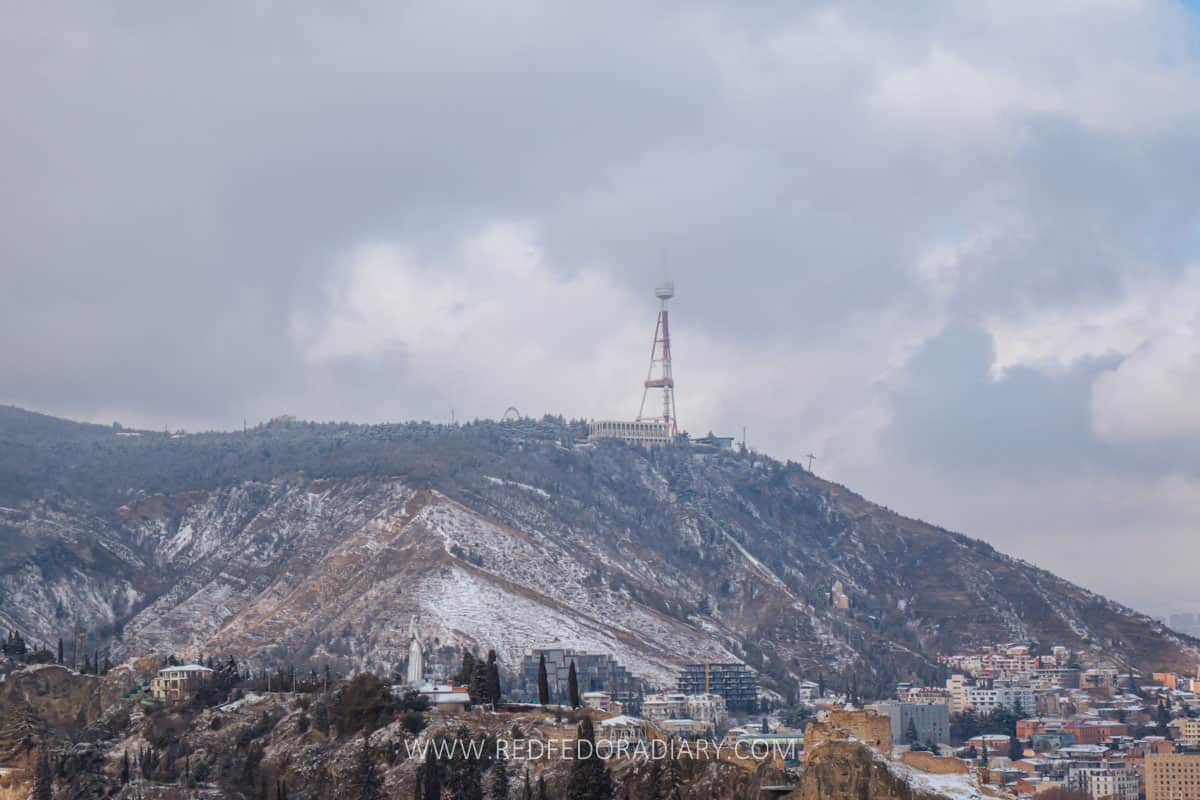
If you enjoy lively streets, events, and outdoor wandering, this period may feel slow. Winter works best if you’re happy with more indoor activities and a slower rhythm rather than a lively atmosphere. Check out my Tbilisi winter guide for some ideas.
Early shoulder season and rain (especially March)
Shoulder seasons are generally fine, but early spring — especially March — can be unpredictable. Locals even call it “crazy/mad March” because the weather can change several times a day. Rainy spells are common, temperatures fluctuate, and planning full outdoor days can be tricky.
If you’re visiting during these in-between months, packing smart helps a lot — light layers, a rain jacket, and comfortable walking shoes can make exploring Tbilisi much easier, and I’ve broken this down season by season in my Tbilisi packing guide.
Practical tips for choosing when to visit Tbilisi
Once you narrow down seasons and months, a few practical considerations can help you decide when is the best time to visit Tbilisi for your trip.
Is Tbilisi worth visiting year-round?
Tbilisi is worth visiting year-round, but it rewards travelers who match expectations with the season. If you enjoy walking, culture, delicious food, layered history, and a vibrant cafe scene, the city has it all.
The best month to visit Tbilisi for first-time visitors
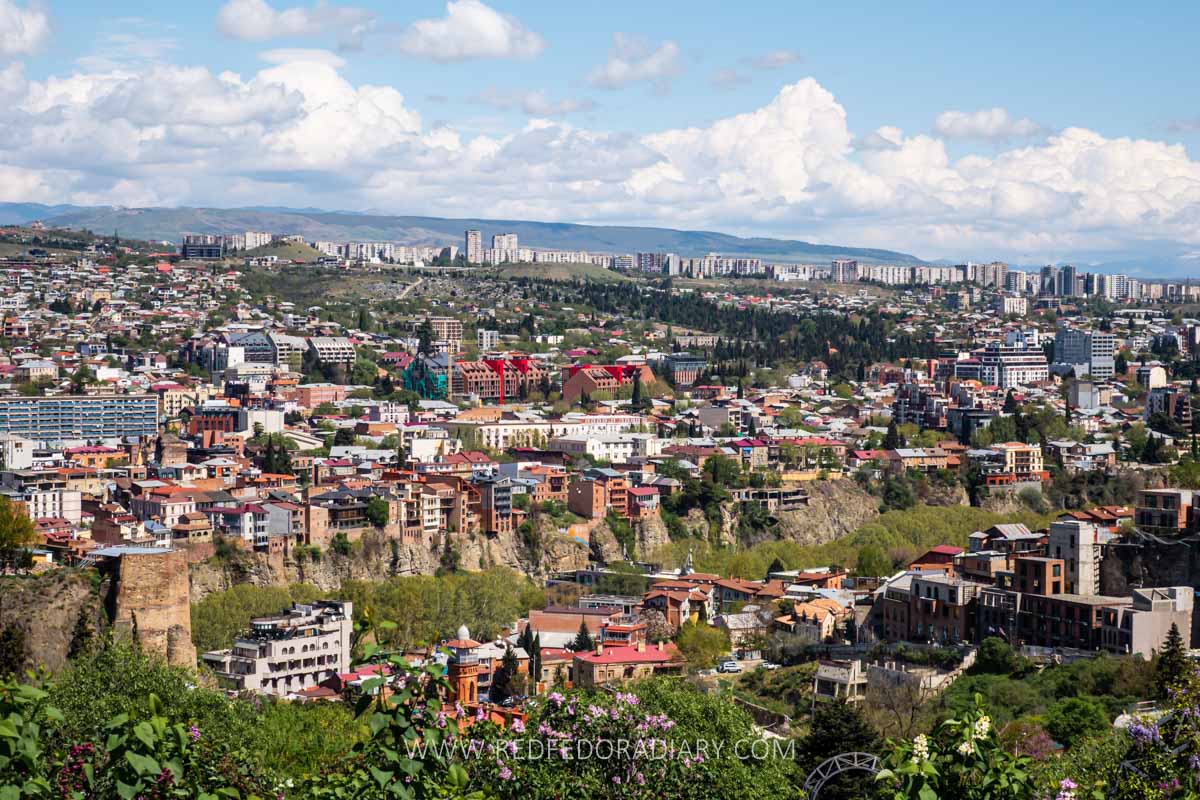
For most travelers, late April, May, September, and October offer the best balance of weather, walkability, and atmosphere. These months combine comfortable temperatures with active city life, making them the easiest answer to which month is best for Tbilisi — especially if it’s your first visit.
Budget and seasonal prices
Tbilisi is generally affordable compared to many European capitals, but prices do vary by season. Winter months outside the Christmas and New Year period, as well as late summer, tend to be cheaper for accommodation. Spring, autumn, and summer are more popular and slightly pricier.
Walking comfort and daily pace
Tbilisi is best explored on foot — especially in the Old Town, Sololaki, and along Rustaveli Avenue. If long walks are a big part of your plans, spring and autumn are noticeably more comfortable than peak summer or deep winter. Summer heat limits how long you’ll want to stay outside during the day, while winter shortens daylight hours and pushes activities indoors.

Events, crowds, and city energy
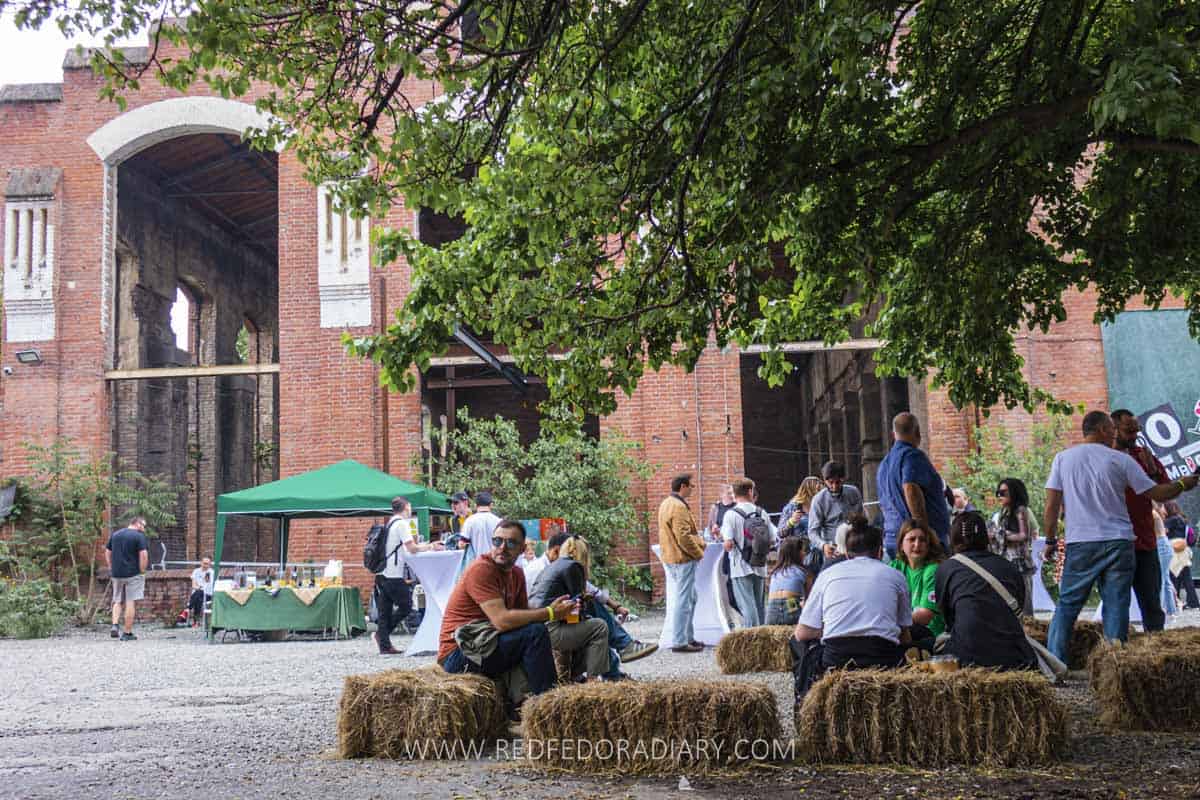
Festivals, holidays, harvests, and peak seasons add atmosphere, but they can also mean slightly busier streets, higher accommodation prices, or temporary road closures. If you enjoy the lively energy of a city, plan your trip around major festivals and events.
Daylight hours and sightseeing style
Longer days in late spring and summer give you more flexibility — especially if you like slow mornings or evening walks. In winter, shorter days often push sightseeing indoors, which can be great for museums but limiting for outdoor exploration.
Flexibility and weather changes
Some months — especially March and winter — reward travelers who are comfortable changing plans at the last minute due to rain or weather shifts. If you prefer structured itineraries, late spring and early autumn tend to be easier.
How long do you plan to stay
For most visitors, three to four days is enough to experience Tbilisi’s landmarks, central neighborhoods, and food scene at a relaxed pace. A more extended stay allows for deeper exploration, but if your time is limited, choosing a walkable season makes a noticeable difference.
If you plan to use Tbilisi as a base for day trips or regional travel, season matters even more. Summer works well if you’re heading into the mountains, while autumn is ideal for wine-focused trips. Winter limits access to some regions but suits ski resorts and slower, city-based stays.
Tbilisi winter weather: cold and snow expectations
January is usually the coldest month, but temperatures remain relatively mild compared to other parts of Georgia. Snow in Tbilisi is rare and short-lived; when it does happen, it usually melts quickly and doesn’t disrupt travel within the city.
When Tbilisi and the rest of Georgia differ
The best time to visit Tbilisi and Georgia isn’t always the same. Summer may feel too hot in the city, but it’s ideal for mountain regions, such as Tusheti, Mestia, and Racha. Autumn works well for both city travel and wine regions, while winter limits access to some areas outside the capital. If your trip includes more than just the city, timing becomes even more important.