
Tbilisoba: A Local’s Guide to Tbilisi’s Biggest Festival
If you are visiting Tbilisi in autumn, Tbilisoba is one of the city’s biggest local celebrations. For one weekend, central and Old Tbilisi turn into a large open-air festival filled with themed decorations, food stalls, Georgian wine, handicrafts, concerts, and performances.
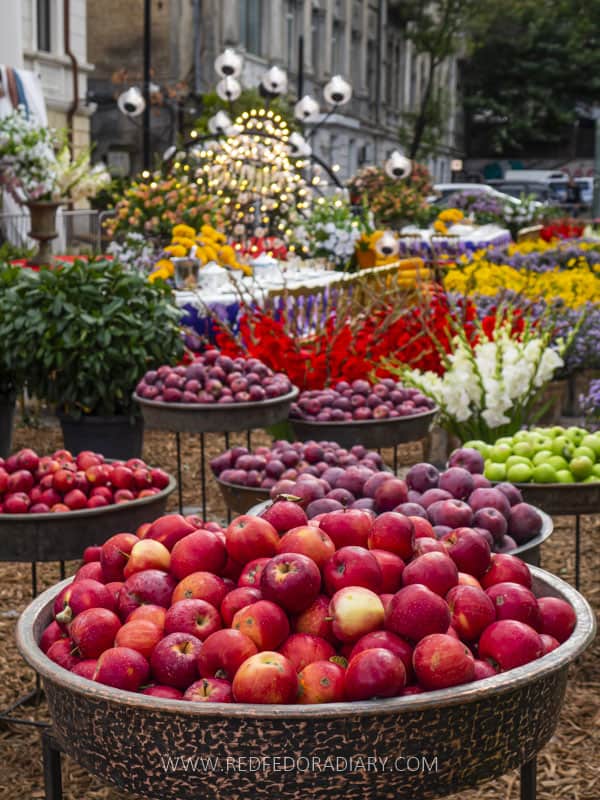
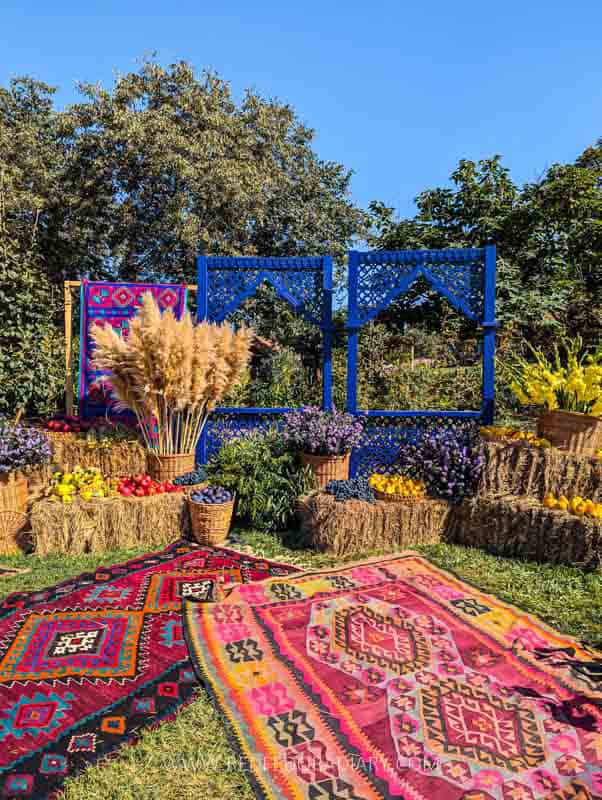
Tbilisoba has celebrated Tbilisi and its people since 1979 and is now one of the city’s biggest annual events. Beyond the main areas in the city center, farmers and artisans from across Georgia come to sell produce and homemade goods in nearby neighborhoods.
Mtsvadi, the Georgian BBQ, is a festival favorite and sold at almost every food stall, so the central areas soon fill with its smoky aroma. At the same time, community supras pop up in neighborhoods, making Tbilisoba a citywide celebration, not just limited to the main festival grounds.
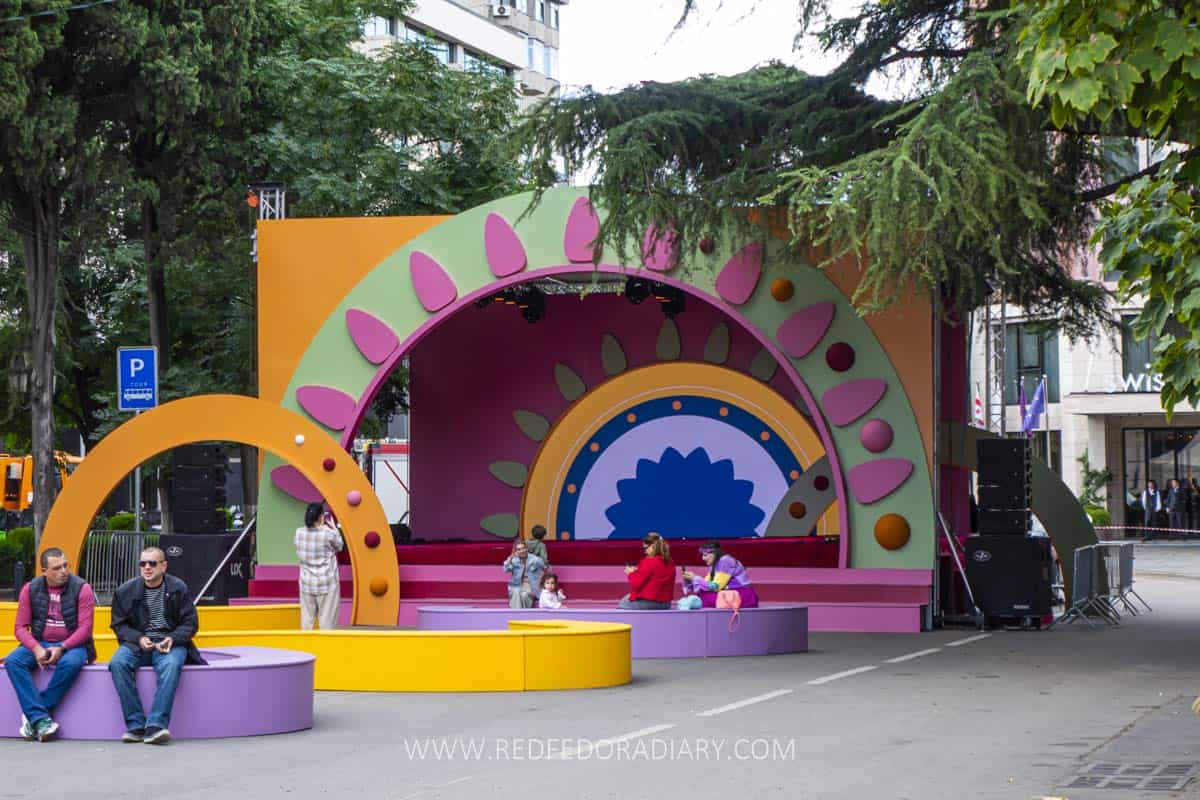
Some activities focus on wine, since October is grape harvest season, making Tbilisoba the perfect time to celebrate Georgia’s long winemaking history. While local traditions, folk performances, and culture are the main focus, the festival also highlights the traditions of ethnic minorities living in Tbilisi and across Georgia.
Most online information about Tbilisoba, in both Georgian and English, is outdated or limited. That’s why I created this guide, which I update every year with everything you need to know if your trip lines up with one of Georgia’s biggest cultural festivals.
What is the Tbilisoba festival?
Tbilisoba, or თბილისობა in Georgian, roughly translates as the “celebration of Tbilisi.” It is an annual festival dedicated to Georgia’s capital, its history, traditions, culture, and people.

The idea for a dedicated celebration of the capital emerged during the Soviet period. Although many people still associate the creation of Tbilisoba with Eduard Shevardnadze, who was then the First Secretary of the Communist Party of the Georgian SSR, former Tbilisi Mayor Niko Lekishvili recalled in an interview with Radio Liberty that the idea was first discussed at a meeting he attended in 1978 while serving as First Secretary of the Tbilisi City Committee of the Komsomol.
The first Tbilisoba took place on October 28, 1979, with the main celebrations centered around Abanotubani and Rike in Old Tbilisi. People came from across Georgia, bringing their harvests, regional food, handicrafts, folk music, and dance to the capital.
The festival also recreated scenes and characters associated with old Tbilisi. People dressed as Karachogheli (a traditional folkloric archetype of an old Tbilisi citizen) and Kinto, rugs hung from the wooden balconies, phaetons appeared on the streets, and even a raft floated along the Mtkvari River.
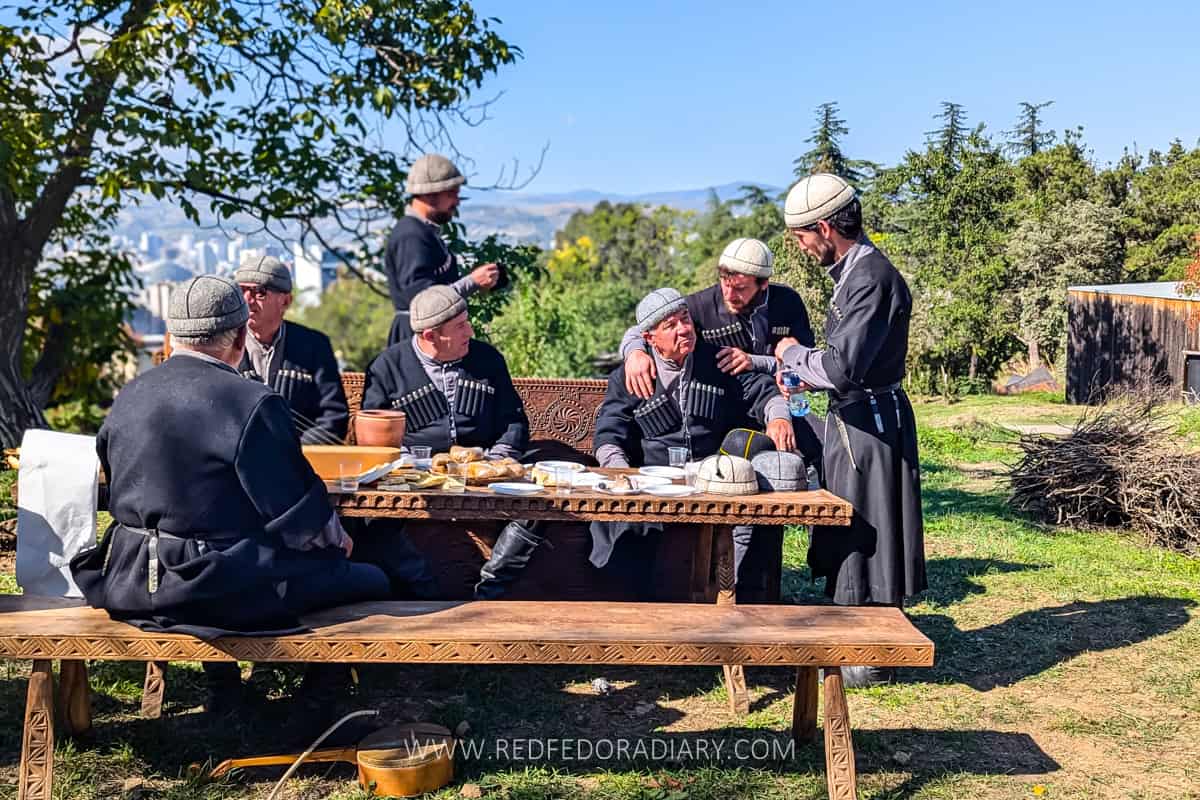
Mtsvadi was grilled outdoors, tatara (grape juice for Churchkhela) was prepared, grapes were pressed in open-air wine troughs, and traditional music and dance filled the historic neighborhoods, including performances by the Sukhishvili and Rustavi ensembles.
Over the following years, Tbilisoba expanded to include more theatrical performances, concerts, sporting competitions, exhibitions, markets, and other cultural activities. The festival continued annually until 1989.
It was not held that year following the tragic events of April 9, 1989, when Soviet troops violently dispersed an anti-Soviet demonstration in front of the Parliament. The festival remained suspended during the turbulent years that followed, as Georgia went through the final years of the Soviet Union, independence, political unrest, a coup, and armed conflicts. After a six-year hiatus, it returned in 1995.
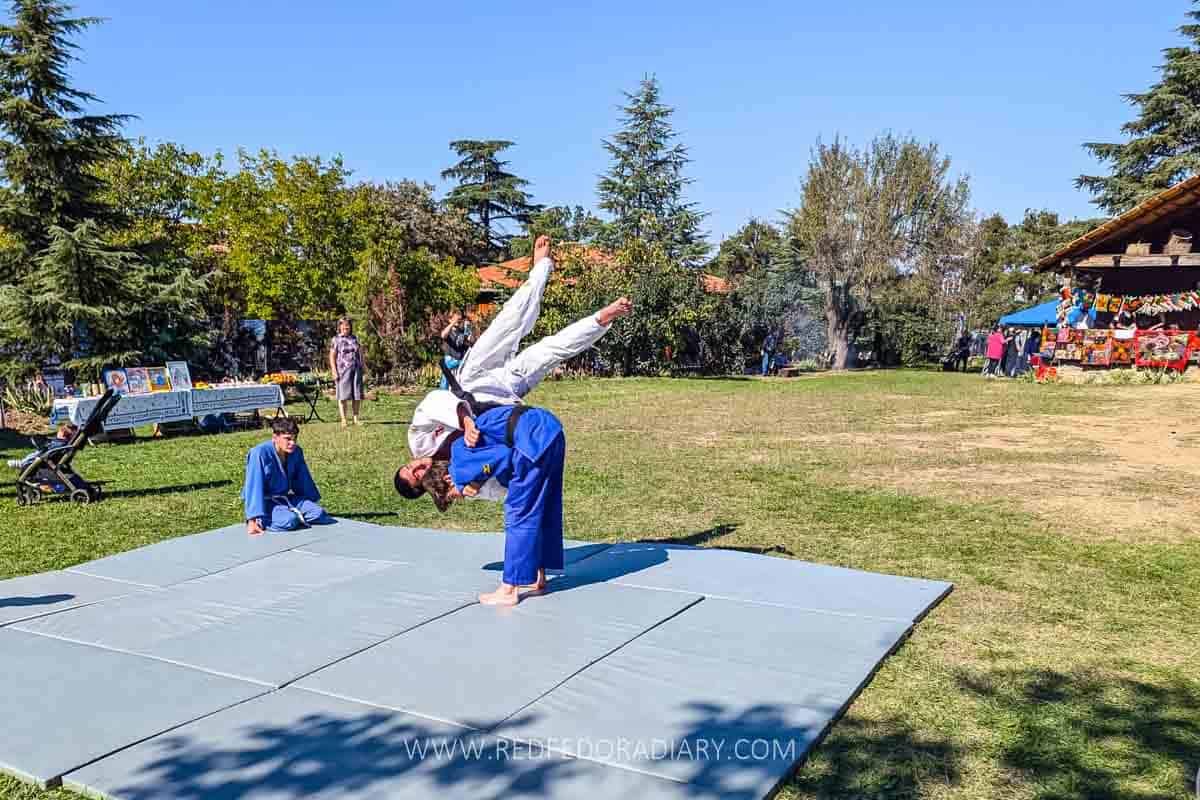
Traditionally, Tbilisoba was celebrated on the final weekend of October, linking the festival to Georgia’s autumn harvest and Rtveli, the traditional grape harvest season. In more recent years, however, the celebration has moved to the beginning of October.
The scale, locations, and activities have changed considerably since the first event in 1979, and the program continues to vary from year to year. However, many elements of the original festival remain recognizable today: regional food and produce, wine, handicrafts, folk performances, and farmers and artisans coming to the capital from across Georgia.
Another long-standing part of Tbilisoba is the naming of Honorary Citizens of Tbilisi, an annual title awarded to people recognized for their contribution to the city and Georgian society.
Plan Your Tbilisi Trip Like A Pro
💬 Your Trip, Your Way – Crafted by a Local
🏥 Travel Insurance is Now Mandatory in Georgia
🚗 Book Your Transfers Before You Land
🛜 Stay Connected from the Moment You Arrive
When is Tbilisoba?
Tbilisoba takes place in autumn, usually over the first weekend of October, making it one of the biggest events to attend if you’re visiting Tbilisi in autumn.
Unlike festivals with fixed annual dates, the exact Tbilisoba dates are typically announced only a few weeks in advance, usually around the end of August or beginning of September. The celebrations last two days, with activities throughout Saturday and Sunday.
Tbilisoba 2026 dates: October 3–4
I update this guide as soon as Tbilisi City Hall announces the dates for the upcoming Tbilisoba, so you can always find the latest information here.
Where does Tbilisoba take place?
Tbilisoba isn’t held on a single enclosed festival ground. Instead, celebrations spread across several public spaces, particularly around the historic parts of the city.
Rike Park and Abanotubani have traditionally been two of the main festival areas, hosting food and agricultural stalls, entertainment, performances, and various activities. In recent years, Orbeliani Square has also become a central location.

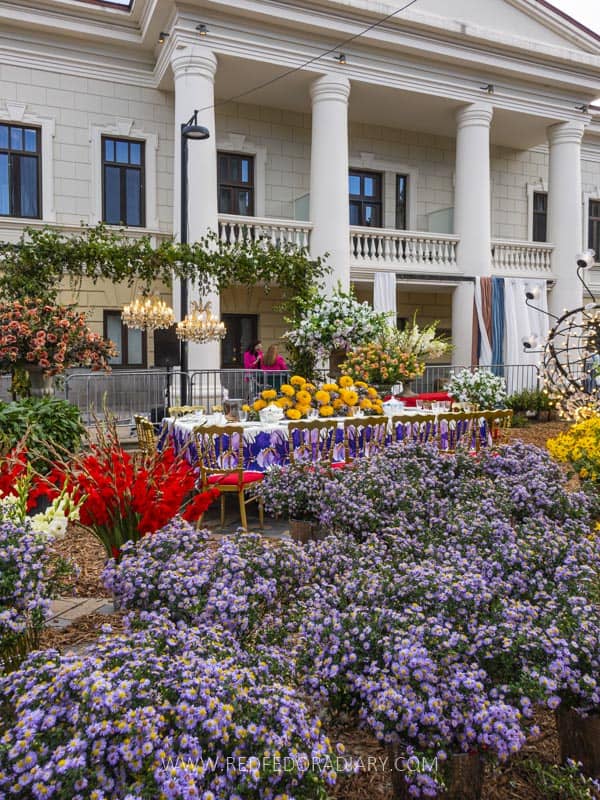
Depending on the year’s program, celebrations spread to nearby squares, streets, and public spaces throughout the city. This means you don’t necessarily need to follow a strict itinerary. You can simply walk between the different areas and stop whenever something catches your attention.
For Tbilisoba 2026, celebrations will also extend to Gudiashvili Square, Leghvtakhevi, Europe Square, and Metekhi Bridge, alongside the usual festival locations.
What to expect at Tbilisoba
Tbilisoba combines several different kinds of events rather than focusing on one particular theme. You might find a food market in one area, folk dancing somewhere else, children’s activities in another, and a concert later in the evening.
Tbilisi City Hall has not yet released the exact schedule for Tbilisoba 2026. I will update this section with the full program once it is announced.
Try Georgian food
Food is a big part of the celebration, with stalls and temporary stands selling Georgian dishes, snacks, sweets, and regional products.
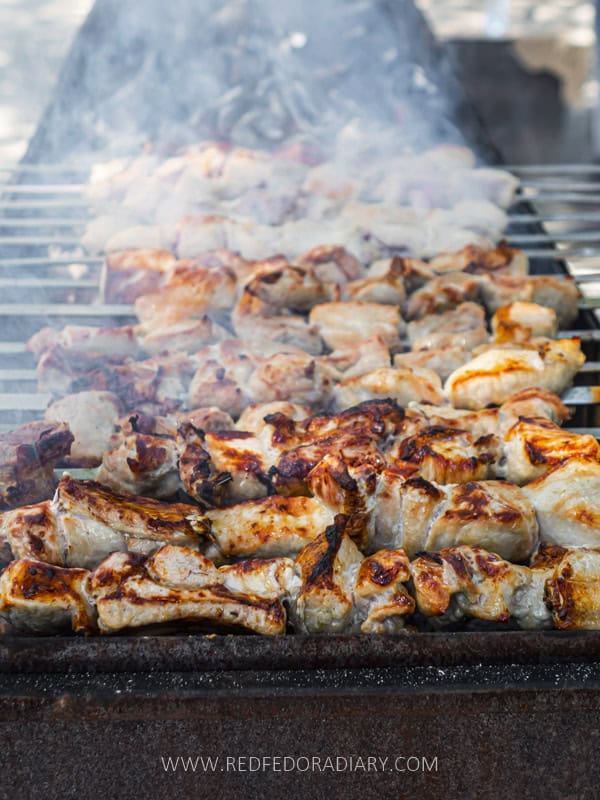
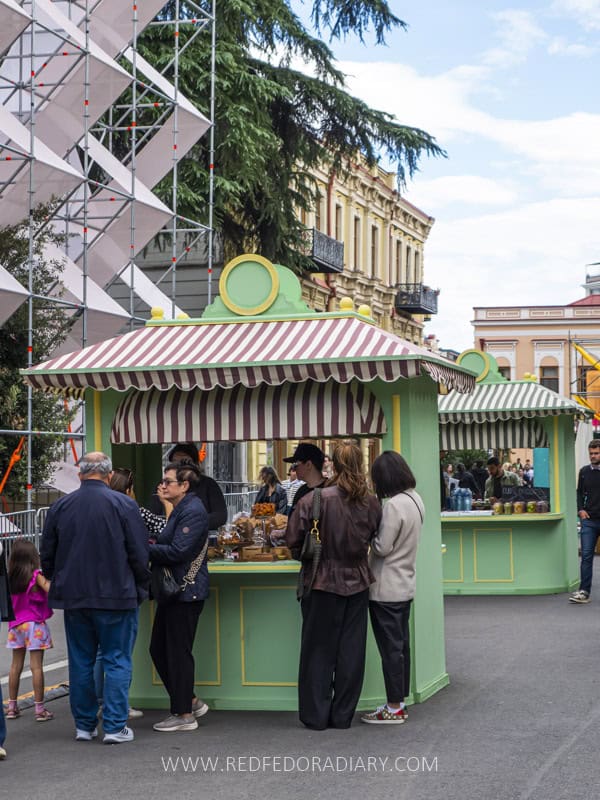
You can typically find cheeses, honey, Georgian sweets, preserves, wine, and seasonal produce from producers across Georgia. Some areas also have open-air cooking, including plenty of mtsvadi grilled over charcoal.
One of the best Tbilisoba events I’ve attended was held at the Open Air Museum of Ethnography, near Kus Tba (Turtle Lake), two years ago. I started attending Tbilisoba more regularly after travel blogging became my full-time job, and this particular celebration stood out from the others.
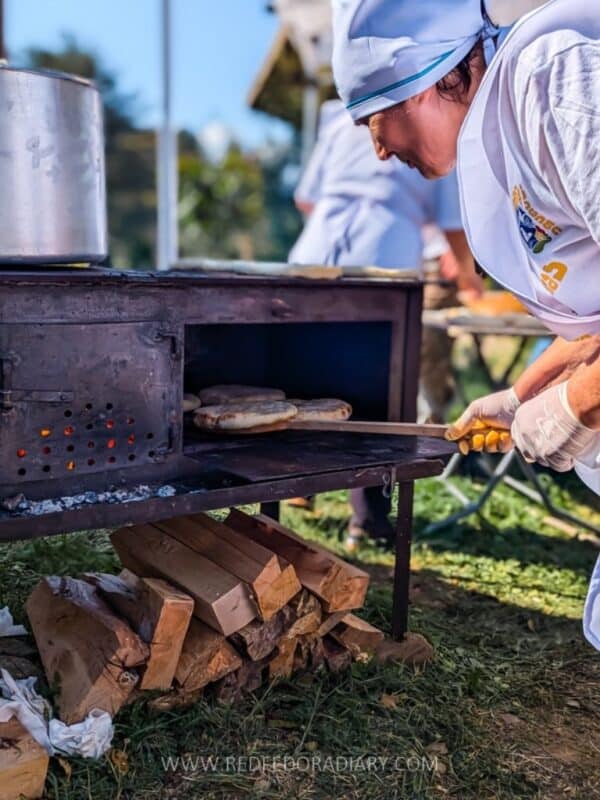

Different regions of Georgia were represented through their cuisine, local products, traditions, folk songs, and dances. And unlike the main festival areas in central Tbilisi, it was considerably less crowded, which made it much easier to walk around, see the performances, and explore the regional stalls.
Unfortunately, the museum hasn’t hosted any such event for the past two years. I hope they bring it back in the future because it was a great way to experience the country’s regional side in one place.
Discover Georgian wine and the autumn harvest
Since Tbilisoba falls during Georgia’s autumn harvest season, grapes and wine naturally feature prominently in the celebrations.
Wine producers from different regions also participate, bringing a selection of wines that sometimes goes beyond what you typically find in supermarkets and restaurants. This gives you a chance to try different Georgian wines and buy a bottle or two directly from the producers if you find something you like.
Browse local crafts and products
Markets are another major part of the festival, with artisans displaying handmade goods made from materials such as wood, ceramics, textiles, metal, and others. Agricultural fairs and regional producers are also traditionally part of the celebrations.
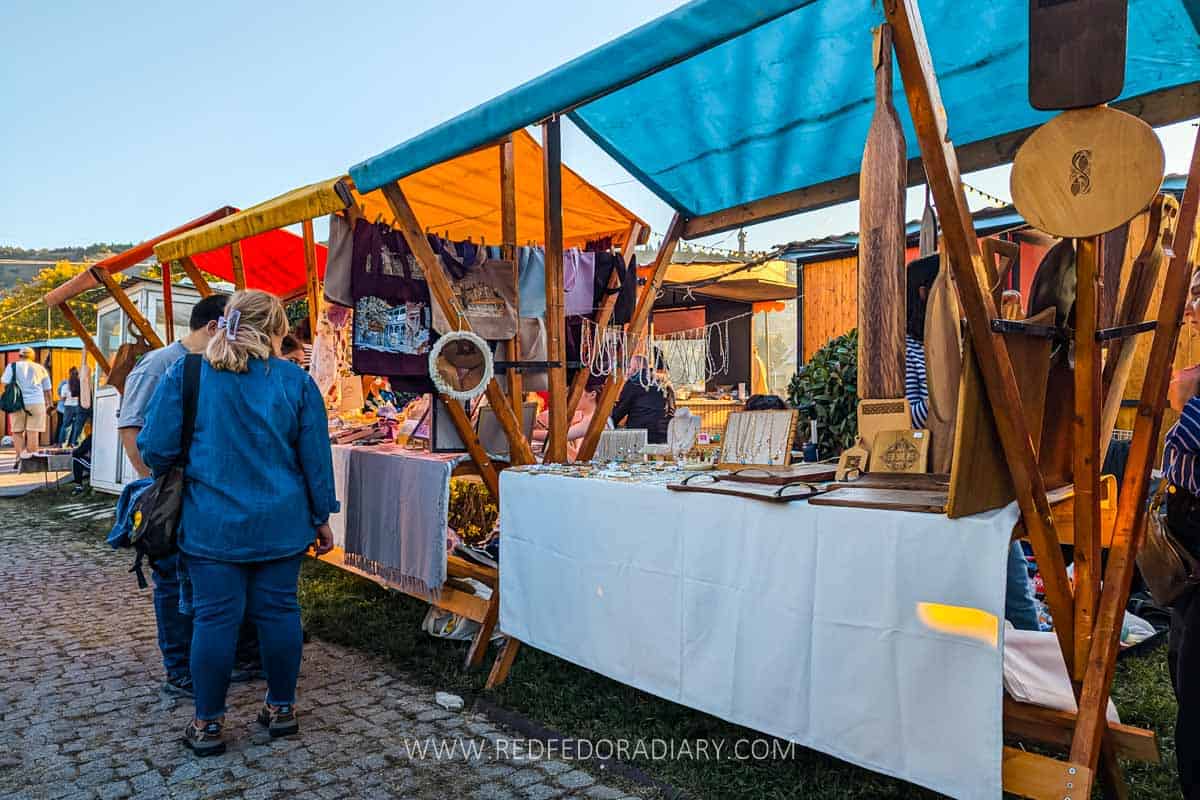
If you are looking for Georgian souvenirs, it’s worth browsing the stalls, although I wouldn’t necessarily buy from the first one you see. Walk around and compare what’s available, as you’ll find different artisans and products across the festival areas.
Watch concerts and traditional performances
Music runs throughout Tbilisoba, from small performances to larger concerts.
Traditional Georgian singing and dancing are usually a big part of the celebrations, alongside contemporary musicians and other performances.
The larger concerts tend to attract significant crowds, particularly later in the evening, so keep this in mind if you prefer experiencing Tbilisoba when it’s a little quieter.
Activities for children
Tbilisoba is very much a family event, and the program typically includes plenty of activities aimed at children.
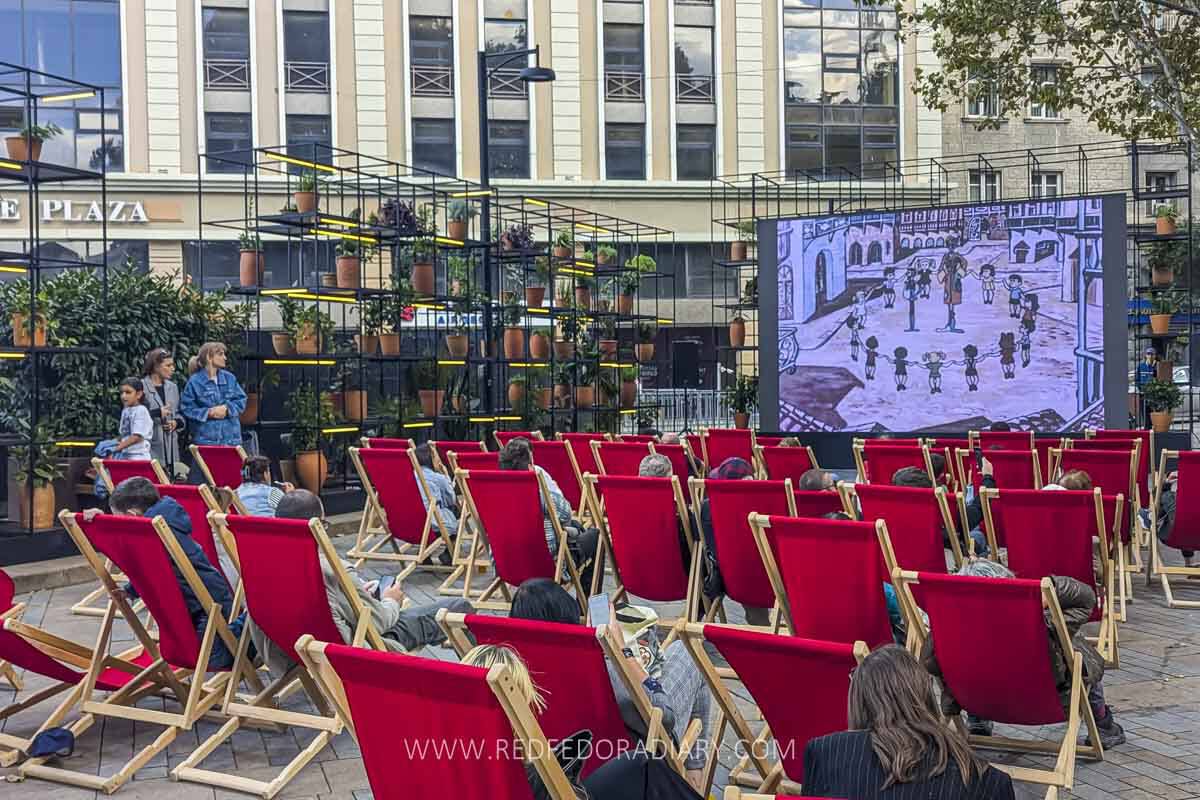
Depending on the year, these can include theatre performances, concerts, entertainers, games, sporting activities, and creative workshops.
If you are visiting Tbilisi with kids, early afternoon is likely the best time for exploring the festival grounds before the main areas get busier toward the evening.
Practical tips for visiting Tbilisoba
The biggest thing to remember is that Tbilisoba attracts a lot of people. Central streets and festival areas can get extremely busy, especially in the afternoon and evening.
I wouldn’t plan to drive around central Tbilisi during the celebrations. Temporary road closures and increased traffic can make getting around more complicated, while much of the festival itself is best explored on foot anyway.
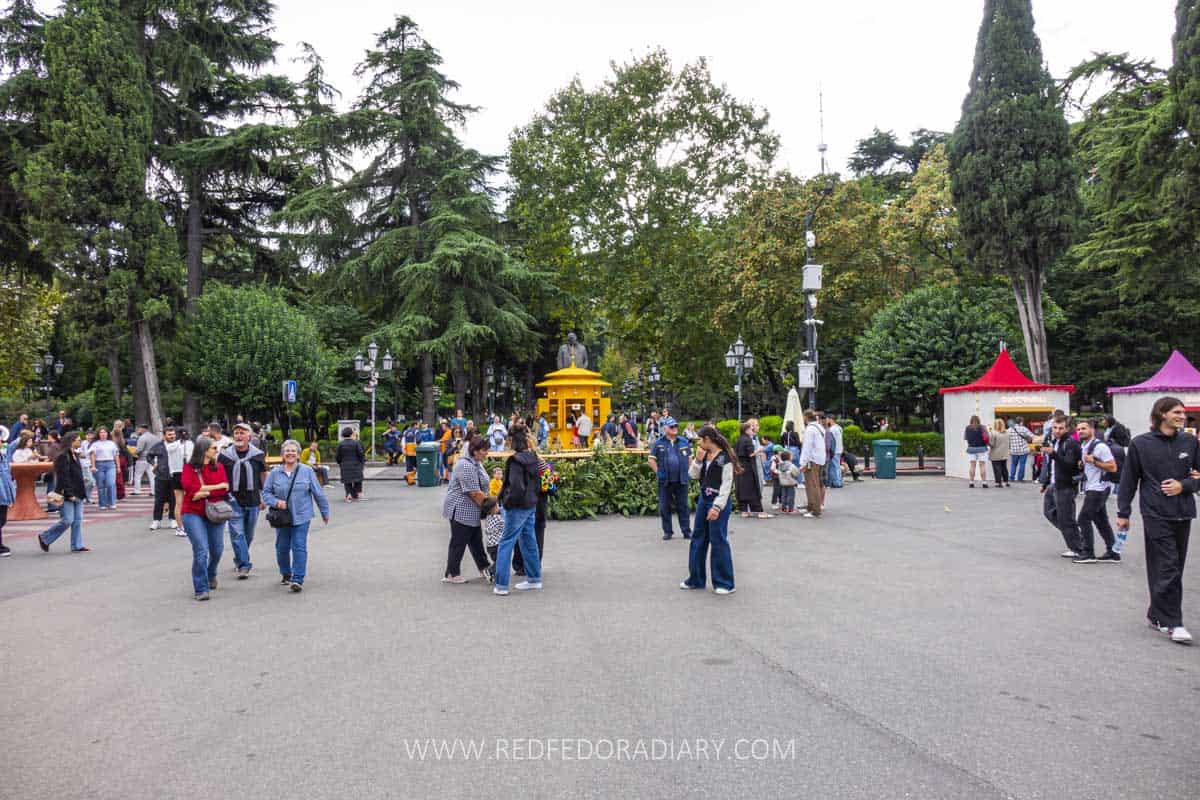
Wear comfortable shoes because you’ll probably walk considerably more than expected. Tbilisi also has plenty of cobbled streets and uneven pavements around the Old Town.
October weather can vary considerably. A sunny afternoon may feel pleasantly warm, but temperatures can drop after sunset, so bring an extra layer if you plan to stay for evening concerts.
And don’t try to see absolutely everything. The program can be extensive, and part of the fun is simply wandering between the different areas, trying something that catches your attention, and stopping to watch performances along the way.
Is Tbilisoba worth attending?
Although I’m not a big fan of overcrowded celebrations and usually limit my time to checking out what’s happening across the different festival areas, I still believe it’s worth spending at least a few hours experiencing it.
Tbilisoba gives you a chance to see a different side of the city from the usual sightseeing itinerary. Instead of moving between landmarks, museums, and churches, you’ll find yourself surrounded by locals celebrating their city, with food, music, performances, and traditions taking over parts of the city center.
You certainly don’t need to spend the entire weekend at the festival. Even walking through the main areas, trying some food, browsing the stalls, and watching a performance or two gives you a good introduction to Tbilisoba and the atmosphere surrounding it.